
Diving at Concrete ' Fish Havens' (United States)
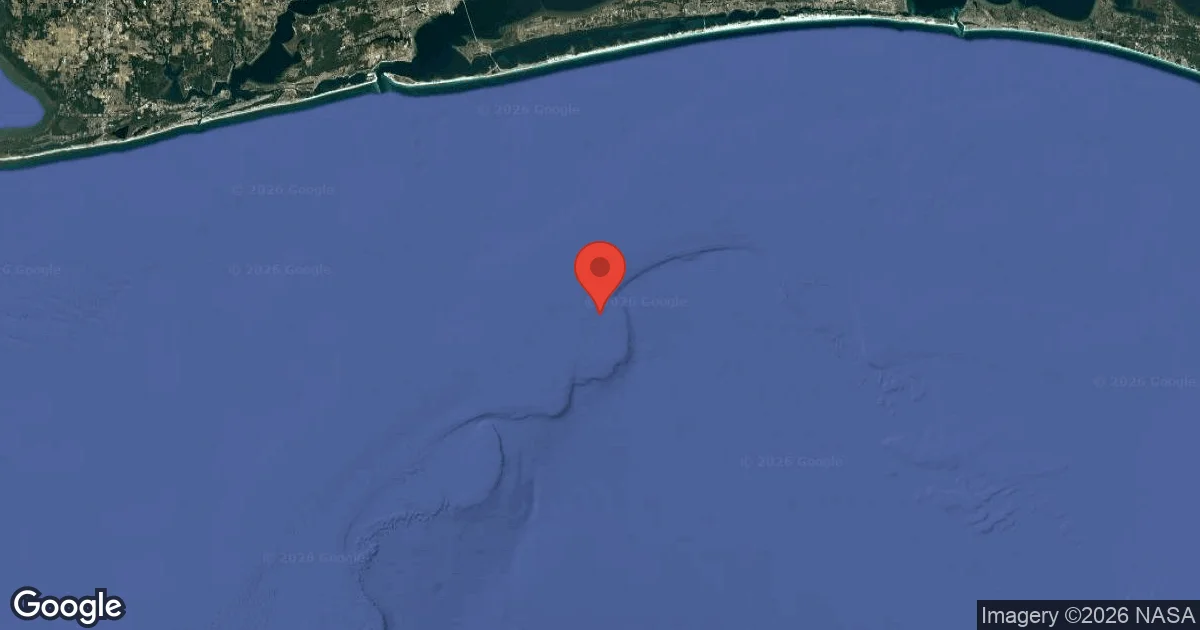
An extensive network of artificial reefs defines the underwater landscape of Concrete 'Fish Havens'. These man-made sites, part of various state and county programs, consist of concrete culverts, purpose-sunk barges, steel, and Florida limestone. Situated off the coasts of Florida and Delaware, these diverse structures provide crucial habitat. They transform bare seafloor into thriving ecosystems, acting as shelter and food sources for a wide array of marine life.
As evening covers Concrete ' Fish Havens', the local air temperature is measured at 30°C. The current wave height at the surface is recorded at 1 m. These late-day readings characterize the surface conditions for the night.
Dive Site Location & Key Facts
Dive Site Overview
Delving into the waters of Concrete 'Fish Havens' offers an exploration of purposefully deployed artificial reef sites, meticulously established by initiatives like the Collier County, DNREC, and SWARA programs. These submerged structures are designed to replicate natural reef functions, actively attracting and sustaining marine biodiversity.
Most dive sites here are found within recreational depths, typically ranging from 9 to 11 m (30 to 37 ft). Divers can navigate through various formations, including large debris fields of concrete culverts and several sunken barges. Sites such as Anchor Eater and the northeastern wreckage are known for specific inhabitants; the latter is a significant Goliath Grouper haven, while Anchor Eater frequently hosts Snook.
This network of artificial reefs serves a vital role, enriching the local ocean environment by providing complex, three-dimensional protection and sustenance for fish against predators and storms. Visibility generally averages around 4.5 m (15 ft), but divers often report exceptionally clear conditions during very calm weather months.
Conditions are Excellent
07:00 - 14:00
Optimal conditions expected
Current conditions near Concrete ' Fish Havens' show 30° air, 30° sea temperature, 0.5 m waves, and 22 km/h wind. Forecast data is refreshed regularly to ensure accuracy.
Best Time to Dive
Optimal diving at Concrete 'Fish Havens' often aligns with periods of improved visibility, which can be extremely clear during calm weather. This generally corresponds to the months offering 'Good' dive scores, typically from May through September. During this peak season, average wave heights are significantly reduced, sometimes dropping to around 0.7 m (2.3 ft) in July, compared to higher averages in winter. Air temperatures during these favorable months comfortably range from approximately 24.5°C (76°F) in May up to 29°C (84°F) in August. Rainfall remains moderate throughout the year, with monthly averages between 2.6 and 5.3 mm (0.10 and 0.21 inches). Lower wind speeds, averaging around 22.9 km/h (14.2 mph) in July, further contribute to a stable sea state, making these months ideal for exploring the varied structures of these artificial reefs.
PEAK SEASON SCORE
Scores combine air & water temps, waves, wind & rainfall for overall conditions.
BEST MONTHS TO DIVE
Monthly records compiled from satellite and marine observation nodes over the last 3 years. Data provided by Open-Meteo and MET Norway.
Dive Experience & Conditions
Exploring the Concrete 'Fish Havens' takes divers into a world of purpose-built structures, offering a diverse and accessible terrain. Recreational depths are the norm here, with most sites maintaining a maximum depth between 9 and 11 m (30 and 37 ft). Upon descent, divers encounter a varied landscape composed of concrete culverts, barge remnants, and other deployed materials. These structures rise from the sandy bottom, forming intricate havens for marine life and creating interesting navigation opportunities. Visibility averages around 4.5 m (15 ft) but can fluctuate, offering much clearer conditions during periods of stable, calm weather. While specific water temperatures are not consistently reported for this exact location, they typically follow regional coastal patterns, making a wetsuit a common choice.
Dive Difficulty & Safety Guidelines
Adhering to crucial safety protocols ensures a secure dive experience across these artificial reef sites. Sea conditions can shift rapidly, requiring divers to remain attentive to environmental changes and prioritize safety consistently. Florida State Law strictly mandates displaying a diver-down flag or buoy prominently whenever diving, alerting nearby boaters to your presence.
For accurately locating specific offshore reefs, such as Fish Haven #1, #2, and Frangista Reef, a reliable GPS device is essential. Divers planning to visit these havens should possess proper SCUBA training and certification, always staying within their personal limits.
A fundamental guideline involves respecting the marine environment: take only pictures, and leave only bubbles. This approach helps preserve the integrity of these valuable underwater habitats.
Recommended Equipment
- Dive Computer
This gear list is based on verified equipment signals for Concrete ' Fish Havens', United States. Always confirm final gear choices with your dive operator, guide, or liveaboard.
Recommended Dive Suit
Dive skin or rash guard usually provides adequate warmth in water around this temperature. Consider warmer surface protection (like a boat coat) due to brisk winds. Those diving at Concrete ' Fish Havens' today will likely encounter water temperatures in the region of 30°C (86°F). Surface air temperatures are resting at 30°C (86°F).
Surface temperatures may decrease slightly later in the week. Cooler days are ahead; you might want a warmer option for later in the week. Some divers bring an extra layer for surface intervals between dives.
Conditions can vary slightly across different parts of the same dive site.
Due to technical issues with our weather providers, live updates are temporarily delayed. The data above reflects the conditions at the time of the last successful fetch.
Emergency & Medical Support
Essential information to help you plan your dive trip to Concrete ' Fish Havens'.

Hyperbaric chambers are a critical part of dive safety infrastructure. Availability varies significantly by region, and not all dive areas have immediate access.
Before diving, it's recommended to:
- confirm nearest medical facilities
- check emergency procedures with local dive operators
- ensure dive insurance covers evacuation if required
Divers Alert Network
Diving emergency assistance available through DAN World.
+1-919-684-9111- 24/7 emergency hotline
- Diving medical assistance
- Evacuation coordination
Emergency contacts are provided for reference. Always verify local emergency services before diving.
Marine Life at Concrete ' Fish Havens'
The artificial reefs are designed to attract and sustain a rich array of marine species. Goliath Groupers are frequently spotted, often congregating around the extensive northeastern wreckage.
Snook commonly inhabit areas with significant relief, like Anchor Eater, utilizing the structures for shelter. Observing the reef surfaces closer reveals thriving invertebrate communities, including blue mussels and oysters, which serve as crucial food sources for fish.
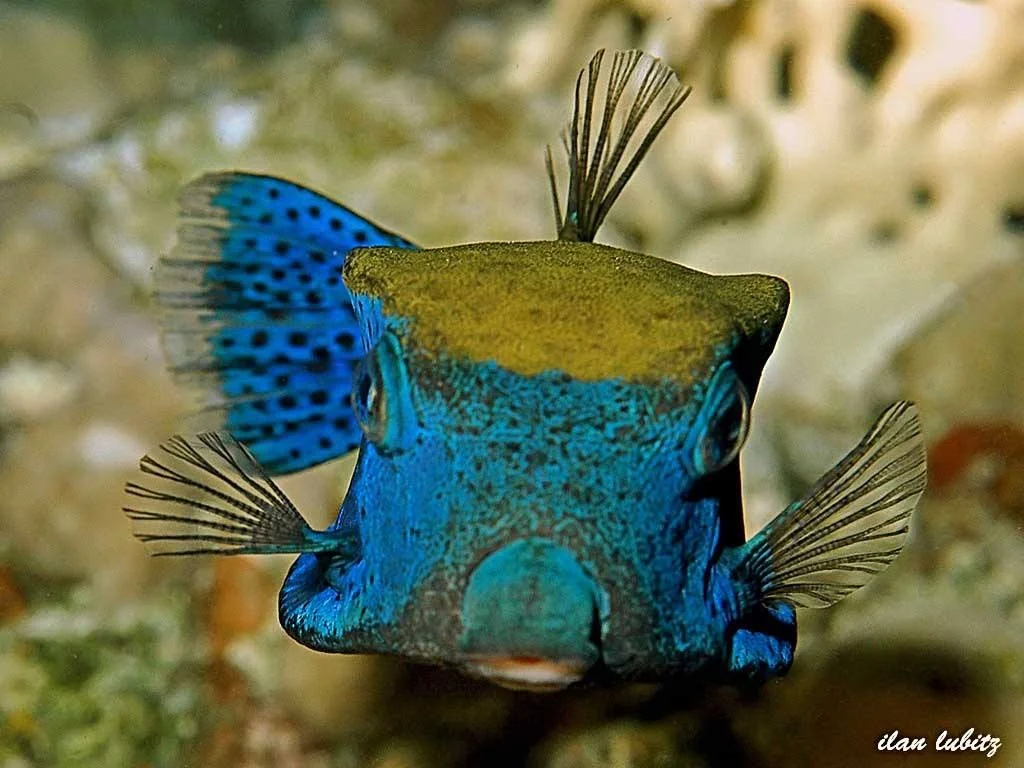
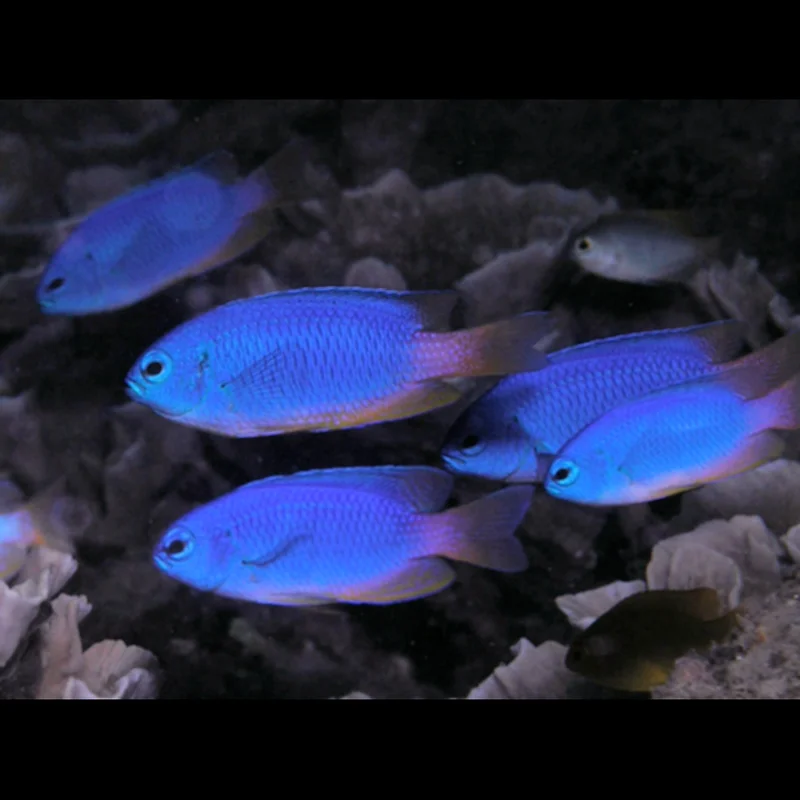
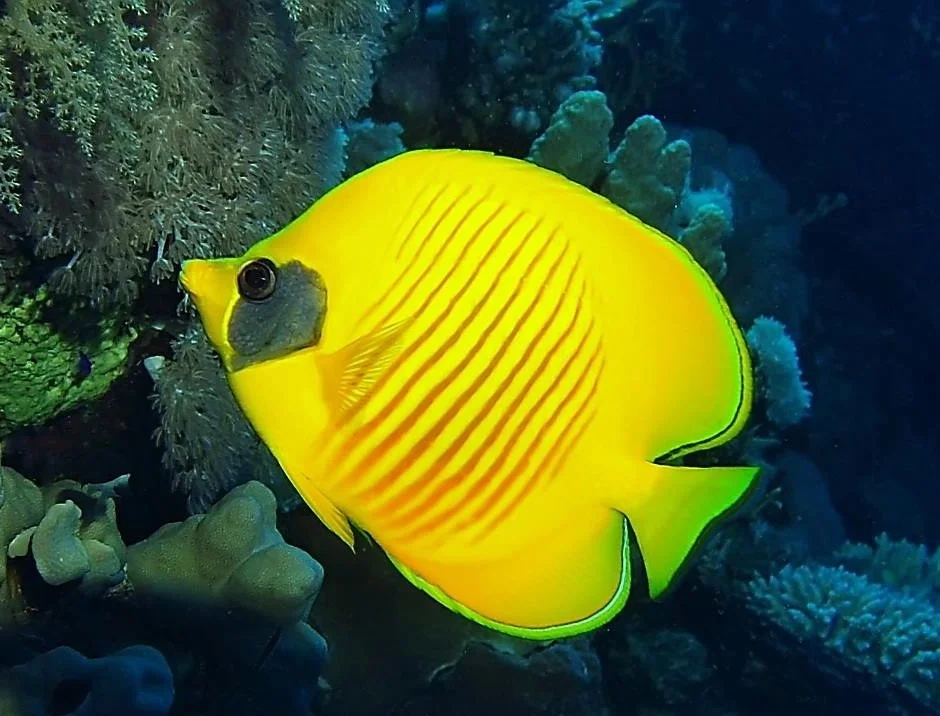
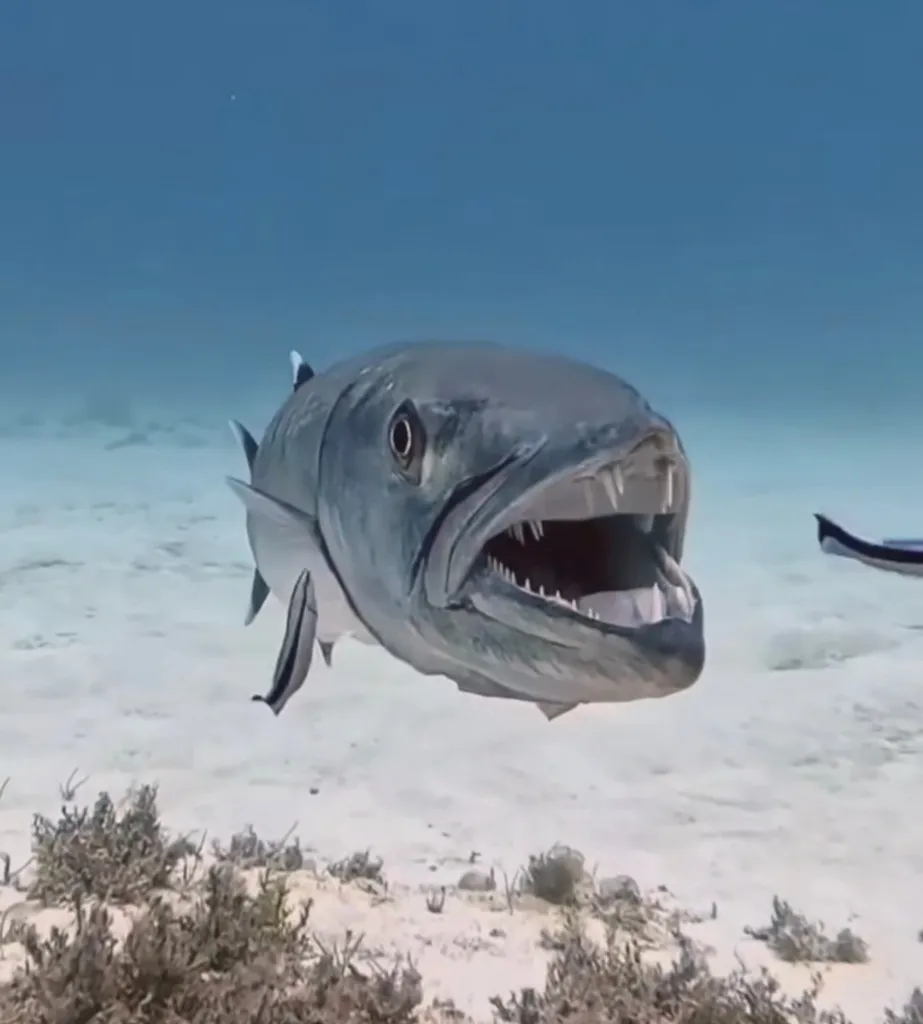
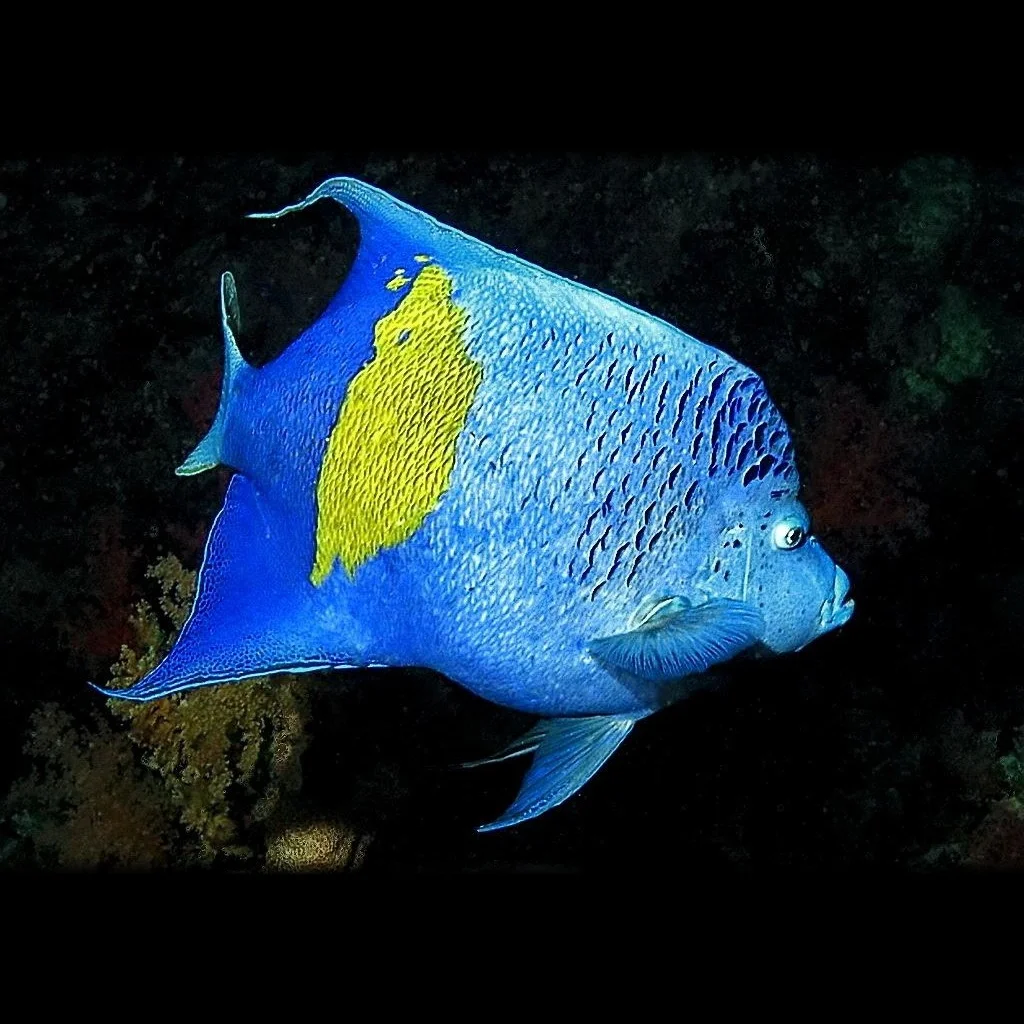
Common sightings across the sites include various grouper species, boxfish, pufferfish, angelfish, butterflyfish, toad fish, pork fish, sheepshead, damselfish, and barracuda, all benefiting from the enhanced habitat.
Dive Sites Near Concrete ' Fish Havens'
View all dive sites in United StatesDiscover more underwater gems in this area.
Dive Centers Near Concrete ' Fish Havens'
Today: 10:00 - 16:00
Nearest Airports
Nearest airports to help plan travel to this dive area.
Search Flights
Check available flights and routes on Expedia, using the nearby airports listed in this section.
Search Flights on ExpediaFrequently Asked Questions
What are the typical depths at these dive sites?
Depths at the Concrete 'Fish Havens' generally range from 9 to 11 m (30 to 37 ft), placing them comfortably within recreational diving limits. These depths allow for extended bottom times and detailed exploration.
What types of structures form the artificial reefs?
The reefs consist of various man-made materials, including concrete culverts, purpose-sunk barges and vessels, steel, and Florida limestone. These diverse structures create a complex and inviting habitat for marine life.
Is a boat necessary to reach the dive sites?
While some SWARA snorkel reefs are accessible from shore, many fish/dive reef sites, especially those situated between two and four miles offshore like Fish Haven #1, #2, and Frangista Reef, require boat access and a GPS device for accurate location.
How clear is the water usually?
Visibility averages around 4.5 m (15 ft), though it can become much clearer during very calm weather conditions. Divers should anticipate natural variations based on recent weather and currents.
What marine life can divers expect to see?
Divers frequently encounter Goliath Groupers and Snook, alongside a variety of reef fish such as angelfish, butterflyfish, damselfish, and barracuda. Invertebrates like blue mussels and oysters also thrive on these structures.
Are there any specific safety requirements for diving these reefs?
Divers must display a diver-down flag as per Florida State Law. Due to rapidly changing sea conditions, staying updated on local weather forecasts and never exceeding your certification limits is crucial for safety.
Planning to dive Concrete ' Fish Havens'?
Send one inquiry and receive offers directly from the best verified local dive operators.
Conditions are Excellent
07:00 - 14:00
Optimal conditions expected
Current conditions near Concrete ' Fish Havens' show 30° air, 30° sea temperature, 0.5 m waves, and 22 km/h wind. Forecast data is refreshed regularly to ensure accuracy.