
Diving at Duck Island Isles of Shoals (United States)
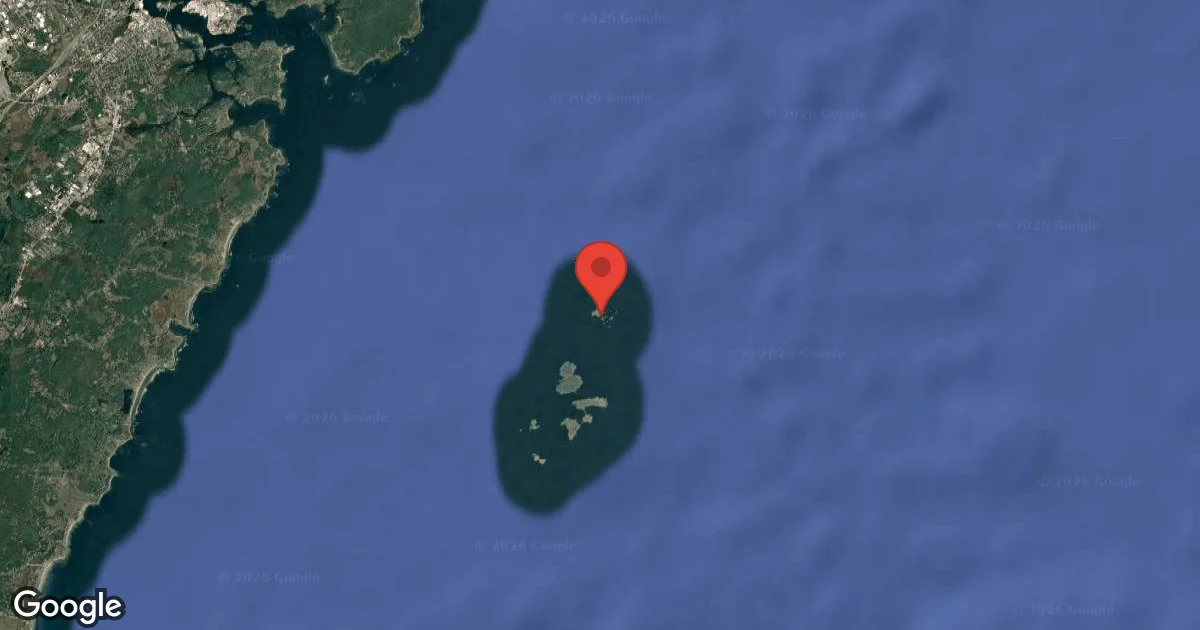
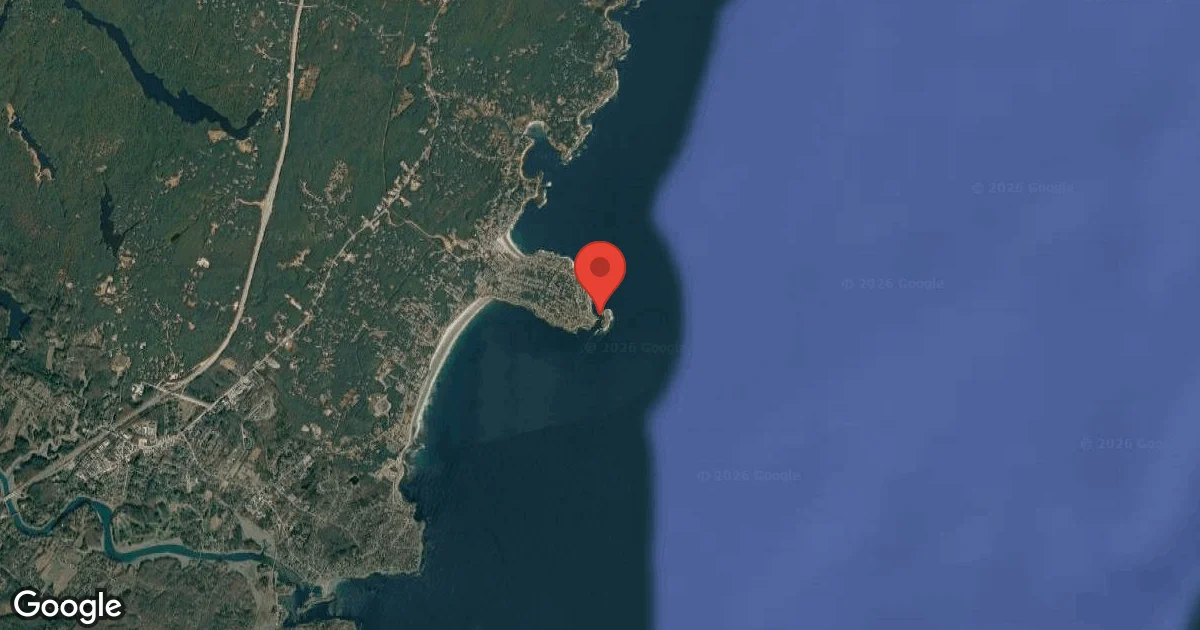
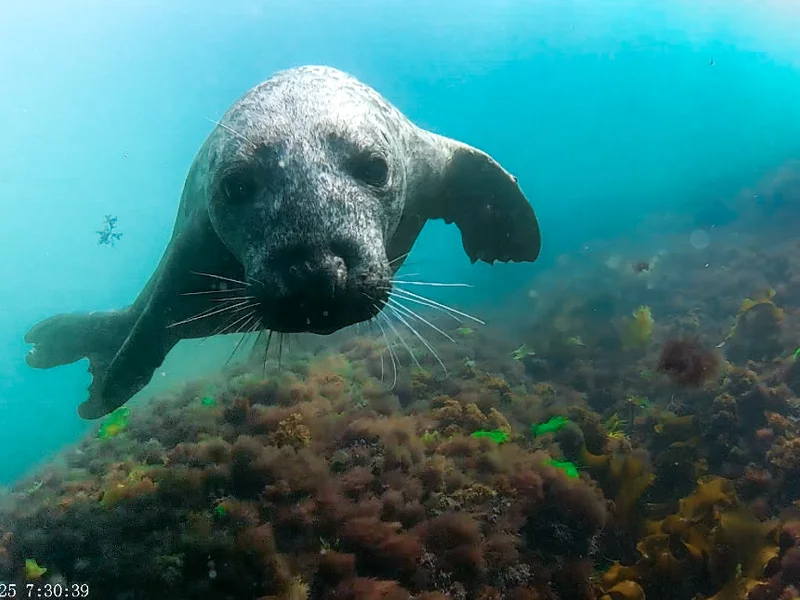
Duck Island, part of the Isles of Shoals, emerges about 8 km (5 miles) off the New Hampshire coast. It is a favored destination for those looking to engage with a thriving grey and harbor seal colony. Divers often observe these playful animals basking on its rocky shores or gliding through the adjacent waters. Primarily, exploration here caters to shallow-water dives, though deeper sections offer a range of experiences.
Tonight's objective overview for Duck Island Isles of Shoals shows an air temperature of 17.5°C. The measured surface conditions include wave heights around 0.5 m. This environmental data is logged for the close of the day.
Dive Site Location & Key Facts
Dive Site Overview
For divers seeking interactions with marine mammals, Duck Island stands out among the Isles of Shoals dive sites. Access to this location necessitates boat travel, with entry possible from various points around the island.
Seabed around the island generally remains quite shallow, often staying above 4.5 m (15 ft). Here, divers can expect to encounter seals in their natural habitat, particularly in protected coves where they frequently rest. A specific area, Mingo Rock, situated on the island's Atlantic-facing side, quickly drops to depths beyond 18 m (60 ft).
An underwater landscape is largely characterized by a beautiful kelp forest; this provides a rich environment for a variety of fish and larger invertebrates like lobsters. Depending on the chosen dive area, experience levels from beginner to advanced are suitable, with Mingo Rock requiring more advanced skills due to its depth and potential for surge.
Conditions are Good
Optimal conditions expected
Current conditions near Duck Island Isles of Shoals show 17° air, 18° sea temperature, 0.8 m waves, and 39 km/h wind. Forecast data is refreshed regularly to ensure accuracy.
Best Time to Dive
Seasonal changes significantly influence diving conditions at Duck Island. The period from May through October generally provides the most favorable opportunities, consistently earning 'Good' dive scores. During these months, average air temperatures range from 11.5°C (53°F) in May to 17.5°C (64°F) in September, peaking around 20°C (68°F) in July and 19°C (66°F) in August. Rainfall is also comparatively low, typically averaging between 1.9 mm (0.07 in) and 3.5 mm (0.14 in) per month. Wave heights tend to be calmer, making boat access and underwater exploration more comfortable. Conversely, winter months present much colder air temperatures, higher winds, and increased wave action, making diving considerably more challenging.
PEAK SEASON SCORE
Scores combine air & water temps, waves, wind & rainfall for overall conditions.
BEST MONTHS TO DIVE
Monthly records compiled from satellite and marine observation nodes over the last 3 years. Data provided by Open-Meteo and MET Norway.
Dive Experience & Conditions
Underwater, the environment delivers an engaging experience, particularly with its resident seal population. Shallow, protected areas around the island are ideal for observing grey and harbor seals. These curious creatures frequently approach divers, especially when entering near their resting spots. Bottom composition consists of rocks adorned with extensive kelp beds, creating a dynamic backdrop for marine life. Visibility varies with local conditions and tidal movements. A diverse topography includes consistently shallow areas and steeper drop-offs near Mingo Rock. Strong tidal currents can occur, especially in 'The Cut' between Duck Island and Shag Rock, impacting a dive's feel.
Dive Difficulty & Safety Guidelines
Navigating Duck Island requires careful planning, as boat access is the sole means of reaching the site. Divers should coordinate with local charters to ensure safe transportation. Mingo Rock, with its rapid depth increase and potential for heavy surge, is specifically recommended for advanced divers only.
Novice divers should restrict their exploration to the shallower, more protected areas of the island. Strong tidal currents can be a factor, particularly in specific channels like 'The Cut', necessitating awareness and appropriate dive planning to manage potential drift. No general restrictions are mentioned for the site beyond these experience-based recommendations.
Recommended Equipment
- Dive Computer
- DSMB
This gear list is based on verified equipment signals for Duck Island Isles of Shoals, United States. Always confirm final gear choices with your dive operator, guide, or liveaboard.
Recommended Dive Suit
For many recreational divers, 5mm wetsuit provides a practical level of insulation in these conditions. Divers who tend to get cold easily may prefer slightly thicker exposure protection.
Conditions at Duck Island Isles of Shoals currently place the water temperature near 18°C (65°F). Surface air temperatures are resting at 17°C (63°F).
Current forecasts indicate relatively stable conditions for the coming days.
Emergency & Medical Support
Essential information to help you plan your dive trip to Duck Island Isles of Shoals.

Hyperbaric chambers are a critical part of dive safety infrastructure. Availability varies significantly by region, and not all dive areas have immediate access.
Before diving, it's recommended to:
- confirm nearest medical facilities
- check emergency procedures with local dive operators
- ensure dive insurance covers evacuation if required
Divers Alert Network
Diving emergency assistance available through DAN World.
+1-919-684-9111- 24/7 emergency hotline
- Diving medical assistance
- Evacuation coordination
Emergency contacts are provided for reference. Always verify local emergency services before diving.
Marine Life at Duck Island Isles of Shoals
A vibrant marine ecosystem at Duck Island centers prominently on its year-round colony of grey and harbor seals. These charismatic animals are a major draw, often interacting playfully with divers in shallow, protected coves.
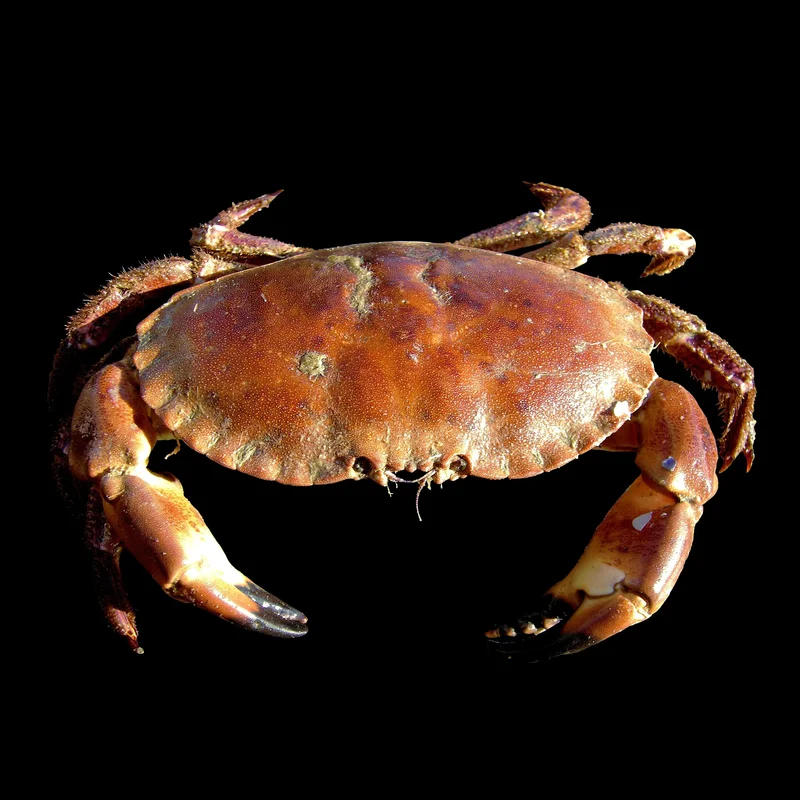
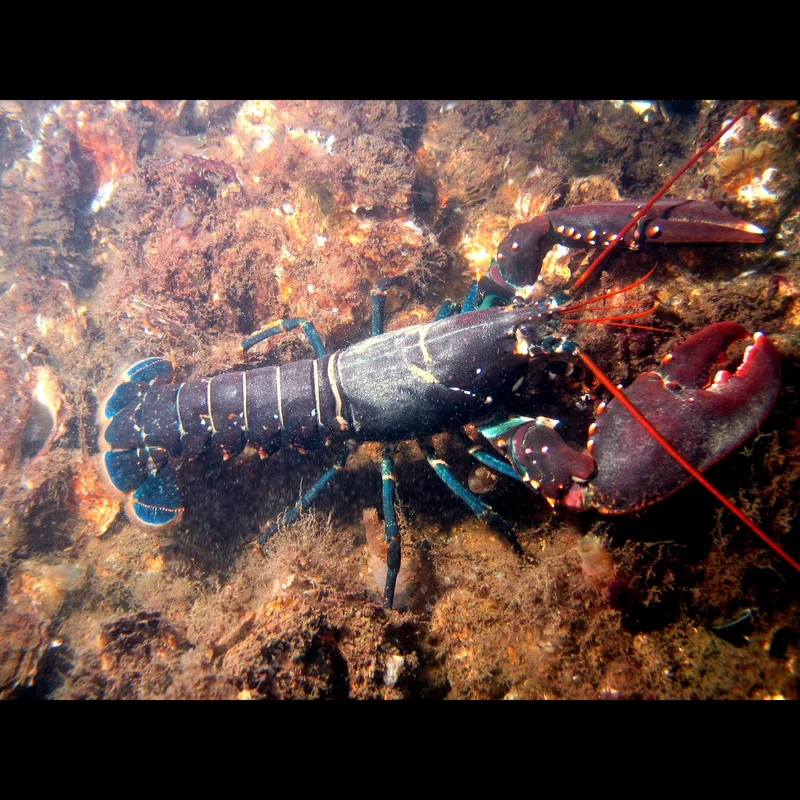
Beyond the seals, the kelp-covered seabed reveals a rich variety of life. Divers commonly spot sizable lobsters, crabs, and numerous starfish.
Various fish species inhabit the kelp forests, creating a lively underwater spectacle. Abundant marine flora provides a robust habitat, making every dive a discovery of local biodiversity.

Dive Sites Near Duck Island Isles of Shoals
View all dive sites in United StatesDiscover more underwater gems in this area.
Dive Centers Near Duck Island Isles of Shoals
Nearest Airports
Nearest airports to help plan travel to this dive area.
Search Flights
Check available flights and routes on Expedia, using the nearby airports listed in this section.
Search Flights on Expedia
Plan Your Stay
Looking for a place to stay for your dive trip? Explore hotels, stays, and vacation rentals for dive groups near New Castle.
Dive Navigator may earn a commission from these links at no extra cost to you.
Frequently Asked Questions
Is boat access required to dive at Duck Island?
Yes, Duck Island is part of the Isles of Shoals, located offshore. All diving at this site requires boat transportation and entry directly from the boat.
What are the typical depths at Duck Island?
Shallow areas surrounding Duck Island typically remain above 4.5 m (15 ft). Near Mingo Rock on the open Atlantic side, however, the bottom drops quickly to depths beyond 18 m (60 ft).
What kind of marine life can I expect to see?
Duck Island is well-known for its resident colony of grey and harbor seals, which often interact with divers. You'll also encounter lobsters, crabs, starfish, and various fish species amidst the kelp forests.
Are there strong currents at this dive site?
Strong tidal currents can affect certain areas, notably in 'The Cut' between Duck Island and Shag Rock. Divers should be prepared for potential drift and plan their dives accordingly.
Is Duck Island suitable for beginner divers?
Beginner divers can enjoy the shallower, protected areas of Duck Island. However, deeper sections like Mingo Rock are better suited for advanced divers due to rapid depth changes and potential surge.
What are the water temperatures like?
Water temperatures are not consistently reported in the available data. However, given the regional climate, a drysuit or thick wetsuit with thermal accessories is generally recommended for comfort throughout the dive season.
Planning to dive Duck Island Isles of Shoals?
Send one inquiry and receive offers directly from the best verified local dive operators.
Conditions are Good
Optimal conditions expected
Current conditions near Duck Island Isles of Shoals show 17° air, 18° sea temperature, 0.8 m waves, and 39 km/h wind. Forecast data is refreshed regularly to ensure accuracy.