
Diving at Fort Stark (United States)
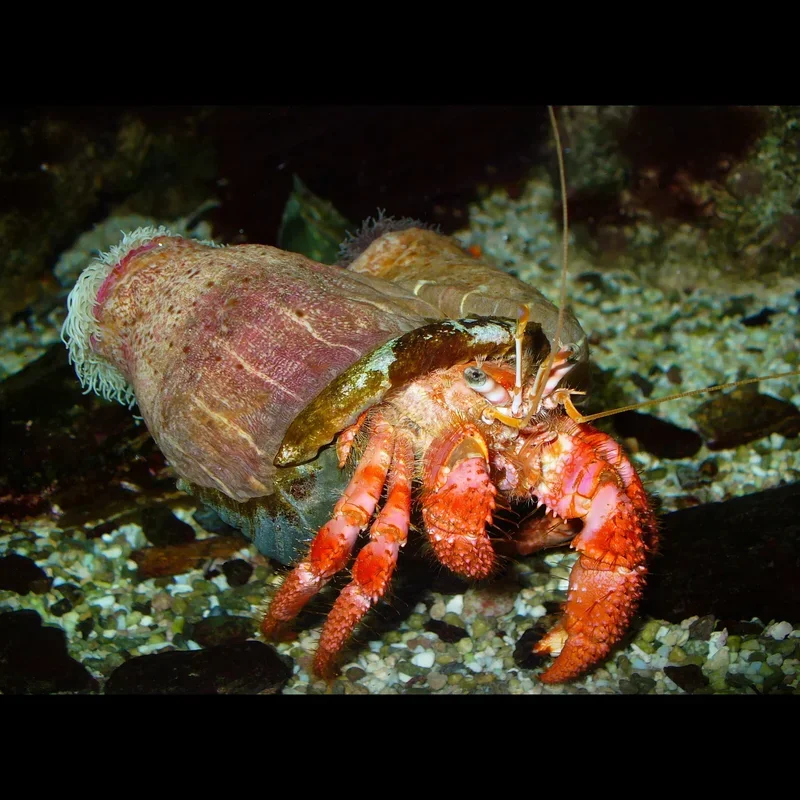
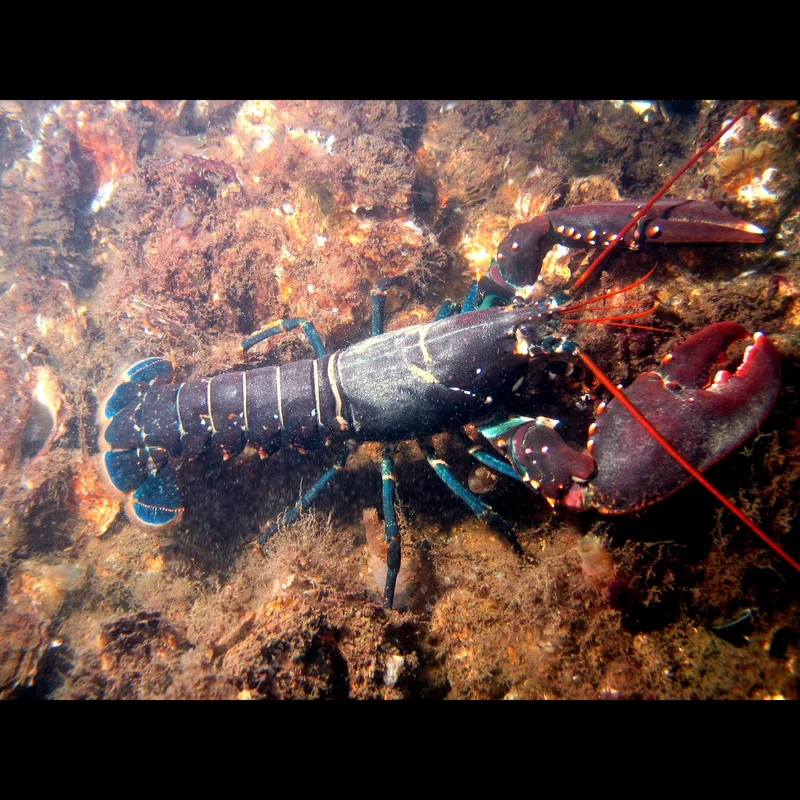
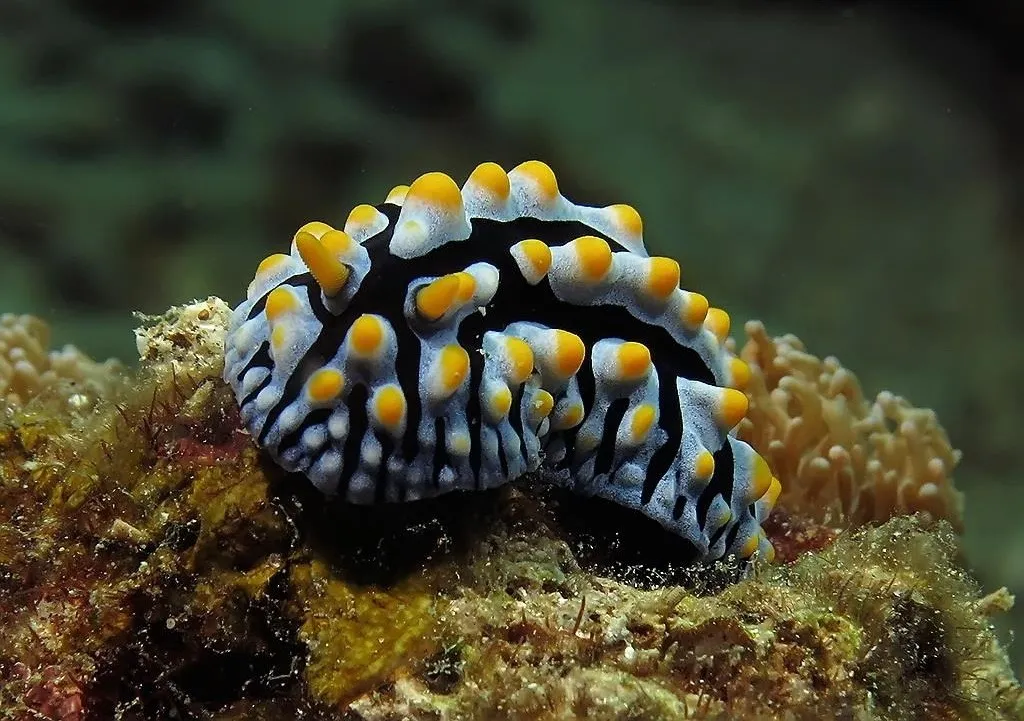
Encountering marine life at Fort Stark begins immediately upon entry, where the rocky shore quickly reveals common periwinkles and blue crabs among thick rockweed. As you explore slightly deeper, lobsters and hermit crabs populate kelp beds, creating a dynamic habitat. During spring, divers might even spot elusive lumpfish, while winter brings nudibranchs to the scene. Fort Stark offers a tangible sense of discovery right from the shallows.
As evening covers Fort Stark, the local air temperature is measured at 17.5°C. The current wave height at the surface is recorded at 0.6 m. These late-day readings characterize the surface conditions for the night.
Dive Site Location & Key Facts
Dive Site Overview
Initiating a dive at Fort Stark serves as an excellent introduction to New England's underwater environment. Entering from the boulder beach, often easiest at high tide, divers find themselves amidst rocks heavily adorned with rockweed.
Exploring these initial rocky formations consistently yields sightings of common periwinkles, blue crabs, and flounders. Venturing further, the terrain transitions into a small wall and scattered boulders, now densely covered with kelp. This particular habitat is a reliable spot to observe lobsters and hermit crabs navigating their surroundings.
Divers who descend a bit further, perhaps to about 4.5 m (15 ft), will discover extensive eelgrass beds, which are vibrant with diverse aquatic life. The site generally remains shallow, with a maximum recommended depth typically around 7 m (25 ft), though accessing deeper areas requires swimming out into the channel.
Weather Error: fetch failed
Best Time to Dive
Planning your dive around optimal visibility and comfortable surface conditions is key at Fort Stark. The months from May through September consistently show higher dive scores, benefiting from milder air temperatures, which average between 13.5°C (56°F) and 23°C (73°F). This period also typically sees lower wave heights and less rainfall, contributing to a more pleasant experience both above and below the surface. While the site can be explored year-round, diving at high tide is generally preferred, as low tide conditions can render sections almost too shallow. Springtime offers a chance to spot unique marine life like lumpfish, whereas the colder winter months provide opportunities to observe nudibranchs congregating.
PEAK SEASON SCORE
Scores combine air & water temps, waves, wind & rainfall for overall conditions.
BEST MONTHS TO DIVE
Monthly records compiled from satellite and marine observation nodes over the last 3 years. Data provided by Open-Meteo and MET Norway.
Dive Experience & Conditions
Stepping into the waters at Fort Stark, divers immediately notice the dense rockweed blanketing the initial rocky shore. While visibility can vary depending on recent weather and currents, it's often described as moderate, suitable for beachcombing and close observation. Currents are generally minimal, making it an accessible spot, particularly for new divers. The seabed predominantly features small boulders adorned with kelp and rockweed, transitioning into significant eelgrass patches at slightly deeper recreational depths, around 12 m (40 ft). Expect cool water temperatures characteristic of New England, requiring appropriate thermal protection.
Dive Difficulty & Safety Guidelines
Approaching Fort Stark requires careful consideration of tidal conditions; while diveable at all tides, high tide offers the most comfortable entry and ample depth. During the descent, divers should remain mindful of the shallow nature of the site, as depths can be as little as 7 m (25 ft). If planning to access the jetty area for entry or deeper channel exploration, be prepared for a substantial walk with gear, especially if targeting a giant stride entry.
Boat traffic, particularly during warmer months, warrants deploying a dive flag. Staying aware of your surroundings and securing personal items on shore helps ensure a safe and enjoyable outing.
Recommended Equipment
- Dive Computer
- Hard-soled Dive Boots
This gear list is based on verified equipment signals for Fort Stark, United States. Always confirm final gear choices with your dive operator, guide, or liveaboard.
Recommended Dive Suit
Experienced divers often bring flexible gear options.
Divers exploring Fort Stark today will likely encounter water temperatures close to 18°C (65°F). Surface air temperatures are resting at 18°C (64°F). Divers who spend longer periods underwater often choose 5mm wetsuit.
Environmental conditions may feel slightly cooler as the week progresses. Cooler days are ahead; you might want a warmer option for later in the week. A thicker wetsuit may be worth considering for extended dives.
Emergency & Medical Support
Essential information to help you plan your dive trip to Fort Stark.

Hyperbaric chambers are a critical part of dive safety infrastructure. Availability varies significantly by region, and not all dive areas have immediate access.
Before diving, it's recommended to:
- confirm nearest medical facilities
- check emergency procedures with local dive operators
- ensure dive insurance covers evacuation if required
Divers Alert Network
Diving emergency assistance available through DAN World.
+1-919-684-9111- 24/7 emergency hotline
- Diving medical assistance
- Evacuation coordination
Emergency contacts are provided for reference. Always verify local emergency services before diving.
Marine Life at Fort Stark
Entering the water at Fort Stark, you're immediately greeted by hundreds of common periwinkles and small blue crabs nestled within the rockweed. Flounders are often spotted camouflaged against the bottom in these shallower zones.
As you progress into areas with more kelp and boulders, lobsters and hermit crabs become more prevalent, actively foraging. Keep an eye out for lumpfish during the spring, which are known to inhabit these kelp forests.
During the colder winter months, divers can also find various nudibranch species along the walls and boulders, adding delicate color to the environment.
Dive Sites Near Fort Stark
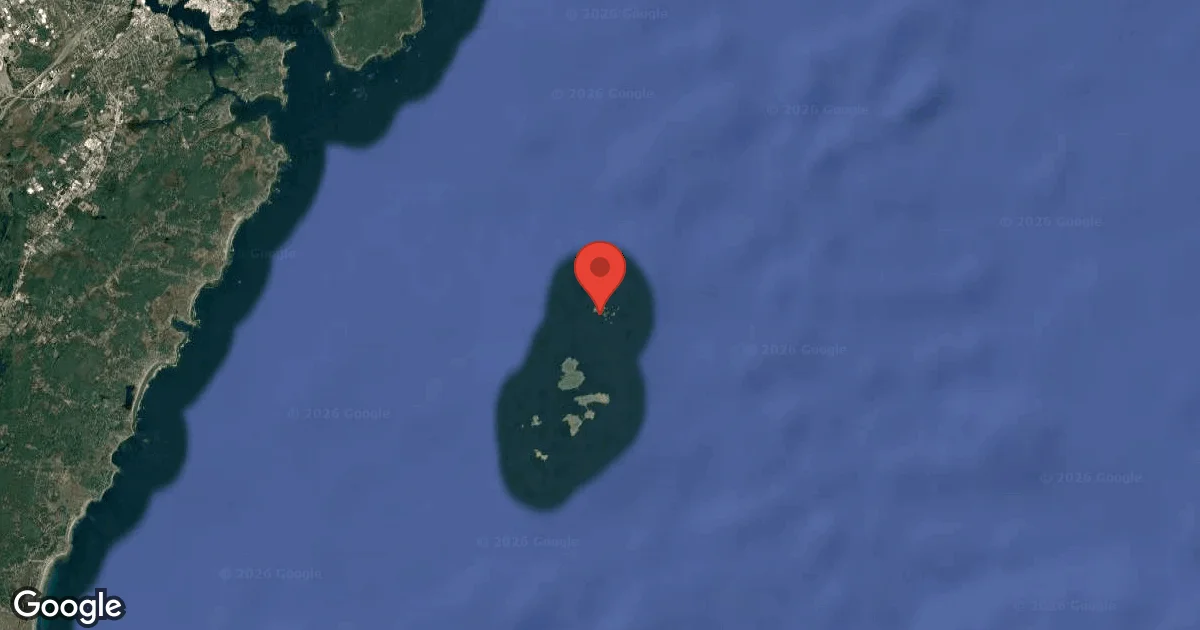
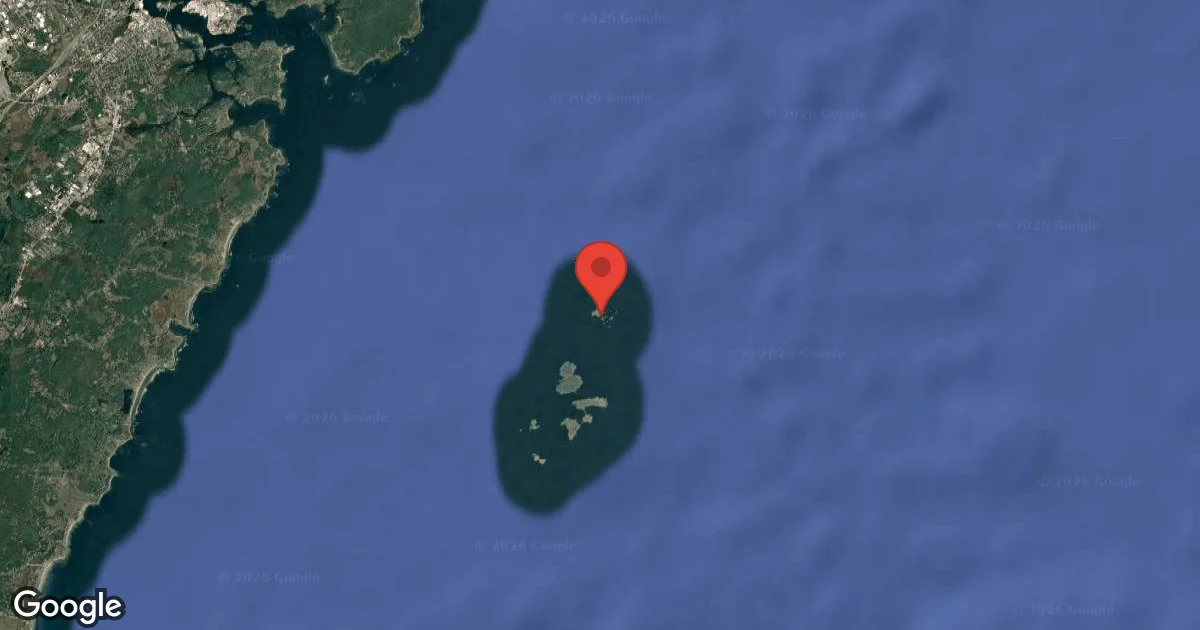
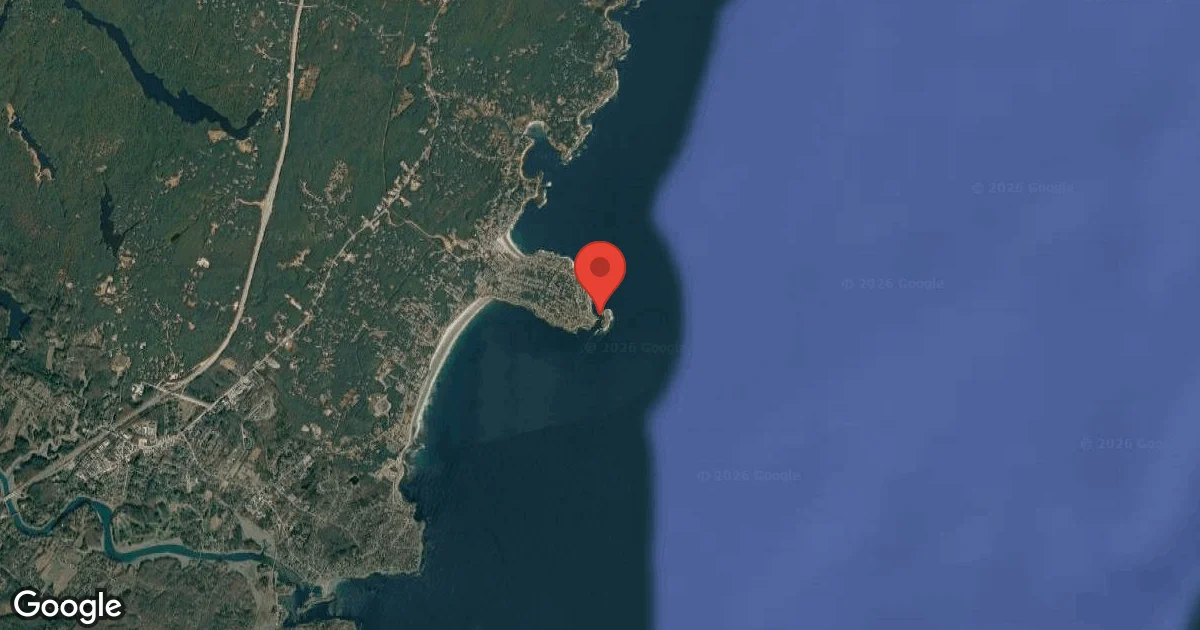
View all dive sites in United StatesDiscover more underwater gems in this area.
Dive Centers Near Fort Stark
Nearest Airports
Nearest airports to help plan travel to this dive area.
Search Flights
Check available flights and routes on Expedia, using the nearby airports listed in this section.
Search Flights on Expedia
Plan Your Stay
Looking for a place to stay for your dive trip? Explore hotels, stays, and vacation rentals for dive groups near New Castle.
Dive Navigator may earn a commission from these links at no extra cost to you.
Frequently Asked Questions
What is the typical maximum depth at Fort Stark?
The site generally offers a shallow dive experience, with the best depths ranging from 4.5 to 7 m (15 to 25 ft). For divers seeking greater depths, it's necessary to surface swim further out into the main channel.
Is Fort Stark suitable for new divers?
Absolutely, it's considered an excellent introductory dive for new divers. The site experiences little current and maintains relatively shallow depths, making it a manageable environment for those gaining experience.
What kind of marine life can I expect to see?
Divers often encounter common periwinkles, blue crabs, and flounders in the rockweed sections. Deeper areas reveal lobsters, hermit crabs, and often lumpfish during spring, with nudibranchs appearing in winter.
When is the best time of day to dive Fort Stark?
Diving at high tide is highly recommended. While the site can be dived at all tides, low tide conditions can make certain sections almost too shallow for comfortable exploration.
Are there strong currents at Fort Stark?
No, the site is known for having minimal current, which contributes to its reputation as a good spot for new divers. However, conditions can vary depending on external factors like weather.
What are the entry points like at Fort Stark?
Divers typically enter from the boulder beach on the northeast side of the peninsula. Alternatively, a giant stride entry is possible from the end of the jetty, though reaching the jetty requires a substantial walk with gear.