
Diving at East Lap Reefballs (United States)
Successfully navigating an artificial reef system like East Lap Reefballs presents a rewarding challenge, distinct from natural formations. Divers here must adapt to structures engineered for marine growth, understanding how currents interact with these placements. It's about recognizing the purpose-built environment and how it attracts and sustains a diverse ecosystem. Mastering these sites means embracing a different kind of underwater exploration.
Tonight's objective overview for East Lap Reefballs shows an air temperature of 28°C. The measured surface conditions include wave heights around 1.3 m. This environmental data is logged for the close of the day.
Dive Site Location & Key Facts
Dive Site Overview
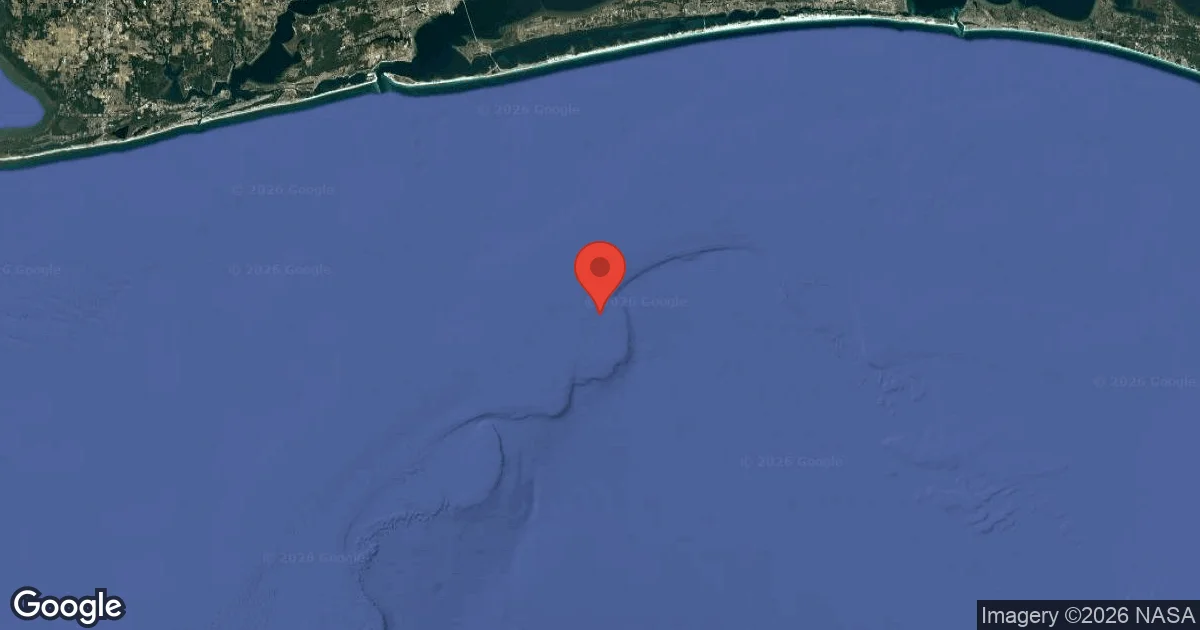
Exploring East Lap Reefballs invites divers to engage with one of Southeast Florida's extensive artificial reef developments. This site forms part of a robust program to create new marine habitats using concrete reef modules, often referred to as reefballs.
These structures typically rest within recreational diving depths, creating an environment that supports burgeoning marine communities. It offers a structured dive experience, contrasting with the region's natural reef tracts and providing an organized layout for exploration. Positioned off the Greater Fort Lauderdale coast, East Lap Reefballs benefits from the periodic influence of the Gulf Stream current.
This brings clear, warm water, enhancing visibility and fostering a healthy ecosystem. As a vital aggregation point for various species, the reefballs support both ecological restoration and recreational diving.
Marine life quickly colonizes these formations, establishing new feeding grounds and shelters. It's a testament to the region's commitment to expanding underwater exploration options beyond natural coral formations, providing easily accessible opportunities for divers to observe developing marine life.
Conditions are Excellent
07:00 - 14:00
Optimal conditions expected
Current conditions near East Lap Reefballs show 28° air, 30° sea temperature, 0.5 m waves, and 17 km/h wind. Forecast data is refreshed regularly to ensure accuracy.
Best Time to Dive
Diving at East Lap Reefballs presents a notable shift between seasons, offering a clear contrast for planning. From May through September, conditions are generally rated as 'Good,' with average air temperatures peaking around 29°C (84°F) in August. Rainfall is typically moderate during these months, ranging from 3.6 to 5.3 mm, with calmer seas and lower wind speeds. July, for instance, shows average wave heights of just 0.7 m (2.3 ft) and winds around 22.9 km/h (14.2 mph). Conversely, the period from October to April is often categorized as 'Moderate' for diving. Air temperatures cool significantly, dropping to an average of 13.5°C (56°F) in January. During these months, both wave heights and wind speeds tend to increase; January averages 1.3 m (4.3 ft) waves and winds of nearly 36 km/h (22.4 mph). Rainfall remains relatively consistent throughout the year, but the cooler air and rougher surface conditions during the winter months can make boat rides and surface intervals less comfortable.
PEAK SEASON SCORE
Scores combine air & water temps, waves, wind & rainfall for overall conditions.
BEST MONTHS TO DIVE
Monthly records compiled from satellite and marine observation nodes over the last 3 years. Data provided by Open-Meteo and MET Norway.
Dive Experience & Conditions
Descending upon East Lap Reefballs, divers will encounter a deliberate arrangement of artificial structures, designed to mimic natural reef complexities. The site's conditions are dynamic, particularly with the prevailing currents that run parallel to the shoreline, making drift diving a common and often preferred method of exploration here. Water temperatures vary depending on Gulf Stream proximity and seasonal influences, but are generally warm, particularly during summer and fall months. Visibility, while not consistently reported, frequently benefits from the clear waters brought by the Gulf Stream, often extending well beyond 15 m (50 ft). Exploring the reefballs themselves feels like navigating an underwater garden of concrete, with nooks and crannies inviting close inspection. These structures are meant to be robust, offering stable surfaces for marine growth.
Dive Difficulty & Safety Guidelines
Diving East Lap Reefballs requires adherence to specific safety protocols, particularly given its nature as an artificial reef and the prevalence of currents. Divers should always be mindful of boat traffic, especially when surfacing, and deploy a surface marker buoy. Given the potential for strong, parallel currents, practicing drift diving techniques is essential; staying close to dive buddies and maintaining excellent buoyancy control helps prevent rapid separation.
Familiarity with local conditions and consulting with dive operators before entering the water can mitigate unexpected challenges. While entanglement hazards are not specifically reported for this site, general caution around artificial structures is always advisable.
Don't touch or disturb marine life or the reef structures. Ensure your equipment is properly secured to avoid snagging.
Always plan dives within no-decompression limits, particularly in areas where currents might prolong a dive. Having an audible signaling device is also a prudent safety measure.
Recommended Equipment
- Dive Computer
This gear list is based on verified equipment signals for East Lap Reefballs, United States. Always confirm final gear choices with your dive operator, guide, or liveaboard.
Recommended Dive Suit
Water temperatures at East Lap Reefballs are currently estimated to be around 30°C (87°F), shaping the overall diving conditions for today. Surface air temperatures are resting at 28°C (83°F).
For the majority of recreational dives here, dive skin or rash guard should provide suitable protection. Consider warmer surface protection (like a boat coat) due to brisk winds.
Weather models currently point toward consistent diving conditions over the next several days.
Due to technical issues with our weather providers, data hasn't been fetched for over 48 hours. The data above reflects the conditions at the time of the last successful fetch.
Emergency & Medical Support
Essential information to help you plan your dive trip to East Lap Reefballs.

Hyperbaric chambers are a critical part of dive safety infrastructure. Availability varies significantly by region, and not all dive areas have immediate access.
Before diving, it's recommended to:
- confirm nearest medical facilities
- check emergency procedures with local dive operators
- ensure dive insurance covers evacuation if required
Divers Alert Network
Diving emergency assistance available through DAN World.
+1-919-684-9111- 24/7 emergency hotline
- Diving medical assistance
- Evacuation coordination
Emergency contacts are provided for reference. Always verify local emergency services before diving.
Marine Life at East Lap Reefballs
East Lap Reefballs functions as a significant underwater landscape, actively fostering marine biodiversity within a purpose-built environment. These artificial structures rapidly become vibrant underwater cities, attracting a variety of reef fish and invertebrates that seek shelter and foraging opportunities.
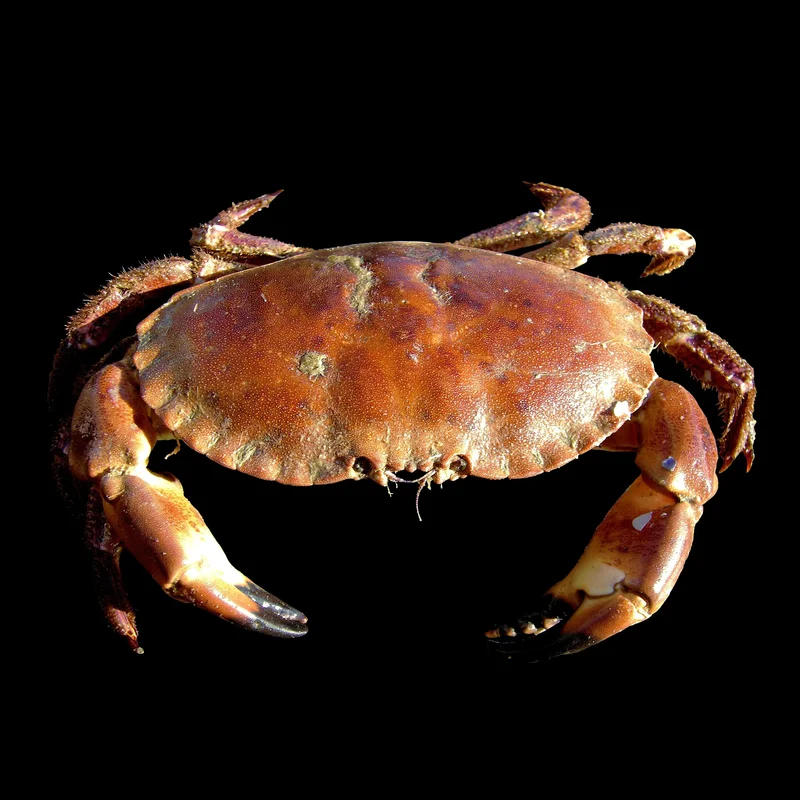
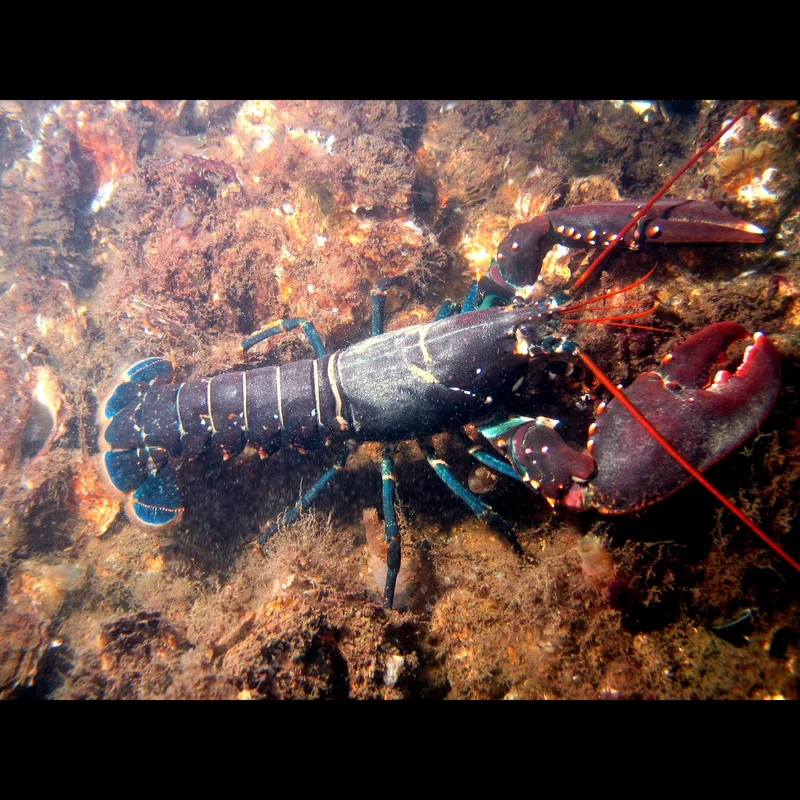
Divers can anticipate observing a developing ecosystem where schooling fish often congregate around the reefballs, using them for protection. Lobsters, crabs, and various small reef creatures find homes within the nooks and crannies of the concrete modules.
This site provides an interesting observation point for the process of marine colonization and habitat creation.
Dive Sites Near East Lap Reefballs
View all dive sites in United StatesDiscover more underwater gems in this area.
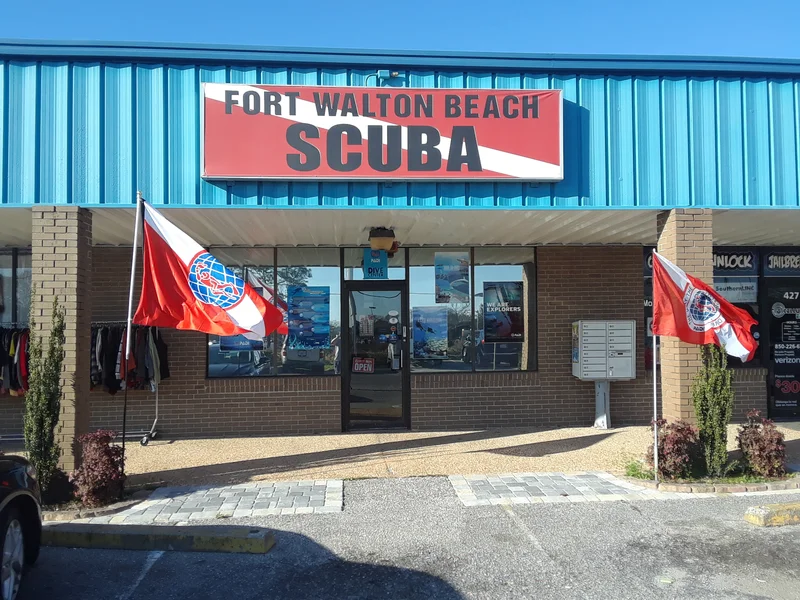
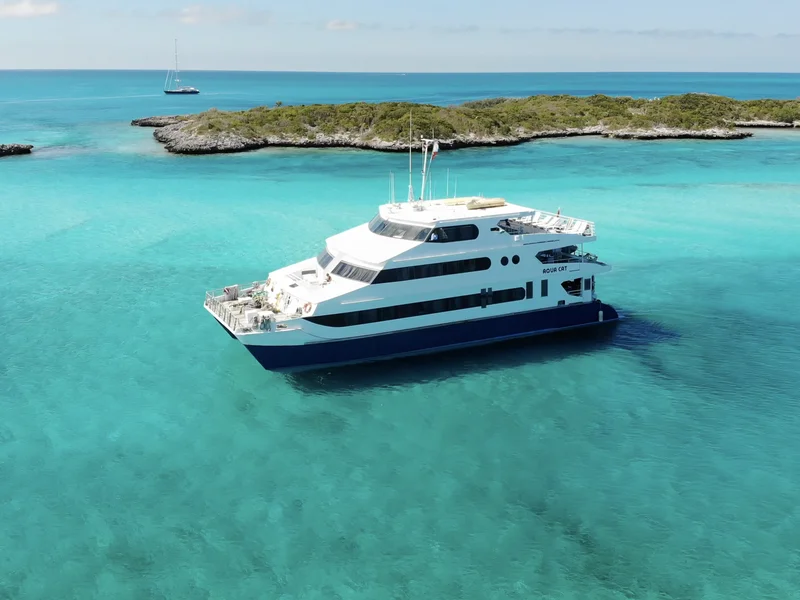
Dive Centers Near East Lap Reefballs
Today: 10:00 - 18:00
Nearest Airports
Nearest airports to help plan travel to this dive area.
Search Flights
Check available flights and routes on Expedia, using the nearby airports listed in this section.
Search Flights on ExpediaFrequently Asked Questions
What kind of dive site is East Lap Reefballs?
East Lap Reefballs is an artificial reef site composed of concrete reef modules. It's part of a program designed to create new marine habitats and enhance biodiversity off the coast of Southeast Florida.
What are the typical depths at East Lap Reefballs?
The structures at East Lap Reefballs are typically found within recreational diving depths. Exact depths can vary, but these sites generally offer accessible diving opportunities for a range of certified divers.
Are there strong currents at this site?
Yes, prevailing currents often run parallel to the shoreline in this region. Drift diving is a common practice at East Lap Reefballs, allowing divers to cover more ground with the current.
What kind of marine life can I expect to see?
Artificial reefs like East Lap Reefballs attract various reef fish, invertebrates, and crustaceans. These structures provide essential habitat, leading to observations of schooling fish, lobsters, and other smaller reef residents.
What's the best season to dive East Lap Reefballs?
The period from May through September is generally considered 'Good' for diving, offering warmer air temperatures, calmer seas, and lower wind speeds. Conversely, the 'Moderate' season, from October to April, features cooler air and potentially rougher conditions.
Is drift diving mandatory here?
Drift diving is a common and often recommended approach due to the currents. While not strictly mandatory, it allows for a more extensive exploration of the reef and is facilitated by local dive operators.
What is the typical water temperature?
Water temperatures at East Lap Reefballs are generally warm, influenced by the Gulf Stream, especially during the summer and fall months. Specific monthly temperatures are not consistently reported but expect comfortable conditions during peak dive season.
Planning to dive East Lap Reefballs?
Send one inquiry and receive offers directly from the best verified local dive operators.
Conditions are Excellent
07:00 - 14:00
Optimal conditions expected
Current conditions near East Lap Reefballs show 28° air, 30° sea temperature, 0.5 m waves, and 17 km/h wind. Forecast data is refreshed regularly to ensure accuracy.