
Diving at ESERS548 (United States)
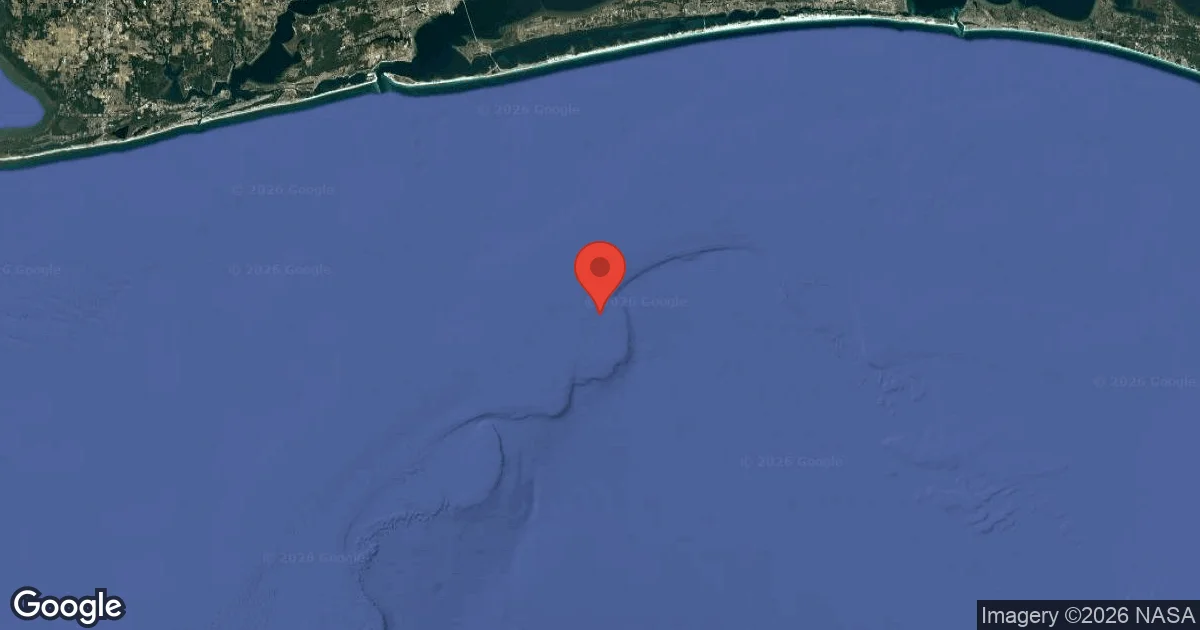
USS Oriskany, affectionately known as the "Mighty O" or "Great Carrier Reef," stands as the world's largest artificial reef and one of only three divable aircraft carriers globally. A 277-meter (911-foot) veteran of two wars, this vessel now serves as an immense underwater ecosystem 22 miles south of Pensacola, Florida. Its sheer scale and preserved structure offer an unparalleled wreck diving experience.
Tonight's objective overview for ESERS548 shows an air temperature of 29°C. The measured surface conditions include wave heights around 0.8 m. This environmental data is logged for the close of the day.
Dive Site Location & Key Facts
Dive Site Overview
Initially an Essex-class U.S. Navy aircraft carrier launched in 1945, USS Oriskany actively served during the Korean and Vietnam wars. After 26 years of service, it was purposely sunk in May 2006 as part of an artificial reef pilot program in the Gulf of Mexico.
Extensive preparation, including removing insulation and wiring to mitigate entanglement risks, ensured its suitability for divers. Wreck settled upright on its keel at 67 meters (220 feet) of water, creating a vast and complex dive site. Its control tower, often called "the Island," begins at 25 meters (80 feet), making upper sections accessible to recreational divers.
Below this, the flight deck lies at approximately 44 meters (145 feet). Many areas beneath this deck require advanced or technical certifications due to significant depth.
Its immense size means regional operators have developed specialized dive plans, treating it akin to a bottomless wall dive; proper training and equipment are emphasized before exploring deeper sections.
Conditions are Excellent
07:00 - 14:00
Optimal conditions expected
Current conditions near ESERS548 show 29° air, 30° sea temperature, 0.5 m waves, and 22 km/h wind. Forecast data is refreshed regularly to ensure accuracy.
Best Time to Dive
Conditions for diving USS Oriskany are often most rewarding during months with stable patterns, generally from late spring through early autumn. Months like May through October consistently show "Good" dive scores in climate data. During these periods, average air temperatures range from 24.5-29°C (76-84°F), contributing to comfortable surface intervals. Wave heights typically measure less than 1 meter (3 feet); wind speeds are generally lower, leading to calmer surface conditions and potentially clearer visibility. While rain occurs throughout the year, these months tend to have moderate rain levels. February and November also offer "Good" scores, though with cooler air temperatures, around 15.5-20°C (60-68°F), requiring suitable surface gear. Calmer periods enhance the overall experience, especially when navigating a massive wreck.
PEAK SEASON SCORE
Scores combine air & water temps, waves, wind & rainfall for overall conditions.
BEST MONTHS TO DIVE
Monthly records compiled from satellite and marine observation nodes over the last 3 years. Data provided by Open-Meteo and MET Norway.
Dive Experience & Conditions
Descending upon the Oriskany feels like encountering a submerged metropolis; sheer size often evokes awe in first-time divers. Control tower, an iconic structure, materializes from the blue water, serving as a primary orientation point. Visibility, often between 18 to 30 meters (60 to 100 feet), can allow much of the superstructure to be seen at once, aiding navigation but also making it easy to inadvertently exceed planned depths. Navy's preparation included welding many doorways open and cutting additional egress points into the superstructure rooms, creating numerous swim-throughs for exploration. While the sight is breathtaking, managing depth and air consumption becomes a key challenge for recreational divers due to the constant temptation to explore further. Staying within the superstructure is a common recommendation, simplifying navigation within this colossal artificial reef.
Dive Difficulty & Safety Guidelines
Diving the USS Oriskany demands a high level of diver skill and adherence to established protocols. Because of the wreck's immense scale and depths, specialized dive plans are crucial, with operators often treating it like a deep wall dive. Recreational divers should focus on exploring shallower sections, primarily the control tower, and generally avoid leaving the main superstructure for easier navigation.
Proper training, such as PADI Advanced Open Water Diver, Deep Diver, Wreck Diver, and Enriched Air Diver certifications, is highly recommended to safely explore this site. Gas management is imperative, particularly when considering the flight deck, which already pushes recreational depth limits.
Sections below this maximum depth are strictly reserved for appropriately trained and equipped technical divers.
Recommended Equipment
- Dive Computer
This gear list is based on verified equipment signals for ESERS548, United States. Always confirm final gear choices with your dive operator, guide, or liveaboard.
Recommended Dive Suit
For many recreational divers, dive skin or rash guard provides a practical level of insulation in these conditions. Consider warmer surface protection (like a boat coat) due to brisk winds. Divers who tend to get cold easily may prefer slightly thicker exposure protection.
Conditions at ESERS548 currently place the water temperature near 30°C (86°F). Surface air temperatures are resting at 29°C (84°F).
Current forecasts indicate relatively stable conditions for the coming days.
Emergency & Medical Support
Essential information to help you plan your dive trip to ESERS548.

Hyperbaric chambers are a critical part of dive safety infrastructure. Availability varies significantly by region, and not all dive areas have immediate access.
Before diving, it's recommended to:
- confirm nearest medical facilities
- check emergency procedures with local dive operators
- ensure dive insurance covers evacuation if required
Divers Alert Network
Diving emergency assistance available through DAN World.
+1-919-684-9111- 24/7 emergency hotline
- Diving medical assistance
- Evacuation coordination
Emergency contacts are provided for reference. Always verify local emergency services before diving.
Marine Life at ESERS548
USS Oriskany quickly transformed into a vibrant marine ecosystem following its sinking, drawing a diverse array of ocean inhabitants. Within a short time, the wreck was populated by numerous bottom-dwelling and reef fish, creating a lively habitat.
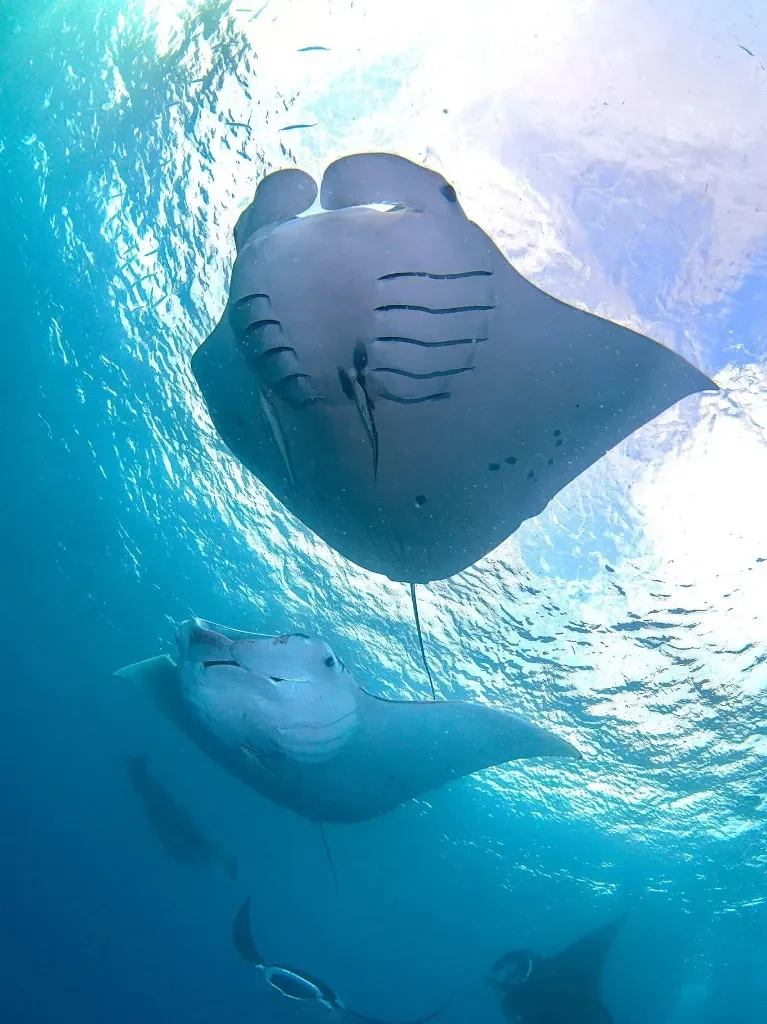
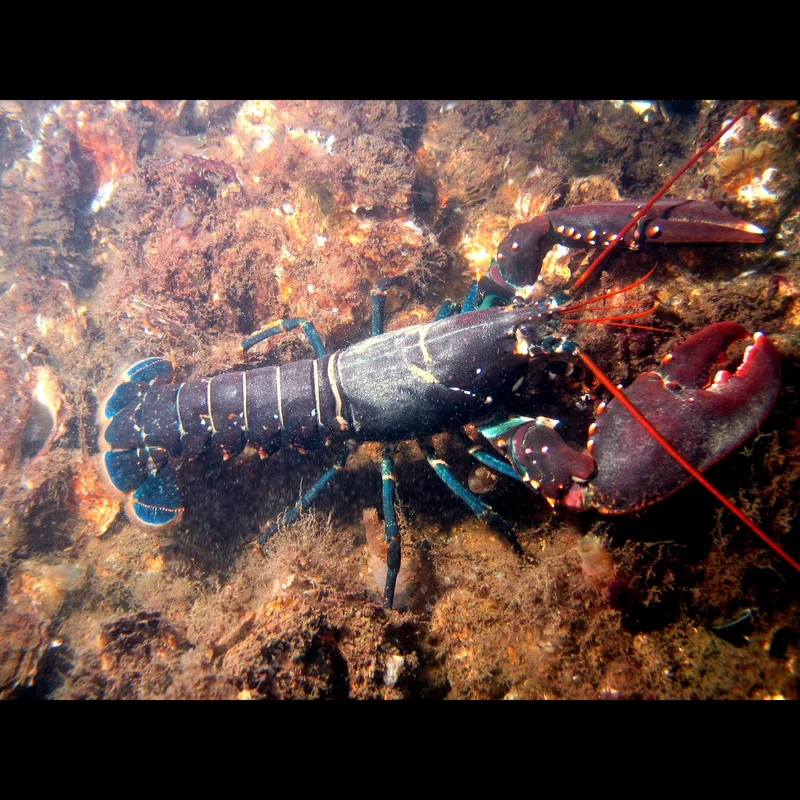
Pelagic species also readily found the site, making sightings of whale sharks and manta rays not uncommon around the massive structure. Divers frequently observe sharks and eels, alongside various reef fish, lobster, and octopus.
Life clings under radar mounts and within crevices, showcasing the wreck's rapid colonization. "Mighty O" truly functions as a beacon for marine life in the Gulf of Mexico.

Dive Sites Near ESERS548
View all dive sites in United StatesDiscover more underwater gems in this area.
Dive Centers Near ESERS548
Today: 10:00 - 16:00
Nearest Airports
Nearest airports to help plan travel to this dive area.
Search Flights
Check available flights and routes on Expedia, using the nearby airports listed in this section.
Search Flights on Expedia
Plan Your Stay
Looking for a place to stay for your dive trip? Explore hotels, stays, and vacation rentals for dive groups near Gulf Breeze.
Dive Navigator may earn a commission from these links at no extra cost to you.
Frequently Asked Questions
What is the maximum depth of the USS Oriskany wreck?
Wreck rests at a maximum depth of 67 meters (220 feet) on the sea bottom. However, various sections are accessible at different depths, with the top of the control tower starting within recreational limits, around 25 meters.
Which parts of the Oriskany are accessible to recreational divers?
Recreational divers can explore the upper sections, including the control tower, officer’s quarters, and bridge. Tower top begins around 25 meters, with the flight deck deeper at approximately 44 meters.
What kind of marine life can be seen at the USS Oriskany?
Wreck is a magnet for marine life, commonly attracting pelagic fish, whale sharks, and manta rays. You might also encounter various sharks, eels, octopus, lobster, and numerous reef fish species.
What diving certifications are recommended for the Oriskany?
Due to its depth and complexity, certifications like PADI Advanced Open Water Diver, PADI Enriched Air Diver, PADI Deep Diver, and PADI Wreck Diver are highly recommended for safe and thorough exploration.
How good is the visibility at the Oriskany site?
Visibility at the USS Oriskany is generally good, often ranging from 18 to 30 meters (60 to 100 feet). Excellent visibility allows divers to appreciate the immense scale of the wreck, though it also requires careful depth management.
Was the wreck prepared for divers before sinking?
Yes, the Navy spent over three years and $20 million preparing the Oriskany. This included removing insulation and wiring to prevent entanglement hazards, welding many doorways open, and cutting additional egress points to enhance diver safety and access.
Why is gas management so important when diving the Oriskany?
Gas management is crucial because of the wreck's significant depth and large size. With good visibility, it's easy to get absorbed in exploration and inadvertently exceed planned depths, making careful air consumption monitoring imperative.
Planning to dive ESERS548?
Send one inquiry and receive offers directly from the best verified local dive operators.
Conditions are Excellent
07:00 - 14:00
Optimal conditions expected
Current conditions near ESERS548 show 29° air, 30° sea temperature, 0.5 m waves, and 22 km/h wind. Forecast data is refreshed regularly to ensure accuracy.