
Diving at ESERS558 (United States)
A massive steel structure rests silently on the Gulf seafloor, a testament to its former life now transformed into an underwater haven. Descending onto the USS Oriskany, divers encounter the imposing scale of what was once an aircraft carrier. It's a profound shift from open ocean to the intricate, cavernous world of a colossal artificial reef.
As evening covers ESERS558, the local air temperature is measured at 27.5°C. The current wave height at the surface is recorded at 1.2 m. These late-day readings characterize the surface conditions for the night.
Dive Site Location & Key Facts
Dive Site Overview
The USS Oriskany, widely known as the "Mighty O" or the "Great Carrier Reef," commands attention as the world's largest artificial reef, attracting divers off Pensacola, Florida. This Essex-class aircraft carrier, a veteran of both the Korean and Vietnam Wars, underwent intentional sinking in 2006 to become an underwater habitat.
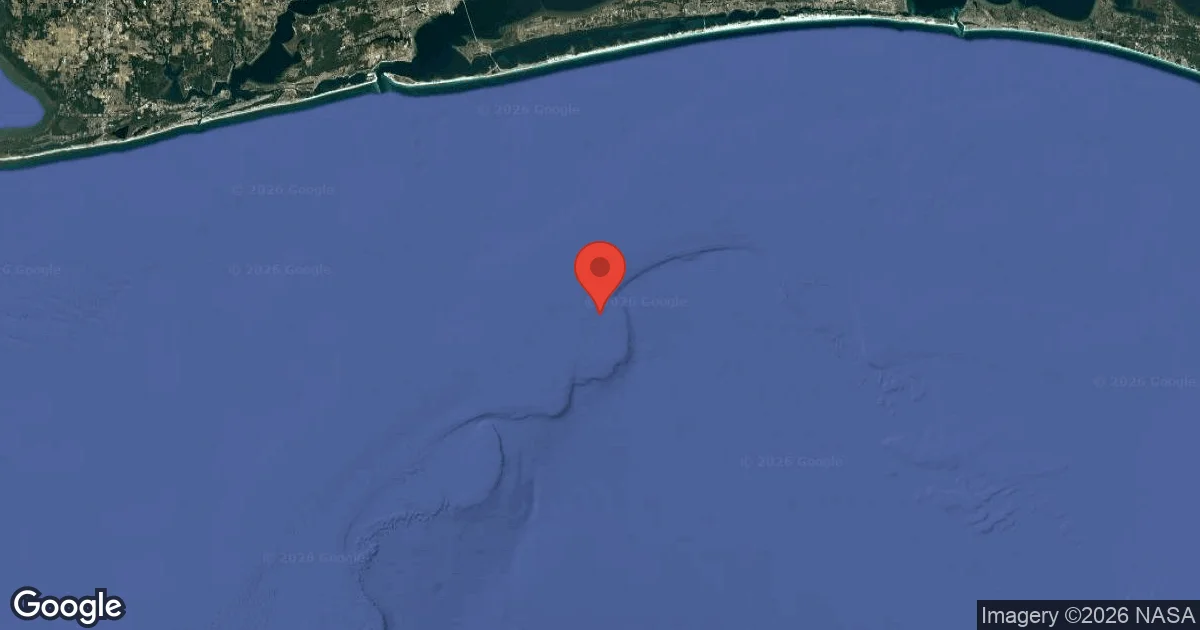
Resting 22 miles (35 km) from shore in the Gulf of Mexico, the colossal 277-meter (911-foot) vessel now provides essential sanctuary for a diverse range of marine species. Its transformation into a dynamic underwater ecosystem represented a significant component of an artificial reef pilot program, demonstrating how former warships can foster new life. Divers exploring this site often utilize both recreational and technical skill sets, moving from the vast expanse of its flight deck to the more complex, deeper compartments within the carrier.
Combining its immense physical presence with its profound impact on fostering a vibrant new ecosystem defines its distinct character as a dive destination. Such a large structure presents a multi-level diving experience, with shallower sections offering extensive exploration for less experienced divers, while more advanced certifications are needed to penetrate deeper into its structure.
Conditions are Excellent
07:00 - 14:00
Optimal conditions expected
Current conditions near ESERS558 show 28° air, 30° sea temperature, 0.5 m waves, and 17 km/h wind. Forecast data is refreshed regularly to ensure accuracy.
Best Time to Dive
Planning a dive at the USS Oriskany is generally best from May through October, when conditions typically offer the most favorable experiences. During these months, average air temperatures range from 24.5-29°C (76-84°F), contributing to comfortable surface intervals. Wave heights are often at their lowest, averaging between 0.6-0.8 meters (2.0-2.6 feet), which is conducive for boat entries and exits. Rainfall tends to be moderate, typically between 3.6-4.8 mm, and wind speeds are comparatively calmer. While water temperature data is not consistently reported, the warmer air temperatures during this period suggest more pleasant diving conditions overall. February, June, July, August, September, and October consistently show "Good" dive scores, indicating these are optimal times to explore the site.
PEAK SEASON SCORE
Scores combine air & water temps, waves, wind & rainfall for overall conditions.
BEST MONTHS TO DIVE
Monthly records compiled from satellite and marine observation nodes over the last 3 years. Data provided by Open-Meteo and MET Norway.
Dive Experience & Conditions
Navigating the USS Oriskany's structure reveals distinct zones accessible to various certification levels. Recreational divers can explore the tower, officers’ quarters, and bridge, which begin at approximately 25 meters (80 feet) below the surface. This upper section allows for extensive bottom time within standard recreational depth limits. Below the flight deck, the wreck extends significantly deeper, resting at a maximum depth of 67 meters (220 feet) on the seafloor. Accessing these deeper sections requires advanced or technical diving certifications due to depth and potential overhead environments. All entries to this site are by boat, underscoring the importance of surface support and reliable vessel operations. Visibility can vary, but generally provides clear views of the immense structure and its resident marine inhabitants.
Dive Difficulty & Safety Guidelines
Before exploring the Oriskany's interior or deeper reaches, divers must possess appropriate certifications. For recreational depths, PADI Advanced Open Water Diver is beneficial. For deeper penetration and extended bottom times within the wreck's structure, PADI Deep Diver, PADI Wreck Diver, and PADI Enriched Air Diver certifications are highly recommended.
Always dive within your training and experience limits. Given the wreck's scale and potential for currents, maintaining good buoyancy control and having an experienced guide is crucial.
Follow established dive plans and consult with local dive operators regarding current conditions, especially concerning visibility and potential tidal movements.
Recommended Equipment
- Dive Computer
This gear list is based on verified equipment signals for ESERS558, United States. Always confirm final gear choices with your dive operator, guide, or liveaboard.
Recommended Dive Suit
Current diving conditions indicate water temperatures around 30°C (87°F) at ESERS558. Surface air temperatures are resting at 28°C (82°F).
The upcoming forecast points to generally steady conditions in the area.
Divers who prefer moderate insulation typically choose dive skin or rash guard in similar environments. Consider warmer surface protection (like a boat coat) due to brisk winds. Many experienced divers adjust their exposure protection depending on the type of dive planned. Stronger winds may also make surface intervals feel cooler than usual.
Due to technical issues with our weather providers, data hasn't been fetched for over 48 hours. The data above reflects the conditions at the time of the last successful fetch.
Emergency & Medical Support
Essential information to help you plan your dive trip to ESERS558.

Hyperbaric chambers are a critical part of dive safety infrastructure. Availability varies significantly by region, and not all dive areas have immediate access.
Before diving, it's recommended to:
- confirm nearest medical facilities
- check emergency procedures with local dive operators
- ensure dive insurance covers evacuation if required
Divers Alert Network
Diving emergency assistance available through DAN World.
+1-919-684-9111- 24/7 emergency hotline
- Diving medical assistance
- Evacuation coordination
Emergency contacts are provided for reference. Always verify local emergency services before diving.
Marine Life at ESERS558
The underwater landscape around the USS Oriskany serves as a thriving habitat, attracting a remarkable diversity of marine species. Reef fish populate the wreck's surfaces, creating a vibrant spectacle.
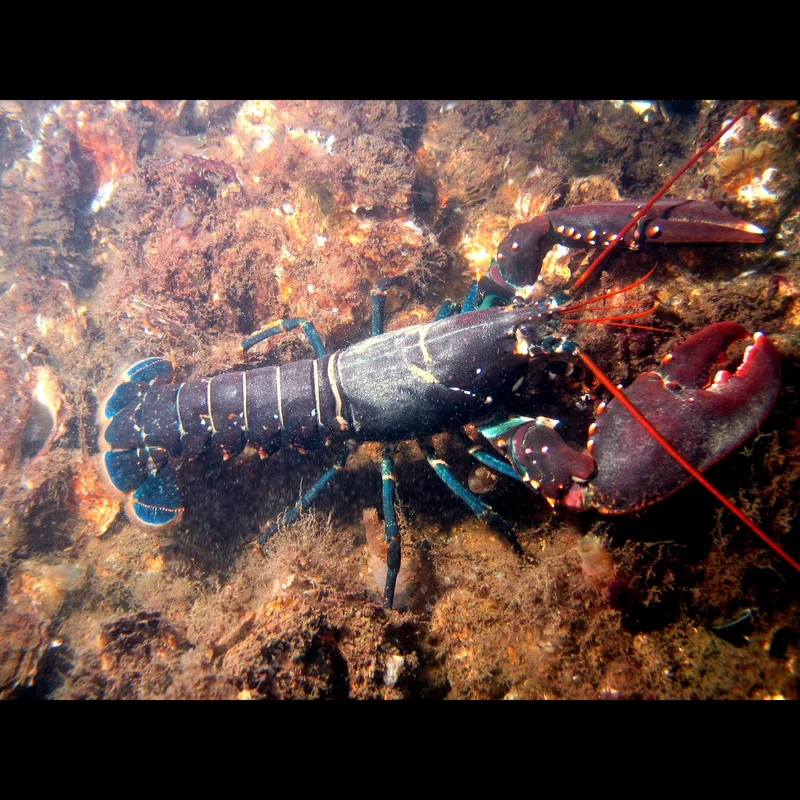
Divers frequently encounter pelagic fish species swimming above the structure. Furthermore, the site is known for sightings of larger creatures such as sharks, eels, octopus, and lobster, which utilize the carrier's vast structure for shelter and hunting.
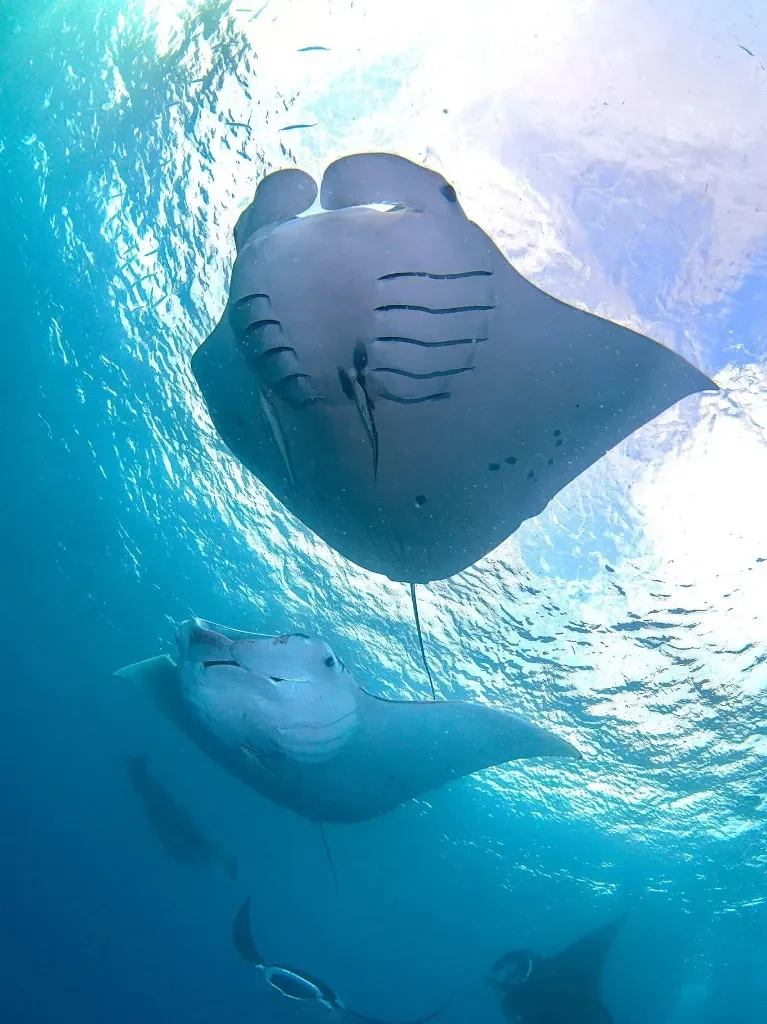
Occasionally, manta rays and even whale sharks are observed, drawn to the rich ecosystem fostered by this artificial reef.

Dive Sites Near ESERS558
View all dive sites in United StatesDiscover more underwater gems in this area.
Dive Centers Near ESERS558
Today: 10:00 - 16:00
Nearest Airports
Nearest airports to help plan travel to this dive area.
Search Flights
Check available flights and routes on Expedia, using the nearby airports listed in this section.
Search Flights on Expedia
Plan Your Stay
Looking for a place to stay for your dive trip? Explore hotels, stays, and vacation rentals for dive groups near Gulf Breeze.
Dive Navigator may earn a commission from these links at no extra cost to you.
Frequently Asked Questions
What is the maximum depth of the USS Oriskany?
The USS Oriskany rests at a maximum depth of 67 meters (220 feet) on the seafloor. However, recreational divers can explore shallower sections like the tower, officers' quarters, and bridge, which begin at 25 meters (80 feet).
What type of diving is recommended for the USS Oriskany?
Both recreational and technical diving are possible. Recreational divers can access the upper parts of the wreck, while advanced or technical certifications are necessary to explore areas below the flight deck due to increased depth and complexity.
How do divers access the USS Oriskany?
All access to the USS Oriskany is by boat. It is located 22 miles (35 km) off the coast of Pensacola, Florida, requiring a dedicated boat trip to reach the site.
What marine life can be seen at the Oriskany?
The USS Oriskany attracts various marine life, including pelagic fish, sharks, eels, octopus, and lobster. Reef fish are abundant, and there are occasional sightings of manta rays and whale sharks.
When is the best time of year to dive the USS Oriskany?
The optimal time for diving the USS Oriskany is typically from May to October. During these months, conditions generally feature higher air temperatures, calmer winds, and reduced wave heights, offering a more comfortable dive experience.
Is special certification required to dive the Oriskany?
While recreational divers can explore some sections, deeper parts and interior areas below the flight deck require advanced certifications such as PADI Advanced Open Water, Deep Diver, Wreck Diver, and Enriched Air Diver.
Planning to dive ESERS558?
Send one inquiry and receive offers directly from the best verified local dive operators.
Conditions are Excellent
07:00 - 14:00
Optimal conditions expected
Current conditions near ESERS558 show 28° air, 30° sea temperature, 0.5 m waves, and 17 km/h wind. Forecast data is refreshed regularly to ensure accuracy.