
Diving at FC Site Culverts 1990 (United States)
FC Site Culverts 1990 presents a submerged landscape crafted from large, artificial structures. Divers navigate around and through these industrial formations, which have become integrated into the marine environment. The site offers an experience distinct from natural reefs, focusing on exploration of man-made architecture now serving as habitat. Its contours and open sections create unique visual lines and navigation challenges underwater.
As evening covers FC Site Culverts 1990, the local air temperature is measured at 28°C. The current wave height at the surface is recorded at 1.5 m. These late-day readings characterize the surface conditions for the night.
Dive Site Location & Key Facts
Dive Site Overview
Exploring the FC Site Culverts 1990 offers a distinct experience for certified divers seeking structured underwater environments. This site, composed of large culvert sections, allows for both perimeter exploration and potential swim-throughs, depending on specific configurations and conditions.
Visibility often varies with local currents and sediment, tending to be clearer during periods of less rainfall and calmer seas. Divers can expect to encounter a foundational ecosystem adapted to these artificial structures. Planning a dive here should consider the site's layout, which can present overhead environments or constricted passages, influencing gas management and emergency protocols.
The general area experiences air temperatures ranging from 12.5°C (54°F) in January to 27.5°C (82°F) in August, suggesting warmer waters during summer months and cooler conditions in winter, though specific water temperature data for the site isn't consistently reported.
Conditions are Good
07:00 - 14:00
Optimal conditions expected
Current conditions near FC Site Culverts 1990 show 28° air, 29° sea temperature, 0.7 m waves, and 21 km/h wind. Forecast data is refreshed regularly to ensure accuracy.
Best Time to Dive
Optimal visibility often dictates the best time to dive FC Site Culverts 1990, as clearer water enhances the experience of navigating the structures. The months of July and August typically offer favorable conditions, with average air temperatures peaking around 27.5°C (82°F) and lower rainfall, averaging 1.4-5.9 mm. These conditions contribute to a higher dive score during this period, indicating a greater likelihood of good diving. Conversely, months like January and February, while still offering 'Good' or 'Moderate' dive scores, present cooler air temperatures of 12.5-13.5°C (54-56°F) and generally higher wave heights, which can reduce underwater clarity. September and October also see increased wave heights, potentially impacting visibility, alongside higher rainfall averages of 5.7 mm and 3.3 mm respectively, which could introduce more particulate into the water column.
PEAK SEASON SCORE
Scores combine air & water temps, waves, wind & rainfall for overall conditions.
BEST MONTHS TO DIVE
Monthly records compiled from satellite and marine observation nodes over the last 3 years. Data provided by Open-Meteo and MET Norway.
Dive Experience & Conditions
The initial descent toward the FC Site Culverts 1990 often reveals the scale of these concrete structures as they emerge from the ambient water. As divers approach, the intricate patterns of the culverts become more apparent, providing cover for various marine organisms. Current can be a factor, sometimes creating drift opportunities or requiring careful propulsion. Water temperatures, while not consistently reported, would generally track the regional air temperature trends, from cooler conditions in winter to warmer in summer, influencing thermal protection choices. Visibility can fluctuate, often influenced by recent weather events, tidal movements, and overall particulate in the water column. Exploring the culverts themselves requires precision buoyancy and awareness of surroundings, especially when navigating narrower sections or potential overhead environments. Max depths encountered at the site are variable, depending on the specific culvert sections explored.
Dive Difficulty & Safety Guidelines
Diving structural sites like the FC Site Culverts 1990 presents specific challenges, and adherence to established safety protocols is crucial. Due to the nature of submerged structures, potential for entanglement or disorientation exists, particularly within complex or confined spaces. Divers must maintain strict buoyancy control and situational awareness.
Experience from other sites highlights that pushing beyond certification limits, especially regarding depth or gas mixes, can have severe consequences, as seen in incidents where divers suffered oxygen seizures on enriched air at depths beyond 27 m (87 ft) or lost consciousness during deep air dives. Proper gas planning, including redundant gas sources and adherence to maximum operating depths (MODs) for chosen gas mixes, is paramount.
Never dive alone, and always have an in-water support team if exploring challenging environments. Regular review of dive plans with partners and conservative depth/time limits mitigates many inherent risks.
Recommended Equipment
- Dive Computer
This gear list is based on verified equipment signals for FC Site Culverts 1990, United States. Always confirm final gear choices with your dive operator, guide, or liveaboard.
Recommended Dive Suit
For many recreational divers, dive skin or rash guard provides a practical level of insulation in these conditions. Strong winds are present; please take strong precautions against rapid cooling during surface intervals. Divers who tend to get cold easily may prefer slightly thicker exposure protection.
The waters surrounding FC Site Culverts 1990 are currently maintaining temperatures close to 29°C (85°F). Surface air temperatures are resting at 28°C (82°F).
The next few days appear likely to bring similar environmental conditions.
Due to technical issues with our weather providers, live updates are temporarily delayed. The data above reflects the conditions at the time of the last successful fetch.
Emergency & Medical Support
Essential information to help you plan your dive trip to FC Site Culverts 1990.

Hyperbaric chambers are a critical part of dive safety infrastructure. Availability varies significantly by region, and not all dive areas have immediate access.
Before diving, it's recommended to:
- confirm nearest medical facilities
- check emergency procedures with local dive operators
- ensure dive insurance covers evacuation if required
Divers Alert Network
Diving emergency assistance available through DAN World.
+1-919-684-9111- 24/7 emergency hotline
- Diving medical assistance
- Evacuation coordination
Emergency contacts are provided for reference. Always verify local emergency services before diving.
Marine Life at FC Site Culverts 1990
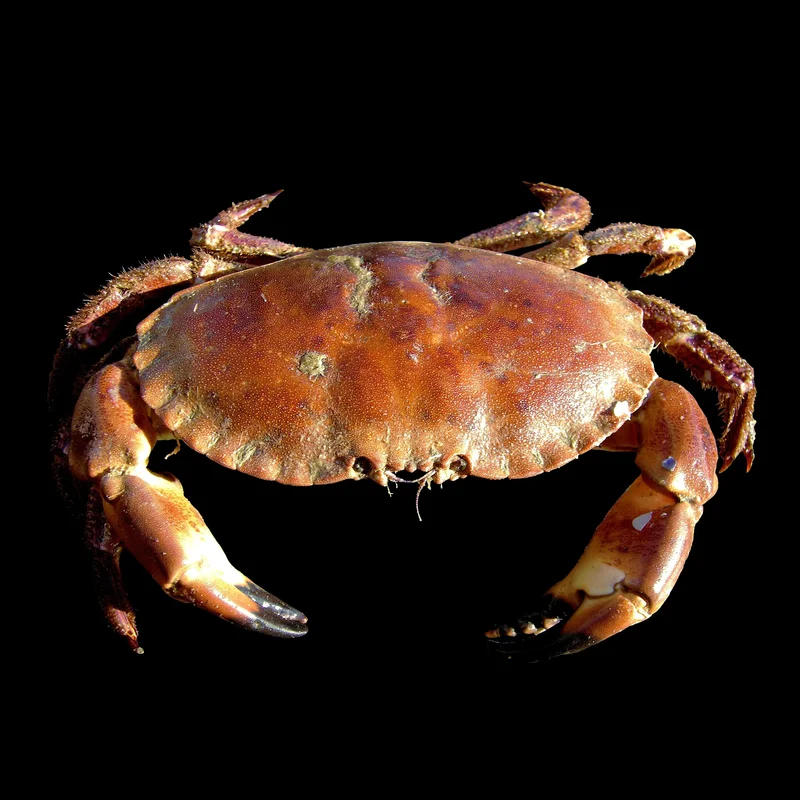
Despite the artificial nature of the culverts, marine life typically adapts to these structures, using them for shelter and foraging. Divers might observe various types of fish, such as blennies, gobies, and juvenile snappers, finding refuge within the culvert openings and along their exterior surfaces.
Crustaceans like crabs and shrimp commonly inhabit the crevices, while smaller invertebrates may colonize the concrete itself. Observing these creatures requires patience and a careful approach.
Over time, these culvert structures can serve as artificial reefs, attracting a diverse range of species that are characteristic of the local temperate marine environment.

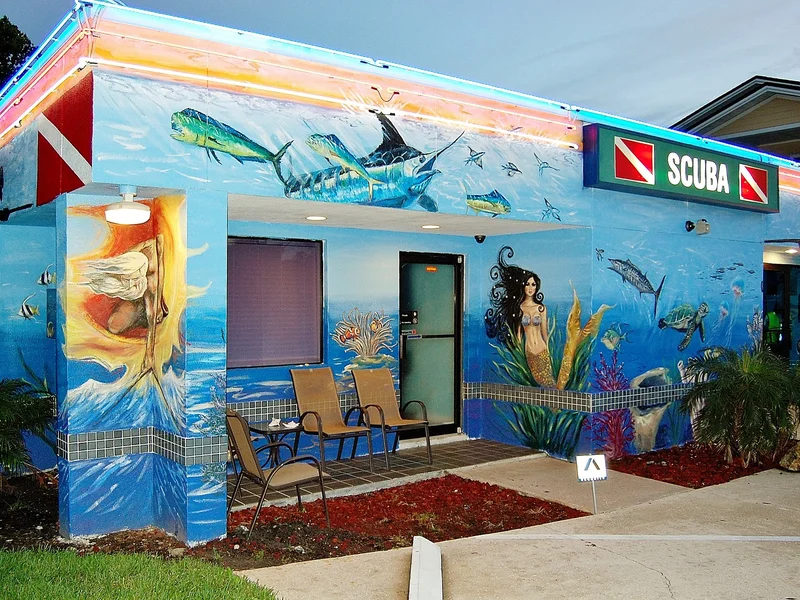
Dive Centers Near FC Site Culverts 1990
Today: 10:00 - 18:30
Nearest Airports
Nearest airports to help plan travel to this dive area.
Search Flights
Check available flights and routes on Expedia, using the nearby airports listed in this section.
Search Flights on ExpediaFrequently Asked Questions
What skill level is required for diving FC Site Culverts 1990?
Diving the FC Site Culverts 1990 typically requires advanced open water certification due to the structured environment and potential for deeper sections. Divers should have excellent buoyancy control and comfort in navigating confined or overhead spaces if planning to enter the culverts. It's not suited for beginners.
What kind of visibility can be expected?
Visibility at FC Site Culverts 1990 can vary widely depending on local conditions, including recent rainfall, currents, and tidal movements. It is often best during periods of calm seas and less precipitation. Conditions are not consistently reported, but seasonal averages suggest clearer waters during summer months.
Are there strong currents at the site?
Current strength at the culverts is not consistently reported and can vary. Divers should be prepared for potential currents, which may create drift or require more effort to navigate. Always check local conditions on the day of your dive.
Is there marine life to see at the culverts?
Yes, despite being artificial structures, the culverts provide habitat for various marine species. You might encounter fish seeking shelter, crustaceans in crevices, and other invertebrates. The site acts as an artificial reef, attracting a range of local marine life.
What safety precautions are essential for this dive?
Essential safety precautions include conservative dive planning, vigilant gas management, and maintaining proper buoyancy control. Given the structured environment, divers should consider having redundant gas sources and always dive with a buddy. Awareness of entanglement hazards and avoiding solo diving are critical.
What is the typical water temperature?
Specific water temperature data for FC Site Culverts 1990 is not consistently reported. However, regional air temperatures range from 12.5°C (54°F) in winter to 27.5°C (82°F) in summer. Water temperatures would generally follow these seasonal trends, so appropriate thermal protection is advised based on the time of year.
Planning to dive FC Site Culverts 1990?
Send one inquiry and receive offers directly from the best verified local dive operators.
Conditions are Good
07:00 - 14:00
Optimal conditions expected
Current conditions near FC Site Culverts 1990 show 28° air, 29° sea temperature, 0.7 m waves, and 21 km/h wind. Forecast data is refreshed regularly to ensure accuracy.