
Diving at Flagler SSW (United States)
For divers seeking an accessible introduction to wreck diving, Flagler's Barge provides an ideal site off Marathon in the Florida Keys. Shallow, resting in just 7.6 m (25 ft) of water, it's considered one of the easiest to dive in the region, a favored choice for beginners. Experienced divers also appreciate the sheer abundance of marine life drawn to its structure. The wreck serves as a vibrant, colorful ecosystem, visible even under the shallow sunlight.
Evening condition tracking at Flagler SSW features an air temperature of 27°C. We have recorded wave heights measuring 1.2 m during this period. These figures outline the environmental parameters currently present.
Dive Site Location & Key Facts
Dive Site Overview
Flagler's Barge, a 30.5 m (100 ft) long vessel, carries a significant piece of Florida's early 20th-century history. Originally, it transported materials essential for constructing Henry Flagler’s Old Seven Mile Bridge, a key part of the Florida East Coast Railway’s ambitious overseas extension to Key West.
Its working life ended abruptly in 1935 when the Great Labor Day Hurricane tore it from its moorings. Subsequently, the barge sank in the shallow waters near Sombrero Reef, settling onto a bright sandy bottom. Today, the wreck lies fully identifiable, with its beams and bulkheads remaining largely intact despite structural deterioration over time.
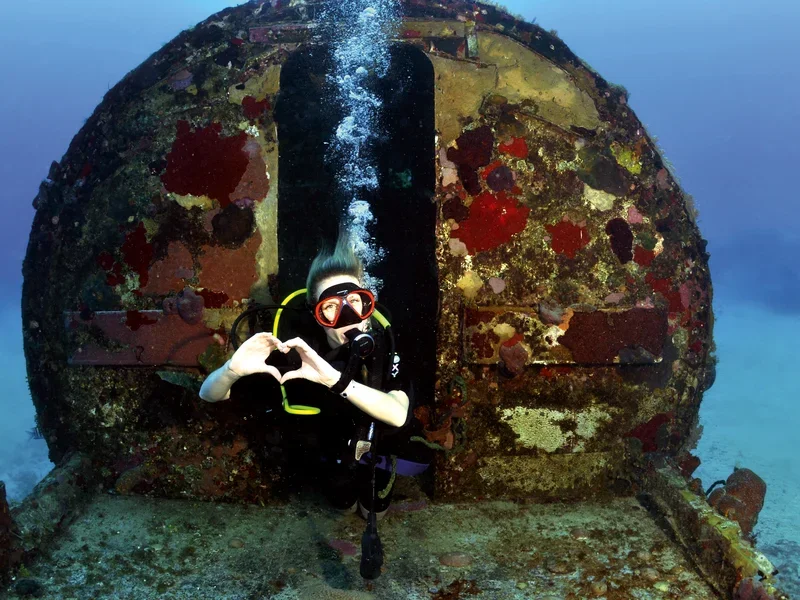
Divers can comfortably swim around its perimeter and through sections; no complex overhead environment exists to navigate. Its entire exterior is now carpeted from bow to stern with lush coral and sponge growth, creating a highly photogenic and dynamic site.
A transformation into an artificial reef makes the barge a magnet for various marine species, often surprising even experienced divers with its abundance. Accessibility and clear structure make the barge a popular destination for those exploring the Middle Keys, offering an engaging glimpse into both maritime heritage and natural reef recovery. Hour-long dives are typical here due to the shallow depth, allowing ample time to explore.
Conditions are Good
Optimal conditions expected
Current conditions near Flagler SSW show 27° air, 29° sea temperature, 0.9 m waves, and 24 km/h wind. Forecast data is refreshed regularly to ensure accuracy.
Best Time to Dive
Planning your visit to Flagler's Barge often depends on balancing ideal surface conditions with personal comfort. Warmest air temperatures typically occur from May through September, averaging from 24.5-27.5°C (76-82°F). During these months, wave heights are generally at their lowest, often below 1 meter (3 ft), contributing to calmer boat rides and easier entry. However, rainfall tends to be higher in late summer and early autumn, peaking around 7.1 mm in September, which can occasionally affect visibility. For those preferring cooler conditions and less rain, the period from January to March offers good dive scores, with air temperatures between 15-20°C (59-68°F) and significantly lower rainfall averages, typically less than 2 mm. October and April show moderate dive scores; October experiences higher waves at around 1.7 m (5.6 ft) and greater rainfall than spring months. Although water temperature isn't consistently reported, it generally mirrors regional air temperature trends, remaining warmer during summer and autumn.
PEAK SEASON SCORE
Scores combine air & water temps, waves, wind & rainfall for overall conditions.
BEST MONTHS TO DIVE
Monthly records compiled from satellite and marine observation nodes over the last 3 years. Data provided by Open-Meteo and MET Norway.
Dive Experience & Conditions
Dropping onto Flagler's Barge, divers immediately encounter a vibrant, shallow environment. Resting in approximately 7.6 m (25 ft) of water on a bright sandy bottom, ample sunlight penetrates and illuminates the site. Constant sunlight creates a 'kaleidoscope effect,' with colors of corals and sponges appearing exceptionally vivid as light streams down from the surface. Visibility typically varies, but can be quite clear, contributing to easy navigation. Barge's exterior is extensively covered in coral and sponge growth, transforming its decaying structure into a thriving artificial reef. Exploring the beams and bulkheads reveals numerous nooks and crannies where smaller marine life seeks refuge. No overhead environments are present, making it suitable for divers of all experience levels comfortable in open water. Currents are generally manageable, though conditions can vary depending on local weather patterns. A shallow depth facilitates extended bottom times, making hour-long dives a common and enjoyable experience here.
Dive Difficulty & Safety Guidelines
Ensuring a safe dive at Flagler's Barge begins with respecting its status as a wreck site, even though it's shallow and largely open. While the barge poses no overhead environment challenges, responsible diving practices include maintaining neutral buoyancy to avoid contact with delicate coral and sponge growth covering the structure. Divers should always be mindful of air consumption and bottom time, although the shallow depth allows for generous periods underwater.
Currents are generally mild, but it's prudent to check local conditions on the day of your dive, as they can fluctuate. Open Water certified divers are recommended to visit, while those with Advanced Open Water and Nitrox certifications can further maximize their enjoyment and bottom time.
Always dive with a buddy and ensure all equipment is in good working order. Local operators often provide up-to-date briefings on specific site conditions and any temporary considerations.
Recommended Equipment
- Dive Computer
This gear list is based on verified equipment signals for Flagler SSW, United States. Always confirm final gear choices with your dive operator, guide, or liveaboard.
Recommended Dive Suit
Recent conditions suggest the water at Flagler SSW remains near 29°C (83°F), offering typical conditions for the area. Surface air temperatures are resting at 27°C (81°F).
Weather models indicate a small drop in surface temperatures later this week. Cooler days are ahead; you might want a warmer option for later in the week. A neoprene vest or hood can add flexibility if temperatures feel cooler underwater.
Divers who prefer moderate insulation typically choose 2-3mm shorty or light wetsuit in similar environments. A hood or vest is suggested for sensitive divers due to surface winds. Many experienced divers adjust their exposure protection depending on the type of dive planned.
Emergency & Medical Support
Essential information to help you plan your dive trip to Flagler SSW.

Hyperbaric chambers are a critical part of dive safety infrastructure. Availability varies significantly by region, and not all dive areas have immediate access.
Before diving, it's recommended to:
- confirm nearest medical facilities
- check emergency procedures with local dive operators
- ensure dive insurance covers evacuation if required
Divers Alert Network
Diving emergency assistance available through DAN World.
+1-919-684-9111- 24/7 emergency hotline
- Diving medical assistance
- Evacuation coordination
Emergency contacts are provided for reference. Always verify local emergency services before diving.
Marine Life at Flagler SSW
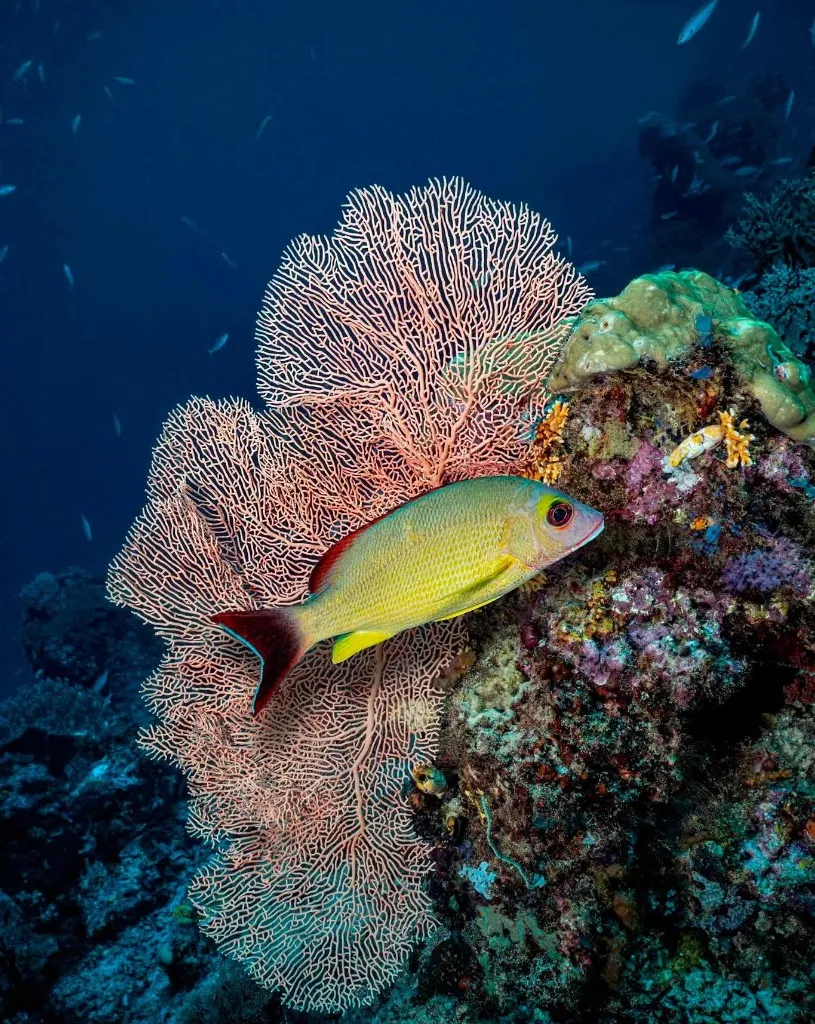
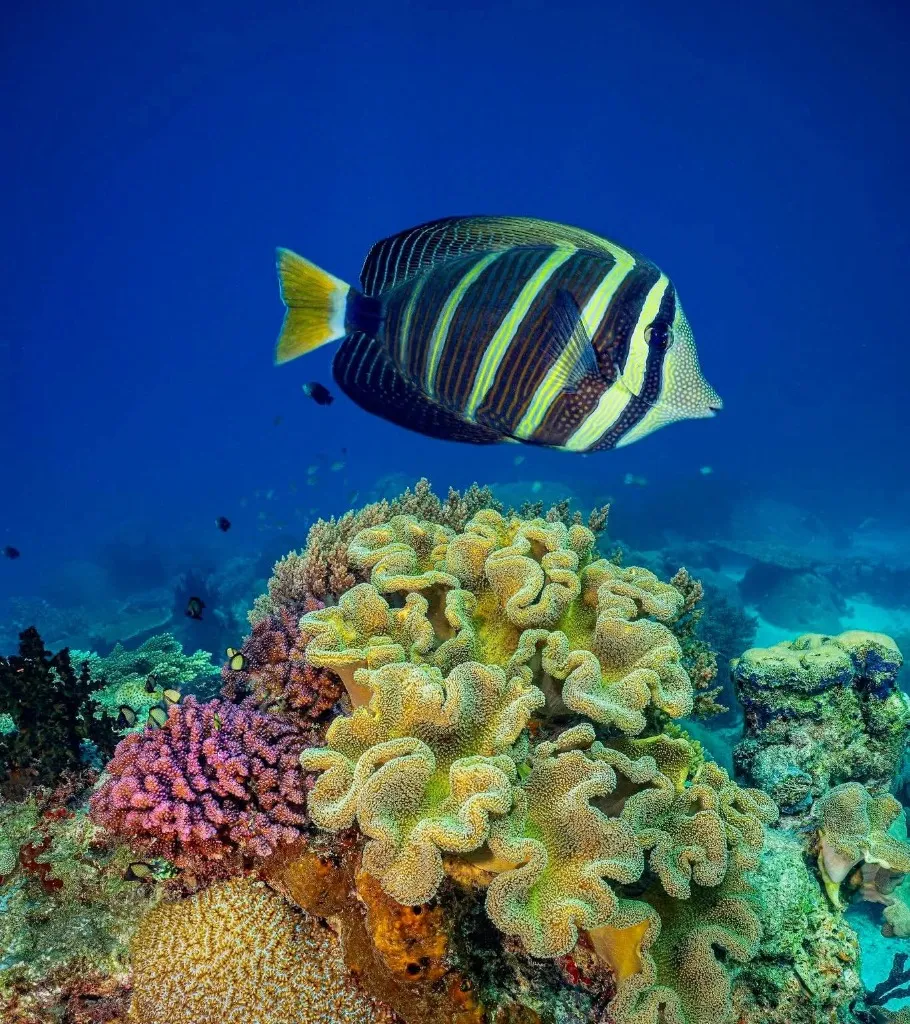
Marine life congregates heavily around Flagler's Barge, transforming the wreck into a vibrant artificial reef. Divers regularly encounter large schools of grunts, blue tangs, and yellowtail snapper, which often form dense, colorful clouds around the structure.
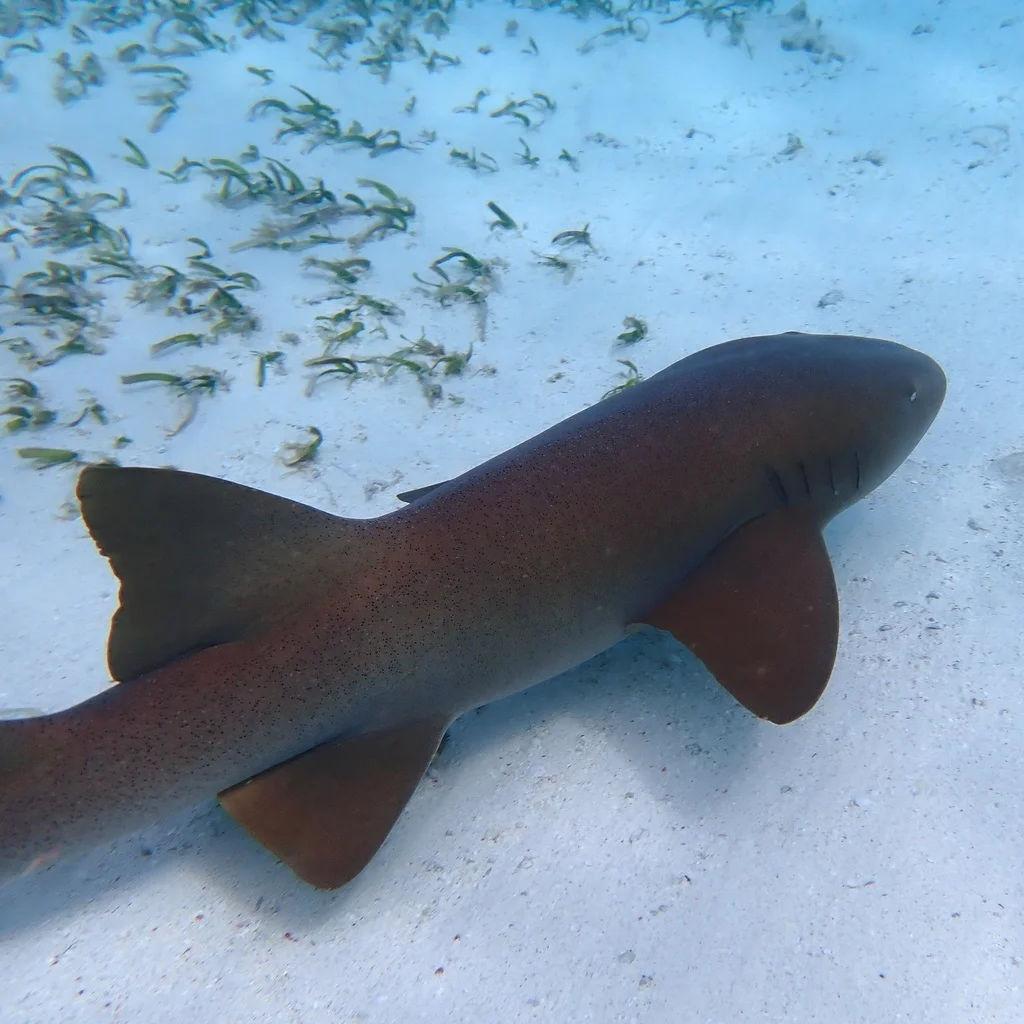
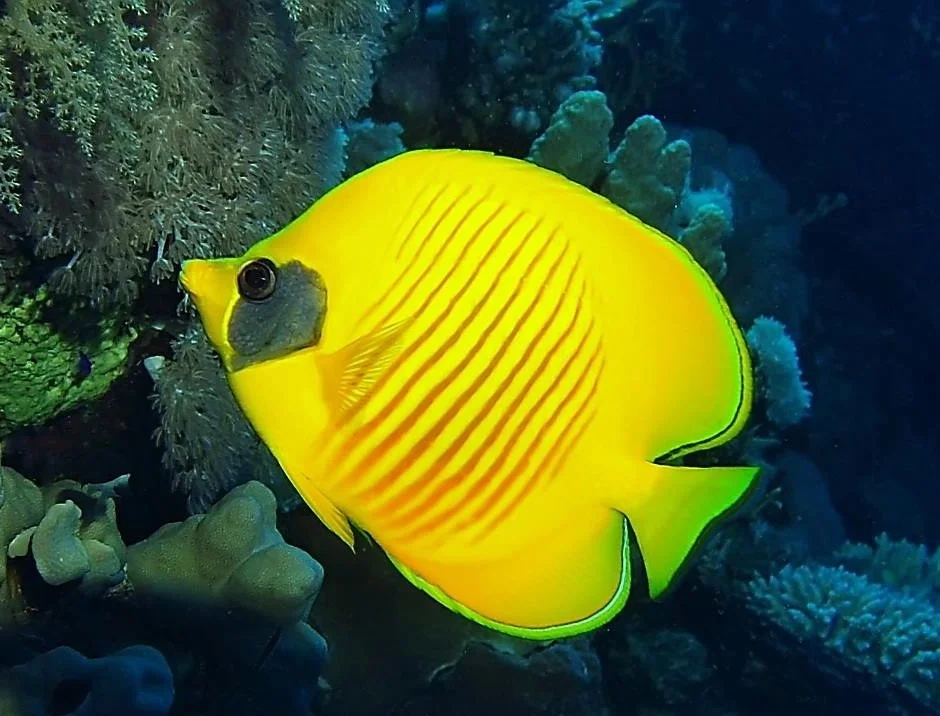
Angelfish varieties, including gray, French, and queen, are abundant, alongside butterflyfish, wrasse, and parrotfish, typical residents of Florida Keys reefs. Near the bow, nurse sharks can frequently be observed resting peacefully on the surrounding sandy bottom, utilizing the wreck's shelter.
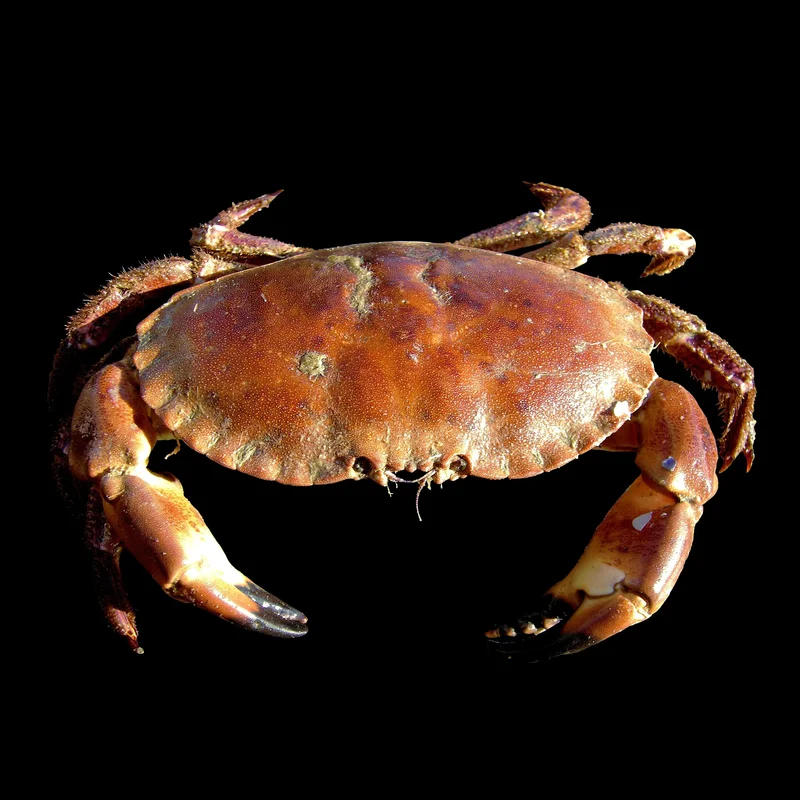
Exploring the numerous nooks and crannies within the barge also reveals smaller, fascinating critters like slipper lobsters, busy arrow crabs, and various eels peering out from their hiding spots. This site truly feels like an active ecosystem.
Dive Centers Near Flagler SSW
Today: 10:00 - 19:00
Nearest Airports
Nearest airports to help plan travel to this dive area.
Search Flights
Check available flights and routes on Expedia, using the nearby airports listed in this section.
Search Flights on Expedia
Plan Your Stay
Looking for a place to stay for your dive trip? Explore hotels, stays, and vacation rentals for dive groups near New Smyrna Beach.
Dive Navigator may earn a commission from these links at no extra cost to you.
Frequently Asked Questions
What is the maximum depth at Flagler's Barge?
Flagler's Barge rests in approximately 7.6 meters (25 feet) of water. This shallow depth makes it accessible for various certification levels and allows for extended bottom times during dives.
What type of certification is needed for this dive?
An Open Water Diver certification is the minimum required to dive Flagler's Barge. For those looking to maximize their experience and bottom time, Advanced Open Water and Nitrox certifications are highly recommended.
Is Flagler's Barge an artificial reef?
Yes, Flagler's Barge functions as a thriving artificial reef. Its structure is heavily covered in corals and sponges, attracting a wide variety of marine life.
What kind of marine life can I expect to see?
The wreck attracts numerous fish schools like grunts, blue tangs, and yellowtail snapper. Divers also commonly spot angelfish, butterflyfish, wrasse, parrotfish, nurse sharks, slipper lobsters, and eels.
Does the wreck have overhead environments?
No, Flagler's Barge does not present any complex overhead environments. Its deteriorated structure allows for easy navigation around and through sections, making it suitable for open water divers.
How long can I typically dive at Flagler's Barge?
Due to its shallow depth, hour-long dives are common at Flagler's Barge. This provides ample opportunity to explore the wreck and observe marine life without significant time constraints.
What is the history of Flagler's Barge?
Flagler's Barge was used to transport materials for Henry Flagler's Old Seven Mile Bridge. It sank during the Great Labor Day Hurricane in 1935, subsequently becoming the artificial reef it is today.
Planning to dive Flagler SSW?
Send one inquiry and receive offers directly from the best verified local dive operators.
Conditions are Good
Optimal conditions expected
Current conditions near Flagler SSW show 27° air, 29° sea temperature, 0.9 m waves, and 24 km/h wind. Forecast data is refreshed regularly to ensure accuracy.