
Diving at Halftime Dive Boat (United States)
Diving the waters accessible by the Halftime Dive Boat presents conditions that shift significantly with the seasons. Wave heights can range from a calmer 1.0 m (3 ft) in summer months to over 1.5 m (5 ft) in winter, directly influencing dive accessibility and comfort. Visibility is not consistently reported, yet it typically follows patterns seen in open Atlantic environments, influenced by currents and weather. Air temperatures fluctuate widely across the year, from near 0°C (32°F) in January to highs of around 25°C (77°F) in July. Divers should anticipate these variations when planning trips offshore.
As evening covers Halftime Dive Boat, the local air temperature is measured at 21.5°C. The current wave height at the surface is recorded at 0.6 m. These late-day readings characterize the surface conditions for the night.
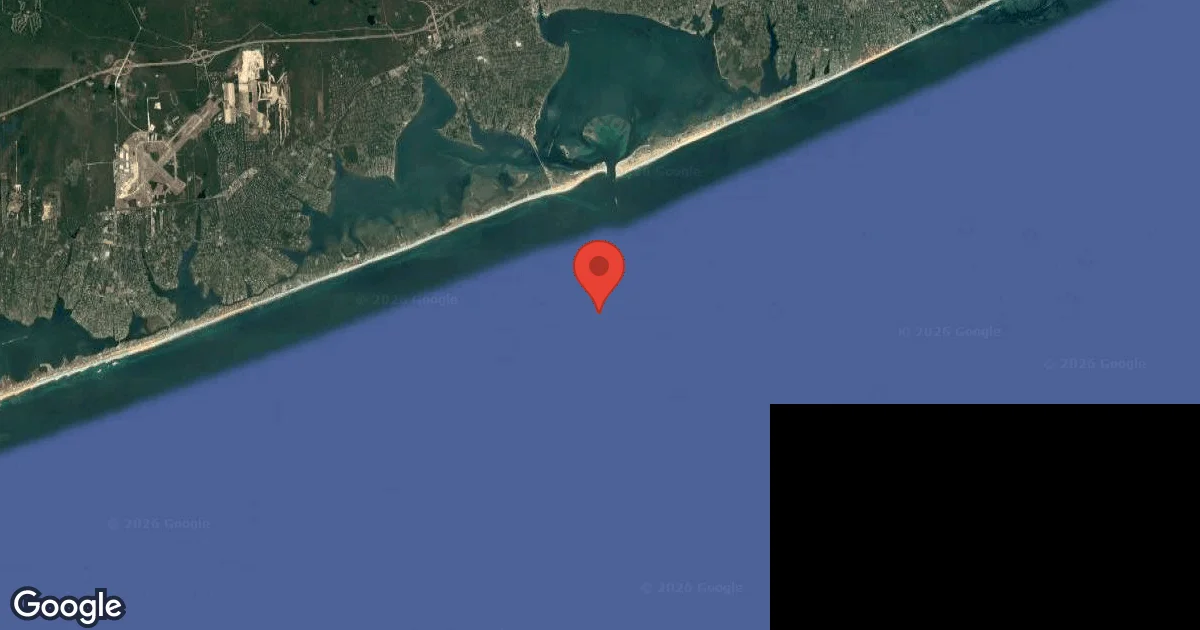
Dive Site Location & Key Facts
Dive Site Overview
What sets Halftime Dive Boat apart is its direct access to Long Island's 'Wreck Valley,' a remarkable collection of over 200 historical shipwrecks. This 40-foot Downeaster, operated by experienced divers, transports enthusiasts to an array of sites spanning centuries of maritime history in the North-western Atlantic Ocean.
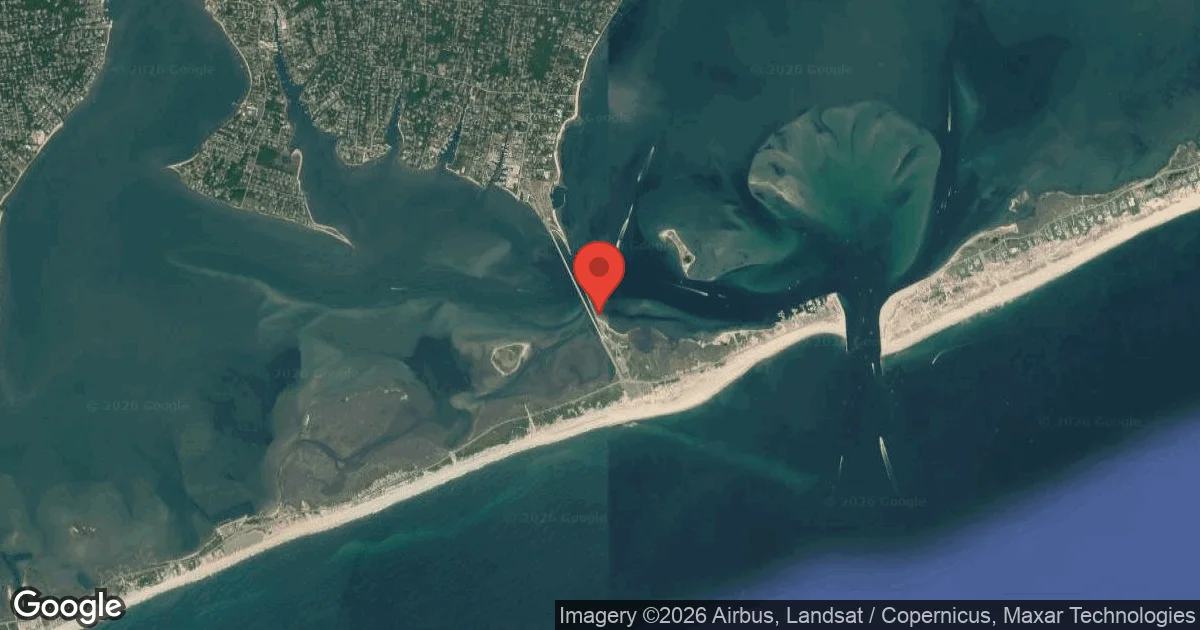
From shallower inshore wrecks like the Iberia and Lizzie D, found at depths between 18-24 m (60-80 ft), to formidable offshore giants such as the USS San Diego at 33 m (110 ft) and the SS Oregon at 43 m (140 ft), the boat serves a broad spectrum of certified wreck divers. For the technical community, the vessel can reach sites like the U851 at 46 m (150 fsw) and even the SS Andrea Doria resting at 82 m (270 fsw), though these require highly specialized training and equipment. The Halftime embarks from the Shinnecock Inlet, exploring both artificial reefs, including subway cars and deconstructed bridge spans, and natural reef formations.
This region offers more than just shipwrecks; it's also a gateway to observing pelagic life, providing a dynamic and historically rich dive experience for those exploring New York's saltwater domain. Divers should come prepared for ocean conditions typical of the Atlantic seaboard.
Conditions are Good
Optimal conditions expected
Current conditions near Halftime Dive Boat show 22° air, 22° sea temperature, 0.9 m waves, and 32 km/h wind. Forecast data is refreshed regularly to ensure accuracy.
Best Time to Dive
Examining the predictable patterns of the Atlantic climate helps divers pinpoint optimal times for expeditions with Halftime Dive Boat. The peak dive season generally runs from June through October, aligning with the 'Good' dive scores reported during these months. Air temperatures are most comfortable from June to September, averaging between 20-25°C (68-77°F), which lessens surface chill before and after dives. During this period, average wave heights are typically lower, often around 1.0-1.3 m (3-4 ft), contributing to calmer boat rides and easier entries/exits. Rainfall remains relatively low across these months, ranging from approximately 2.2-4.0 mm, generally not impacting dive plans significantly. Conversely, winter months, particularly January, March, and December, receive 'Moderate' dive scores. Air temperatures drop dramatically, approaching 0°C (32°F) in January and February, and wave heights frequently exceed 1.5 m (5 ft), making for more challenging conditions and colder surface intervals. Despite colder conditions, some diving persists in these shoulder seasons for those adequately prepared for the Atlantic's vigor.
PEAK SEASON SCORE
Scores combine air & water temps, waves, wind & rainfall for overall conditions.
BEST MONTHS TO DIVE
Monthly records compiled from satellite and marine observation nodes over the last 3 years. Data provided by Open-Meteo and MET Norway.
Dive Experience & Conditions
The prevailing current dynamics around Long Island's offshore and inshore wrecks can vary substantially. Divers should anticipate moderate to strong currents, especially at deeper or more exposed sites, which can enhance drift or challenge navigation around structures. Visibility is variable, influenced by localized weather patterns, plankton blooms, and tidal movements; it's not uncommon to experience clear days followed by periods of reduced sight. Water temperatures aren't consistently reported, though they typically align with seasonal Atlantic norms, cooling significantly in winter and warming during summer months. This means a drysuit or substantial wetsuit is essential for comfort and safety outside of peak summer. Most dives are conducted as boat entries, requiring divers to be proficient with open ocean procedures and comfortable with potential surface chop. The experience caters predominantly to Advanced Open Water certified divers and above, reflecting the challenging nature of wreck diving in dynamic Atlantic waters.
Dive Difficulty & Safety Guidelines
To ensure a safe and responsible dive experience with Halftime Dive Boat, divers should adhere to specific operational guidelines. A minimum Advanced Open Water (AOW) certification is strictly required, with deep or higher certifications recommended for many sites.
Furthermore, divers must have at least 20 logged dives, demonstrating foundational experience, and provide proof of prior East Coast diving unless under direct instructor supervision for training. Every diver is expected to carry essential safety equipment, including two cutting tools, a DSMB (Delayed Surface Marker Buoy) with a spool, a primary light, and a backup light.
A wreck reel and a JON LINE are highly recommended, particularly for penetrations or navigating complex structures. Completing the mandatory release and liability forms before boarding is a prerequisite for all participants, emphasizing personal accountability in these demanding environments.
Recommended Equipment
Overhead / entanglement risk. Wreck penetration requires proper training.
- Dive Computer
- DSMB
- Primary & Backup Lights
- Wreck Reel
- Cutting Tool
This gear list is based on verified equipment signals for Halftime Dive Boat, United States. Always confirm final gear choices with your dive operator, guide, or liveaboard.
Recommended Dive Suit
Current diving conditions indicate water temperatures around 22°C (72°F) at Halftime Dive Boat. Surface air temperatures are resting at 22°C (71°F).
Environmental conditions may feel slightly cooler as the week progresses. Cooler days are ahead; you might want a warmer option for later in the week. A neoprene vest or hood can add flexibility if temperatures feel cooler underwater.
Most divers exploring waters at this temperature rely on 3-5mm wetsuit for effective insulation. A hood or vest is suggested for sensitive divers due to surface winds. Surface intervals may feel cooler. Water temperature is only one factor influencing overall comfort during a dive.
Emergency & Medical Support
Essential information to help you plan your dive trip to Halftime Dive Boat.

Hyperbaric chambers are a critical part of dive safety infrastructure. Availability varies significantly by region, and not all dive areas have immediate access.
Before diving, it's recommended to:
- confirm nearest medical facilities
- check emergency procedures with local dive operators
- ensure dive insurance covers evacuation if required
Divers Alert Network
Diving emergency assistance available through DAN World.
+1-919-684-9111- 24/7 emergency hotline
- Diving medical assistance
- Evacuation coordination
Emergency contacts are provided for reference. Always verify local emergency services before diving.
Marine Life at Halftime Dive Boat
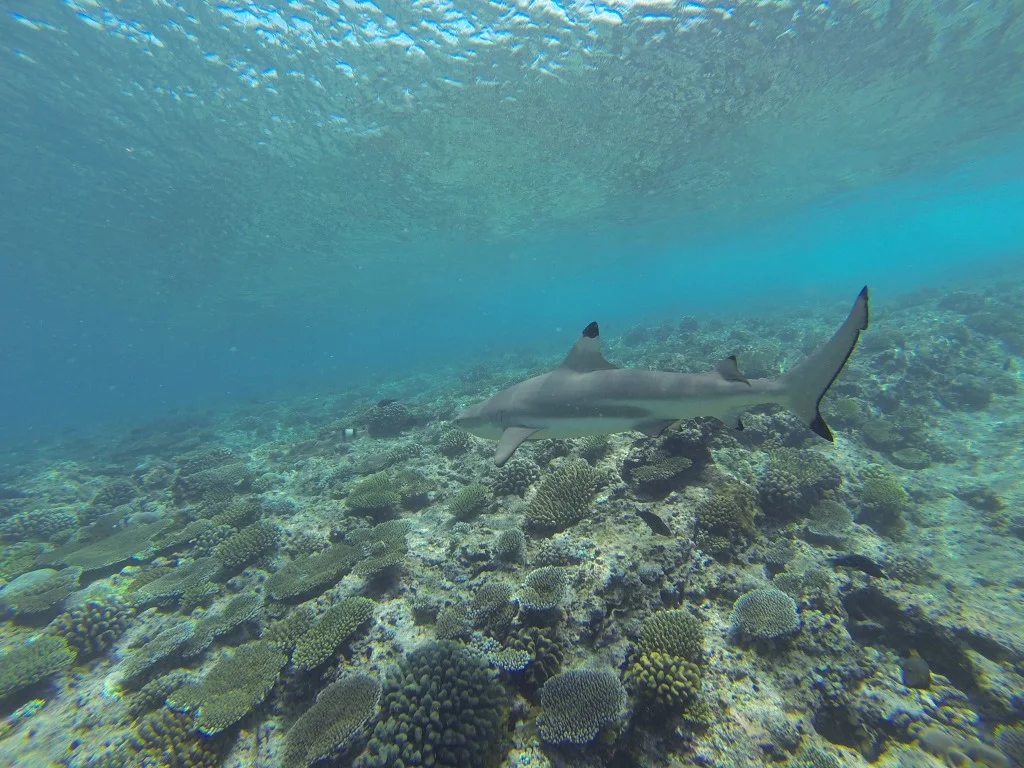
Upon descending onto Long Island's wrecks and reefs, divers are often greeted by the inhabitants drawn to these artificial structures. Sightings can include various species of pelagic sharks, particularly during specific seasons when they frequent the offshore feeding grounds.
Whales and dolphins are also observed, especially from the boat during surface intervals, adding a significant topside component to the wildlife encounter. Closer to the wrecks themselves, expect to see white sea bass navigating the structures, and occasional turtles can be spotted around shallower reefs.
The wrecks act as important habitats, concentrating marine life that might otherwise be sparsely distributed across the open Atlantic seabed.
Dive Sites Near Halftime Dive Boat
View all dive sites in United StatesDiscover more underwater gems in this area.
Dive Centers Near Halftime Dive Boat
Nearest Airports
Nearest airports to help plan travel to this dive area.
Search Flights
Check available flights and routes on Expedia, using the nearby airports listed in this section.
Search Flights on Expedia
Plan Your Stay
Looking for a place to stay for your dive trip? Explore hotels, stays, and vacation rentals for dive groups near Shinnecock Hills.
Dive Navigator may earn a commission from these links at no extra cost to you.
Frequently Asked Questions
What certification level is required to dive with Halftime Dive Boat?
A minimum Advanced Open Water (AOW) certification is required. For many deeper or more challenging sites, a Deep Diver or higher certification is strongly recommended.
What is the typical dive depth range accessible by the boat?
The Halftime Dive Boat accesses a wide range of depths, from inshore wrecks around 18-24 m (60-80 ft) to offshore sites that can reach 82 m (270 fsw) for qualified technical divers. This allows for diverse dive plans based on certification and experience.
Are there specific equipment requirements for divers?
Yes, divers must have their own gloves, two cutting tools, a DSMB and spool, a primary light, and a backup light. A wreck reel and a JON LINE are also highly recommended for navigating the wreck environments.
What kind of marine life might I encounter?
Divers may spot pelagic sharks, white sea bass, and occasionally turtles around the wrecks and reefs. Whales and dolphins are often observed from the boat during transit, particularly in season.
When is the best time of year to dive with Halftime Dive Boat?
The optimal dive season runs from June through October. During these months, air temperatures are milder, and wave heights are generally lower, leading to more comfortable and accessible diving conditions.
Does the Halftime Dive Boat visit technical dive sites?
Yes, the boat can facilitate dives to technical sites like the U851 and the SS Andrea Doria. These dives demand specific technical diving certifications and specialized equipment.
Is gear rental available for dives?
Yes, basic gear such as tanks, wetsuits, hoods, BCDs, regulators, and dive computers are available for rent. It's advisable to confirm availability and pricing in advance.
Planning to dive Halftime Dive Boat?
Send one inquiry and receive offers directly from the best verified local dive operators.
Conditions are Good
Optimal conditions expected
Current conditions near Halftime Dive Boat show 22° air, 22° sea temperature, 0.9 m waves, and 32 km/h wind. Forecast data is refreshed regularly to ensure accuracy.