
Diving at Mandy Ray Wreck (United States)
Off Shinnecock Inlet in the United States, the Mandy Ray Wreck transformed from a working vessel into an underwater habitat. Now serving as a lasting memorial to Ken and Jean Marie Jastrzebski, the site effectively blends maritime history with its vibrant role as an artificial reef. Divers are drawn to explore its structure, witnessing this unique repurposing firsthand.
Evening condition tracking at Mandy Ray Wreck features an air temperature of 22°C. We have recorded wave heights measuring 1 m during this period. These figures outline the environmental parameters currently present.
Dive Site Location & Key Facts
Dive Site Overview
Stretching 38.4 meters (126 feet) in length, the Mandy Ray Wreck provides a substantial underwater structure, resting upright and largely intact. Its sinking in October 1998 aimed to enhance local underwater habitat, a purpose now well-fulfilled as it offers ample refuge for diverse marine species.
Descending, divers will first encounter the prominent superstructure, with shallower parts ascending to approximately 13.7 meters (45 feet) below the surface. The wreck's main body extends deeper, generally within recreational limits, reaching a maximum depth of 27.4 meters (90 feet). Accessing this saltwater site by boat leads to a compelling dive, exploring a relatively new yet thoroughly colonized artificial reef.
Various sections are open for exploration, appealing especially to divers holding appropriate wreck diving certifications. A dynamic environment continuously evolves here, with marine life actively colonizing surfaces and sheltering within interior spaces, creating a rich experience for observant divers.
Conditions are Good
Optimal conditions expected
Current conditions near Mandy Ray Wreck show 22° air, 22° sea temperature, 0.9 m waves, and 35 km/h wind. Forecast data is refreshed regularly to ensure accuracy.
Best Time to Dive
Optimal visibility and generally calmer ocean conditions for diving the Mandy Ray Wreck are typically experienced from June through October. During these months, the dive scores are consistently rated as 'Good,' with air temperatures reaching highs around 24.5°C (76°F) in July, making surface intervals more comfortable. While specific water temperature data is not consistently reported, divers should expect temperate water conditions that vary seasonally, necessitating suitable thermal protection. Wave heights are usually lower in summer, averaging around 1.0 to 1.2 meters (3 to 4 feet), and wind speeds tend to be moderate, contributing to more favorable diving days. Rainfall is also generally lower during this peak season, averaging 2-4 mm, reducing potential run-off that could affect water clarity. These combined factors generally make late spring through early autumn the most advisable period for planning a visit.
PEAK SEASON SCORE
Scores combine air & water temps, waves, wind & rainfall for overall conditions.
BEST MONTHS TO DIVE
Monthly records compiled from satellite and marine observation nodes over the last 3 years. Data provided by Open-Meteo and MET Norway.
Dive Experience & Conditions
Descending onto the Mandy Ray Wreck, divers first encounter the prominent superstructure rising from the seabed, creating an impressive focal point. The wreck maintains an upright and mostly intact position, offering an 'awesome sight' as its form emerges from the blue. While shallower parts reach a recreational depth, the full extent of the vessel generally lies in deeper sections. Exposure to typical ocean conditions means currents can vary, and divers should be prepared for potential shifts in underwater flow. Saltwater nurtures various temperate marine species. Navigation around the wreck is facilitated by its structure, allowing for thorough exploration by those trained in wreck diving. Visibility here depends heavily on recent weather and ocean patterns, but can be good during favorable periods.
Dive Difficulty & Safety Guidelines
Before planning a dive on the Mandy Ray, understanding the requirements for ocean and wreck diving is paramount. This site is recommended for divers holding at least a PADI Advanced Open Water Diver certification, with PADI Deep Diver and Wreck Diver specialties highly advisable to safely explore the maximum depth and internal structures. Always consult local dive professionals or operators for the most current site conditions, including visibility and currents, as these can change quickly.
Entry is exclusively by boat, requiring careful briefing and adherence to boat diving protocols. While specific hazards are not consistently reported for this site, standard safe diving practices apply: plan your dive, dive your plan, monitor your air and depth, and never exceed your training or experience limits.
Maintain awareness of your surroundings and adhere to responsible wreck diving techniques to ensure safety.
Recommended Equipment
Overhead / entanglement risk. Wreck penetration requires proper training.
- Dive Computer
- DSMB
- Primary & Backup Lights
- Wreck Reel
- Cutting Tool
This gear list is based on verified equipment signals for Mandy Ray Wreck, United States. Always confirm final gear choices with your dive operator, guide, or liveaboard.
Recommended Dive Suit
Recent conditions suggest the water at Mandy Ray Wreck remains near 22°C (71°F), offering typical conditions for the area. Surface air temperatures are resting at 22°C (72°F).
Weather models indicate a small drop in surface temperatures later this week. Cooler days are ahead; you might want a warmer option for later in the week. A neoprene vest or hood can add flexibility if temperatures feel cooler underwater.
Most divers exploring waters at this temperature rely on 3-5mm wetsuit for effective insulation. Consider warmer surface protection (like a boat coat) due to brisk winds. Surface intervals may feel cooler. Water temperature is only one factor influencing overall comfort during a dive. Stronger winds may also make surface intervals feel cooler than usual.
Emergency & Medical Support
Essential information to help you plan your dive trip to Mandy Ray Wreck.

Hyperbaric chambers are a critical part of dive safety infrastructure. Availability varies significantly by region, and not all dive areas have immediate access.
Before diving, it's recommended to:
- confirm nearest medical facilities
- check emergency procedures with local dive operators
- ensure dive insurance covers evacuation if required
Divers Alert Network
Diving emergency assistance available through DAN World.
+1-919-684-9111- 24/7 emergency hotline
- Diving medical assistance
- Evacuation coordination
Emergency contacts are provided for reference. Always verify local emergency services before diving.
Marine Life at Mandy Ray Wreck
Mandy Ray's structure forms a vibrant artificial reef, creating a complex underwater landscape for a variety of marine organisms. The wreck is 'loaded with marine life,' attracting many species that often find shelter and foraging grounds among its decaying metal, including some of the same types it might have harvested during its operational life.
Divers might encounter various fish species congregating around the superstructure and within the cargo holds. While sightings vary, the marine environment generally supports creatures typical of temperate ocean wrecks.
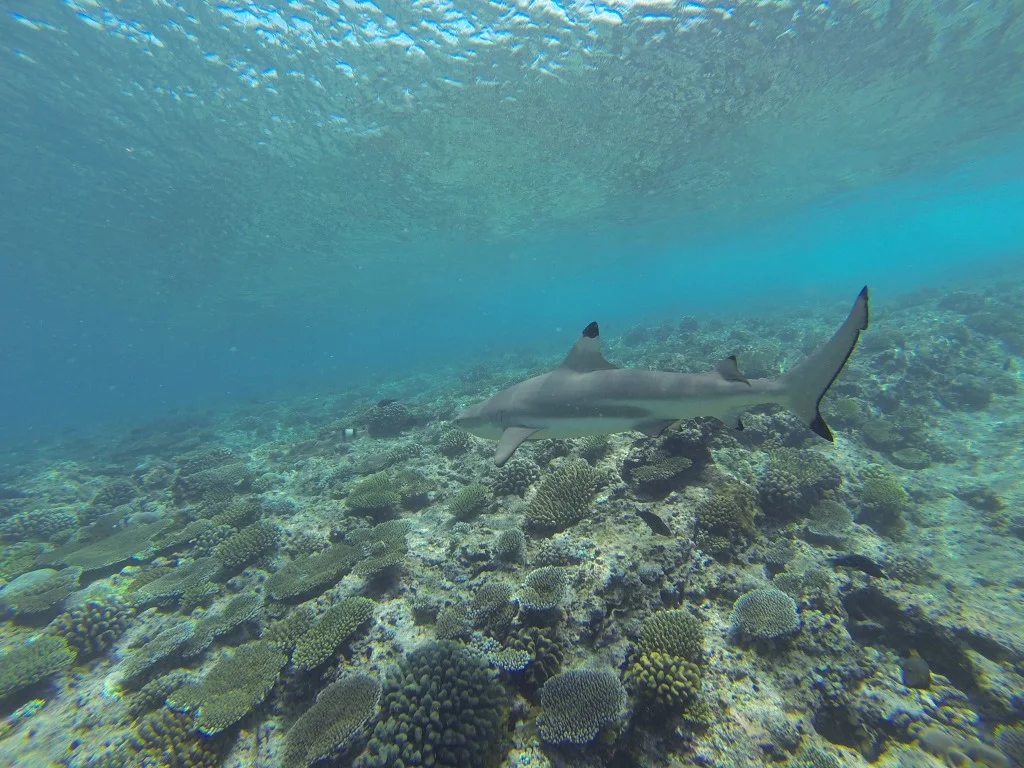
Expect potential sightings of various sharks, whales, dolphins, and turtles, though their presence is less consistent on the wreck itself and more dependent on seasonal migrations and local ecosystem activity.

Dive Sites Near Mandy Ray Wreck
View all dive sites in United StatesDiscover more underwater gems in this area.
Dive Centers Near Mandy Ray Wreck
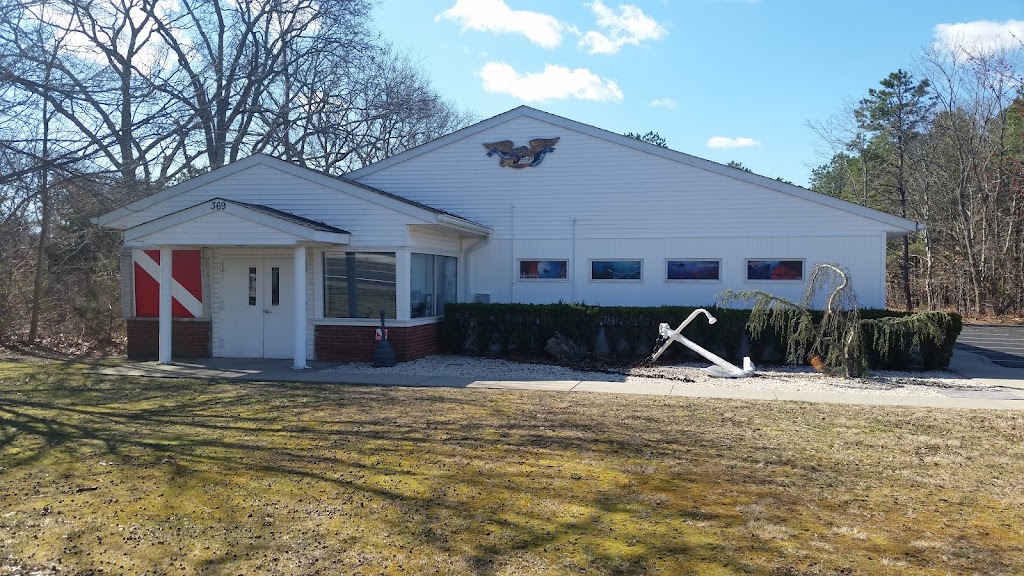
Nearest Airports
Nearest airports to help plan travel to this dive area.
Search Flights
Check available flights and routes on Expedia, using the nearby airports listed in this section.
Search Flights on Expedia
Plan Your Stay
Looking for a place to stay for your dive trip? Explore hotels, stays, and vacation rentals for dive groups near Hampton Bays.
Dive Navigator may earn a commission from these links at no extra cost to you.
Frequently Asked Questions
What is the maximum depth of the Mandy Ray Wreck?
Mandy Ray Wreck's main structure generally rests at a maximum depth of 27.4 meters (90 feet). Shallower parts of its superstructure, however, extend significantly closer to the surface, allowing for multi-level diving.
When was the Mandy Ray sunk?
Sunk in October 1998, the Mandy Ray now serves as an artificial reef off Shinnecock Inlet. Its deployment was a purposeful initiative to create new underwater habitat.
What type of dive site is the Mandy Ray Wreck?
A boat-accessed ocean wreck dive site, the Mandy Ray is recognized for its artificial reef qualities. It provides a home for diverse marine life on its largely intact structure.
What dive certifications are recommended for the Mandy Ray Wreck?
Due to its depth and the nature of wreck diving, a PADI Advanced Open Water Diver certification is recommended. Specialized training such as PADI Deep Diver and Wreck Diver would further enhance safety and the diving experience.
What is the best time of year to dive the Mandy Ray?
Diving the Mandy Ray Wreck is typically best from June through October. These months offer generally more favorable conditions, including calmer seas and warmer air temperatures.
Is the wreck intact?
The Mandy Ray Wreck is largely intact, sitting upright on the seabed. This structural integrity contributes to an 'awesome sight' for divers and provides a compelling subject for exploration.
Planning to dive Mandy Ray Wreck?
Send one inquiry and receive offers directly from the best verified local dive operators.
Conditions are Good
Optimal conditions expected
Current conditions near Mandy Ray Wreck show 22° air, 22° sea temperature, 0.9 m waves, and 35 km/h wind. Forecast data is refreshed regularly to ensure accuracy.