
Diving at Ponquogue Bridge (United States)
Navigating the tidal currents near Ponquogue Bridge demands precise planning, as conditions can shift rapidly from slack to swift. This shore dive in Hampton Bays, NY, offers an accessible entry point to explore the foundational structures of both the old and new bridges. Divers primarily engage in drift diving here, a technique essential for managing the strong flows that often characterize the site. It's a popular location for local divers, known for its dynamic environment.
As evening covers Ponquogue Bridge, the local air temperature is measured at 25.5°C. The current wave height at the surface is recorded at 0.6 m. These late-day readings characterize the surface conditions for the night.
Dive Site Location & Key Facts
Dive Site Overview
Initially, the Old Ponquogue Bridge served as the sole terrestrial link connecting Hampton Bays to the Atlantic Ocean barrier island before the construction of a new, stationary bridge altered the landscape. Today, the area beneath Ponquogue Bridge provides a compelling shore-accessible drift dive experience in Hampton Bays, NY.
Divers typically initiate their descent near the public access points, navigating along the foundational pilings of the old bridge and around the robust stanchions of the newer structure. These submerged architectural elements create a complex habitat where a variety of marine life tends to congregate, offering a rich environment for observation. The maximum reported depth for this site is approximately 2 m / 9 ft, making it distinctly shallow and focusing the dive on horizontal exploration rather than vertical descent.
While popular with local fishermen who utilize the bridges from above, the underwater environment draws divers interested in its structural complexity and the opportunities to observe seasonal marine inhabitants up close. Successful dives here necessitate precise timing around slack tide to ensure a manageable experience within the often-strong tidal currents.
The interplay of man-made structures and natural water flow creates a dynamic underwater setting, appealing to those who appreciate a less conventional dive site.
Conditions are Good
Optimal conditions expected
Current conditions near Ponquogue Bridge show 25° air, 22° sea temperature, 0.9 m waves, and 31 km/h wind. Forecast data is refreshed regularly to ensure accuracy.
Best Time to Dive
Considering the conditions, the period from late spring through early autumn typically presents the most favorable diving. Climates indicate that June through October consistently yield 'Good' dive scores, with July and August seeing the warmest average air temperatures around 24.5°C / 76°F and 22.5°C / 72°F respectively. Rain in these months averages between 2.01mm and 3.49mm, suggesting generally drier periods. Early in the dive season, such as March or April, water temperatures can be significantly cooler, around 11°C / 52°F, necessitating dry suits or thick 7mm wetsuits for comfort. As the year progresses into May, water temperatures typically rise, enhancing the overall dive experience. Summertime diving often requires a town of Southampton permit for parking.
PEAK SEASON SCORE
Scores combine air & water temps, waves, wind & rainfall for overall conditions.
BEST MONTHS TO DIVE
Monthly records compiled from satellite and marine observation nodes over the last 3 years. Data provided by Open-Meteo and MET Norway.
Dive Experience & Conditions
Accessing this dive involves a shore entry, making it highly accessible via car in Hampton Bays, NY. Divers should plan their entry just prior to high slack tide to avoid strong currents that can pull quickly towards the Atlantic. While much of the dive explores the pilings of the old bridge, the new bridge's supports also host a variety of life. The bottom consists of areas blanketed with mussels, providing interesting terrain for exploration. Conditions are highly tide-dependent; a careful watch on the current is paramount, particularly near the end of the dive. The maximum depth is shallow, generally around 2 meters / 9 feet, focusing the experience on horizontal exploration of the bridge structures.
Dive Difficulty & Safety Guidelines
Diving at Ponquogue Bridge necessitates a strong understanding of tidal currents, making PADI Drift Diver training particularly useful. It's crucial to enter the water just before high slack tide and limit bottom time to prevent being caught in powerful outgoing currents. Divers should be aware of the boat channel, especially near the end of the old bridge and under the new bridge's wooden pilings, where surfacing should be avoided.
A surface marker buoy and dive flag are essential items for signaling position to surface traffic. Additionally, seasonal parking permits are required from the Town of Southampton for access.
Recommended Equipment
Current and surface separation risk. Local briefing strongly recommended.
- Dive Computer
- DSMB
- Reel / Spool
- Hard-soled Dive Boots
This gear list is based on verified equipment signals for Ponquogue Bridge, United States. Always confirm final gear choices with your dive operator, guide, or liveaboard.
Recommended Dive Suit
For relaxed exploration dives, 3-5mm wetsuit generally provides adequate warmth. A hood or vest is suggested for sensitive divers due to surface winds. Those diving at Ponquogue Bridge today will likely encounter water temperatures in the region of 22°C (72°F). Surface air temperatures are resting at 25°C (78°F).
Surface temperatures may decrease slightly later in the week. A significant temperature drop is forecast; strongly suggest bringing a backup warmer suit option. Some divers bring an extra layer for surface intervals between dives.
A diver's personal tolerance to cold water can play a large role in suit selection.
Emergency & Medical Support
Essential information to help you plan your dive trip to Ponquogue Bridge.

Hyperbaric chambers are a critical part of dive safety infrastructure. Availability varies significantly by region, and not all dive areas have immediate access.
Before diving, it's recommended to:
- confirm nearest medical facilities
- check emergency procedures with local dive operators
- ensure dive insurance covers evacuation if required
Divers Alert Network
Diving emergency assistance available through DAN World.
+1-919-684-9111- 24/7 emergency hotline
- Diving medical assistance
- Evacuation coordination
Emergency contacts are provided for reference. Always verify local emergency services before diving.
Marine Life at Ponquogue Bridge
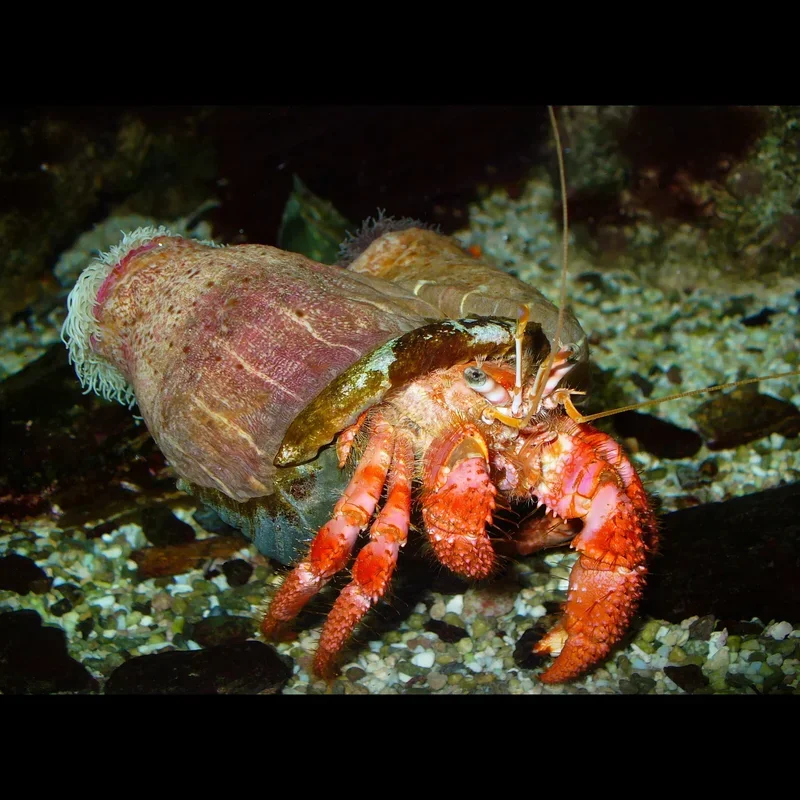
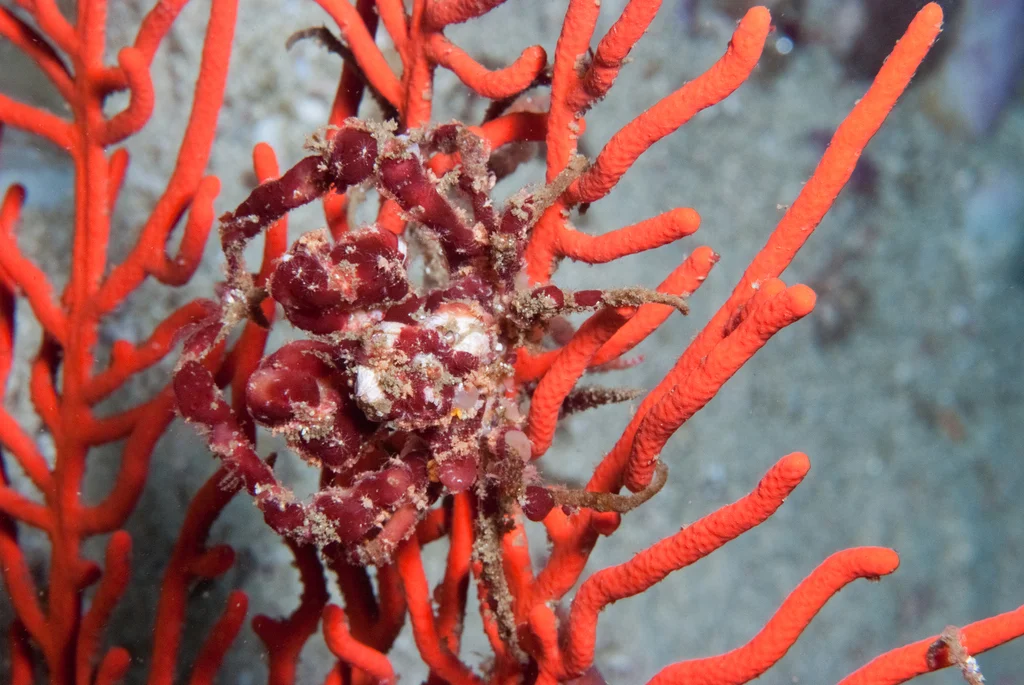
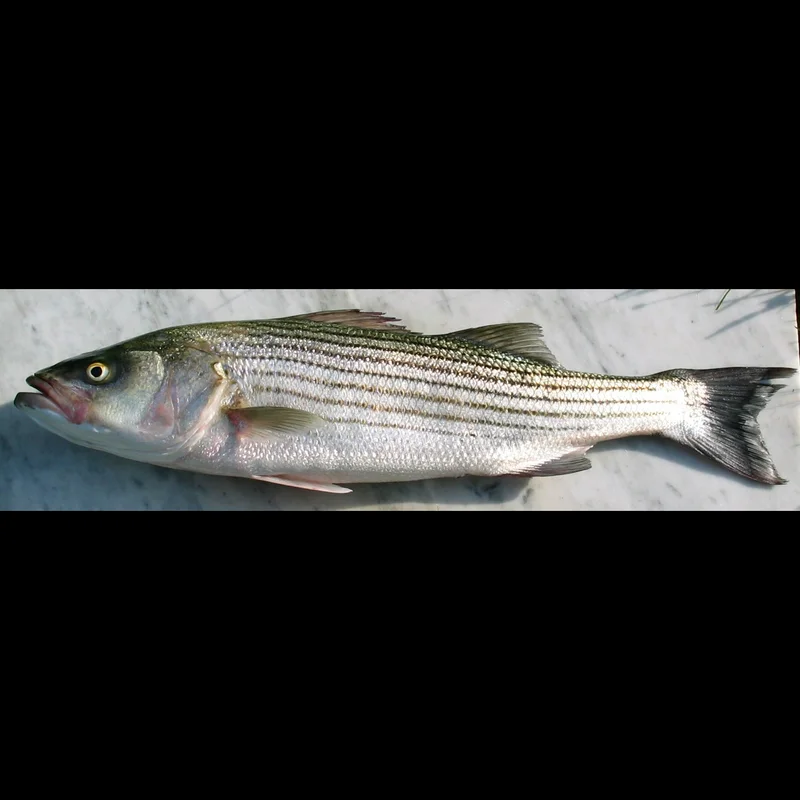
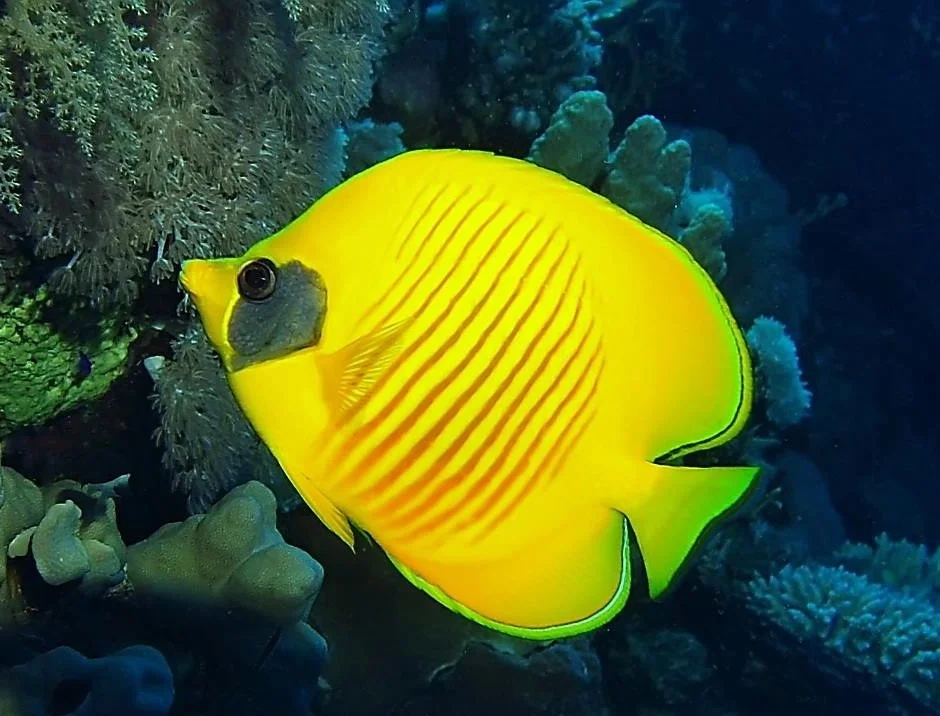
Initially, divers might notice the extensive presence of spider crabs and conger eels dwelling among the bridge structures. Seasonal changes bring a variety of species, from butterflyfish and triggerfish to striped bass and grouper.
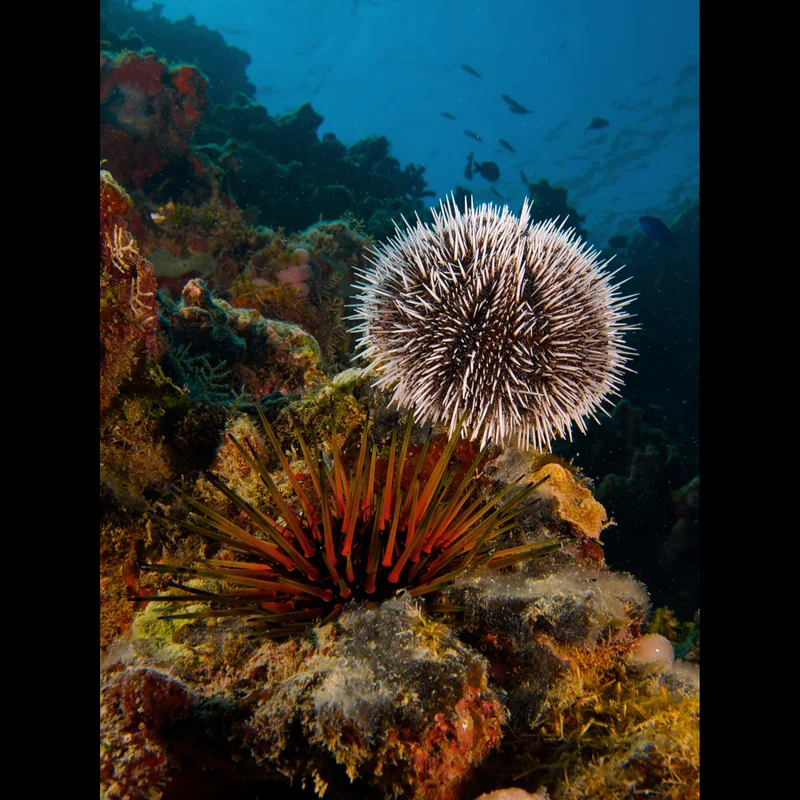
The sandy bottom areas often reveal horseshoe crabs, hermit crabs, and an abundance of mussels, alongside starfish and sea urchins. Early in the season, blackfish are often spotted near the new bridge's stanchions, while seahorses can also be observed camouflaged within the pilings.
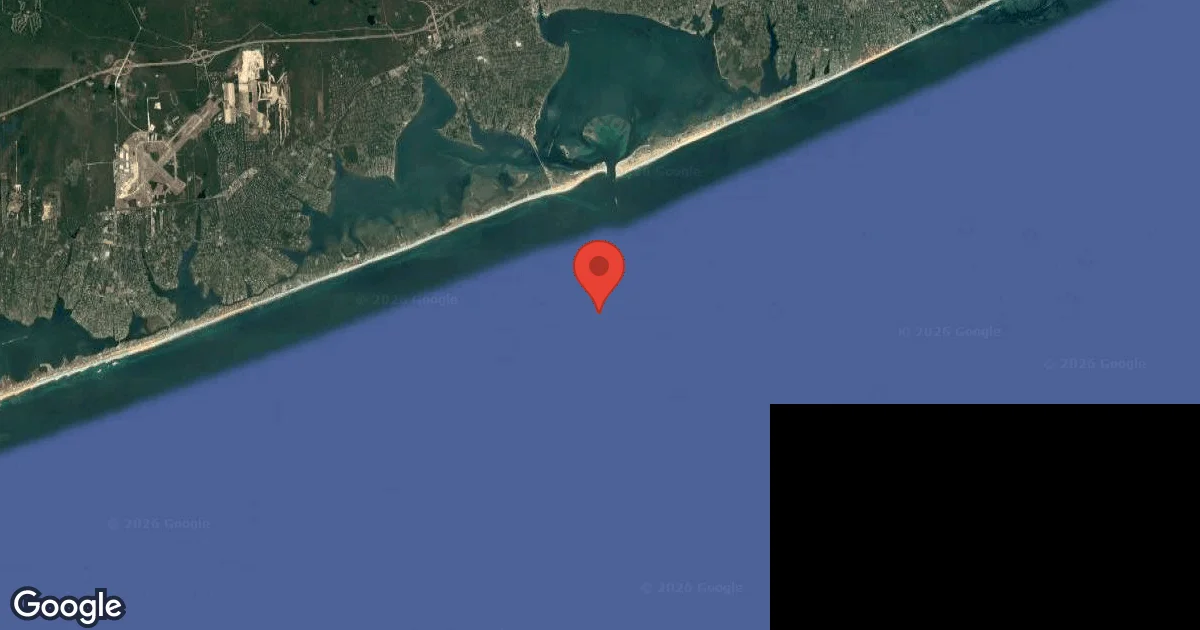
Dive Sites Near Ponquogue Bridge
View all dive sites in United StatesDiscover more underwater gems in this area.
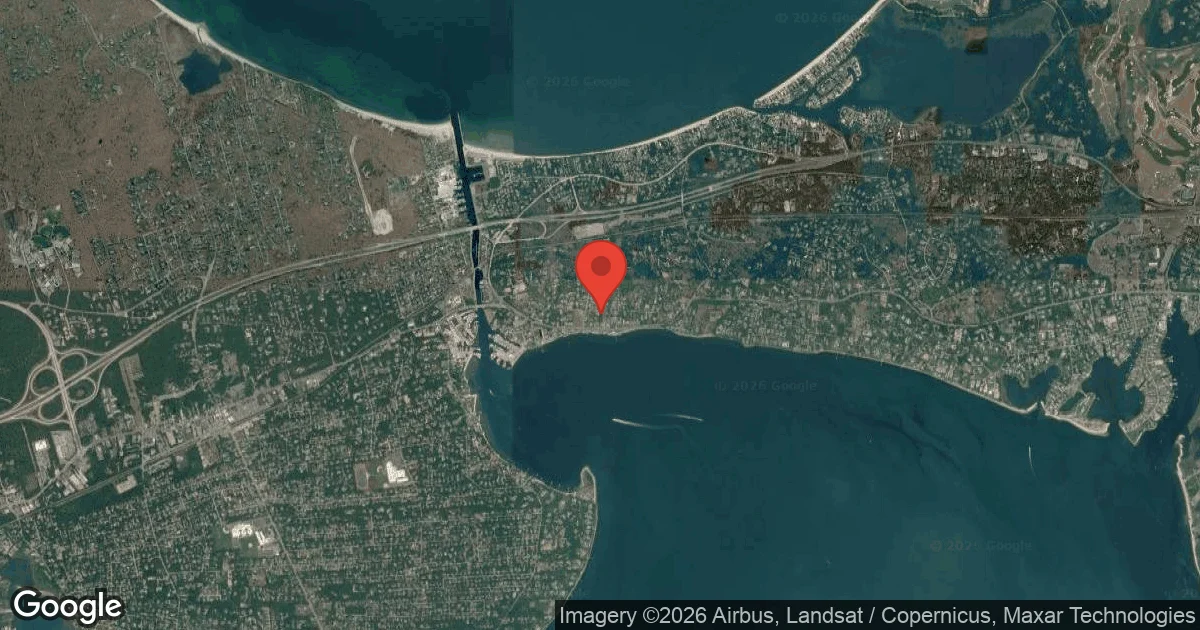
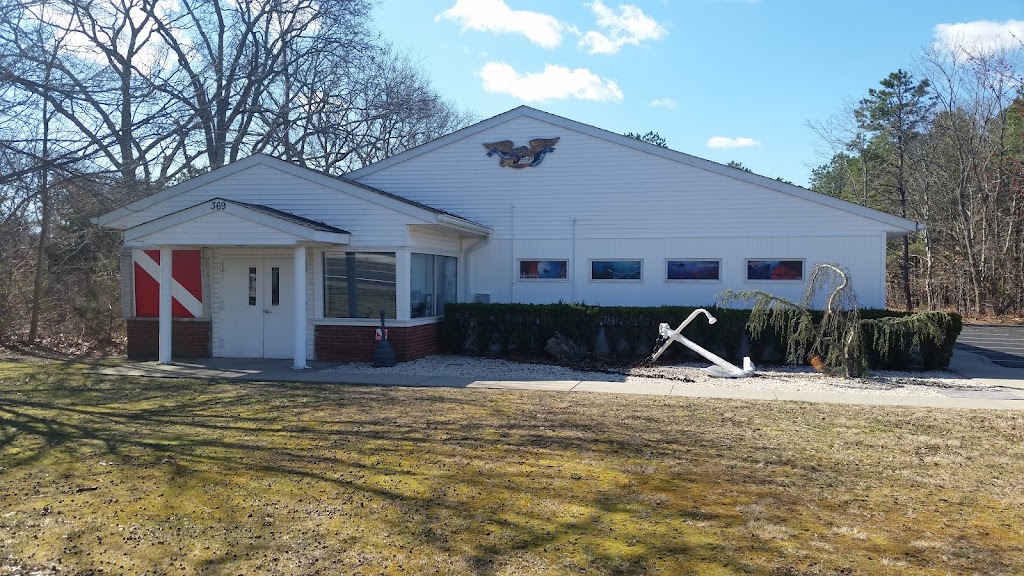
Dive Centers Near Ponquogue Bridge
Nearest Airports
Nearest airports to help plan travel to this dive area.
Search Flights
Check available flights and routes on Expedia, using the nearby airports listed in this section.
Search Flights on Expedia
Plan Your Stay
Looking for a place to stay for your dive trip? Explore hotels, stays, and vacation rentals for dive groups near Hampton Bays.
Dive Navigator may earn a commission from these links at no extra cost to you.
Frequently Asked Questions
What kind of dive is Ponquogue Bridge?
Ponquogue Bridge is primarily a shore-entry drift dive, popular among local divers. Its unique setting beneath bridge structures makes it an engaging site for exploration.
What is the maximum depth at Ponquogue Bridge?
The maximum reported depth at this dive site is approximately 2 m / 9 ft. This shallow profile focuses the dive on horizontal exploration along the bridge's foundations.
What marine life can be seen at Ponquogue Bridge?
Divers often encounter spider crabs, conger eels, and a variety of fish such as triggerfish, striped bass, and blackfish. Seahorses, horseshoe crabs, and an abundance of mussels also inhabit the area.
Are permits required to dive at Ponquogue Bridge?
Yes, divers do require permits seasonally to park at this location, particularly from the Town of Southampton during the summertime months. It's advisable to confirm current requirements before visiting.
What are the best conditions for diving Ponquogue Bridge?
The most favorable conditions occur when dives are timed just before high slack tide to mitigate strong currents. Periods from late spring through early autumn generally offer warmer air temperatures and better dive scores.
What training is recommended for diving this site?
Given the tidal currents and the drift diving nature of the site, PADI Drift Diver training is highly recommended. This helps divers manage the conditions safely and effectively.
What are the typical water temperatures at Ponquogue Bridge?
Water temperatures vary significantly with the seasons. Early in the dive season, it can be around 11°C / 52°F, necessitating appropriate thermal protection like dry suits or thick wetsuits. Temperatures gradually rise into the summer months.
Planning to dive Ponquogue Bridge?
Send one inquiry and receive offers directly from the best verified local dive operators.
Conditions are Good
Optimal conditions expected
Current conditions near Ponquogue Bridge show 25° air, 22° sea temperature, 0.9 m waves, and 31 km/h wind. Forecast data is refreshed regularly to ensure accuracy.