
Diving at Loss Pontoon (United States)
Loss Pontoon serves as an accessible artificial reef option near Panama City Beach. Strategically placed, this site cultivates a thriving habitat for observing local marine life. With a manageable depth of 14-20 m (45-65 ft), it suits recreational divers, providing a rewarding experience without requiring advanced technical skills. Divers often consider it a foundational site, a starting point before deeper wreck explorations in the region.
Evening condition tracking at Loss Pontoon features an air temperature of 28.5°C. We have recorded wave heights measuring 0.3 m during this period. These figures outline the environmental parameters currently present.
Dive Site Location & Key Facts
Dive Site Overview
Divers exploring Loss Pontoon encounter a dedicated artificial reef, a key component in Panama City Beach's reputation for wreck diving. Initially a former pontoon, the site was intentionally prepared and sunk, transforming its original purpose into a vibrant underwater structure.
Specific dates and detailed sinking narratives are not consistently reported, yet its status as an established dive site is well-documented, providing a consistent landmark for navigation. Lying at a maximum depth of 20 m (65 ft) with shallower sections starting around 14 m (45 ft), the pontoon offers a substantial focal point on the seabed; its contours and crevices inviting exploration. Numerous species are drawn to the structure, from schooling fish to solitary predators, creating an engaging environment for underwater photography and observational diving.
Many local dive operators consider this a nearshore staple, frequently including it in their 4-hour charter itineraries. Its successful transformation into a reef highlights regional efforts to enhance both marine ecosystems and diver opportunities in the Gulf of Mexico, making it a valuable addition to the underwater landscape. Such artificial reefs are critical for supporting local biodiversity.
Conditions are Good
07:00 - 14:00
Optimal conditions expected
Current conditions near Loss Pontoon show 29° air, 30° sea temperature, 0.3 m waves, and 23 km/h wind. Forecast data is refreshed regularly to ensure accuracy.
Best Time to Dive
Optimizing visibility for a dive at Loss Pontoon often aligns with the peak diving season, typically from April through September. During these months, air temperatures are comfortably warm, averaging 20.5-29°C (69-84°F), which generally correlates with more stable surface conditions. Wave heights tend to be lower, often averaging 0.6-0.8 meters (2-2.6 ft), and wind speeds are generally reduced compared to winter months. Rain showers, while still occurring, are typically moderate, with monthly averages ranging from 2.4-7.0 mm (0.1-0.3 inches). These factors combine to create clearer water conditions, enhancing the overall dive experience. The period between February and November is generally considered good for diving, with October often rated highly due to reduced rainfall and favorable sea states.
PEAK SEASON SCORE
Scores combine air & water temps, waves, wind & rainfall for overall conditions.
BEST MONTHS TO DIVE
Monthly records compiled from satellite and marine observation nodes over the last 3 years. Data provided by Open-Meteo and MET Norway.
Dive Experience & Conditions
Understanding the current dynamics at Loss Pontoon is key to planning an enjoyable dive, as conditions can vary with tides and local weather patterns. Being a nearshore site, it may experience mild to moderate currents at times, influencing visibility and the effort required for navigation. Divers can expect to explore the pontoon's structure, which sits within a recreational depth range, from 14 m (45 ft) at its highest points to 20 m (65 ft) on the sand. Visibility is not consistently reported but is generally influenced by plankton blooms, rain runoff, and surge from recent weather events. Typically, sufficient clarity allows for a rewarding exploration of the wreck's features and its resident marine life. The location presents a straightforward wreck dive for certified open water divers.
Dive Difficulty & Safety Guidelines
Approaching the Loss Pontoon requires a practical understanding of general wreck diving protocols, even though it's a relatively shallow site. Always conduct thorough buddy checks and monitor your gas supply, especially when exploring any overhead environments or tight spaces if present. While the Loss Pontoon is not noted for extreme hazards, entanglement risks are always a consideration on any artificial reef; maintaining good buoyancy control and situational awareness is crucial.
Respect marine life by avoiding contact with the reef structure or its inhabitants. Given its location as a popular charter destination, adhering to the dive operator's specific briefings and guidelines ensures a safe and structured experience at this accessible site.
Recommended Equipment
- Dive Computer
This gear list is based on verified equipment signals for Loss Pontoon, United States. Always confirm final gear choices with your dive operator, guide, or liveaboard.
Recommended Dive Suit
Forecasts suggest a slight cooling pattern in the days ahead. Cooler days are ahead; you might want a warmer option for later in the week. A hood or vest can noticeably improve warmth during longer dives.
Thermal protection such as dive skin or rash guard is commonly used in similar temperatures.
At Loss Pontoon, the water is currently sitting around 30°C (85°F). Surface air temperatures are resting at 29°C (83°F).
Emergency & Medical Support
Essential information to help you plan your dive trip to Loss Pontoon.

Hyperbaric chambers are a critical part of dive safety infrastructure. Availability varies significantly by region, and not all dive areas have immediate access.
Before diving, it's recommended to:
- confirm nearest medical facilities
- check emergency procedures with local dive operators
- ensure dive insurance covers evacuation if required
Divers Alert Network
Diving emergency assistance available through DAN World.
+1-919-684-9111- 24/7 emergency hotline
- Diving medical assistance
- Evacuation coordination
Emergency contacts are provided for reference. Always verify local emergency services before diving.
Marine Life at Loss Pontoon
Upon descending to the Loss Pontoon, divers often first notice how the structure itself has become an ecosystem, providing shelter and foraging grounds for various species. While specific creatures for this site are not detailed in available data, artificial reefs in this region typically attract a range of Gulf Coast fish.
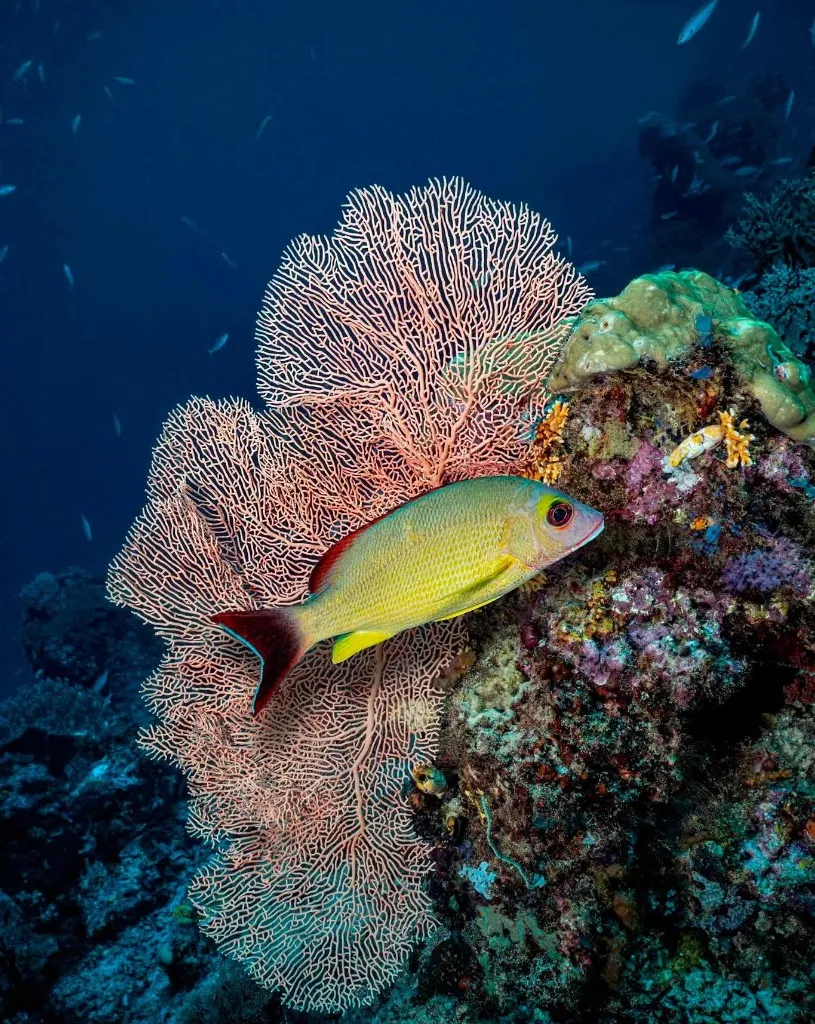
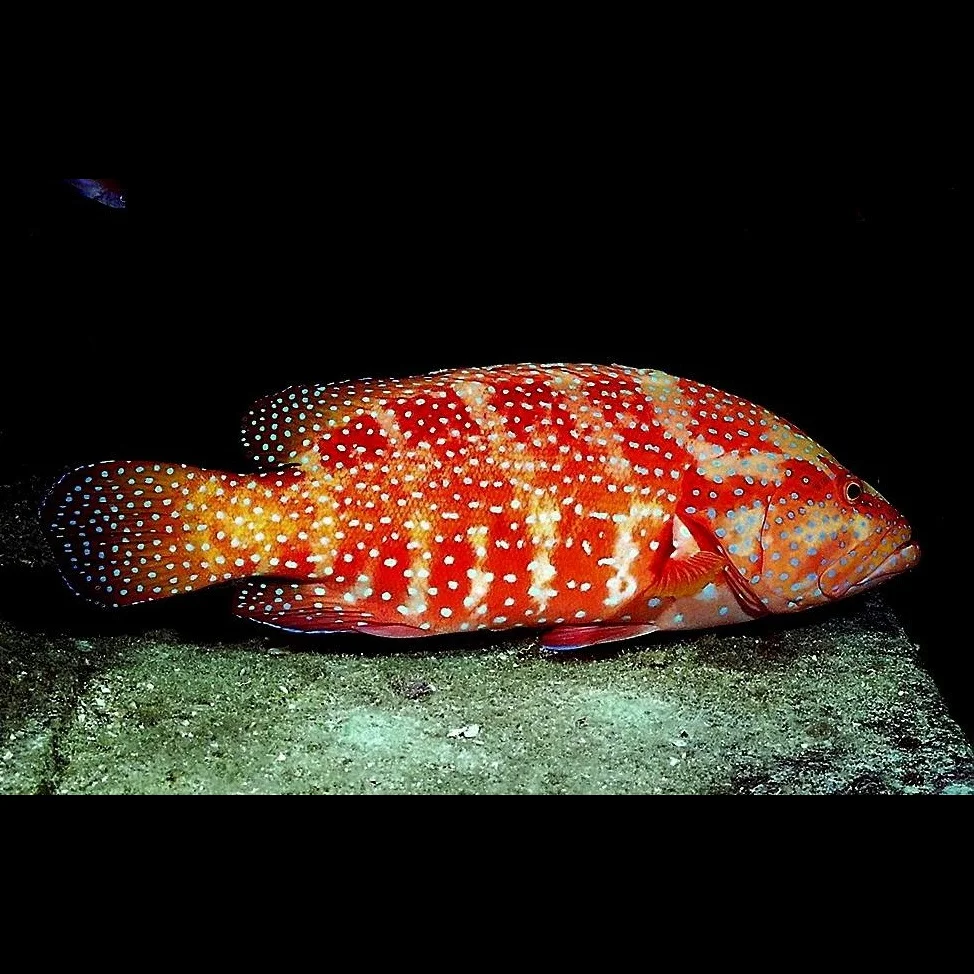
Expect to observe common reef fish, such as snapper and grouper, that utilize the wreck for cover. Schools of baitfish might also be present, attracting larger predators depending on the season.
The encrusting organisms on the pontoon's surfaces, like sponges and corals, add to the site's vibrant underwater appeal.
Dive Sites Near Loss Pontoon
View all dive sites in United StatesDiscover more underwater gems in this area.
Dive Centers Near Loss Pontoon
Today: 09:00 - 16:00
Nearest Airports
Nearest airports to help plan travel to this dive area.
Search Flights
Check available flights and routes on Expedia, using the nearby airports listed in this section.
Search Flights on Expedia
Plan Your Stay
Looking for a place to stay for your dive trip? Explore hotels, stays, and vacation rentals for dive groups near Tyndall Air Force Base.
Dive Navigator may earn a commission from these links at no extra cost to you.
Frequently Asked Questions
What is the maximum depth of the Loss Pontoon dive site?
Loss Pontoon sits at a maximum depth of 20 m (65 ft). Divers can expect to find shallower sections of the structure starting around 14 m (45 ft).
Is the Loss Pontoon suitable for beginner divers?
Yes, with a maximum depth of 20 m (65 ft), the Loss Pontoon is generally suitable for certified open water divers. It serves as an accessible introduction to wreck diving in a controlled environment.
What kind of marine life can I expect to see at Loss Pontoon?
As an artificial reef, the Loss Pontoon acts as a habitat for various Gulf Coast marine species. You might encounter local reef fish like snapper and grouper, as well as schools of smaller fish that congregate around the structure.
When is the best time of year to dive the Loss Pontoon?
Peak diving season, typically April through September, generally offers the best conditions for diving Loss Pontoon. During this time, lower wave heights and more moderate winds often contribute to better visibility.
How did the Loss Pontoon become a dive site?
Loss Pontoon was intentionally sunk as part of an artificial reef program. A purposeful transformation provides new purpose for the structure, creating a habitat for marine life and an interesting site for divers.
Are there strong currents at the Loss Pontoon?
Current conditions at Loss Pontoon can vary, influenced by tides and weather. While not consistently reported as strong, divers should be prepared for mild to moderate currents, which can affect visibility and navigation.
Planning to dive Loss Pontoon?
Send one inquiry and receive offers directly from the best verified local dive operators.
Conditions are Good
07:00 - 14:00
Optimal conditions expected
Current conditions near Loss Pontoon show 29° air, 30° sea temperature, 0.3 m waves, and 23 km/h wind. Forecast data is refreshed regularly to ensure accuracy.