
Diving at M-9 Site, Reefex #4 (United States)
Reefex #4, M-9 Site, represents a carefully placed artificial reef structure designed to foster marine habitat and provide engaging dive opportunities. This particular spot offers divers a chance to explore a deliberately submerged installation, serving as a functional cornerstone for local biodiversity. Its presence marks a commitment to enhancing the underwater environment, creating a distinct point of interest for exploration.
Tonight's objective overview for M-9 Site, Reefex #4 shows an air temperature of 29.5°C. The measured surface conditions include wave heights around 0.7 m. This environmental data is logged for the close of the day.
Dive Site Location & Key Facts
Dive Site Overview
As an integral component of the broader Reefex #4 artificial reef system, M-9 Site embodies an ongoing commitment to cultivating marine ecosystems through strategic deployments. These submerged structures are not just random placements; they're meticulously introduced to create new habitat and expand recreational opportunities for divers and anglers alike.
While specific historical details about M-9 Site's individual sinking event are not consistently reported, artificial reefs generally evolve into vibrant underwater communities over time. Divers exploring these formations can observe the progressive colonization by various species, transforming inert structures into dynamic living spaces. Water temperatures at the site fluctuate throughout the year, generally mirroring surface air temperatures.
These range from cooler averages of 16.5°C (62°F) in January to warmer peaks around 29°C (84°F) in August, influencing the type of marine life present seasonally. Recreational depths are the norm here, making it suitable for a wide range of certified divers seeking accessible underwater exploration.
Primarily supporting local fishing and diving, this site offers an approachable and evolving underwater landscape for those interested in observing ecosystem development firsthand. The site's infrastructure provides numerous nooks and crannies for investigation, appealing to divers focused on macro life and structural exploration.
Conditions are Good
Optimal conditions expected
Current conditions near M-9 Site, Reefex #4 show 30° air, 31° sea temperature, 0.3 m waves, and 33 km/h wind. Forecast data is refreshed regularly to ensure accuracy.
Best Time to Dive
Planning a dive at M-9 Site is best done with an eye on the seasonal conditions. July often presents the most favorable conditions, rated as 'Excellent' for diving, characterized by the lowest average wave heights around 0.5 m (1.6 ft) and moderate wind speeds of approximately 21.3 km/h (13.2 mph). Air temperatures during this peak season can reach 29°C (84°F), suggesting comfortable water conditions, though specific water temperature data is not consistently reported. Months like February, March, April, May, November, and December also offer 'Good' diving scores, with air temperatures ranging from 17°C (63°F) to 25.5°C (78°F), though wave heights may be slightly higher, averaging around 0.9 m (3 ft). Early autumn, specifically September and October, also provide 'Good' conditions with warm air temperatures around 25-27.5°C (77-82°F) but potentially increased wave activity compared to mid-summer.
PEAK SEASON SCORE
Scores combine air & water temps, waves, wind & rainfall for overall conditions.
BEST MONTHS TO DIVE
Monthly records compiled from satellite and marine observation nodes over the last 3 years. Data provided by Open-Meteo and MET Norway.
Dive Experience & Conditions
Entering the water at M-9 Site typically presents conditions suitable for a range of certified divers. Visibility at artificial reefs can vary based on local sediment and plankton levels, but often offers clear viewing around the structures. Currents are not consistently reported but can vary depending on tidal patterns and local weather, suggesting the possibility of moderate flow. Surface conditions are generally calmer during peak summer months, with average wave heights dropping to below 0.5 meters (1.6 feet) in July. This helps ensure easier entry and exit. Divers should generally expect recreational depths, making it accessible for open water certified individuals, while allowing for ample bottom time.
Dive Difficulty & Safety Guidelines
Diver safety at artificial reef sites like M-9 involves attention to general best practices and prevailing conditions. Always assess current strength before and during the dive, as it can fluctuate. Maintaining proper buoyancy control is important to protect the delicate structures and avoid accidental contact.
Divers should adhere to their certification limits and consider the use of local dive guides who are familiar with specific site characteristics. There are no explicitly reported hazards for M-9, but divers should always be aware of potential boat traffic in the area, ensuring proper surface signaling.
Planning for possible entanglement with fishing lines, common on artificial reefs, is a prudent step.
Recommended Equipment
- Dive Computer
This gear list is based on verified equipment signals for M-9 Site, Reefex #4, United States. Always confirm final gear choices with your dive operator, guide, or liveaboard.
Recommended Dive Suit
Water temperatures at M-9 Site, Reefex #4 are currently estimated to be around 31°C (88°F), shaping the overall diving conditions for today. Surface air temperatures are resting at 30°C (85°F).
For the majority of recreational dives here, dive skin or rash guard should provide suitable protection. Consider warmer surface protection (like a boat coat) due to brisk winds.
The coming days appear slightly cooler according to the latest forecast. Cooler days are ahead; you might want a warmer option for later in the week. Some divers prefer carrying a slightly thicker suit as a backup.
Due to technical issues with our weather providers, live updates are temporarily delayed. The data above reflects the conditions at the time of the last successful fetch.
Emergency & Medical Support
Essential information to help you plan your dive trip to M-9 Site, Reefex #4.

Hyperbaric chambers are a critical part of dive safety infrastructure. Availability varies significantly by region, and not all dive areas have immediate access.
Before diving, it's recommended to:
- confirm nearest medical facilities
- check emergency procedures with local dive operators
- ensure dive insurance covers evacuation if required
Divers Alert Network
Diving emergency assistance available through DAN World.
+1-919-684-9111- 24/7 emergency hotline
- Diving medical assistance
- Evacuation coordination
Emergency contacts are provided for reference. Always verify local emergency services before diving.
Marine Life at M-9 Site, Reefex #4
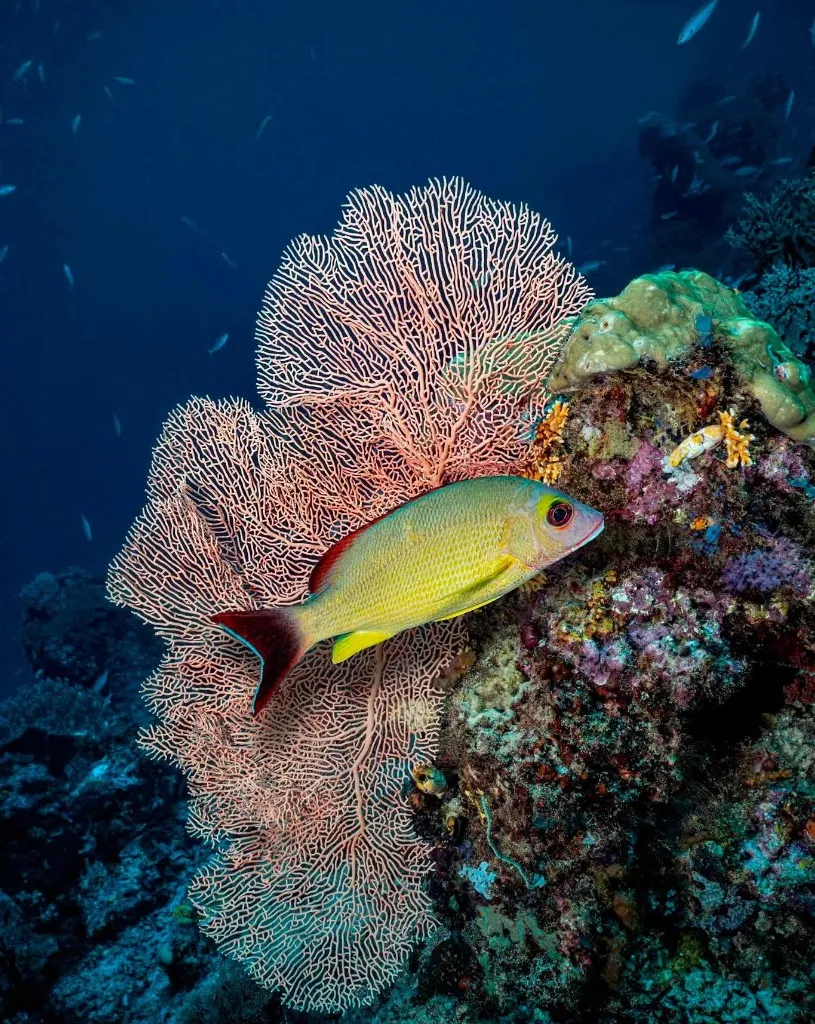
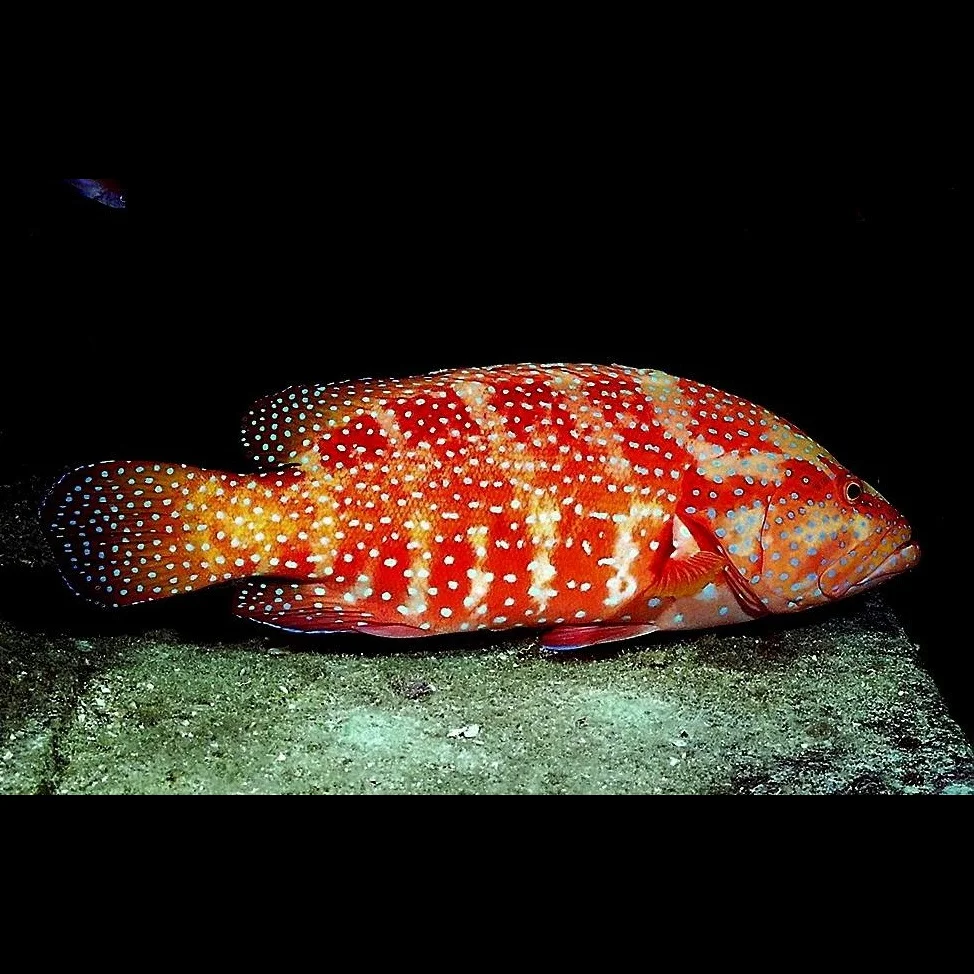
Artificial reefs like the M-9 Site are deliberately created to attract and support marine life, essentially acting as underwater oases. While specific species are not consistently reported, such structures typically become home to a variety of fish species, including snapper, grouper, and various schooling fish.
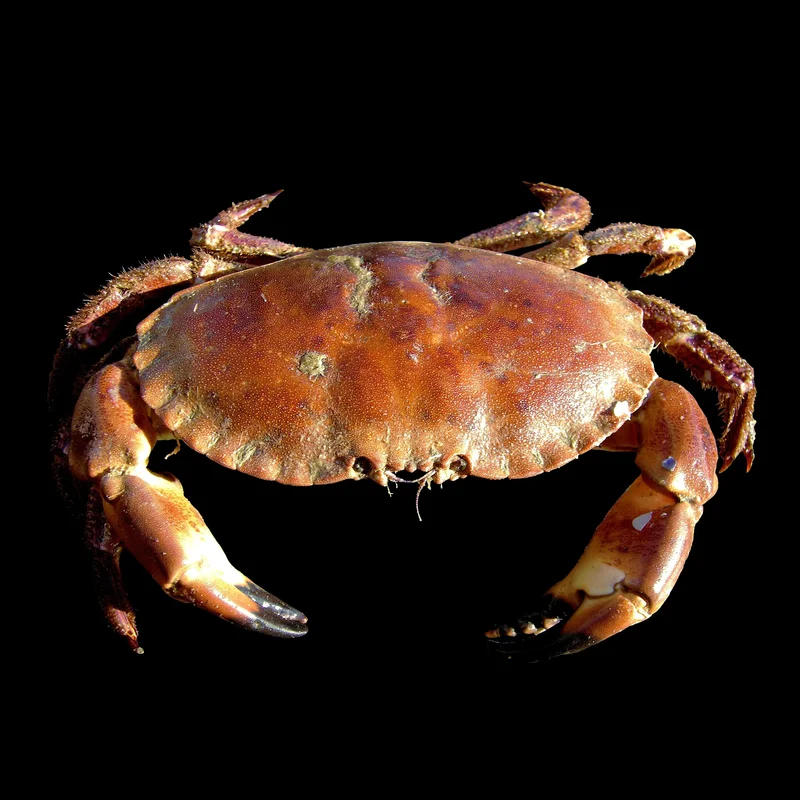
Invertebrates such as crabs and shrimp often find shelter within the reef's contours. Soft corals and sponges also frequently colonize these surfaces, adding texture and color to the underwater landscape.
Dive Sites Near M-9 Site, Reefex #4
View all dive sites in United StatesDiscover more underwater gems in this area.
Dive Centers Near M-9 Site, Reefex #4
Today: 09:00 - 18:00
Nearest Airports
Nearest airports to help plan travel to this dive area.
Search Flights
Check available flights and routes on Expedia, using the nearby airports listed in this section.
Search Flights on ExpediaFrequently Asked Questions
What kind of dive site is M-9 Site?
M-9 Site is a component of the Reefex #4 artificial reef system. It consists of intentionally submerged structures designed to create new marine habitat and provide recreational diving opportunities.
What are the typical dive depths at M-9 Site?
Depths at M-9 Site generally fall within recreational dive limits. Specific depth ranges are not detailed, but divers should prepare for a profile consistent with open water certifications.
When is the best time to dive M-9 Site?
The optimal time for diving is typically July, offering 'Excellent' conditions with minimal waves and moderate winds. Many other months, including February to May and September to December, also provide 'Good' diving opportunities, especially for those accustomed to slightly more variable conditions.
What are the expected water temperatures?
Specific water temperatures are not consistently reported for M-9 Site. However, air temperatures range from approximately 16.5°C (62°F) in winter to 29°C (84°F) in summer, which generally correlates with comfortable water conditions, particularly in warmer months.
Are strong currents common at this site?
Currents at M-9 Site can vary depending on tidal patterns and local weather. While not consistently reported as strong, divers should be prepared for moderate currents and plan their dives accordingly, possibly utilizing drift diving techniques.
What kind of marine life can I expect to see?
As an artificial reef, M-9 Site attracts a variety of marine organisms. Divers can generally expect to see different species of fish, crabs, and potentially soft corals and sponges colonizing the structures, contributing to a vibrant ecosystem.
Planning to dive M-9 Site, Reefex #4?
Send one inquiry and receive offers directly from the best verified local dive operators.
Conditions are Good
Optimal conditions expected
Current conditions near M-9 Site, Reefex #4 show 30° air, 31° sea temperature, 0.3 m waves, and 33 km/h wind. Forecast data is refreshed regularly to ensure accuracy.