
Diving at Moonstone (United States)
Moonstone's coastal waters host diverse marine ecosystems, inviting divers into thriving kelp forests. Expect encounters with various rockfish, perch, and even the occasional sea otter. This Pacific site offers a rich tapestry of life beneath its surface, presenting a dynamic and visually engaging underwater environment for exploration.
Evening condition tracking at Moonstone features an air temperature of 24°C. We have recorded wave heights measuring 0.7 m during this period. These figures outline the environmental parameters currently present.
Dive Site Location & Key Facts
Dive Site Overview
Entering the Pacific along Moonstone's shoreline introduces divers to an environment rich with biodiversity. Lush kelp forests dominate the underwater landscape, providing shelter and foraging grounds for numerous species within a recreational depth range, typically reaching a maximum depth of 30 m (100 ft).
These towering golden and brown structures, rooted on rocky reefs, sway gently with the ocean's rhythm, creating a dynamic, often cathedral-like experience. Navigating through dense fronds requires careful buoyancy control and awareness, as divers can find a variety of rockfish, perch, and vibrant invertebrates taking refuge among the stalks.
While specific water temperatures are not consistently reported for this location, divers should anticipate conditions typical of temperate Pacific waters, meaning appropriate thermal protection such as a drysuit or thick wetsuit is essential for comfort and safety. The underwater topography often features a mix of rocky outcrops, sandy patches, and small canyons, contributing to varied micro-habitats.
This complex coastline and its diverse ecosystem types contribute to a rewarding exploration, revealing everything from camouflaged cabezon to colorful sea stars and anemones adorning the seabed and reef walls. Visibility varies, but calmer conditions can offer clear views through the kelp forest.
Weather Error: fetch failed
Best Time to Dive
Optimal diving conditions at Moonstone typically align with periods of reduced swell and lighter winds, which often contribute to improved visibility. Based on historical climate data, the months of July and August generally present the best opportunities for diving, scoring 'Good' with the highest average air temperatures around 25°C (77°F) and lowest average wave heights around 1.1 m (3.6 ft). While water temperatures are not consistently reported, these months also see average wind speeds drop to about 28.6 km/h (17.8 mph), potentially stabilizing the water column. Conversely, winter months like January and March are rated 'Poor' for diving, characterized by higher wave heights up to 1.7 m (5.6 ft) and stronger winds, decreasing overall appeal and likely reducing underwater clarity. Planning during late spring to early autumn offers a better chance for calmer seas and more enjoyable underwater exploration.
PEAK SEASON SCORE
Scores combine air & water temps, waves, wind & rainfall for overall conditions.
BEST MONTHS TO DIVE
Monthly records compiled from satellite and marine observation nodes over the last 3 years. Data provided by Open-Meteo and MET Norway.
Dive Experience & Conditions
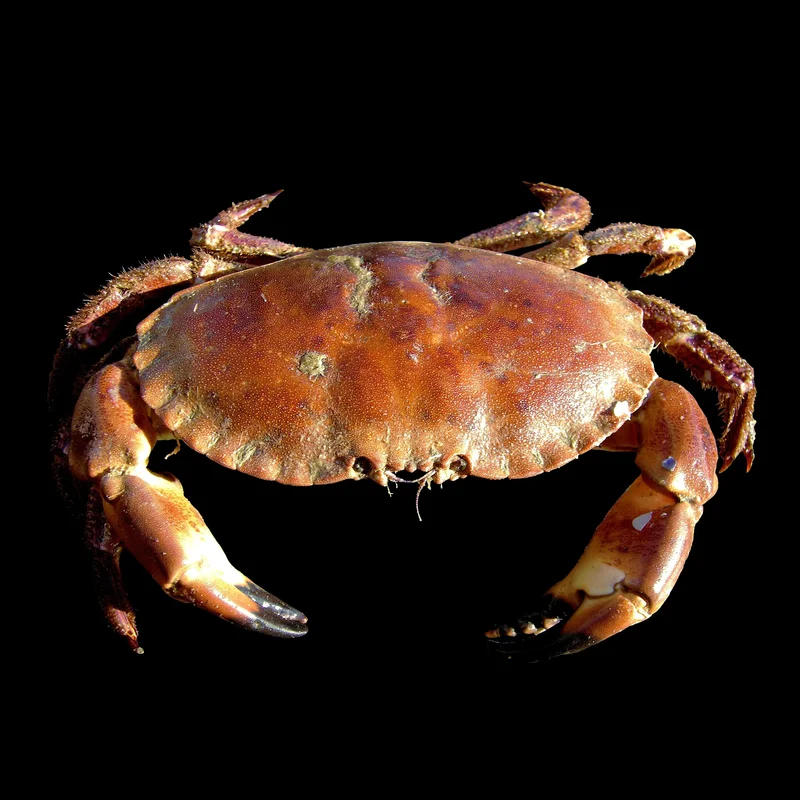
Navigating the kelp forests around Moonstone involves understanding the local current dynamics, which vary significantly with tides and swell. While specific current speeds are not consistently reported, divers should anticipate moderate surge, especially near rocky reefs and exposed areas. These areas, alongside dense kelp beds, support diverse fish species like blue rockfish, cabezon, and lingcod. Swimming through the kelp can feel like exploring an underwater forest, where the swaying fronds create a dynamic environment. The underwater topography frequently presents rocky reefs, offering shelter and foraging grounds for invertebrates such as abalone, gumboot chitons, and various crab species.
Dive Difficulty & Safety Guidelines
Diving safety at Moonstone necessitates careful preparation, considering the variable conditions inherent to the Pacific coast. Managing potential kelp entanglement is a primary concern; divers should carry a knife or line cutter and maintain good buoyancy control. Given that water temperatures aren't consistently reported, anticipating cold water diving is prudent, requiring appropriate thermal protection.
Always be mindful of changing weather patterns and strong surface currents. It's advisable to dive with experienced local guides who understand the specific dynamics of this coastline.
Recommended Equipment
- Dive Computer
This gear list is based on verified equipment signals for Moonstone, United States. Always confirm final gear choices with your dive operator, guide, or liveaboard.
Recommended Dive Suit
With water temperatures around 23°C (74°F), many divers find a 3-5mm wetsuit provides comfortable protection.
Local dive briefings can provide the most accurate guidance.
The upcoming forecast points to generally steady conditions in the area.
Emergency & Medical Support
Essential information to help you plan your dive trip to Moonstone.

Hyperbaric chambers are a critical part of dive safety infrastructure. Availability varies significantly by region, and not all dive areas have immediate access.
Before diving, it's recommended to:
- confirm nearest medical facilities
- check emergency procedures with local dive operators
- ensure dive insurance covers evacuation if required
Divers Alert Network
Diving emergency assistance available through DAN World.
+1-919-684-9111- 24/7 emergency hotline
- Diving medical assistance
- Evacuation coordination
Emergency contacts are provided for reference. Always verify local emergency services before diving.
Marine Life at Moonstone
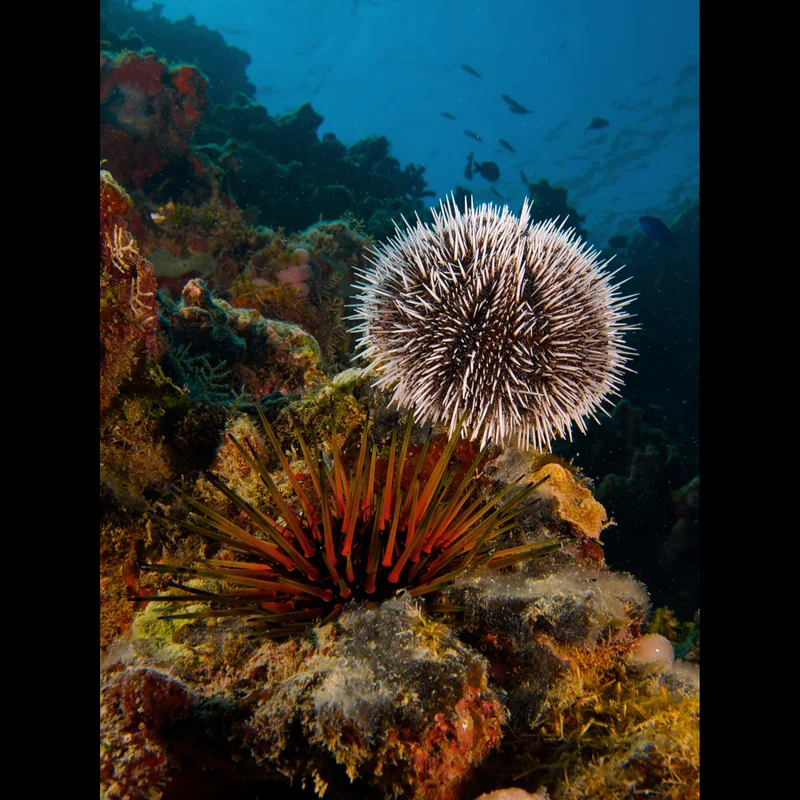
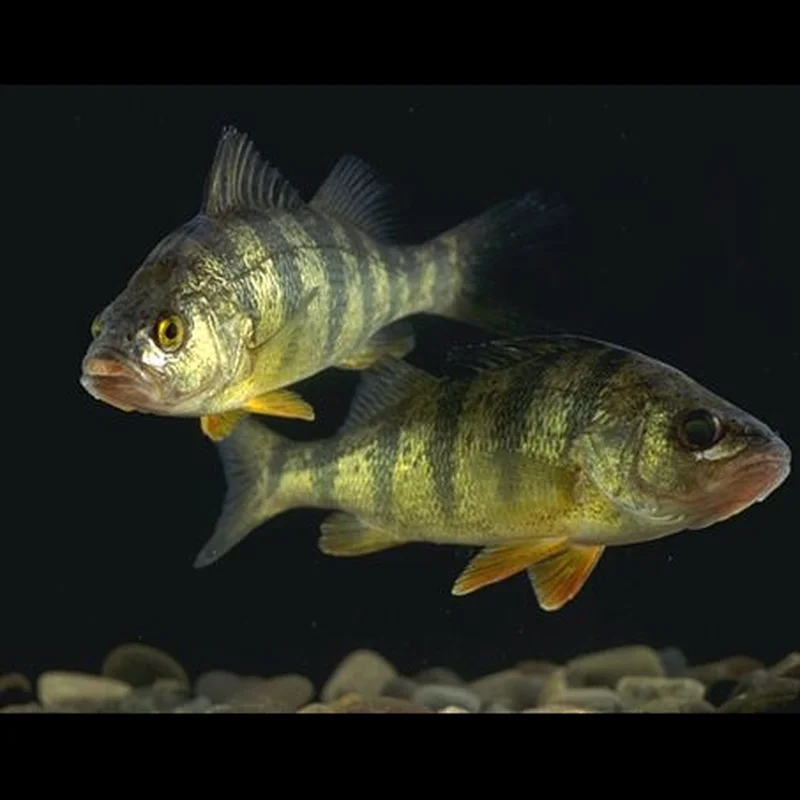
Moonstone's marine environment thrives with a variety of inhabitants. Divers often observe several species of rockfish and perch seeking shelter within the kelp canopy and rocky crevices.
Keep an eye out for cabezon and California sheephead, along with the elusive abalone. The presence of southern sea otters, which forage on invertebrates like crabs and sea urchins, indicates a healthy ecosystem.
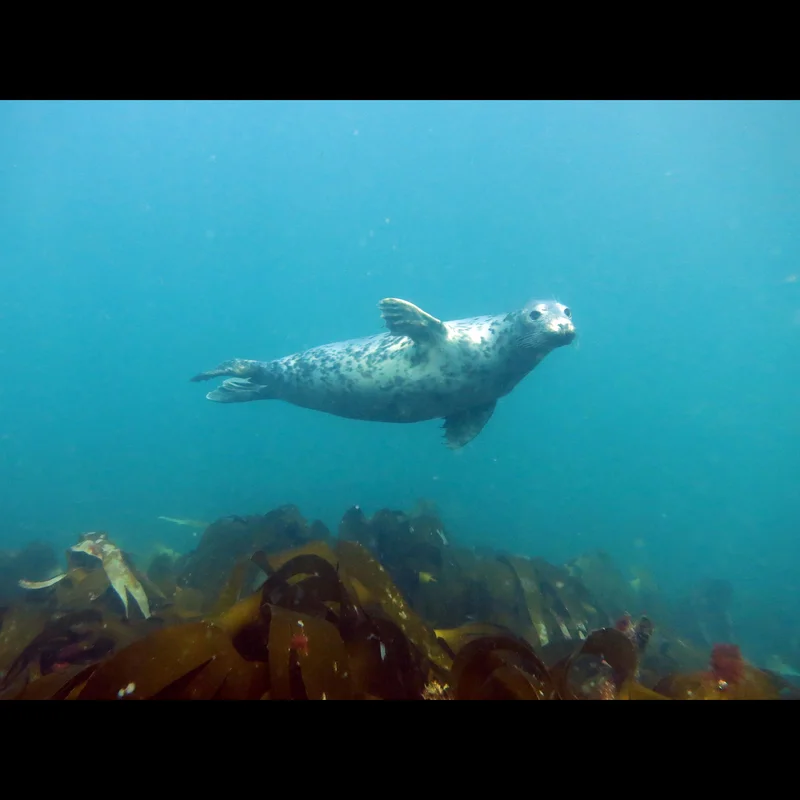
Northern elephant seals are also visitors to the area, often seen during their migrations. Migratory humpback whales and gray whales can be spotted offshore, particularly during specific seasons.
Dive Centers Near Moonstone
No Dive Centers Local To Moonstone
Are you a dive center visiting this location? Get listed to reach divers.
Nearest Airports
Nearest airports to help plan travel to this dive area.
Search Flights
Check available flights and routes on Expedia, using the nearby airports listed in this section.
Search Flights on ExpediaFrequently Asked Questions
What is the typical depth range for diving at Moonstone?
Diving at Moonstone primarily occurs within recreational depth ranges, exploring kelp forests and rocky reefs. Specific depths vary across different dive sites in the area, but most dives will be suitable for open water certified divers.
Are there strong currents at Moonstone?
Current dynamics at Moonstone can vary with tides and swell. While specific current speeds are not consistently reported, divers should anticipate the potential for moderate surge, particularly near exposed rocky formations. Local conditions should always be assessed prior to entry.
What kind of marine life can I expect to see?
Divers can expect to encounter various rockfish and perch, along with cabezon and California sheephead. Invertebrates like abalone, gumboot chitons, and different crab species are also common. Southern sea otters and migrating whales or northern elephant seals are observed seasonally.
Is thermal protection necessary for diving here?
Yes, while water temperatures are not consistently reported, Moonstone's location on the temperate Pacific coast suggests cold water diving. Appropriate thermal protection, such as a thick wetsuit or drysuit, is highly recommended for comfort and safety.
Are there any specific hazards to be aware of?
The primary hazards at Moonstone include potential kelp entanglement and variable surface conditions. Divers should carry a cutting tool, maintain good buoyancy control, and be aware of changing weather and currents.
When is the best time of year to dive at Moonstone?
The months of July and August generally offer the best conditions for diving, characterized by lower wave heights and lighter winds. These periods typically contribute to improved underwater visibility and a more comfortable diving experience.