
Diving at Mote Reef (Bay) (United States)
MOTE Reef (Bay) caters primarily to newer divers and those seeking calm, accessible training environments. Its generally shallower depths provide an ideal setting for honing buoyancy control and practicing skills effectively. Experienced divers can still appreciate the subtle beauty of a bay environment, focusing on macro life or simply enjoying relaxed underwater navigation. It's a site that allows growth for beginners while offering a tranquil escape for all skill levels.
Tonight's objective overview for Mote Reef (Bay) shows an air temperature of 28°C. The measured surface conditions include wave heights around 0.5 m. This environmental data is logged for the close of the day.
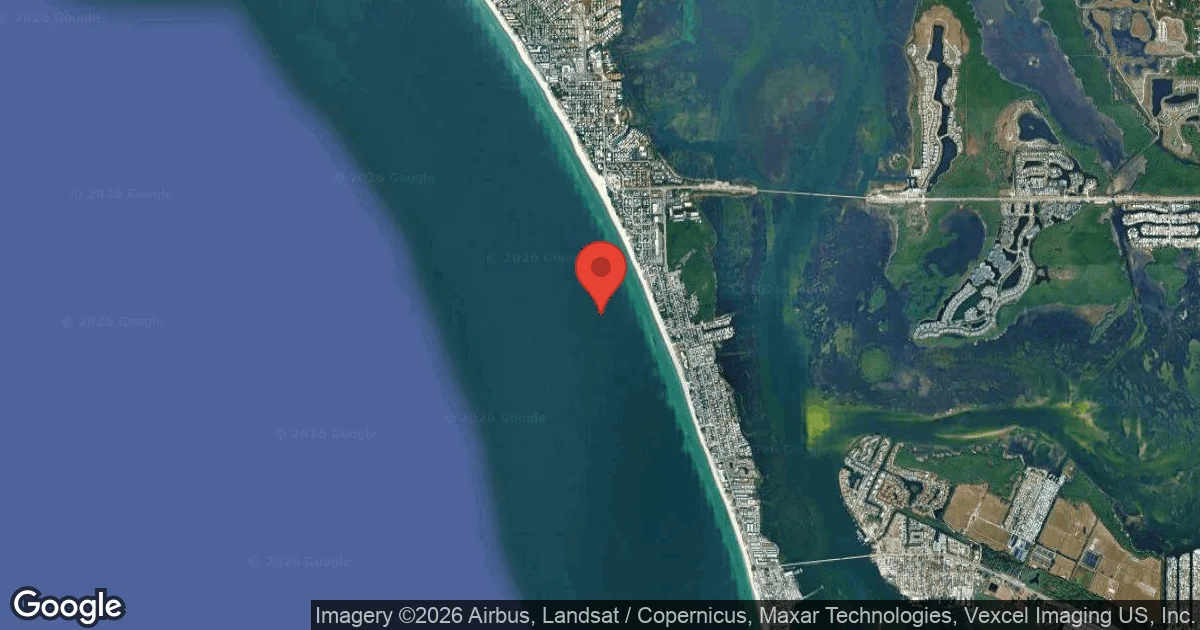
Dive Site Location & Key Facts
Dive Site Overview
MOTE Reef (Bay)'s story is closely tied to its role in local ecological efforts, often associated with conservation initiatives within its protected bay environment. This site represents an ongoing commitment to understanding and preserving local marine ecosystems, functioning as a valuable underwater habitat for both researchers and recreational divers.
Development of the reef typically involves the strategic placement of artificial structures, often consisting of concrete modules, limestone rocks, or designed PVC habitats. These structures are meticulously positioned to encourage marine growth and provide immediate shelter for various juvenile species, forming complex micro-environments. Over time, these consistent efforts contribute significantly to the bay's overall biodiversity, cultivating a more resilient underwater community that thrives despite estuarine influences.
Functioning as a living laboratory for researchers, it simultaneously offers a serene and accessible dive spot for recreational enthusiasts. As a bay reef, its characteristics are inherently influenced by proximity to shore and ongoing estuarine dynamics, factors which can impact visibility and marine life aggregation patterns.
Divers here experience an area shaped by both subtle natural processes and deliberate human intervention, all working synergistically towards fostering a healthier and more vibrant bay ecosystem. It serves as a calm introduction to marine conservation in action.
Conditions are Good
Optimal conditions expected
Current conditions near Mote Reef (Bay) show 28° air, 31° sea temperature, 0.2 m waves, and 21 km/h wind. Forecast data is refreshed regularly to ensure accuracy.
Best Time to Dive
Divers looking for the most comfortable conditions and highest dive scores should target late spring through early fall for MOTE Reef (Bay). May through September consistently show "Excellent" dive scores, indicating generally favorable weather. During these months, air temperatures are at their warmest, averaging from 25.5°C (78°F) in May to 28.5°C (83°F) in July and August. While rain averages vary, they are moderate, with June and August seeing higher amounts. This period also typically presents calmer waters, with average wave heights often below 0.5 meters (1.6 ft), making boat entries and surface conditions more pleasant. Even during "Good" score months, such as April or October, you can still find enjoyable diving, though air temperatures might be cooler, around 23°C (73°F) to 24.5°C (76°F). Wind speeds are also generally lower in the prime summer months, contributing to better surface conditions.
PEAK SEASON SCORE
Scores combine air & water temps, waves, wind & rainfall for overall conditions.
BEST MONTHS TO DIVE
Monthly records compiled from satellite and marine observation nodes over the last 3 years. Data provided by Open-Meteo and MET Norway.
Dive Experience & Conditions
Accessing MOTE Reef (Bay) usually involves a shore entry or short boat ride within the protected bay waters. The site typically presents a maximum depth of around 6-9 m (20-30 ft), making it suitable for extended bottom times and multiple dives in a day. Visibility can fluctuate depending on recent rainfall, tidal movements, and bay sediment, varying from moderate to occasionally clearer conditions. Water temperatures are not consistently reported in specific values for this location, but generally follow regional air temperature patterns, becoming warmer in summer months. Currents are typically mild within the bay, which further contributes to its suitability for training and relaxed exploration. Divers should anticipate a gentle descent onto artificial structures, perhaps consisting of small rock piles, concrete modules, or other designed habitats that form the reef.
Dive Difficulty & Safety Guidelines
When diving MOTE Reef (Bay), always prioritize thorough buoyancy control given its shallower depth profile. Maintaining neutral buoyancy prevents accidental contact with the delicate bay floor and its inhabitants. Visibility can be dynamic, so divers should practice good communication and remain close to their buddy, especially if conditions are less than ideal.
Given the potential for boat traffic in a bay setting, deploying a surface marker buoy (SMB) is a prudent practice before ascending. Be aware of your surroundings, both above and below the surface.
This site doesn't typically present strong currents, but it's always wise to monitor tidal predictions. Ensure all equipment is well-maintained and checked before entry.
Recommended Equipment
- Dive Computer
This gear list is based on verified equipment signals for Mote Reef (Bay), United States. Always confirm final gear choices with your dive operator, guide, or liveaboard.
Recommended Dive Suit
The coming days appear slightly cooler according to the latest forecast. Cooler days are ahead; you might want a warmer option for later in the week. A hood or vest can noticeably improve warmth during longer dives.
Divers who prefer a balanced level of warmth often select dive skin or rash guard in water temperatures like this. Consider warmer surface protection (like a boat coat) due to brisk winds.
Current dive conditions indicate that water temperatures around Mote Reef (Bay) are sitting at roughly 31°C (88°F). Surface air temperatures are resting at 28°C (82°F).
Due to technical issues with our weather providers, data hasn't been fetched for over 48 hours. The data above reflects the conditions at the time of the last successful fetch.
Emergency & Medical Support
Essential information to help you plan your dive trip to MOTE Reef (Bay).

Hyperbaric chambers are a critical part of dive safety infrastructure. Availability varies significantly by region, and not all dive areas have immediate access.
Before diving, it's recommended to:
- confirm nearest medical facilities
- check emergency procedures with local dive operators
- ensure dive insurance covers evacuation if required
Divers Alert Network
Diving emergency assistance available through DAN World.
+1-919-684-9111- 24/7 emergency hotline
- Diving medical assistance
- Evacuation coordination
Emergency contacts are provided for reference. Always verify local emergency services before diving.
Marine Life at Mote Reef (Bay)
While specific marine life data is limited for MOTE Reef (Bay), bay environments generally host a range of fascinating species adapted to shallower, often murkier conditions. Divers can anticipate encountering various juvenile fish species, which seek refuge among the artificial structures and natural growth.
Small crustaceans and mollusks frequently colonize the reef surfaces, offering ample opportunities for macro photography. You might observe gobies, blennies, and small wrasses moving among the nooks and crannies.
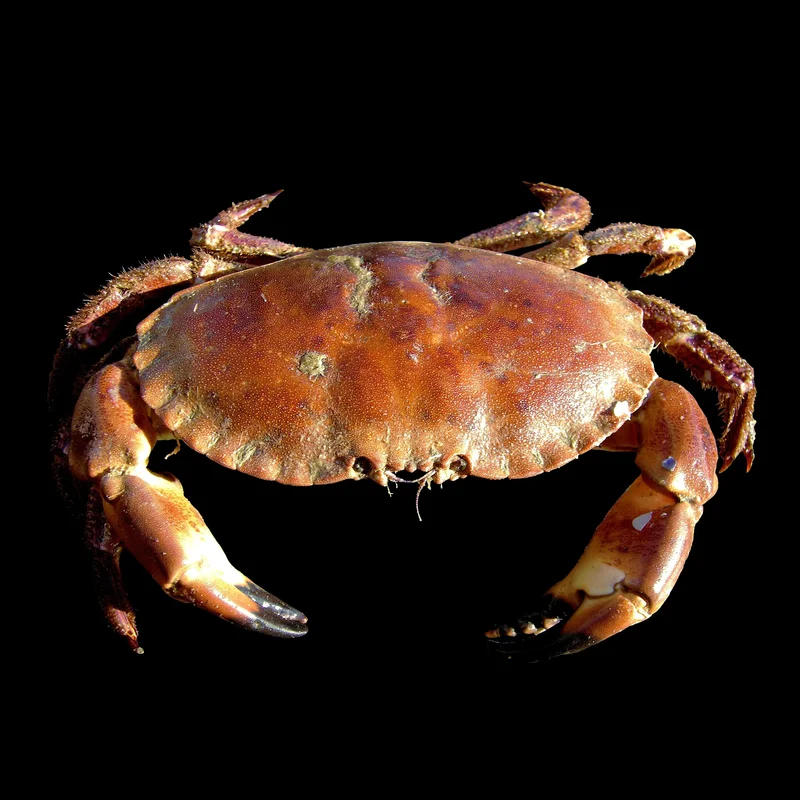
Keep an eye out for resident crabs and shrimp, often camouflaged against their surroundings. Bay reefs act as crucial nursery grounds, making every dive a chance to spot the early stages of a diverse ecosystem.
Dive Sites Near Mote Reef (Bay)
View all dive sites in United StatesDiscover more underwater gems in this area.
Dive Centers Near Mote Reef (Bay)
Today: 09:00 - 18:00
Nearest Airports
Nearest airports to help plan travel to this dive area.
Search Flights
Check available flights and routes on Expedia, using the nearby airports listed in this section.
Search Flights on Expedia
Plan Your Stay
Looking for a place to stay for your dive trip? Explore hotels, stays, and vacation rentals for dive groups near Sarasota.
Dive Navigator may earn a commission from these links at no extra cost to you.
Frequently Asked Questions
What is the typical depth at MOTE Reef (Bay)?
Maximum depth at MOTE Reef (Bay) typically ranges between 6-9 m (20-30 ft). This shallower profile makes it suitable for recreational divers and those undergoing training.
What kind of visibility can I expect?
Bay visibility can be variable, influenced by tidal changes, rainfall, and sediment. Expect it to range from moderate to occasionally clearer, but it's not consistently reported.
Are there strong currents at this site?
Strong currents don't typically pose a concern within the protected bay environment of MOTE Reef. However, monitoring local tidal charts is always recommended for any dive.
Is MOTE Reef (Bay) suitable for beginner divers?
Yes, MOTE Reef (Bay) is well-suited for beginner divers and training. Its shallower depths and generally calm conditions provide an excellent environment for skill development and gaining experience.
What types of marine life might I see?
You can expect to observe smaller, bay-dwelling marine life. It often includes juvenile fish, various crustaceans like crabs and shrimp, and a variety of invertebrates settled on the reef structures.
Do I need a wetsuit to dive here?
While specific water temperatures are not consistently reported, exposure protection like a 3mm wetsuit is generally advisable. This helps with comfort, especially during extended dives or in cooler months.
What is the best way to access the reef?
Access to MOTE Reef (Bay) is typically either via a shore entry or a short boat ride. The method often depends on the specific setup and regulations of the dive operation or local access points.
Planning to dive Mote Reef (Bay)?
Send one inquiry and receive offers directly from the best verified local dive operators.
Conditions are Good
Optimal conditions expected
Current conditions near Mote Reef (Bay) show 28° air, 31° sea temperature, 0.2 m waves, and 21 km/h wind. Forecast data is refreshed regularly to ensure accuracy.