
Diving at Nancy Jane (United States)
The diving conditions at Nancy Jane, United States, show significant seasonal variability. Optimal periods for diving typically occur during the warmer summer months when air temperatures are higher and wave heights are comparatively lower. Divers should expect cooler air temperatures and rougher surface conditions outside of this window, which can impact overall dive accessibility and comfort. Consistent water temperature data for this specific location is not available.
Evening condition tracking at Nancy Jane features an air temperature of 24°C. We have recorded wave heights measuring 0.8 m during this period. These figures outline the environmental parameters currently present.
Dive Site Location & Key Facts
Dive Site Overview
Exploring potential dive opportunities near Nancy Jane requires a foundational understanding of regional climate patterns, as specific details for a designated dive site are not consistently reported. Historically, responsible dive planning in lesser-documented areas in the United States emphasizes relying on observed weather and sea conditions.
June and July present the most favorable periods, with 'Good' dive scores, driven by an average air temperature of 20.5°C (69°F) in June and 25.5°C (78°F) in July, alongside reduced wave heights. Other months such as April, May, August, September, October, and November maintain 'Moderate' scores.
These periods often experience air temperatures ranging from 11°C to 22°C (52.0°F to 71.6°F) and fluctuating wave heights. Dive operations in areas like this often adapt to prevailing surface conditions and visibility.
A diver should focus on general temperate water diving principles, given the limited available data on specific underwater structures or ecosystems at Nancy Jane itself. Preparation and flexibility are key when considering dives in locations where site-specific information is not widely published.
Conditions are Good
Optimal conditions expected
Current conditions near Nancy Jane show 24° air, 25° sea temperature, 1.3 m waves, and 28 km/h wind. Forecast data is refreshed regularly to ensure accuracy.
Best Time to Dive
Optimal diving conditions in the Nancy Jane area typically align with the summer months, particularly June and July. During these months, the dive score is rated 'Good,' correlating with average air temperatures reaching 20.5°C (69°F) in June and 25.5°C (78°F) in July. This period generally experiences lower wave heights and calmer surface conditions. As the year transitions into fall and spring, such as April, May, August, September, October, and November, conditions shift to a 'Moderate' dive score. Air temperatures during these transitional periods range from 11°C (52°F) to 22°C (72°F), with moderate rainfall and increased wind speeds, impacting comfort and visibility. Winter months — December through March — are rated 'Poor' for diving, characterized by colder air temperatures, significantly higher wave heights, and stronger winds. Planning dives during the late spring to early autumn offers the best balance of favorable weather and sea state.
PEAK SEASON SCORE
Scores combine air & water temps, waves, wind & rainfall for overall conditions.
BEST MONTHS TO DIVE
Monthly records compiled from satellite and marine observation nodes over the last 3 years. Data provided by Open-Meteo and MET Norway.
Dive Experience & Conditions
Descending into the waters around Nancy Jane, divers will find conditions influenced primarily by the seasonal climate. While consistent water temperature reports are limited, ambient air temperatures during peak summer months, reaching 25.5°C (78°F), suggest a relatively comfortable surface environment. However, expect cooler conditions in spring and fall, with air temperatures potentially dropping to 11°C (52°F). Wave heights average between 1.2 m (3.9 ft) in July and 2.2 m (7.2 ft) in February, indicating that surface chop can vary significantly; calm days are more prevalent in summer. Wind speeds average 29.8 km/h (18.5 mph) in July but can exceed 45 km/h (28 mph) during winter, influencing boat travel and entry/exit points. Divers exploring this area should be prepared for varying visibility and current, as these factors are not consistently reported for specific dive sites within Nancy Jane but are typical considerations in temperate coastal waters.
Dive Difficulty & Safety Guidelines
Prioritizing safety at Nancy Jane involves a comprehensive approach to general dive practices, as specific site hazards are not detailed in available data. Always conduct thorough pre-dive checks of all equipment. Given the varying wave heights, particularly outside of summer, assessing surface conditions before entry is critical.
Divers should also remain vigilant for potential currents, which can shift with tides and weather patterns in coastal areas. It's advisable to dive within certification limits and to use a dive computer for accurate real-time data.
Maintaining good buoyancy control is essential, regardless of the underwater environment. Always dive with a buddy, ensure proper communication protocols, and carry appropriate surface signaling devices.
Entry and exit points should be carefully evaluated, especially in locations where shore access or boat moorings are not standardized.
Recommended Equipment
- Dive Computer
This gear list is based on verified equipment signals for Nancy Jane, United States. Always confirm final gear choices with your dive operator, guide, or liveaboard.
Recommended Dive Suit
Experienced divers often bring flexible gear options.
Environmental readings suggest that the waters surrounding Nancy Jane are about 25°C (76°F) at the moment. Surface air temperatures are resting at 24°C (75°F). Divers who spend longer periods underwater often choose 3mm wetsuit. A hood or vest is suggested for sensitive divers due to surface winds.
The next few days appear likely to bring similar environmental conditions.
Emergency & Medical Support
Essential information to help you plan your dive trip to Nancy Jane.

Hyperbaric chambers are a critical part of dive safety infrastructure. Availability varies significantly by region, and not all dive areas have immediate access.
Before diving, it's recommended to:
- confirm nearest medical facilities
- check emergency procedures with local dive operators
- ensure dive insurance covers evacuation if required
Divers Alert Network
Diving emergency assistance available through DAN World.
+1-919-684-9111- 24/7 emergency hotline
- Diving medical assistance
- Evacuation coordination
Emergency contacts are provided for reference. Always verify local emergency services before diving.
Marine Life at Nancy Jane
While specific marine life details for Nancy Jane as a distinct dive site are not consistently reported, the general temperate waters of the United States can support a diverse range of ecosystems. Depending on the underlying geology and local currents, a typical underwater landscape might include rocky reefs, sandy bottoms, or areas of kelp and seagrass.
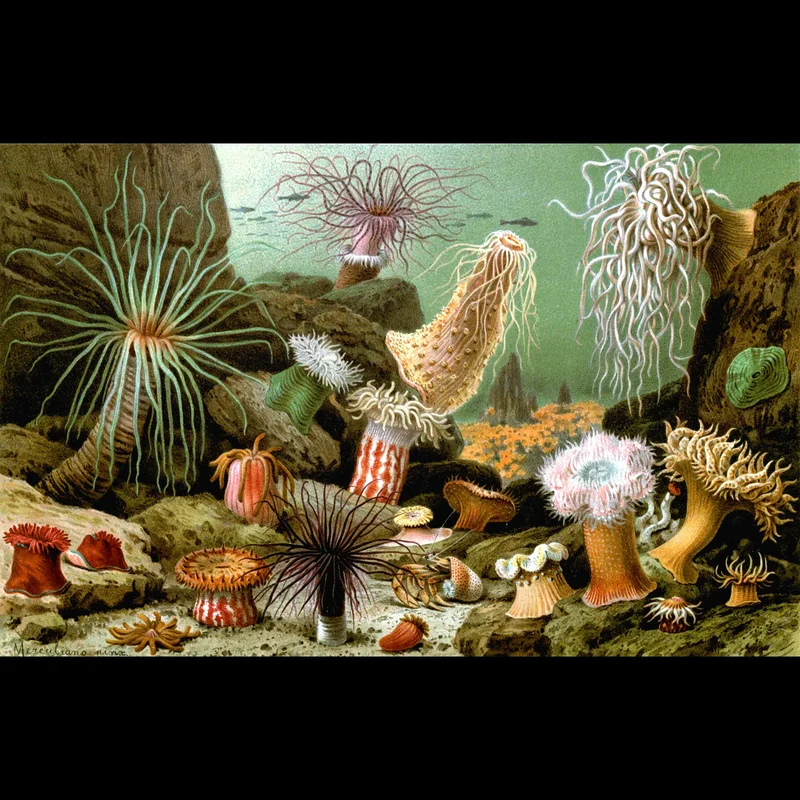
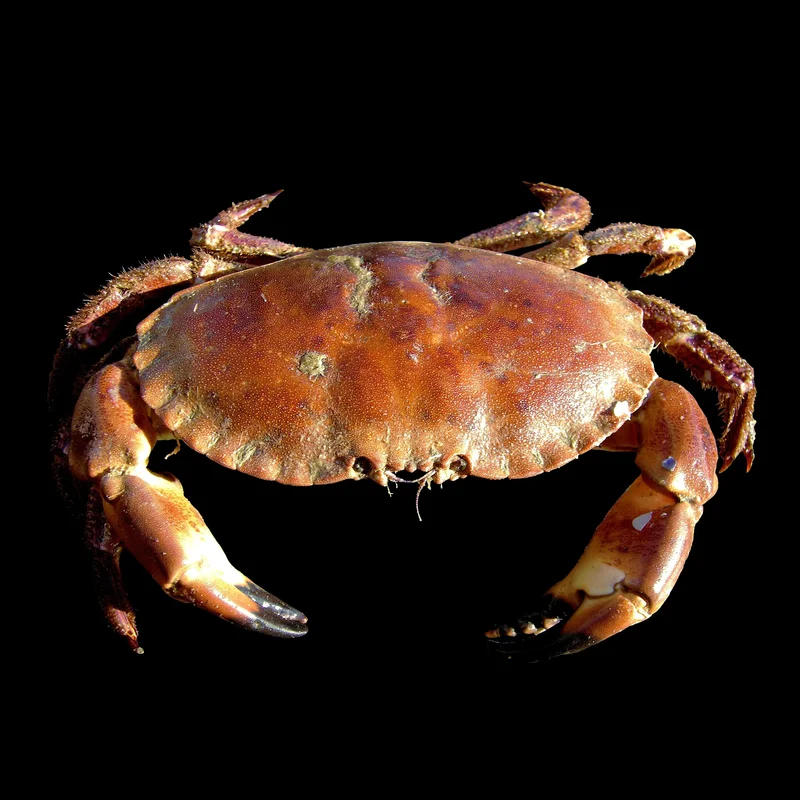
These habitats can attract species adapted to cooler waters, such as various types of rockfish, crabs, and anemones. Smaller schooling fish might be observed, along with invertebrate life that thrives on hard substrates.
Larger pelagic species are less frequently reported for such temperate coastal areas unless specific deep-water or offshore structures are present. Observing the aquatic environment here involves appreciating the resilience and adaptability of life found in variable conditions, rather than expecting specific high-density marine populations for which data is absent.

Dive Centers Near Nancy Jane
No Dive Centers Local To Nancy Jane
Are you a dive center visiting this location? Get listed to reach divers.
Nearest Airports
Nearest airports to help plan travel to this dive area.
Search Flights
Check available flights and routes on Expedia, using the nearby airports listed in this section.
Search Flights on ExpediaFrequently Asked Questions
When is the best time to dive near Nancy Jane?
Optimal diving periods near Nancy Jane are typically during June and July, which are rated 'Good' for diving. These months offer warmer average air temperatures, ranging from 20.5°C (69°F) to 25.5°C (78°F), alongside reduced wave heights. Transitional periods in spring and fall are rated 'Moderate'.
What are the typical air temperatures experienced when diving at Nancy Jane?
Air temperatures show significant seasonal variation. During peak summer months like June and July, averages range from 20.5°C (69°F) to 25.5°C (78°F). In spring and fall, such as April or October, temperatures can be cooler, potentially dropping to around 11°C (52°F).
What are the expected water temperatures at Nancy Jane?
Consistent site-specific water temperature data for Nancy Jane is not consistently reported. Divers should anticipate conditions typical of temperate coastal waters, which vary seasonally. Surface air temperatures provide a general indication, but underwater temperatures may differ significantly.
How do wave heights and wind speeds affect diving at Nancy Jane?
Wave heights and wind speeds fluctuate throughout the year. Average wave heights range from 1.2 m (3.9 ft) in July to 2.2 m (7.2 ft) in February, indicating calmer surface conditions are more common in summer. Wind speeds average 29.8 km/h (18.5 mph) in July but can exceed 45 km/h (28 mph) during winter, influencing boat travel and surface entry points.
What kind of marine life can divers expect to see near Nancy Jane?
Specific marine life details for Nancy Jane as a distinct dive site are not consistently reported. However, the general temperate waters of the United States can support diverse ecosystems. Divers might observe species adapted to cooler waters, such as various rockfish, crabs, anemones, and smaller schooling fish, depending on the underwater landscape.
Are there specific safety considerations for diving at Nancy Jane?
As site-specific hazards for Nancy Jane are not consistently detailed in available data, adherence to general safe diving practices is paramount. Always conduct thorough equipment checks and assess surface conditions before entry, especially given variable wave heights. Remaining vigilant for potential currents and diving within certification limits are also crucial.
Is specific dive site information available for Nancy Jane?
Specific details regarding underwater structures, ecosystems, or exact depths for Nancy Jane are not consistently reported in available data. Dive planning for this area relies more on understanding general regional climate patterns and observed sea conditions. This necessitates flexibility and thorough preparation for potentially variable conditions.
Planning to dive Nancy Jane?
Send one inquiry and receive offers directly from the best verified local dive operators.
Conditions are Good
Optimal conditions expected
Current conditions near Nancy Jane show 24° air, 25° sea temperature, 1.3 m waves, and 28 km/h wind. Forecast data is refreshed regularly to ensure accuracy.