
Diving at Osprey Point (United States)
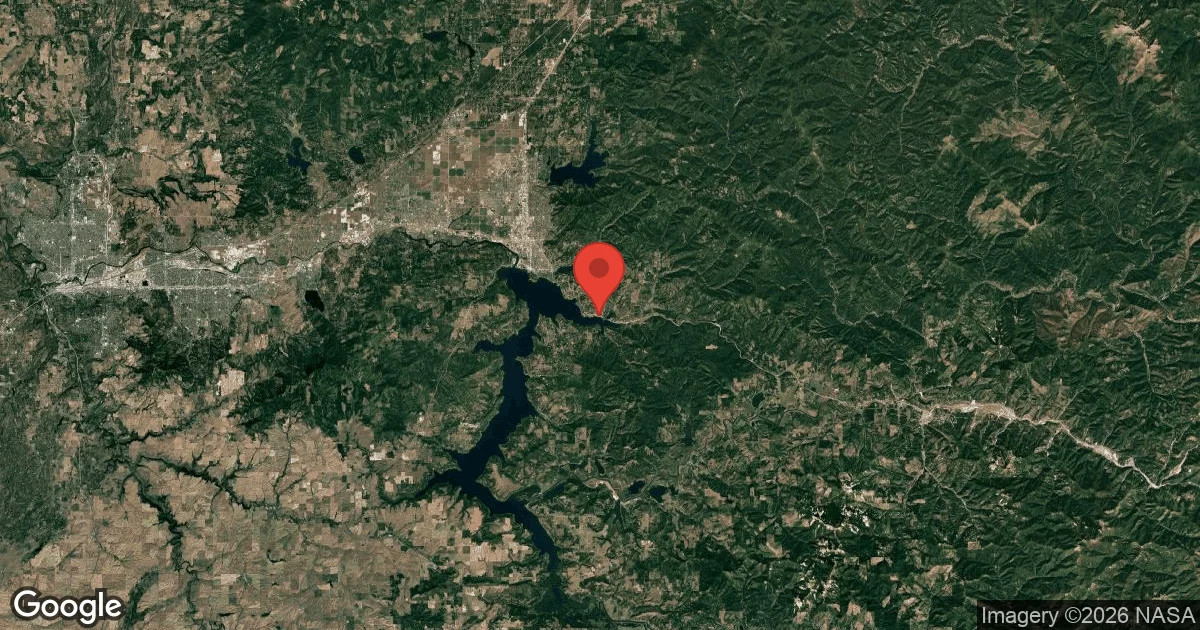
Approaching Osprey Point, divers choose between shore or boat access to this vibrant freshwater environment. The journey often involves a channel crossing, leading to the island's distinctive underwater topography. Here, expect to navigate intriguing walls, slot canyons, and areas featuring sunken trees.
The latest environmental reading at Osprey Point indicates an air temperature of 13.5°C. The regional climate in United States is aligning with expected historical averages. Prepare your gear according to these specific local conditions.
Dive Site Location & Key Facts
Dive Site Overview
Osprey Point distinguishes itself as a compelling freshwater dive experience within its unique aquatic setting, blending natural geological formations with intriguing man-made elements. It offers more than typical inland diving, presenting a convergence of diverse underwater environments.
An expansive underwater landscape reveals a dynamic mix of cliffs, sheer walls, and dramatic slot canyons that create intricate pathways for exploration. Specific points of interest include various wrecks, hinting at a past where these structures found their final resting place at depth. Exploring this site, divers will encounter expansive areas of fishing line, suggesting vigilance and proper cutting tools.
Shallower sections near the shore provide clear, well-lit conditions, ideal for leisurely observation. Descending into deeper areas, the environment transforms into a complex network of narrow canyons and swim-throughs, requiring careful navigation.
Combining elements of a beach dive with the features of a deep inland expedition, Osprey Point offers varied exploration.
Conditions are Excellent
07:00 - 14:00
Optimal conditions expected
Current conditions near Osprey Point show 14° air, --° sea temperature, N/A waves, and 8 km/h wind. Forecast data is refreshed regularly to ensure accuracy.
Best Time to Dive
Conditions significantly influence the diving experience at Osprey Point, making certain periods more desirable. Excellent dive scores are most common during the months of January, July, August, and September. For instance, July provides average air temperatures reaching 23°C (73°F) and the lowest rainfall, averaging only 0.28 mm (0.01 in). August continues this trend with pleasant air temperatures around 21.5°C (71°F) and similarly low precipitation. Even January, despite its cooler average air temperature of -1.5°C (35°F), boasts an excellent dive score, likely due to calm conditions or clearer water. Other months, including February through June and October through December, typically receive 'Good' dive scores. These periods present air temperatures ranging from 0.5°C (33°F) in February to 17.5°C (64°F) in June, with varying but generally manageable rainfall. Divers should account for these temperature fluctuations when planning their exposure protection.
PEAK SEASON SCORE
Scores combine air & water temps, waves, wind & rainfall for overall conditions.
BEST MONTHS TO DIVE
Monthly records compiled from satellite and marine observation nodes over the last 3 years. Data provided by Open-Meteo and MET Norway.
Dive Experience & Conditions
Exploring Osprey Point reveals a varied depth profile, from sunlit shallows to deep, complex structures. Near the entry points, divers find clearer water and abundant small fish. Moving deeper into the channel and around the island, the environment transitions into more challenging terrain. Depths around the island unveil cliffs and walls that drop into significant depths, with some trout sightings reported deeper than 15 m (50 ft). Navigating the slot canyons and swim-throughs can be particularly engaging. These formations often narrow unexpectedly, demanding caution and awareness of your buoyancy. Surface conditions can include notable boat traffic, especially in the channel leading to the island, so surface marker buoy usage is prudent. Visibility varies depending on recent activity and sediment, but generally provides adequate viewing for the intricate rock features and sunken trees.
Dive Difficulty & Safety Guidelines
At Osprey Point, expert divers prioritize several key safety considerations for a smooth experience. Due to active boat traffic, especially within the channel, surfacing near the island or close to shore is advisable. A surface marker buoy is a critical piece of safety equipment here.
Encountering fishing line is common throughout the site; always carry a cutting tool and avoid contact with the bottom where lines accumulate. Regarding swim-throughs and narrow canyons, exercise extreme caution.
These passages can constrict without warning, making turning around impossible. Only enter a confined space if you are absolutely certain of safe entry and exit.
Furthermore, a boat ramp exists at one of the entry points with "no swimming" warnings; enter the water well away from this area and remain vigilant for vessels.
Recommended Equipment
Overhead / entanglement risk. Wreck penetration requires proper training.
- Dive Computer
- Primary & Backup Lights
- Wreck Reel
- Cutting Tool
This gear list is based on verified equipment signals for Osprey Point, United States. Always confirm final gear choices with your dive operator, guide, or liveaboard.
Recommended Dive Suit
Because recent water temperature readings are not available for Osprey Point, the guidance below is based mainly on current air conditions and seasonal expectations. Current surface air temperatures are roughly 14°C (56°F).
Longer-range forecasts show some uncertainty in upcoming temperature trends.
Based on regional estimates and current weather, the likely required exposure protection is a thicker wetsuit or drysuit. Note that local currents and upwellings can alter this. A thermal robe or jacket is recommended between dives. Dive depth and duration can significantly affect perceived warmth. Surface intervals may feel noticeably cooler once you exit the water.
Emergency & Medical Support
Essential information to help you plan your dive trip to Osprey Point.

Hyperbaric chambers are a critical part of dive safety infrastructure. Availability varies significantly by region, and not all dive areas have immediate access.
Before diving, it's recommended to:
- confirm nearest medical facilities
- check emergency procedures with local dive operators
- ensure dive insurance covers evacuation if required
Divers Alert Network
Diving emergency assistance available through DAN World.
+1-919-684-9111- 24/7 emergency hotline
- Diving medical assistance
- Evacuation coordination
Emergency contacts are provided for reference. Always verify local emergency services before diving.
Marine Life at Osprey Point
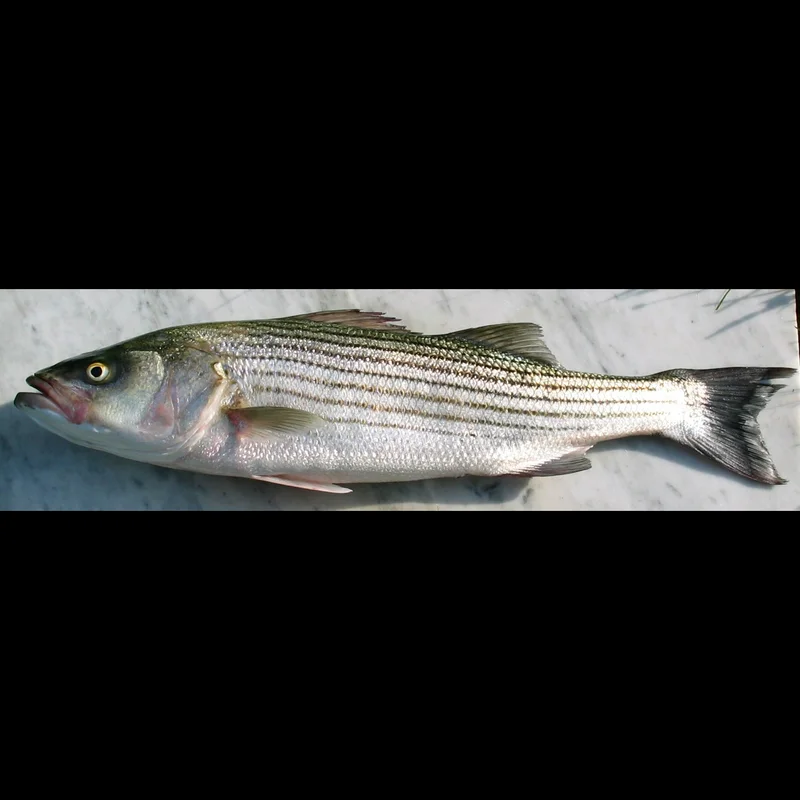
Amidst Osprey Point's submerged landscape, specific aquatic inhabitants thrive. Small mouth bass, often displaying interesting color variations, are commonly observed near rock features and sunken trees.
Cruising through the shallows or along the walls, divers can readily spot these active fish. In the deeper sections of the channel, particularly below 15 m (50 ft), sightings of trout have been reported.
Their presence adds an additional layer of interest to the colder, deeper water. This site presents a calm, natural environment for observing its typical aquatic life as it interacts with the diverse geological structures.
Dive Sites Near Osprey Point
View all dive sites in United StatesDiscover more underwater gems in this area.
Dive Centers Near Osprey Point

Today: 10:00 - 18:00
Nearest Airports
Nearest airports to help plan travel to this dive area.
Search Flights
Check available flights and routes on Expedia, using the nearby airports listed in this section.
Search Flights on Expedia
Plan Your Stay
Looking for a place to stay for your dive trip? Explore hotels, stays, and vacation rentals for dive groups near Coeur d'Alene.
Dive Navigator may earn a commission from these links at no extra cost to you.
Frequently Asked Questions
What are the primary access options for diving Osprey Point?
Divers can approach Osprey Point using either shore or boat access. The journey to the island, if by boat, often involves navigating a channel. Plan your entry point carefully based on your preferred method.
What distinct underwater features will I encounter at Osprey Point?
Underwater, Osprey Point reveals a diverse topography including natural cliffs, sheer walls, and intricate slot canyons. Additionally, divers may discover sunken trees and some intriguing wreck elements throughout the site. These features create varied exploration routes.
How does water visibility typically behave at this site?
Visibility at Osprey Point isn't consistently reported; it varies depending on recent water activity and sediment levels. Generally, conditions provide adequate viewing for exploring the site's rock features and submerged structures. Always check current conditions before diving.
What are the primary safety concerns and how should divers prepare?
Key safety concerns include active boat traffic in the channel and prevalent fishing line throughout the site. Divers should always carry a cutting tool, use a surface marker buoy, and exercise extreme caution in narrow swim-throughs. Be aware of "no swimming" warnings near boat ramps.
Which months offer the best diving conditions at Osprey Point?
Excellent dive scores are most common during January, July, August, and September. These periods often coincide with favorable air temperatures or clear water conditions, despite seasonal variations. July and August typically feature the lowest rainfall.
What type of marine life is commonly seen at Osprey Point?
Small mouth bass are frequently observed near rock features and sunken trees, often displaying interesting color variations. In deeper channel sections, particularly below 15 m (50 ft), sightings of trout have been reported. This site offers opportunities for calm observation of its typical aquatic life.
Planning to dive Osprey Point?
Send one inquiry and receive offers directly from the best verified local dive operators.
Conditions are Excellent
07:00 - 14:00
Optimal conditions expected
Current conditions near Osprey Point show 14° air, --° sea temperature, N/A waves, and 8 km/h wind. Forecast data is refreshed regularly to ensure accuracy.