
Diving at Higgins Point (United States)
Higgins Point offers divers a compelling freshwater encounter, primarily celebrated for its remarkable kokanee salmon spawning event each autumn. Thousands of these inland sockeye salmon converge here, creating a vibrant display of marine activity. It's a focal point for divers seeking to witness this natural spectacle, providing an intimate glimpse into the local freshwater ecosystem's seasonal life cycles.
At Higgins Point, the ambient air temperature is currently recorded at 21°C. This dive site in United States is operating under normal seasonal weather patterns. Familiarize yourself with the local topography prior to navigating.
Dive Site Location & Key Facts
Dive Site Overview
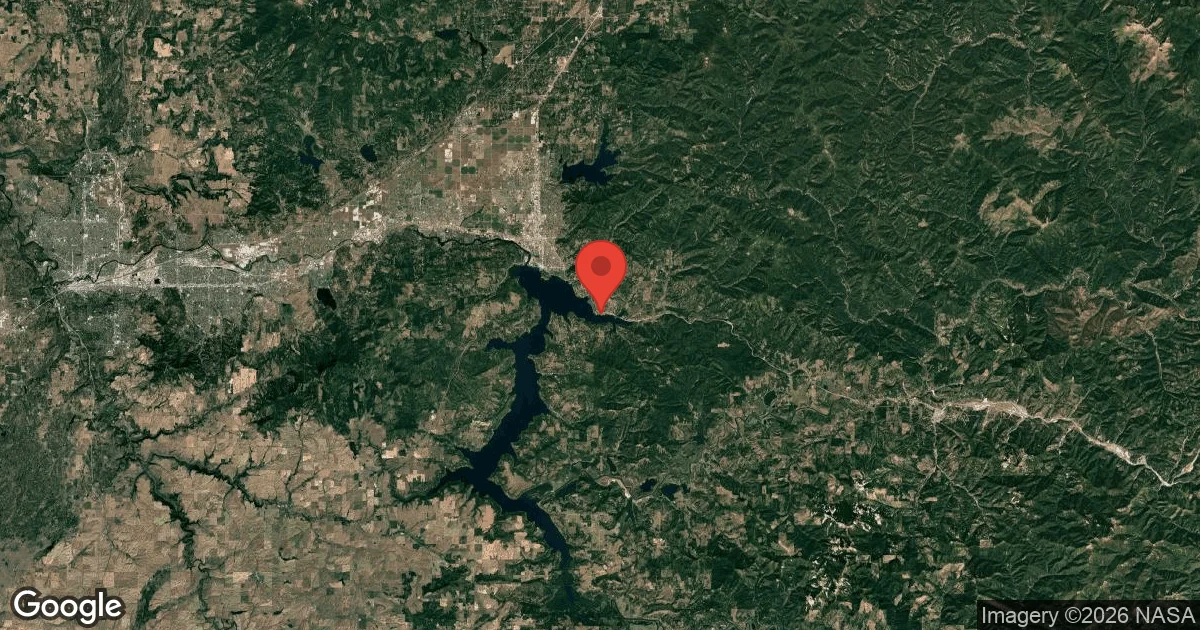
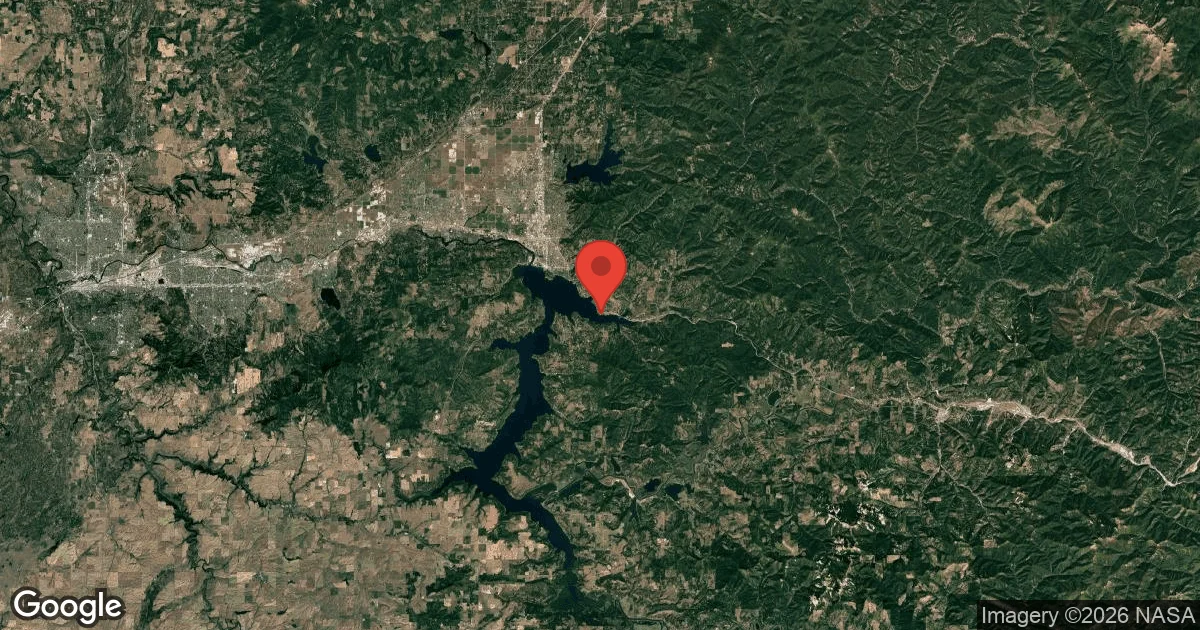
Exploring Higgins Point introduces divers to a distinct high-altitude freshwater environment, located within the expansive Coeur d'Alene. This site primarily functions as a shore-accessible entry point, characterized as a wall dive.
At an elevation of approximately 2,060 feet (628 meters), divers must factor in altitude considerations for their dive profiles and decompression planning. Origins of this body of water, influenced by regional silver and copper mining from the early 1900s, have contributed to its exceptional darkness, necessitating adequate lighting for most dives.
While a nearby aquatic environment, Lake Pend Oreille, boasts numerous historic wrecks, Higgins Point itself is recognized more for its natural features and seasonal marine life. Local dive shops frequently visit the area surrounding the point, making gear rental and guided excursions readily accessible from the nearby town of Coeur d'Alene.
Expect visibility to vary with seasons and recent weather patterns, but conditions often require a good dive light. The steep profile descends quickly, providing access to deeper areas.
Conditions are Excellent
07:00 - 14:00
Optimal conditions expected
Current conditions near Higgins Point show 21° air, --° sea temperature, N/A waves, and 9 km/h wind. Forecast data is refreshed regularly to ensure accuracy.
Best Time to Dive
The period from July through September generally offers the most favorable conditions for diving at Higgins Point, aligning with higher dive scores and warmer air temperatures, often peaking around 22.5°C (72°F) in July. Rainfall during these summer months is minimal, typically less than 1 mm (0.04 in) in July, which can contribute to better underwater visibility. As autumn progresses into late November and early December, the focus shifts to the impressive kokanee salmon spawning event. While air temperatures drop significantly, reaching around 4°C (39°F) in November, and rainfall increases, the unique marine life activity makes this a prime time for specific wildlife encounters despite the colder conditions. Divers should assess their comfort with colder surface conditions for fall and winter dives.
PEAK SEASON SCORE
Scores combine air & water temps, waves, wind & rainfall for overall conditions.
BEST MONTHS TO DIVE
Monthly records compiled from satellite and marine observation nodes over the last 3 years. Data provided by Open-Meteo and MET Norway.
Dive Experience & Conditions
Accessing Higgins Point is straightforward, typically managed as a shore dive with convenient parking available. Divers can expect a wall dive experience as they descend into the cold waters of Coeur d'Alene. Water temperatures are not consistently reported but are known to be cold, especially in deeper sections, necessitating appropriate thermal protection. Its high elevation of approximately 2,060 feet (628 meters) mandates specific dive planning and safety protocols to account for altered pressure groups and decompression limits. Due to historical mining activities in the region, this body of water can exhibit exceptional darkness, making reliable dive lights essential for illumination, even in shallower areas. This freshwater environment presents unique conditions different from coastal diving.
Dive Difficulty & Safety Guidelines
Diving at Higgins Point requires careful attention to the unique challenges of high-altitude freshwater environments. Its surface elevation of 2,060 feet (628 meters) necessitates adjusted dive tables or computers that account for altitude, ensuring proper decompression planning. Given the colder water temperatures and inherent darkness of this body of water, divers should prioritize robust thermal protection, such as dry suits or thick wetsuits, and always carry dependable primary and secondary dive lights.
Consulting with local dive professionals or booking a guided dive is recommended to navigate site-specific conditions and understand the nuances of freshwater, altitude diving in this region.
Recommended Equipment
- Dive Computer
This gear list is based on verified equipment signals for Higgins Point, United States. Always confirm final gear choices with your dive operator, guide, or liveaboard.
Recommended Dive Suit
Because recent water temperature readings are not available for Higgins Point, the guidance below is based mainly on current air conditions and seasonal expectations. Current surface air temperatures are roughly 21°C (69°F).
Based on regional estimates and current weather, the likely required exposure protection is a 3-5mm wetsuit. Note that local currents and upwellings can alter this. Surface intervals may feel cooler.
Weather patterns are currently shifting, so expect some variability in conditions. A significant temperature drop is forecast; strongly suggest bringing a backup warmer suit option. Some divers prefer carrying a slightly thicker suit as a backup.
Due to technical issues with our weather providers, live updates are temporarily delayed. The data above reflects the conditions at the time of the last successful fetch.
Emergency & Medical Support
Essential information to help you plan your dive trip to Higgins Point.

Hyperbaric chambers are a critical part of dive safety infrastructure. Availability varies significantly by region, and not all dive areas have immediate access.
Before diving, it's recommended to:
- confirm nearest medical facilities
- check emergency procedures with local dive operators
- ensure dive insurance covers evacuation if required
Divers Alert Network
Diving emergency assistance available through DAN World.
+1-919-684-9111- 24/7 emergency hotline
- Diving medical assistance
- Evacuation coordination
Emergency contacts are provided for reference. Always verify local emergency services before diving.
Marine Life at Higgins Point
Higgins Point is best known for its seasonal display of kokanee salmon. During late November and early December, thousands of these inland sockeye salmon migrate to the point for spawning, offering divers an unparalleled opportunity to observe this natural event up close.
This annual spectacle represents the most significant underwater wildlife encounter at the site. Beyond the salmon, specific marine life reports for Higgins Point are limited, but the broader aquatic ecosystem supports a variety of freshwater fish species, though visibility can affect sightings.

Dive Sites Near Higgins Point
View all dive sites in United StatesDiscover more underwater gems in this area.
Dive Centers Near Higgins Point

Today: 10:00 - 18:00
Nearest Airports
Nearest airports to help plan travel to this dive area.
Search Flights
Check available flights and routes on Expedia, using the nearby airports listed in this section.
Search Flights on Expedia
Plan Your Stay
Looking for a place to stay for your dive trip? Explore hotels, stays, and vacation rentals for dive groups near Coeur d'Alene.
Dive Navigator may earn a commission from these links at no extra cost to you.
Frequently Asked Questions
What type of dive is Higgins Point?
Higgins Point is primarily a shore-accessible wall dive located in the Coeur d'Alene body of water. It's a freshwater dive, distinct from ocean or sea diving, characterized by its sloped bottom and colder temperatures.
When is the best time to see salmon spawning?
The kokanee salmon spawning event at Higgins Point typically occurs from late November to early December. During these weeks, divers have the highest chance of witnessing thousands of these fish in their natural reproductive cycle.
Are there any specific safety considerations for diving here?
Yes, divers must account for this body of water's high altitude of approximately 2,060 feet (628 meters), which requires altitude-adjusted dive planning. Additionally, the cold water and potential darkness necessitate proper thermal protection and reliable dive lights.
Is Higgins Point suitable for beginners?
While accessible as a shore dive, the cold water, potential darkness, and altitude considerations mean it's often best suited for certified divers with some experience. Beginners should consider a guided dive or specialized training for these conditions.
What are the typical water temperatures?
Specific water temperatures are not consistently reported for Higgins Point, but the Coeur d'Alene aquatic environment is generally considered cold water. Divers should prepare for low temperatures, especially in deeper sections and during colder months.
Where can I rent equipment or find a dive guide?
Equipment rentals and guided dives are available through local dive shops in Coeur d'Alene. These services can also provide up-to-date information on current conditions and site-specific advice.
Planning to dive Higgins Point?
Send one inquiry and receive offers directly from the best verified local dive operators.
Conditions are Excellent
07:00 - 14:00
Optimal conditions expected
Current conditions near Higgins Point show 21° air, --° sea temperature, N/A waves, and 9 km/h wind. Forecast data is refreshed regularly to ensure accuracy.