
Diving at Beacon Point (United States)
For divers seeking to explore freshwater wrecks and unique training environments, Beacon Point at Lake Coeur d'Alene provides an accessible entry. This site is particularly valued by local dive shops as a convenient training ground, allowing for skill development in a distinct lake setting. Its features cater to those looking to practice navigation and buoyancy in variable visibility, often encountering fascinating historical submerged artifacts.
Recent updates for Beacon Point show an air temperature measuring 13.5°C. Overall water conditions reflect the typical seasonal state for United States. Please exercise standard safety precautions before entering the water.
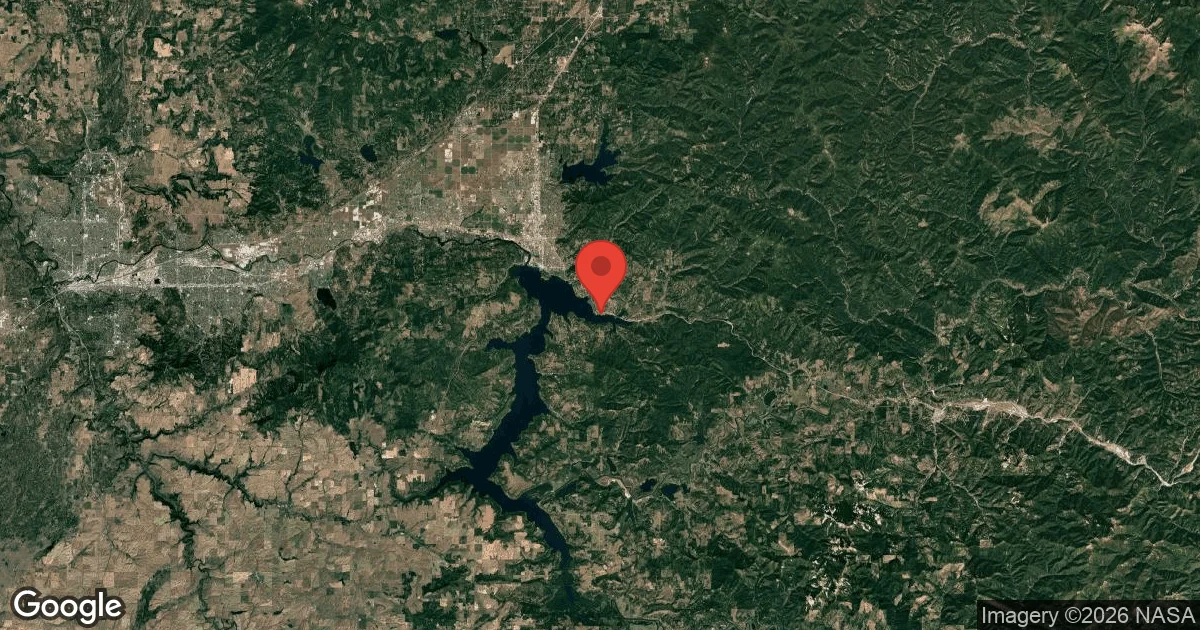
Dive Site Location & Key Facts
Dive Site Overview
Lake Coeur d'Alene, a substantial freshwater body, serves as the setting for Beacon Point, a well-regarded local dive training site. This particular location features a gently sloping bottom, ideal for refining buoyancy and navigation skills in a controlled lake environment.
Its primary draw for many divers is the opportunity to explore a sunken early 1900s automobile, a rusted piece of history that offers an engaging objective for skill practice or casual exploration. This car wreck provides a tangible reference point for training exercises, and its relatively shallow depth makes it accessible for various certification levels. Beyond the immediate vicinity of Beacon Point, the wider lake environment holds a collection of other submerged historical artifacts.
Divers can seek out several purpose-sunk and natural wrecks, including a unique series of sunken train cars located deeper within the northern reaches of the lake. These submerged rail assets present an intriguing challenge for more advanced divers, with the first visible car resting at approximately 26.2 m (86 ft) and the full wreck continuing its descent to depths around 33.5 m (110 ft).
Access to Beacon Point is typically via shore diving, which is widely practiced throughout the area. For those aiming to reach the more remote wrecks scattered across the expansive lake, local dive charters provide necessary transportation and logistical support.
The transition from a gently sloping shore entry to significant wreck depths characterizes the diverse diving potential here.
Conditions are Excellent
07:00 - 14:00
Optimal conditions expected
Current conditions near Beacon Point show 14° air, --° sea temperature, N/A waves, and 8 km/h wind. Forecast data is refreshed regularly to ensure accuracy.
Best Time to Dive
Considering seasonal planning, diving at Beacon Point reveals notable shifts in conditions across the year, with early summer and late autumn presenting particularly contrasting experiences. Surface air temperatures offer maximum comfort from July through September, typically ranging from 22.5°C (72°F) down to 17.5°C (64°F), accompanied by minimal rainfall. These conditions make for easier gear setup and more pleasant post-dive surface intervals. During this period, the warmer air can also help mitigate the chill from the cold lake water. In stark contrast, months like January see average air temperatures around -1.5°C (35°F). The late autumn and early winter periods also experience higher rainfall, peaking at 4.17 mm in December, indicating significantly colder surface conditions that demand robust thermal protection for divers and careful consideration for surface support. While Lake Coeur d'Alene remains accessible for diving throughout the entire year, the warmer surface conditions of summer often align with increased general activity on the lake, though this doesn't consistently impact underwater visibility or current. Divers should anticipate a significant thermocline year-round, typical for cold freshwater lakes, regardless of the season. Planning for appropriate drysuit diving is generally advisable to ensure comfort and safety through all seasons.
PEAK SEASON SCORE
Scores combine air & water temps, waves, wind & rainfall for overall conditions.
BEST MONTHS TO DIVE
Monthly records compiled from satellite and marine observation nodes over the last 3 years. Data provided by Open-Meteo and MET Norway.
Dive Experience & Conditions
Descending into Lake Coeur d'Alene at Beacon Point means encountering a sloping bottom, which gradually transitions into deeper areas. Divers exploring here will navigate conditions where visibility can be limited; historic regional silver and copper mining has deposited heavy metals, contributing to what is sometimes described as exceptional darkness, especially at depth. Water temperatures, while not consistently reported, are typical for a cold freshwater lake, suggesting a significant thermocline. While specific current information for Beacon Point isn't detailed, lake environments generally feature mild to no currents, allowing for focused training or wreck exploration without strong drift concerns.
Dive Difficulty & Safety Guidelines
When planning a dive at Beacon Point, divers should be aware that cold freshwater conditions are a constant. Adequate thermal protection, likely a drysuit, is crucial to prevent hypothermia, especially during longer dives or in colder months.
The lake's reduced visibility, described as 'exceptional darkness' due to sediment, necessitates strong dive lights and proficiency in navigation techniques. Limited parking at Beacon Point, particularly during summer, means arriving early is a prudent strategy.
Familiarity with cold-water diving protocols and buddy system adherence are essential for a safe experience here.
Recommended Equipment
Overhead / entanglement risk. Wreck penetration requires proper training.
Current and surface separation risk. Local briefing strongly recommended.
- Dive Computer
- DSMB
- Primary & Backup Lights
- Wreck Reel
- Reel / Spool
- Cutting Tool
This gear list is based on verified equipment signals for Beacon Point, United States. Always confirm final gear choices with your dive operator, guide, or liveaboard.
Recommended Dive Suit
Because recent water temperature readings are not available for Beacon Point, the guidance below is based mainly on current air conditions and seasonal expectations. Current surface air temperatures are roughly 14°C (56°F).
Based on regional estimates and current weather, the likely required exposure protection is a thicker wetsuit or drysuit. Note that local currents and upwellings can alter this. A thermal robe or jacket is recommended between dives.
Weather patterns are currently shifting, so expect some variability in conditions.
Emergency & Medical Support
Essential information to help you plan your dive trip to Beacon Point.

Hyperbaric chambers are a critical part of dive safety infrastructure. Availability varies significantly by region, and not all dive areas have immediate access.
Before diving, it's recommended to:
- confirm nearest medical facilities
- check emergency procedures with local dive operators
- ensure dive insurance covers evacuation if required
Divers Alert Network
Diving emergency assistance available through DAN World.
+1-919-684-9111- 24/7 emergency hotline
- Diving medical assistance
- Evacuation coordination
Emergency contacts are provided for reference. Always verify local emergency services before diving.
Marine Life at Beacon Point
The underwater landscape of Lake Coeur d'Alene, while not featuring coral reefs, supports a distinct freshwater ecosystem. The most engaging marine life encounter occurs in late November to early December when thousands of kokanee salmon, an inland variant of sockeye, undertake their spawning migration.
This event, particularly vibrant at nearby Higgins Point, offers a dynamic natural spectacle. Beyond this seasonal highlight, divers might observe various cold-water fish species, though specific macro life at Beacon Point itself isn't extensively documented.

Dive Sites Near Beacon Point
View all dive sites in United StatesDiscover more underwater gems in this area.
Dive Centers Near Beacon Point
Today: 10:00 - 18:00
Nearest Airports
Nearest airports to help plan travel to this dive area.
Search Flights
Check available flights and routes on Expedia, using the nearby airports listed in this section.
Search Flights on Expedia
Plan Your Stay
Looking for a place to stay for your dive trip? Explore hotels, stays, and vacation rentals for dive groups near Coeur d'Alene.
Dive Navigator may earn a commission from these links at no extra cost to you.
Frequently Asked Questions
What is the primary dive type at Beacon Point?
Beacon Point primarily serves as a training location for lake and beach diving. It features an early 1900s car wreck, providing a tangible object for skill practice and exploration.
Are there other wrecks to explore in Lake Coeur d'Alene?
Yes, Lake Coeur d'Alene is home to several purpose-sunk and natural wrecks. Notable examples include sunken train cars in the north end of the lake, with depths reaching 33.5 m (110 ft).
What are the typical visibility conditions?
Visibility in Lake Coeur d'Alene, including Beacon Point, can be limited. Historical mining runoff has contributed to what can be 'exceptional darkness' at depth, so divers should be prepared for reduced visibility.
What kind of marine life can I expect to see?
The most exciting marine life encounters involve kokanee salmon, which spawn from late November to early December. Beyond this, cold-water fish species inhabit the lake, but specific, diverse macro life is not consistently reported.
Is Beacon Point suitable for beginner divers?
As a local training location with a sloping bottom, Beacon Point is generally suitable for beginners, particularly for those learning freshwater diving techniques. However, colder water and limited visibility require appropriate equipment and guidance.
How do I access Beacon Point?
Beacon Point is accessible via shore diving. During summer months, parking can be limited, so arriving early is recommended to secure a spot.
What are the water temperatures like?
Specific water temperature data is not consistently reported, but as a freshwater lake in Idaho, expect cold water conditions year-round, especially at depth. Appropriate thermal protection is essential.
Planning to dive Beacon Point?
Send one inquiry and receive offers directly from the best verified local dive operators.
Conditions are Excellent
07:00 - 14:00
Optimal conditions expected
Current conditions near Beacon Point show 14° air, --° sea temperature, N/A waves, and 8 km/h wind. Forecast data is refreshed regularly to ensure accuracy.