
Diving at Prowess (United States)
Navigating a dive site such as Prowess often involves exploring formations that could range from natural reef topography to the complex outlines of artificial structures. These underwater features generally provide diverse environments for marine life. While specific details for Prowess are not consistently reported, sites across the United States commonly feature varying depths and structural layouts, appealing to different skill levels. Understanding these potential structural elements is key for effective dive planning.
Evening condition tracking at Prowess features an air temperature of 22°C. We have recorded wave heights measuring 0.5 m during this period. These figures outline the environmental parameters currently present.
Dive Site Location & Key Facts
Dive Site Overview
Broader diving landscapes in the United States frequently integrate sites developed as artificial reefs, transforming decommissioned vessels into vibrant underwater habitats. This practice, notably implemented in regions like the Florida Panhandle, reflects a strategic commitment to enhancing biodiversity and bolstering both fishing and diving tourism.
Such initiatives are often driven by the imperative to create additional marine habitat, particularly in coastal zones where natural reef structures are less abundant. For example, substantial investments facilitate the deployment of large ships and countless pounds of concrete and reef modules, fostering rich, evolving ecosystems.
While specific historical details for Prowess are not consistently reported, understanding this broader context illuminates the kinds of dive opportunities encountered throughout US waters. Many artificial reefs quickly become dynamic underwater cities, drawing divers from various regions to explore their complex environments.
These projects also serve as a unique form of preservation, granting new purpose to iconic ships that might otherwise face scrapyard destinies. Ultimately, these efforts contribute significantly to the economic impact of local communities, attracting thousands of divers annually and supporting dive-related industries.
Conditions are Good
07:00 - 14:00
Optimal conditions expected
Current conditions near Prowess show 22° air, 25° sea temperature, 0.8 m waves, and 30 km/h wind. Forecast data is refreshed regularly to ensure accuracy.
Best Time to Dive
Planning a dive at Prowess should prioritize the warmer months for a more comfortable experience, considering the air temperature fluctuations throughout the year. The best conditions typically emerge from June through August, when air temperatures average around 22-25.5°C (72-78°F) and dive scores are consistently rated 'Good'. Wave heights during this period are often at their lowest, around 0.8-0.9 meters (2.6-3.0 feet), coupled with lighter winds averaging 17.8-21.0 km/h (11-13 mph), which can lead to calmer surface conditions. May, October, and November also present 'Good' dive scores, with slightly cooler air temperatures ranging from 10-16.5°C (50-62°F), but still offer favorable diving. Rain averages remain relatively low across these peak months, typically between 1.89-3.35 mm (0.07-0.13 inches). During winter, air temperatures drop significantly to 1.5-5°C (35-41°F) in January and December, accompanied by higher wave heights and stronger winds, making diving more challenging. Divers should be prepared for varying water temperatures, as specific data is limited, suggesting appropriate thermal protection is always advisable.
PEAK SEASON SCORE
Scores combine air & water temps, waves, wind & rainfall for overall conditions.
BEST MONTHS TO DIVE
Monthly records compiled from satellite and marine observation nodes over the last 3 years. Data provided by Open-Meteo and MET Norway.
Dive Experience & Conditions
Diving at Prowess presents conditions that can vary significantly with the seasons, offering different sensory experiences. During the calmer summer months, particularly July and August, divers might encounter minimal wave action, averaging below 1 meter (3 feet), creating a more placid entry and exit from the water. Lighter winds experienced during this time, often around 17-19 km/h (10-12 mph), contribute to smoother boat rides and less surface chop. However, beyond this peak season, conditions can become more dynamic. Wave heights tend to increase, especially in September and March, sometimes reaching over 1.1 meters (3.6 feet), and wind speeds can push towards 26 km/h (16 mph). Visibility is not consistently reported for Prowess; therefore, divers should be prepared for conditions that might range from clear to more turbid depending on local factors like currents, weather, and seasonal plankton blooms. Water temperatures also vary, and without specific data, divers should expect colder conditions outside of summer, necessitating thicker wetsuits or dry suits for comfort.
Dive Difficulty & Safety Guidelines
Approaching any dive at Prowess requires a solid understanding of fundamental dive safety and an assessment of personal skill levels. Since environmental conditions, such as wave action and wind speed, can fluctuate, divers should always check current forecasts before planning an outing.
For sites with potentially varying visibility or deeper sections, advanced certifications like PADI Advanced Open Water Diver or Deep Diver are often beneficial for expanding knowledge and comfort. Divers should always dive within their training limits and ensure all equipment is in proper working order.
While specific hazards for Prowess are not detailed, standard safe diving practices apply: plan your dive, dive your plan, and never dive alone. Awareness of local marine regulations and responsible interaction with the underwater environment are also critical for a safe and enjoyable experience.
Recommended Equipment
- Dive Computer
This gear list is based on verified equipment signals for Prowess, United States. Always confirm final gear choices with your dive operator, guide, or liveaboard.
Recommended Dive Suit
Forecast trends indicate little change in overall diving conditions during the next few days.
Two divers in the same water temperature may experience very different comfort levels.
Many divers find that 3mm wetsuit offers the right level of insulation for conditions like these. Surface intervals may feel cooler. The latest environmental readings for Prowess suggest water temperatures around 25°C (76°F). Surface air temperatures are resting at 22°C (72°F).
Due to technical issues with our weather providers, data hasn't been fetched for over 48 hours. The data above reflects the conditions at the time of the last successful fetch.
Emergency & Medical Support
Essential information to help you plan your dive trip to Prowess.

Hyperbaric chambers are a critical part of dive safety infrastructure. Availability varies significantly by region, and not all dive areas have immediate access.
Before diving, it's recommended to:
- confirm nearest medical facilities
- check emergency procedures with local dive operators
- ensure dive insurance covers evacuation if required
Divers Alert Network
Diving emergency assistance available through DAN World.
+1-919-684-9111- 24/7 emergency hotline
- Diving medical assistance
- Evacuation coordination
Emergency contacts are provided for reference. Always verify local emergency services before diving.
Marine Life at Prowess
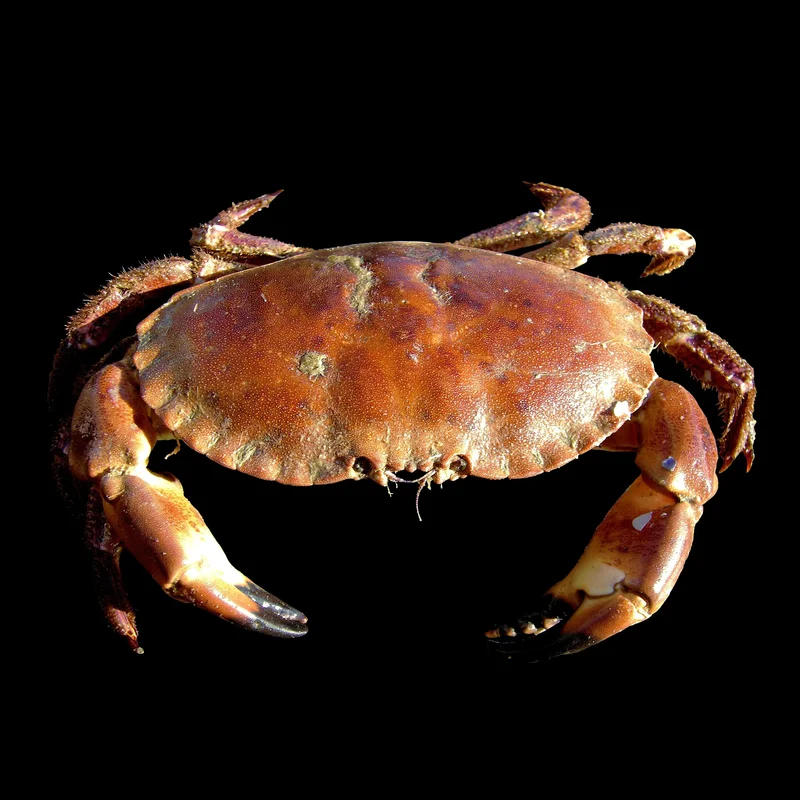
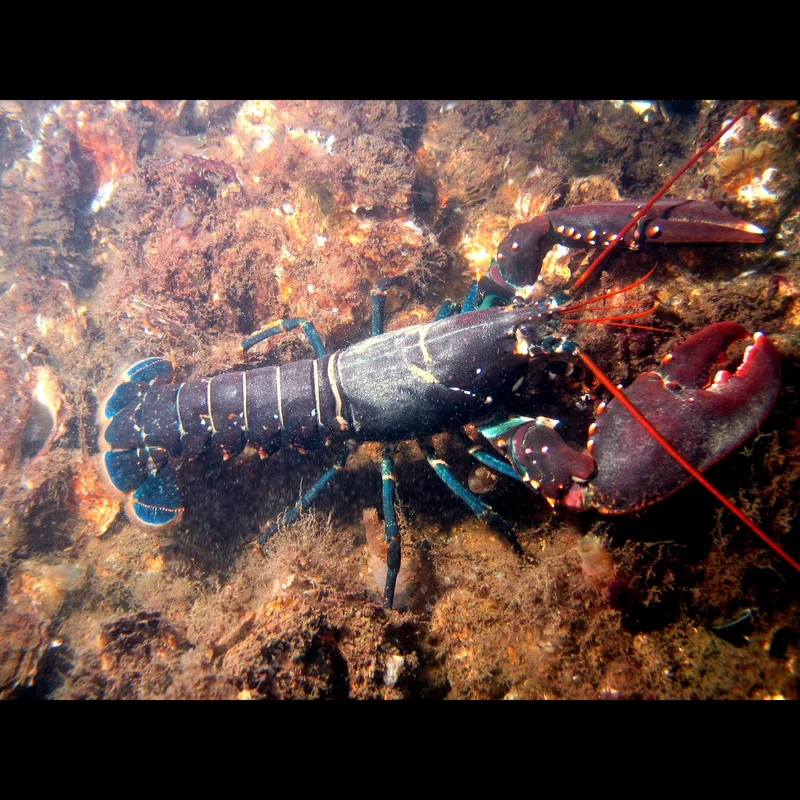
Underwater landscapes at Prowess, like many dive sites in the United States, support a diverse array of marine life, though specific sightings for this location are not consistently reported. Environments ranging from rocky structures to potential artificial reefs often serve as habitat for various fish species, crustaceans like lobster and crab, and cephalopods such as octopus.
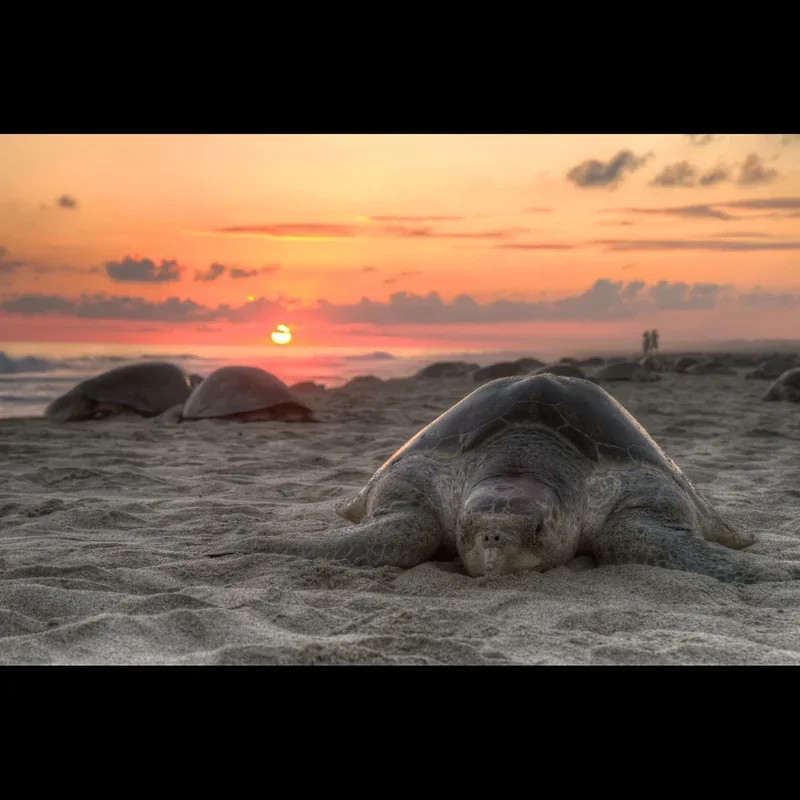
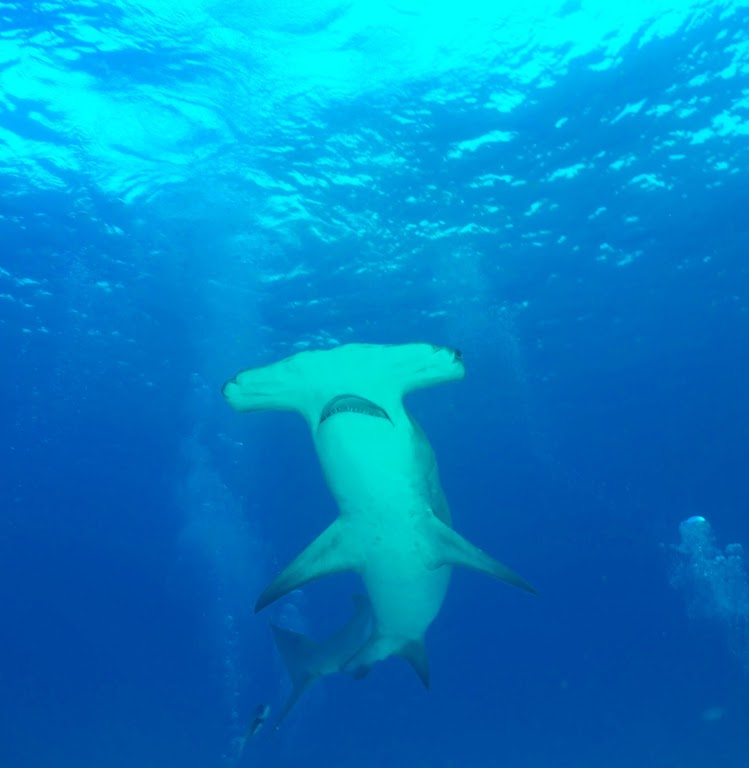
Reef-building corals and gorgonian fans may also contribute to the habitat's complexity, providing shelter and food sources. Divers exploring these areas could encounter schooling fish, slow-moving sea turtles, or even smaller, camouflaged creatures like eels and shrimp.
Rich nutrient waters in some US regions, such as those that support kelp forests, typically foster abundant life. It's a dynamic environment where observational patience can yield rewarding encounters.

Dive Centers Near Prowess
Nearest Airports
Nearest airports to help plan travel to this dive area.
Search Flights
Check available flights and routes on Expedia, using the nearby airports listed in this section.
Search Flights on Expedia
Plan Your Stay
Looking for a place to stay for your dive trip? Explore hotels, stays, and vacation rentals for dive groups near Avalon.
Dive Navigator may earn a commission from these links at no extra cost to you.
Frequently Asked Questions
What is the best time of year to dive at Prowess?
The most favorable conditions for diving at Prowess are typically from June through August, offering the warmest air temperatures and lowest wave heights. May, October, and November also provide good diving opportunities with milder conditions.
Are there strong currents at Prowess?
Information on specific current strengths at Prowess is not consistently reported. As with many coastal dive sites, currents can vary depending on tides, local topography, and weather patterns. Divers should always inquire locally about current conditions.
What kind of marine life can I expect to see?
While specific highlights for Prowess are limited, many US dive sites host diverse marine ecosystems. You might encounter various fish, crustaceans, and potentially some types of coral or anemones, depending on the specific underwater habitat.
Is Prowess suitable for beginner divers?
The suitability for beginner divers at Prowess will depend on the prevailing conditions. Calmer periods with minimal waves and good visibility would be more appropriate for less experienced divers. It's always recommended for beginners to dive with a guide and within conditions that match their certification level.
What are the typical water temperatures?
Specific water temperature data for Prowess is not available. Given the air temperature fluctuations from 1.5°C to 25.5°C (35-78°F), divers should anticipate cold to moderate water temperatures depending on the season, making appropriate thermal protection essential.
Are there dive operators that go to Prowess?
Details on specific dive operators serving Prowess are not available in the provided data. Divers planning a trip should research local dive centers in the United States region to inquire about trips to Prowess or similar nearby sites.
Planning to dive Prowess?
Send one inquiry and receive offers directly from the best verified local dive operators.
Conditions are Good
07:00 - 14:00
Optimal conditions expected
Current conditions near Prowess show 22° air, 25° sea temperature, 0.8 m waves, and 30 km/h wind. Forecast data is refreshed regularly to ensure accuracy.