
Diving at Robby Redding Memorial Reef #1 (United States)
Successfully navigating Robby Redding Memorial Reef #1 demands an understanding of its unique artificial structures and their placement across several distinct sites. While the reef offers ample opportunity for exploration, divers should anticipate conditions typical of a Gulf artificial reef, requiring awareness of currents and local boat traffic. Planning your dive effectively ensures an enjoyable and respectful experience at this memorial site.
Evening condition tracking at Robby Redding Memorial Reef #1 features an air temperature of 30.5°C. We have recorded wave heights measuring 0.8 m during this period. These figures outline the environmental parameters currently present.
Dive Site Location & Key Facts
Dive Site Overview
Beneath the waters of the Gulf, off the coast of Carrabelle, Robby Redding Memorial Reef #1 unfolds as a deeply personal tribute and thriving marine habitat. This site represents one of eight distinct areas composing the larger Robby’s Reef system, deployed over three years approximately 10 nautical miles from Dog Island in the Carrabelle 10 Mile area.
Reaching a maximum depth of 15 m (50 ft), it provides a recreational depth range for many certified divers. Five Walter Florida Limestone Reef Modules define this particular site, deployed on May 5, 2011, as part of a lasting memorial to Robby Redding.
These structures, including cone-shaped concrete and limestone formations, are designed to enhance the otherwise sandy seafloor, offering crucial shelter. Beyond this specific memorial, the broader reef system integrates elements like concrete culverts and various precast fish habitats and grouper boxes, creating diverse micro-environments for marine life, fostering nurseries and foraging grounds across the otherwise sandy bottom.
These sustained efforts collectively enhance the Gulf's biological productivity and provide continued diving interest.
Conditions are Good
Optimal conditions expected
Current conditions near Robby Redding Memorial Reef #1 show 31° air, 30° sea temperature, 0.9 m waves, and 34 km/h wind. Forecast data is refreshed regularly to ensure accuracy.
Best Time to Dive
While many Gulf Coast dive sites offer seasonal appeal, identifying optimal conditions for Robby Redding Memorial Reef #1 involves evaluating typical weather patterns. During the warmer months, specifically from May through September, conditions generally improve, showing 'Good' dive scores. Air temperatures range from 24.5°C (76°F) in May to 29°C (84°F) in August, coinciding with lower average wave heights and reduced wind speeds, making surface conditions more comfortable. September typically sees the highest average rainfall at 7.87 mm, which might affect surface intervals, though monthly dive scores remain consistently 'Good' throughout the year. Winter months, from December to March, present cooler air temperatures between 13°C (55°F) and 17.5°C (64°F), alongside potentially choppier surface conditions due to higher average wave heights.
PEAK SEASON SCORE
Scores combine air & water temps, waves, wind & rainfall for overall conditions.
BEST MONTHS TO DIVE
Monthly records compiled from satellite and marine observation nodes over the last 3 years. Data provided by Open-Meteo and MET Norway.
Dive Experience & Conditions
Descending onto Robby Redding Memorial Reef #1 provides an experience shaped by its deliberate design and prevailing Gulf currents. The site's primary draw is its collection of five Walter Florida Limestone Reef Modules, engineered to create complex shelter and foraging opportunities at a maximum depth of 15 m (50 ft). Visibility varies depending on local weather and plankton blooms, typical of Gulf waters, but clear days allow for good appreciation of the structures. Water temperature is not consistently reported for this specific site but generally reflects seasonal Gulf patterns, ranging from cooler in winter to warm in summer. Moderate currents can be present, especially around the structures, requiring divers to maintain good buoyancy control and situational awareness. This artificial reef offers an engaging dive for certified divers comfortable with open water conditions.
Dive Difficulty & Safety Guidelines
Ensuring a safe dive at Robby Redding Memorial Reef #1 requires proactive planning, particularly regarding local boat traffic and potential fishing lines. As a popular fishing location, divers should remain vigilant for fishing vessels and secure any loose equipment to prevent entanglement. Planning for a surface marker buoy (SMB) deployment is advisable to signal your position to boats.
Since the reef consists of artificial structures, exploring penetrable areas, such as culverts, should only be attempted by divers with appropriate training and equipment for overhead environments. Always dive within your certification limits and consider the prevailing currents. Regular buddy checks and a thorough dive plan contribute significantly to overall safety.
Recommended Equipment
- Dive Computer
This gear list is based on verified equipment signals for Robby Redding Memorial Reef #1, United States. Always confirm final gear choices with your dive operator, guide, or liveaboard.
Recommended Dive Suit
Dive skin or rash guard is frequently recommended by dive operators for conditions like these. Consider warmer surface protection (like a boat coat) due to brisk winds. For divers entering the water at Robby Redding Memorial Reef #1, temperatures are currently hovering around 30°C (86°F). Surface air temperatures are resting at 31°C (87°F).
Forecasts suggest a slight cooling pattern in the days ahead. Cooler days are ahead; you might want a warmer option for later in the week. Some divers bring an extra layer for surface intervals between dives.
Even small thermoclines can occasionally cause noticeable changes in water temperature.
Due to technical issues with our weather providers, live updates are temporarily delayed. The data above reflects the conditions at the time of the last successful fetch.
Emergency & Medical Support
Essential information to help you plan your dive trip to Robby Redding Memorial Reef #1.

Hyperbaric chambers are a critical part of dive safety infrastructure. Availability varies significantly by region, and not all dive areas have immediate access.
Before diving, it's recommended to:
- confirm nearest medical facilities
- check emergency procedures with local dive operators
- ensure dive insurance covers evacuation if required
Divers Alert Network
Diving emergency assistance available through DAN World.
+1-919-684-9111- 24/7 emergency hotline
- Diving medical assistance
- Evacuation coordination
Emergency contacts are provided for reference. Always verify local emergency services before diving.
Marine Life at Robby Redding Memorial Reef #1
The complex architecture of Robby Redding Memorial Reef #1 has successfully cultivated a diverse ecosystem, attracting various Gulf species. Artificial structures, including the Walter Florida Limestone Reef Modules and nearby culverts, provide crucial refuge for a variety of fish, transforming the sandy bottom into a vibrant habitat.
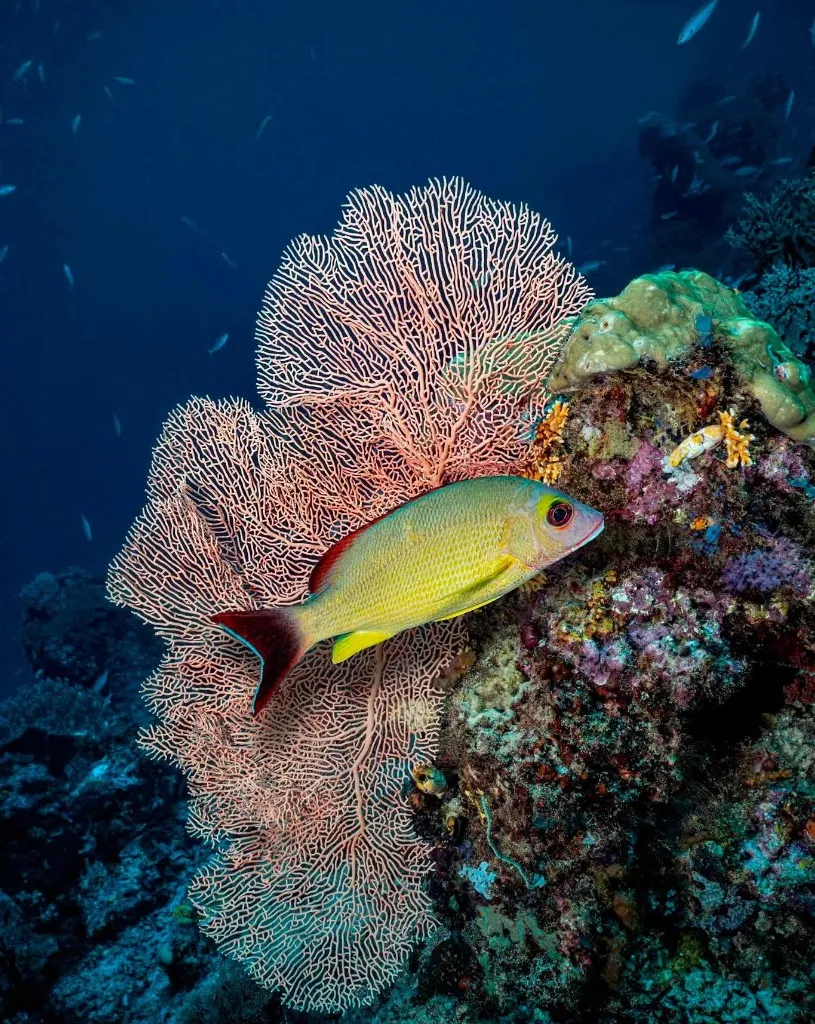
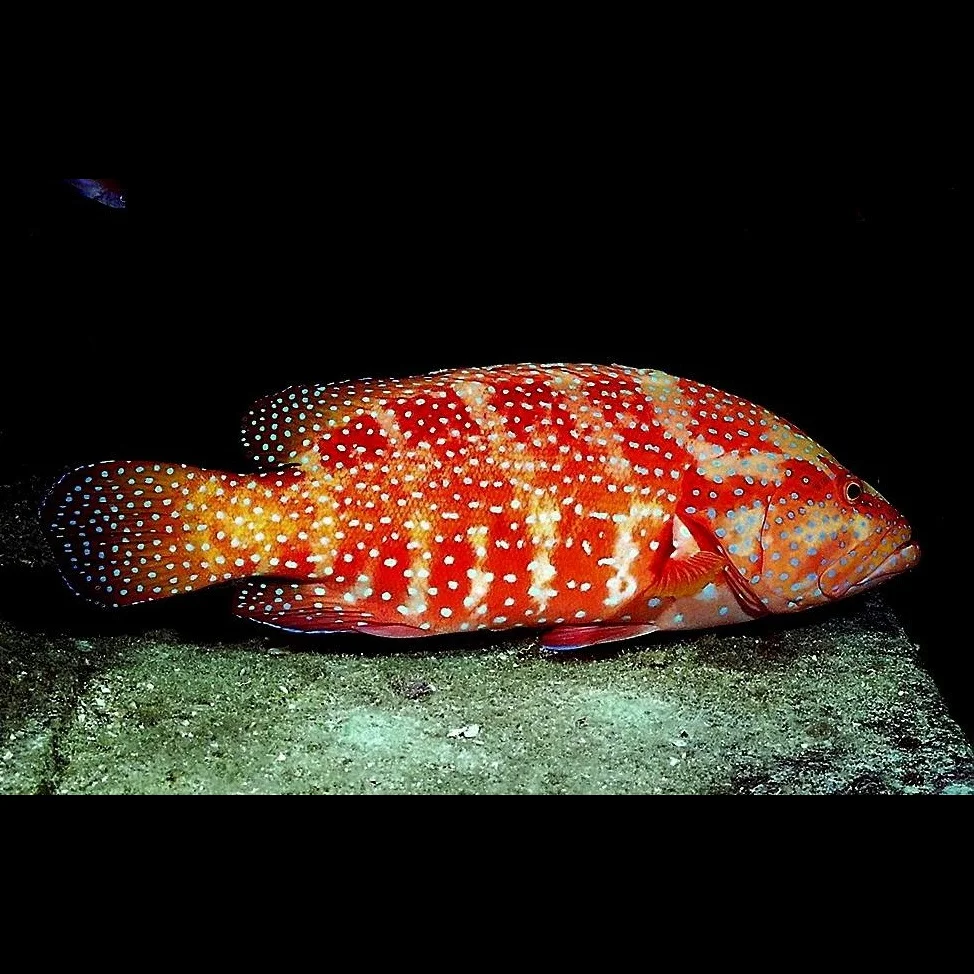
Divers often encounter schools of baitfish, which in turn draw larger predatory species. Many species of grouper and snapper utilize the nooks and crannies of the reef for shelter, especially within the precast fish habitats.
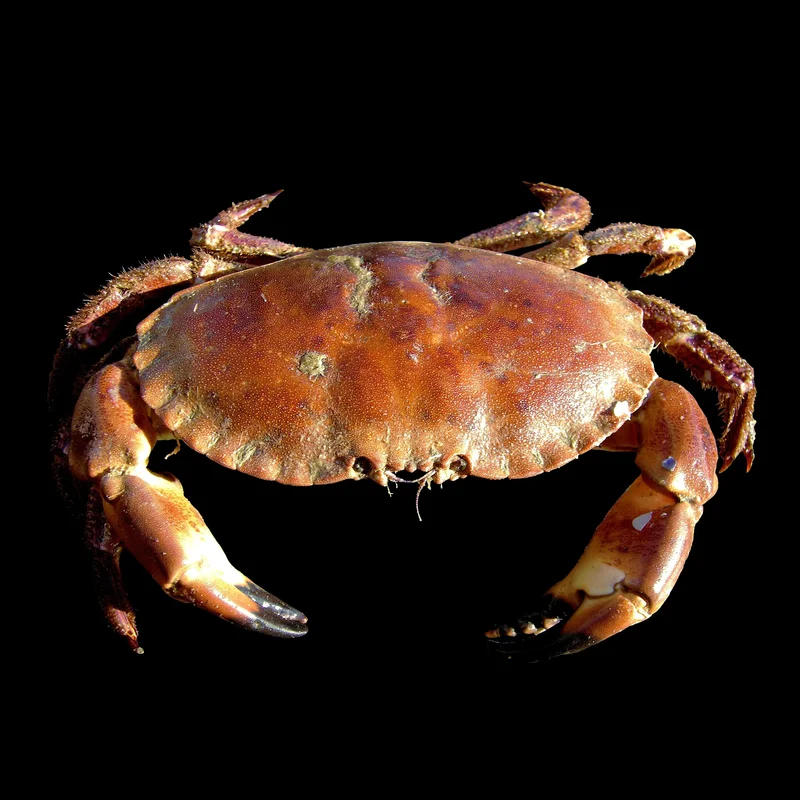
Keep an eye out for smaller invertebrates such as crabs and shrimp finding homes among the limestone formations.
Dive Centers Near Robby Redding Memorial Reef #1
Today: 09:00 - 16:00
Nearest Airports
Nearest airports to help plan travel to this dive area.
Search Flights
Check available flights and routes on Expedia, using the nearby airports listed in this section.
Search Flights on ExpediaFrequently Asked Questions
What is Robby Redding Memorial Reef #1?
This site is one of eight distinct artificial reef areas making up the larger Robby's Reef system, created as a memorial to Robby Redding. It serves as an active habitat for marine life and a dive site.
What kind of structures are found at this specific reef site?
Robby Redding Memorial Reef #1 primarily features five Walter Florida Limestone Reef Modules. These are cone-shaped concrete and limestone structures designed to provide habitat for various marine species.
How deep is Robby Redding Memorial Reef #1?
Reaching a maximum depth of 15 m (50 ft), the reef is accessible for most recreational divers, including Open Water certified individuals.
Where is Robby Redding Memorial Reef #1 located?
The reef is situated in the Carrabelle 10 Mile area of the Gulf, approximately 10 nautical miles from Dog Island. Its coordinates are Lat 29 39.600, Longitude: 84 30.016.
What type of marine life can be observed here?
The artificial structures attract a variety of Gulf species, including various fish, grouper, and snapper. Smaller invertebrates like crabs are also commonly found taking refuge within the reef's crevices.
Is this reef suitable for all levels of divers?
This reef is generally suitable for certified recreational divers comfortable with open water conditions and potential currents. Specialized training is recommended for exploring any overhead environments within the structures.
How was Robby's Reef funded and created?
Robby's Reef was funded through a music festival called Robby’s Reef Fun’Raiser, organized by Robby's family and community. The project took three years to deploy, with assistance from the Organization for Artificial Reefs (OAR) for permitting and deployment.
Planning to dive Robby Redding Memorial Reef #1?
Send one inquiry and receive offers directly from the best verified local dive operators.
Conditions are Good
Optimal conditions expected
Current conditions near Robby Redding Memorial Reef #1 show 31° air, 30° sea temperature, 0.9 m waves, and 34 km/h wind. Forecast data is refreshed regularly to ensure accuracy.