
Diving at Rube Allyn Reef (United States)
Pinellas County's Rube Allyn Reef invites divers to explore a shallow artificial habitat, an accessible site suitable for many certifications. Descending to 15 meters (50 feet), visitors encounter diverse structures forming a foundational ecosystem. This is a popular destination for those seeking a straightforward reef dive with active marine interactions in Florida.
During this afternoon at Rube Allyn Reef, the recorded air temperature stands at 26.5°C. The water surface currently features wave heights of 0.4 m. These conditions reflect the midday climate for this dive site.
Dive Site Location & Key Facts
Dive Site Overview
Initiated as part of Pinellas County's extensive artificial reef program, Rube Allyn Reef was strategically established to enhance local marine habitats and expand accessible dive opportunities. The site is characterized by an arrangement of numerous tall pyramid structures, complemented by scattered, robust concrete sections salvaged from the demolition of the old Clearwater Pass bridge.
These substantial deployed materials create a complex, layered topography across the sandy seabed, effectively forming a thriving artificial reef ecosystem. Unlike other notable Pinellas County reefs, such as Pinellas #2 or #3, which primarily feature larger vessels or decommissioned military ships catering to deeper, more technical diving profiles, Rube Allyn Reef maintains a consistent, relatively shallow recreational depth.
Its maximum depth is approximately 15 meters (50 feet), making the site highly approachable for a broad spectrum of certified divers, including those with Open Water certification. This deliberate and thoughtful construction offers a structured, protective environment, allowing a vibrant and diverse ecosystem to flourish within its man-made framework, supporting a wide array of marine life.
Conditions are Good
Optimal conditions expected
Current conditions near Rube Allyn Reef show 27° air, 30° sea temperature, 0.4 m waves, and 30 km/h wind. Forecast data is refreshed regularly to ensure accuracy.
Best Time to Dive
Planning a dive at Rube Allyn Reef finds conditions generally favorable across much of the year. Water temperatures typically range between 25-29°C (78-85°F), with surface averages around 26°C (80°F), allowing comfortable diving in most seasons. While January brings the coldest air temperatures, averaging 14.5°C (58°F), the warmer months of July and August see air temperatures peak near 29°C (84°F). Dive quality often rates as 'Good' from February through December, with January being 'Moderate' due to potentially choppier wave heights, which average around 1.1 meters (3.6 feet) during that month. Rainfall is generally manageable, though August may experience higher precipitation. For calmer conditions and warmer air, targeting the period from May to September, when wave heights are typically lower and winds less pronounced, might enhance the overall experience.
PEAK SEASON SCORE
Scores combine air & water temps, waves, wind & rainfall for overall conditions.
BEST MONTHS TO DIVE
Monthly records compiled from satellite and marine observation nodes over the last 3 years. Data provided by Open-Meteo and MET Norway.
Dive Experience & Conditions
Exploring Rube Allyn Reef offers a tangible sense of interaction with a constructed marine environment. The site’s defining feature is its array of tall pyramid structures, interspersed with concrete remnants from the old Clearwater Pass bridge. These elements create numerous nooks and crannies for marine life. Divers operate within a recreational maximum depth of about 15 meters (50 feet). Visibility at the reef often ranges considerably, from 6 to 30 meters (20 to 100 feet), varying depending on local conditions and plankton blooms. Water temperatures remain inviting, typically hovering between 25-29°C (78-85°F). While significant currents aren't consistently reported, divers should always be prepared for moderate water movement, as is common in open coastal waters. The overall impression is one of a thriving, accessible artificial reef system.
Dive Difficulty & Safety Guidelines
Approaching Rube Allyn Reef requires careful planning, ensuring diver safety remains paramount. While its maximum recreational depth of 15 meters positions it comfortably within limits for Open Water certified divers, seeking local expertise is critical. Before any immersion, consulting Pinellas Park dive centers for current conditions, site-specific requirements, and recommendations is strongly advised.
Being accompanied by a professional can further enhance safety, especially for those new to the area. Divers should be aware that artificial reef components, including those at Rube Allyn Reef (around 50 feet), can shift over time due to storms, meaning published GPS coordinates should be treated as approximate references. Always verify your entry point and dive plan with up-to-date local information.
Recommended Equipment
- Dive Computer
This gear list is based on verified equipment signals for Rube Allyn Reef, United States. Always confirm final gear choices with your dive operator, guide, or liveaboard.
Recommended Dive Suit
Dive skin or rash guard is frequently recommended by dive operators for conditions like these. A hood or vest is suggested for sensitive divers due to surface winds. Those diving at Rube Allyn Reef today will likely encounter water temperatures in the region of 30°C (87°F). Surface air temperatures are resting at 27°C (80°F).
Forecast conditions over the next few days suggest temperatures will remain relatively stable.
Even small thermoclines can occasionally cause noticeable changes in water temperature.
Emergency & Medical Support
Essential information to help you plan your dive trip to Rube Allyn Reef.

Hyperbaric chambers are a critical part of dive safety infrastructure. Availability varies significantly by region, and not all dive areas have immediate access.
Before diving, it's recommended to:
- confirm nearest medical facilities
- check emergency procedures with local dive operators
- ensure dive insurance covers evacuation if required
Divers Alert Network
Diving emergency assistance available through DAN World.
+1-919-684-9111- 24/7 emergency hotline
- Diving medical assistance
- Evacuation coordination
Emergency contacts are provided for reference. Always verify local emergency services before diving.
Marine Life at Rube Allyn Reef
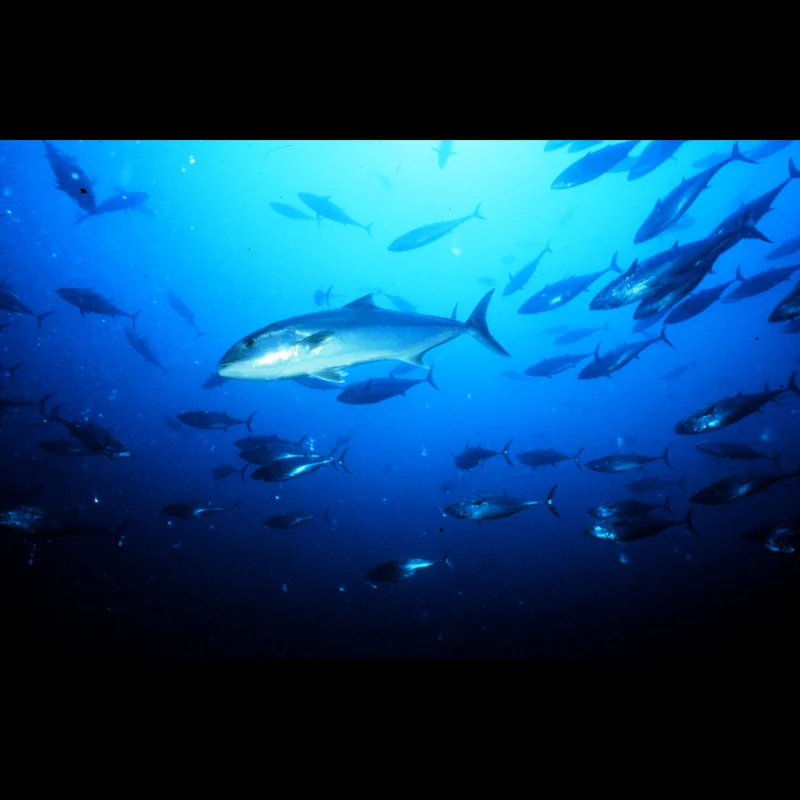
Upon arrival at Rube Allyn Reef, divers often quickly notice schooling fish around the pyramid structures. Kingfish are a particularly prominent species here, frequently seen patrolling the reef.
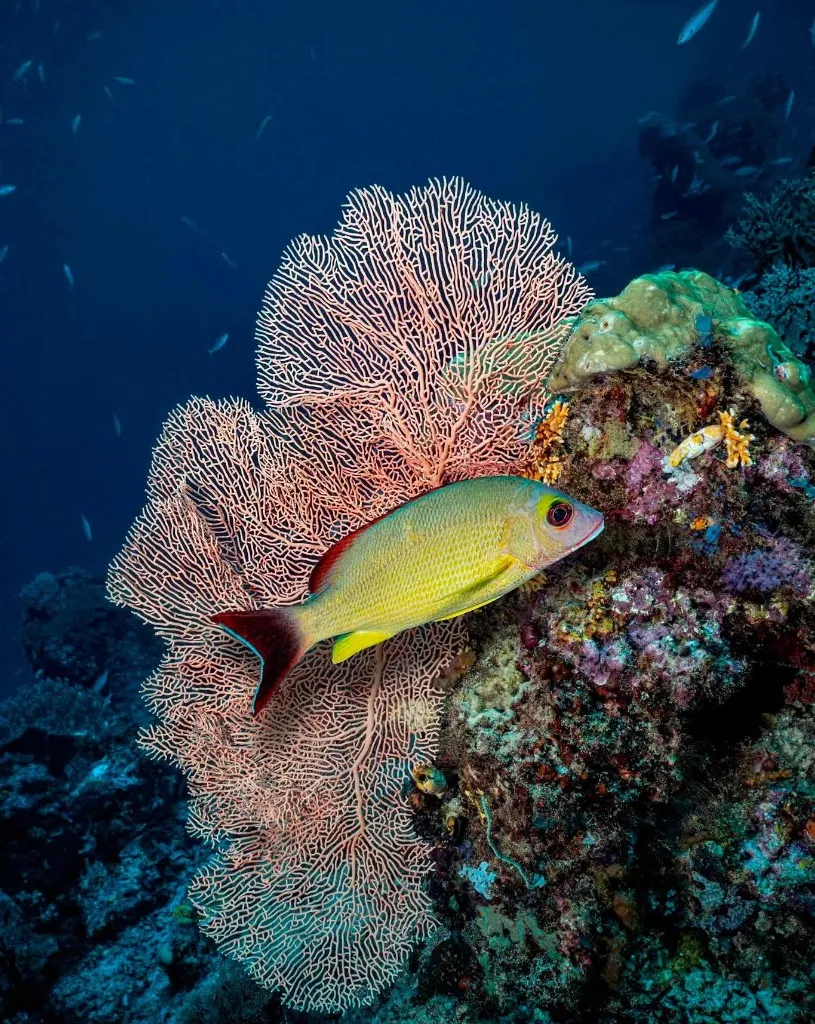
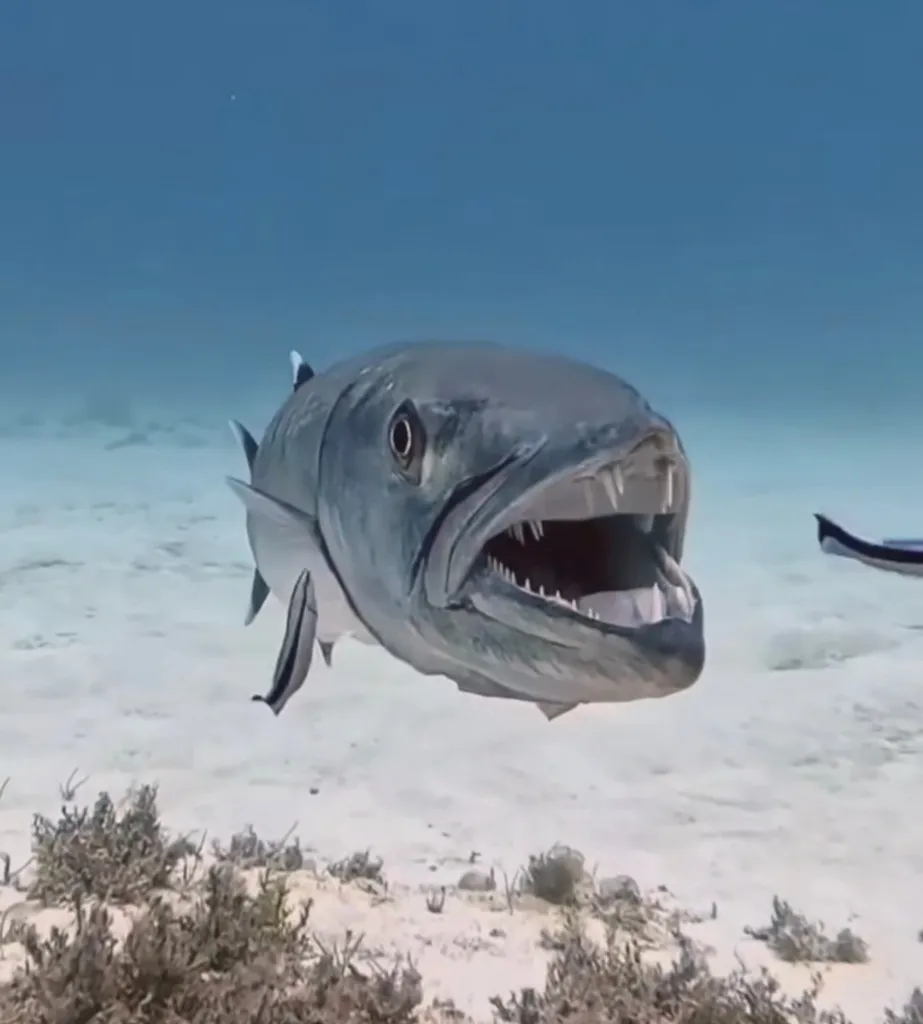
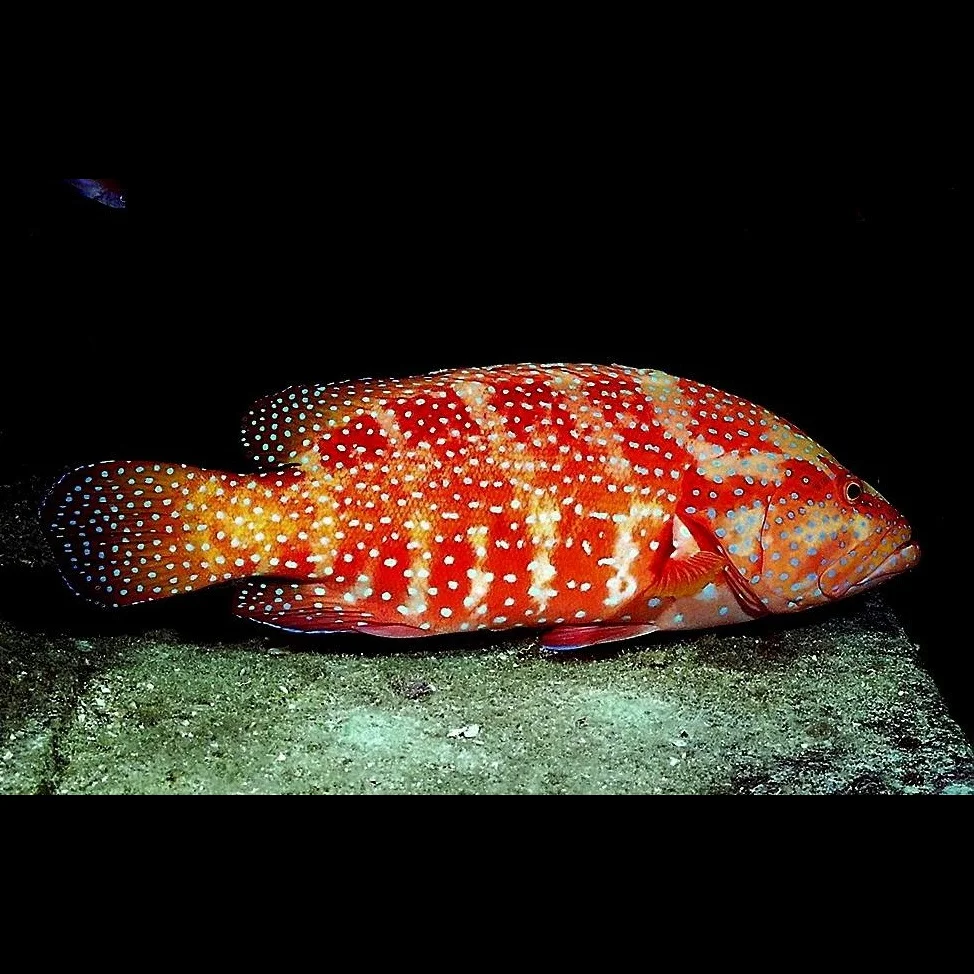
The habitat also attracts a variety of other fish, including grouper, snapper, and amberjack. It’s not uncommon to encounter Spanish mackerel, triggerfish, and barracuda, which utilize the varied terrain for hunting and shelter.
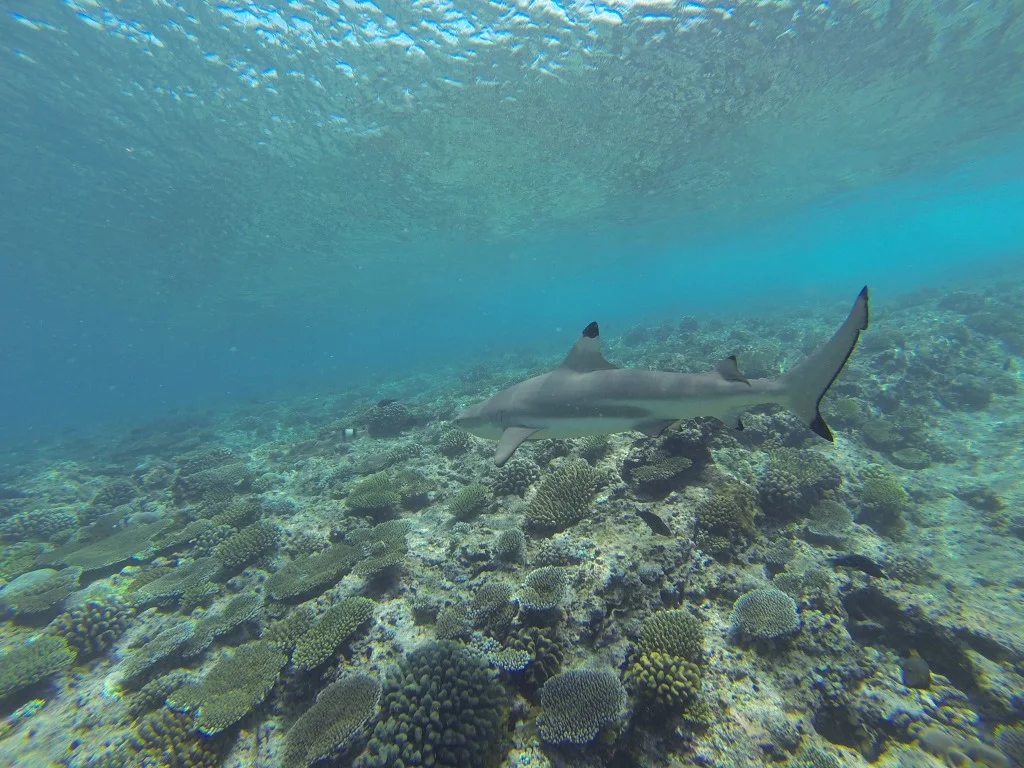
Even larger pelagic species, such as some shark varieties, may pass through the area. This site provides a vital sanctuary, supporting a diverse range of aquatic creatures within its artificial framework.
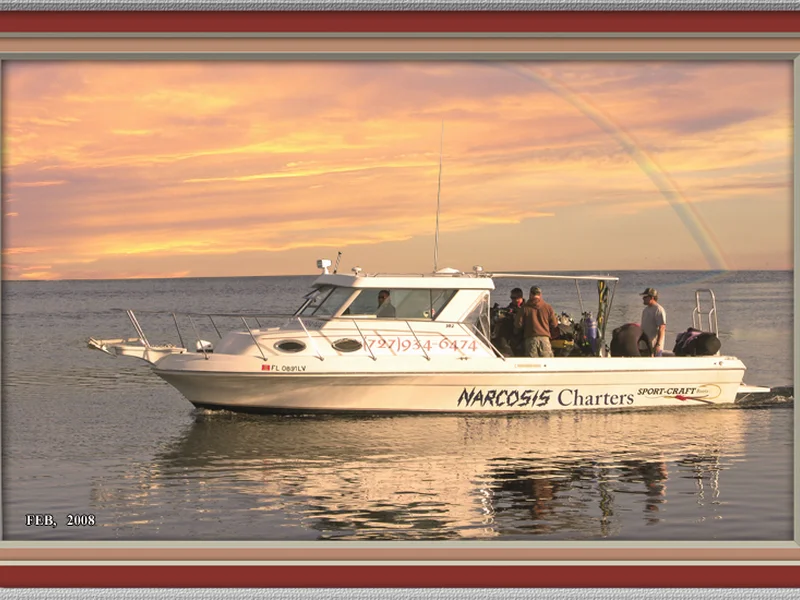
Dive Centers Near Rube Allyn Reef
Today: 10:00 - 17:00
Nearest Airports
Nearest airports to help plan travel to this dive area.
Search Flights
Check available flights and routes on Expedia, using the nearby airports listed in this section.
Search Flights on Expedia
Plan Your Stay
Looking for a place to stay for your dive trip? Explore hotels, stays, and vacation rentals for dive groups near Belleair Beach.
Dive Navigator may earn a commission from these links at no extra cost to you.
Frequently Asked Questions
What is the maximum depth at Rube Allyn Reef?
Rube Allyn Reef has a maximum depth of 15 meters (50 feet), making it suitable for recreational divers. This depth range is accessible to Open Water certified divers.
What kind of structures can I expect to see?
The reef primarily consists of tall pyramid structures and sections of the old Clearwater Pass bridge. These concrete materials create a varied and interesting underwater landscape for exploration.
What is the typical water temperature?
Water temperatures at Rube Allyn Reef generally range from 25°C to 29°C (78°F to 85°F), with an average surface temperature of 26°C (80°F). Conditions usually feel comfortable.
What is the typical visibility at the site?
Visibility can vary significantly, often ranging between 6 to 30 meters (20 to 100 feet) depending on local conditions and plankton levels. Checking local reports before diving is recommended.
Is Rube Allyn Reef suitable for beginner divers?
Yes, its maximum depth of 15 meters is well within the limits for Open Water certified divers. However, always consult local dive centers for current conditions and guidance before diving.
What marine life is commonly sighted here?
Divers frequently observe kingfish, which are a highlight of the reef. Grouper, snapper, amberjack, Spanish mackerel, triggerfish, and barracuda are also commonly found among the structures.
What months offer the best diving conditions?
Diving is possible year-round, with good conditions from February through December. May to September often provides calmer seas and warmer air temperatures, enhancing the experience.
Are GPS coordinates reliable for locating the reef?
GPS coordinates should be used as a reference point. Storms can shift artificial reef components over time, so expect some variation and always cross-reference with local navigation aids or guidance.
Planning to dive Rube Allyn Reef?
Send one inquiry and receive offers directly from the best verified local dive operators.
Conditions are Good
Optimal conditions expected
Current conditions near Rube Allyn Reef show 27° air, 30° sea temperature, 0.4 m waves, and 30 km/h wind. Forecast data is refreshed regularly to ensure accuracy.