
Diving at Rube Allyn Reef (United States)
Rube Allyn Reef emerged not from millennia of natural processes, but from a deliberate human endeavor to foster marine ecosystems. This artificial reef represents a significant intervention, transforming an otherwise barren seafloor into a structured habitat. Created to attract and support diverse aquatic life, its submerged framework tells a story of conservation and habitat enhancement. This purpose-built structure continues to evolve as a vital underwater landmark.
As evening covers Rube Allyn Reef, the local air temperature is measured at 29°C. The current wave height at the surface is recorded at 0.7 m. These late-day readings characterize the surface conditions for the night.
Dive Site Location & Key Facts
Dive Site Overview
Diving Rube Allyn Reef offers an experience centered around exploring a purposefully constructed underwater environment designed to enrich local marine biodiversity. As an artificial reef, its structure provides immediate shelter and foraging grounds, drawing in a variety of species.
While specific details on its exact depth profile are not consistently reported, artificial reefs typically offer varied topography within recreational diving limits. It’s an ideal site for observing how marine life adapts to and colonizes new habitats. Divers can anticipate encountering a developing ecosystem, with growth continually accumulating on the reef materials.
The dive site serves as a testament to the effectiveness of artificial reef programs in supporting oceanic health and creating engaging dive opportunities. Navigating its framework allows for close inspection of both the man-made elements and the biological communities they now support.
Conditions are Good
Optimal conditions expected
Current conditions near Rube Allyn Reef show 29° air, 31° sea temperature, 0.4 m waves, and 24 km/h wind. Forecast data is refreshed regularly to ensure accuracy.
Best Time to Dive
Planning a dive at Rube Allyn Reef is best done when conditions are most favorable, typically aligning with the warmer months. February through July and then extending through November generally provide 'Good' dive scores, indicating optimal conditions. Air temperatures during these periods range from 16°C (61°F) in February, rising to 28.5°C (83°F) in July, before gradually cooling to 21°C (70°F) in November. These months also tend to have more moderate wave heights, often below 0.9 m (3 ft), contributing to smoother surface conditions. Rainfall is generally lower in the spring months, with April averaging around 1.26 mm, making for clearer skies and potentially better visibility. While specific water temperature data for Rube Allyn Reef isn't consistently reported, these air temperature trends often correlate with more comfortable water conditions.
PEAK SEASON SCORE
Scores combine air & water temps, waves, wind & rainfall for overall conditions.
BEST MONTHS TO DIVE
Monthly records compiled from satellite and marine observation nodes over the last 3 years. Data provided by Open-Meteo and MET Norway.
Dive Experience & Conditions
Approaching Rube Allyn Reef, divers should be prepared for typical nearshore conditions that can vary throughout the day. Visibility fluctuates based on recent weather and currents, which might distribute sediment. Wave heights are often below 1.1 m (3.6 ft) but can increase, particularly during winter months. Wind speeds, averaging between 21 and 33 km/h (13-20 mph), might influence surface chop and boat rides. Divers will find the structure itself creating numerous nooks and crannies. This complexity provides shelter for smaller marine organisms and points of interest for exploration. Current strength at the site can also vary depending on tidal movements and regional oceanographic patterns, so divers should assess conditions upon arrival. The site offers opportunities for both experienced divers navigating potential currents and newer divers exploring the settled structure.
Dive Difficulty & Safety Guidelines
Diver skill context at Rube Allyn Reef primarily calls for a foundational understanding of boat diving procedures and general open water safety. As an artificial reef, it presents structures that can require careful buoyancy control to avoid contact. Divers should adhere to standard no-touch principles to preserve the developing ecosystem.
Always dive within your certification limits and plan your dive, including gas management, based on the anticipated maximum depth of the reef and bottom time. Since site-specific hazard data is not consistently reported, divers should remain vigilant for potential entanglement points on the artificial structure.
It's prudent to carry an audible signaling device and a surface marker buoy, especially when drifting might occur due to currents. Always dive with a buddy and conduct thorough pre-dive checks.
Recommended Equipment
- Dive Computer
This gear list is based on verified equipment signals for Rube Allyn Reef, United States. Always confirm final gear choices with your dive operator, guide, or liveaboard.
Recommended Dive Suit
Surface temperatures may decrease slightly later in the week. Cooler days are ahead; you might want a warmer option for later in the week. A hood or vest can noticeably improve warmth during longer dives.
Thermal protection such as dive skin or rash guard is commonly used in similar temperatures. Consider warmer surface protection (like a boat coat) due to brisk winds.
Recent environmental data from Rube Allyn Reef indicates water temperatures near 31°C (88°F). Surface air temperatures are resting at 29°C (84°F).
Due to technical issues with our weather providers, data hasn't been fetched for over 48 hours. The data above reflects the conditions at the time of the last successful fetch.
Emergency & Medical Support
Essential information to help you plan your dive trip to Rube Allyn Reef.

Hyperbaric chambers are a critical part of dive safety infrastructure. Availability varies significantly by region, and not all dive areas have immediate access.
Before diving, it's recommended to:
- confirm nearest medical facilities
- check emergency procedures with local dive operators
- ensure dive insurance covers evacuation if required
Divers Alert Network
Diving emergency assistance available through DAN World.
+1-919-684-9111- 24/7 emergency hotline
- Diving medical assistance
- Evacuation coordination
Emergency contacts are provided for reference. Always verify local emergency services before diving.
Marine Life at Rube Allyn Reef
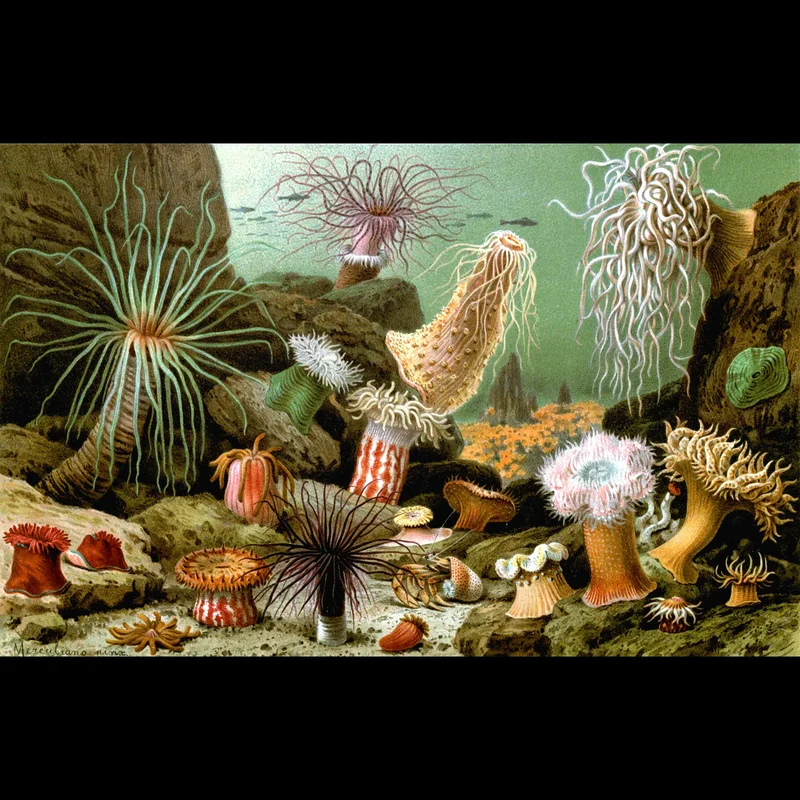
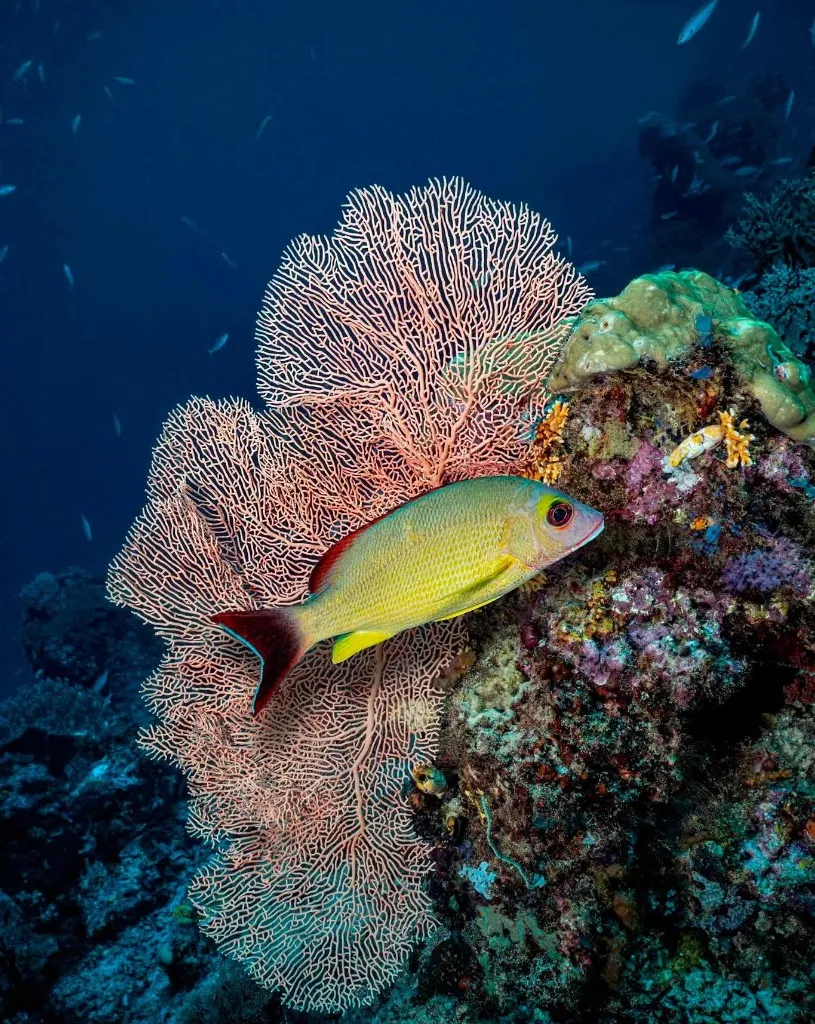
The underwater landscape of Rube Allyn Reef is a dynamic canvas, continually attracting and hosting diverse marine species as it matures. Its artificial structures serve as foundational habitat for sessile organisms like corals, sponges, and anemones, which gradually colonize the surfaces.
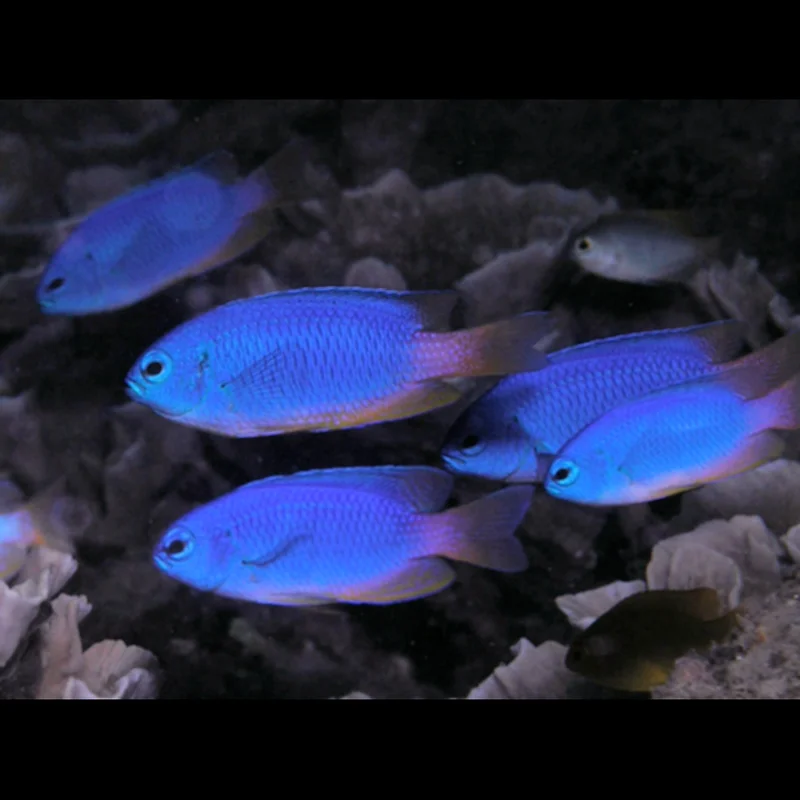
These pioneering species, in turn, create micro-habitats that support a range of reef fish, from smaller wrasses and damselfish to larger groupers or snappers seeking shelter.
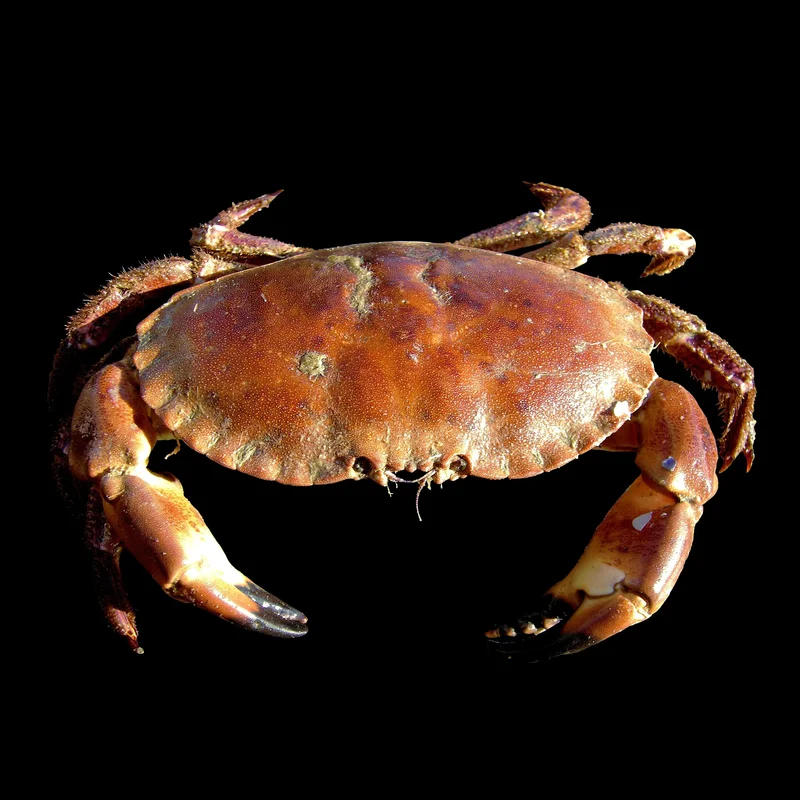
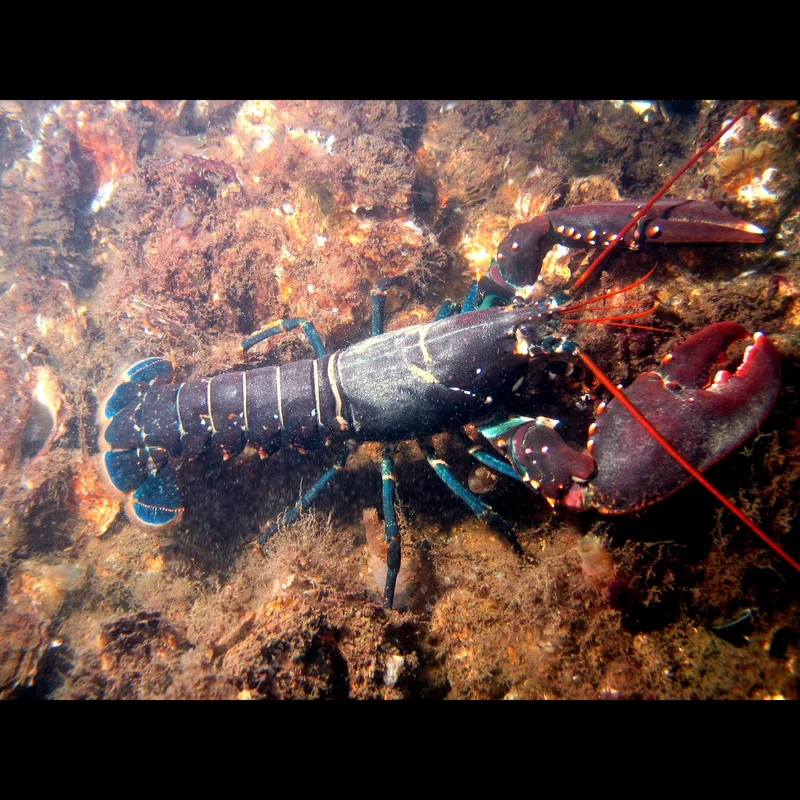
Additionally, mobile invertebrates such as crabs, lobsters, and various gastropods are likely found amidst the reef’s crevices. Pelagic species may also pass by, drawn to the concentration of food and shelter the reef provides in an otherwise open area. Each dive offers a glimpse into the ongoing ecological succession of this created environment.
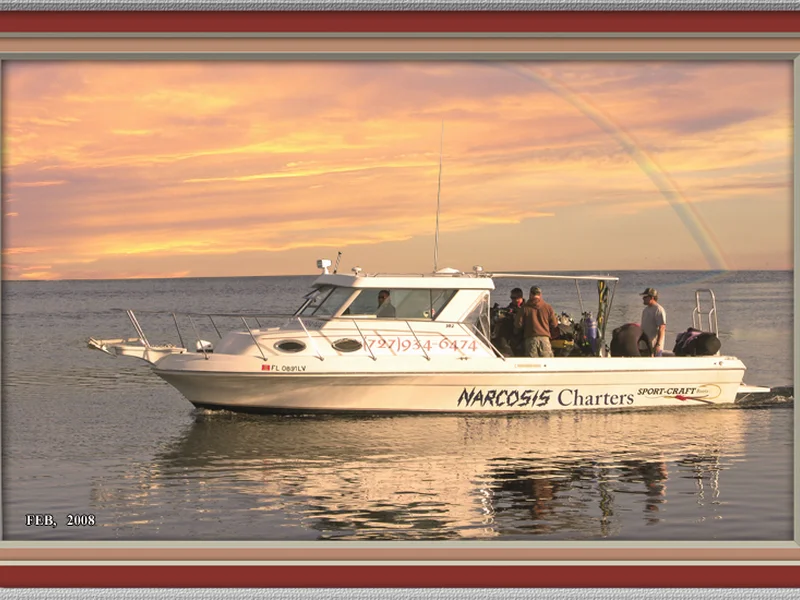
Dive Centers Near Rube Allyn Reef
Today: 11:00 - 19:00
Nearest Airports
Nearest airports to help plan travel to this dive area.
Search Flights
Check available flights and routes on Expedia, using the nearby airports listed in this section.
Search Flights on Expedia
Plan Your Stay
Looking for a place to stay for your dive trip? Explore hotels, stays, and vacation rentals for dive groups near Belleair Beach.
Dive Navigator may earn a commission from these links at no extra cost to you.
Frequently Asked Questions
What kind of reef is Rube Allyn Reef?
Rube Allyn Reef is an artificial reef, meaning it was intentionally constructed and submerged to create new marine habitats and enhance biodiversity in the area. These structures provide substrate for marine life to colonize and thrive.
What is the typical depth range for diving Rube Allyn Reef?
While specific depth data for Rube Allyn Reef isn't consistently reported, artificial reefs are generally deployed within recreational diving limits. Divers should anticipate a maximum depth within the range suitable for Open Water certified divers, often around 18-30 meters (60-100 feet).
What marine life can I expect to see?
As an artificial reef, Rube Allyn Reef attracts a variety of marine life. You can expect to see various reef fish species, crabs, lobsters, and hard and soft corals that have colonized the structures over time. Larger pelagic fish may also pass through the area.
What are the general visibility conditions at the site?
Visibility at Rube Allyn Reef can vary significantly based on local weather, currents, and recent rainfall. It's always advisable to check current local reports or consult with dive operators for the most up-to-date visibility conditions before planning your dive.
Are there strong currents at Rube Allyn Reef?
Current conditions at Rube Allyn Reef can vary depending on tides and prevailing oceanographic patterns. While not always strong, divers should be prepared for the possibility of currents and plan their dives accordingly, potentially using a drift diving approach if advised by local guides.
What is the best time of year for good diving conditions?
The months from February through July and then September through November generally offer the most favorable diving conditions. During these periods, air temperatures are milder, wave heights are more moderate, and the dive scores are typically 'Good', indicating a better overall dive experience.
Planning to dive Rube Allyn Reef?
Send one inquiry and receive offers directly from the best verified local dive operators.
Conditions are Good
Optimal conditions expected
Current conditions near Rube Allyn Reef show 29° air, 31° sea temperature, 0.4 m waves, and 24 km/h wind. Forecast data is refreshed regularly to ensure accuracy.