
Diving at Rube Allyn Reef (United States)
For certified divers seeking accessible reef exploration, Rube Allyn Reef presents an opportunity to engage with an artificial underwater habitat. This site, designed to enhance marine ecosystems, provides an interesting structure for divers to navigate. It serves as a focal point for local marine life, offering a distinctive experience beneath the surface.
As evening covers Rube Allyn Reef, the local air temperature is measured at 29°C. The current wave height at the surface is recorded at 0.8 m. These late-day readings characterize the surface conditions for the night.
Dive Site Location & Key Facts
Dive Site Overview
An artificial structure, Rube Allyn Reef was deliberately positioned to cultivate marine biodiversity and expand recreational diving possibilities. Submerged components generally create intricate environments, providing vital refuge for numerous species where natural hard bottom terrain is scarce.
While specific construction details and deployment history are not consistently documented, artificial reefs like this typically incorporate various materials. These are thoughtfully arranged to form complex structures that attract and sustain diverse marine organisms. Exploring these underwater installations allows divers to witness directly how human intervention can foster thriving aquatic ecosystems.
Site development aligns with broader conservation efforts, fostering sustainable habitats for marine life while simultaneously offering an appealing destination for certified divers. Maximum depths here remain within recreational limits, generally reaching 30 m (100 ft).
This allows for extensive bottom time and thorough investigation of its evolving marine communities.
Conditions are Good
07:00 - 14:00
Optimal conditions expected
Current conditions near Rube Allyn Reef show 29° air, 31° sea temperature, 0.4 m waves, and 24 km/h wind. Forecast data is refreshed regularly to ensure accuracy.
Best Time to Dive
Planning your visit to Rube Allyn Reef is best done considering the calmer conditions often present from late spring through early autumn, particularly May to November. During this period, the dive score typically registers as 'Good' (7-8). Air temperatures are comfortably warm, ranging from 25.5°C (78°F) in May to highs of 29°C (84°F) in August. This timeframe also generally sees lower wave heights, averaging around 0.6 meters (2 feet) from May to September, and reduced wind speeds compared to winter months. While August can experience the highest rainfall at 8.02 mm (0.32 inches), other months like May, June, and July offer excellent conditions with significantly less precipitation. For optimal visibility and comfort, targeting months with lower wind and wave activity, which generally coincides with warmer air, enhances the diving experience significantly.
PEAK SEASON SCORE
Scores combine air & water temps, waves, wind & rainfall for overall conditions.
BEST MONTHS TO DIVE
Monthly records compiled from satellite and marine observation nodes over the last 3 years. Data provided by Open-Meteo and MET Norway.
Dive Experience & Conditions
Diving at Rube Allyn Reef generally involves navigating an artificial structure designed for underwater exploration. Specific water temperatures for this site are not consistently reported but typically vary seasonally, influenced by regional ocean currents and atmospheric conditions. Divers can expect average wave heights that fluctuate, with calmer conditions often observed during summer, averaging around 0.5-0.7 meters (1.6-2.3 feet) from July to August. Conversely, winter months, particularly January, show higher averages of 1.1 meters (3.6 feet). Wind speeds also follow a similar pattern, with average speeds ranging from 21.3 km/h (13.2 mph) in July to 33.2 km/h (20.6 mph) in January, influencing surface conditions and boat travel. The interaction of these factors means visibility can shift, often dependent on recent weather patterns and tidal movements. Recreational depths are expected, making the site suitable for a range of certified divers.
Dive Difficulty & Safety Guidelines
Approaching Rube Allyn Reef requires standard diving safety protocols, similar to any artificial reef site. Given the potential for varying conditions, divers should always assess wave height and wind speed before entry; these can influence surface currents and boat handling. Maintaining neutral buoyancy is crucial to avoid contact with the reef structures and protect the developing ecosystem.
While no specific hazards are reported for Rube Allyn Reef, divers should remain aware of potential entanglement risks from fishing lines or debris that can accumulate on artificial structures. Always dive within your certification limits and consider carrying an SMB for surface signaling, especially if boat traffic is present. A thorough buddy check and adherence to dive plan guidelines are fundamental for a safe experience.
Recommended Equipment
- Dive Computer
This gear list is based on verified equipment signals for Rube Allyn Reef, United States. Always confirm final gear choices with your dive operator, guide, or liveaboard.
Recommended Dive Suit
Surface temperatures may decrease slightly later in the week. Cooler days are ahead; you might want a warmer option for later in the week. A hood or vest can noticeably improve warmth during longer dives.
Thermal protection such as dive skin or rash guard is commonly used in similar temperatures. Consider warmer surface protection (like a boat coat) due to brisk winds.
Recent environmental data from Rube Allyn Reef indicates water temperatures near 31°C (88°F). Surface air temperatures are resting at 29°C (84°F).
Due to technical issues with our weather providers, data hasn't been fetched for over 48 hours. The data above reflects the conditions at the time of the last successful fetch.
Emergency & Medical Support
Essential information to help you plan your dive trip to Rube Allyn Reef.

Hyperbaric chambers are a critical part of dive safety infrastructure. Availability varies significantly by region, and not all dive areas have immediate access.
Before diving, it's recommended to:
- confirm nearest medical facilities
- check emergency procedures with local dive operators
- ensure dive insurance covers evacuation if required
Divers Alert Network
Diving emergency assistance available through DAN World.
+1-919-684-9111- 24/7 emergency hotline
- Diving medical assistance
- Evacuation coordination
Emergency contacts are provided for reference. Always verify local emergency services before diving.
Marine Life at Rube Allyn Reef
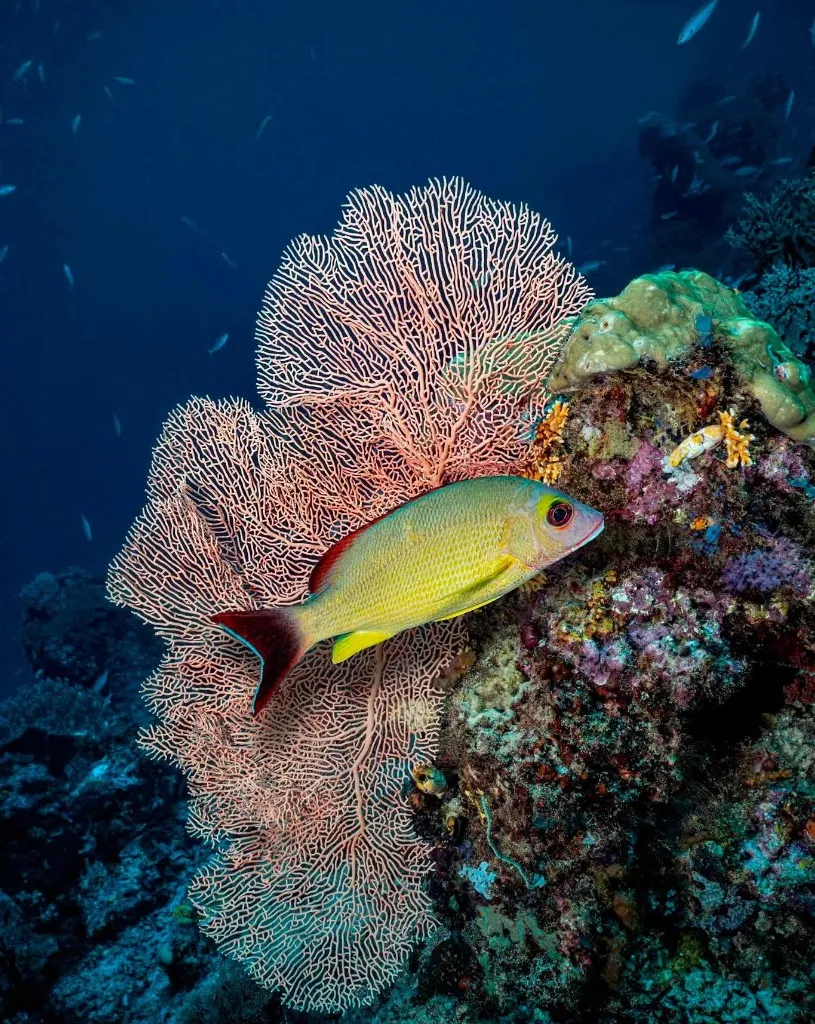
The artificial structures of Rube Allyn Reef serve as an essential habitat for a diverse array of marine life. While specific species are not extensively documented for this particular site, artificial reefs commonly attract various fish species seeking shelter and feeding grounds.
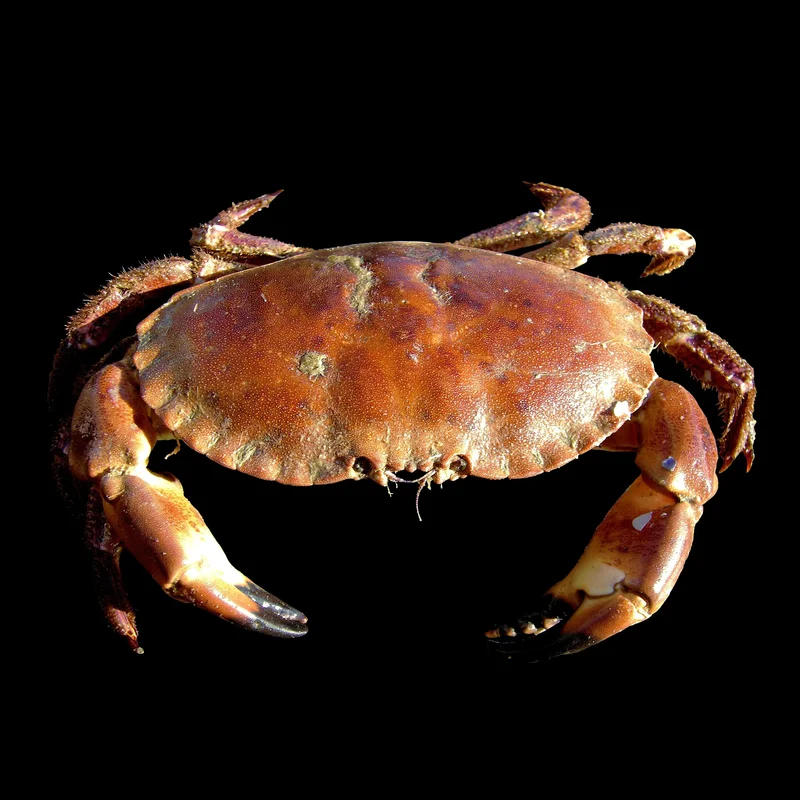
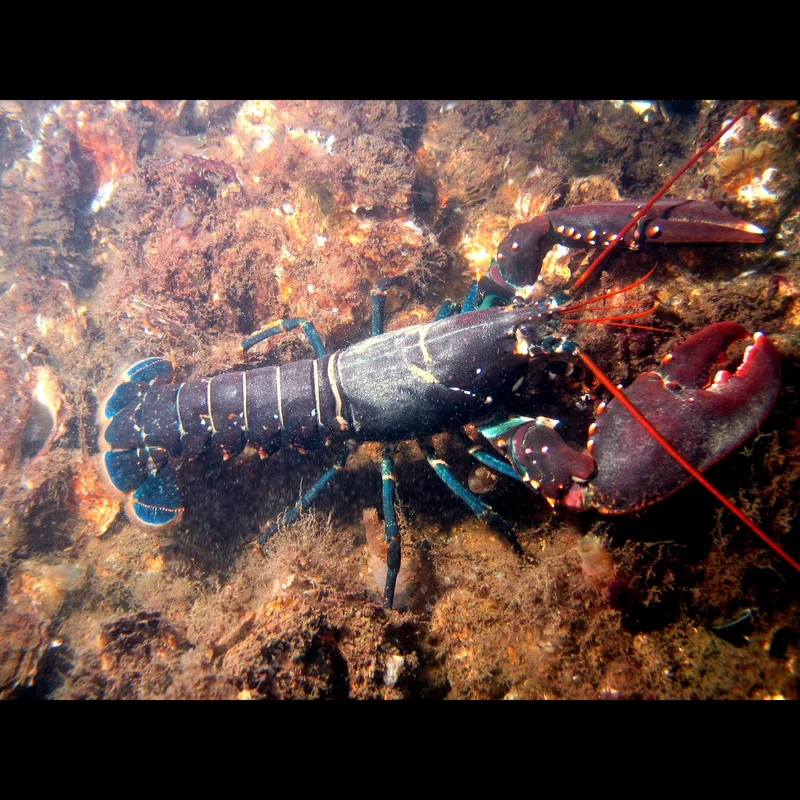
You might encounter schooling fish, such as grunts and snapper, often congregating around the structure's contours. Invertebrates like crabs and lobsters can also find refuge within the crevices.
Occasional visits from larger pelagic species, drawn by the aggregation of smaller fish, are possible, especially during migration periods. The varied surfaces often encourage the growth of soft corals and sponges, adding color and complexity to the underwater landscape.

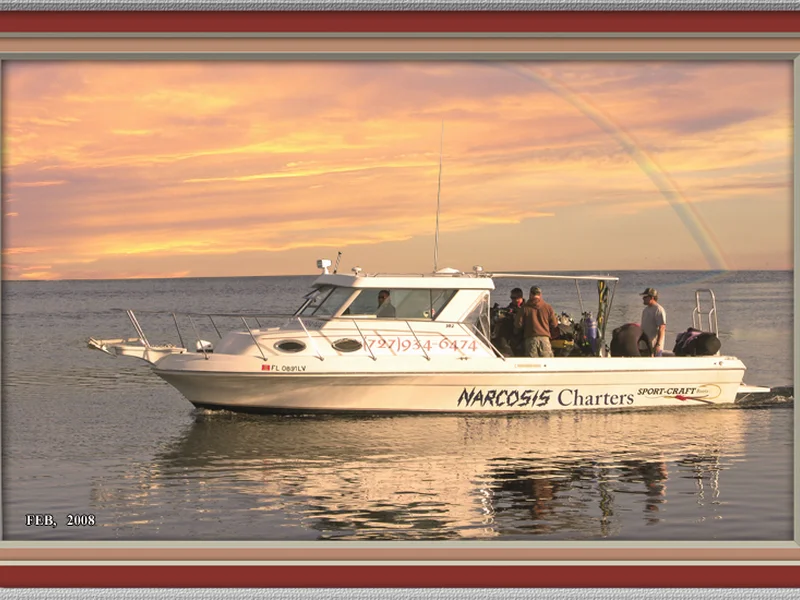
Dive Centers Near Rube Allyn Reef
Today: 11:00 - 19:00
Nearest Airports
Nearest airports to help plan travel to this dive area.
Search Flights
Check available flights and routes on Expedia, using the nearby airports listed in this section.
Search Flights on Expedia
Plan Your Stay
Looking for a place to stay for your dive trip? Explore hotels, stays, and vacation rentals for dive groups near Belleair Beach.
Dive Navigator may earn a commission from these links at no extra cost to you.
Frequently Asked Questions
What kind of dive experience can I expect at Rube Allyn Reef?
Divers can expect to explore an artificial reef structure that creates a complex environment for marine life. It offers an opportunity to observe how submerged structures foster new ecosystems and provides a distinctive navigational experience.
Is Rube Allyn Reef suitable for all certification levels?
The reef is generally within recreational depth limits. While specific depth details are not available, it's typically suitable for most certified divers. Always assess current conditions and dive within your training and comfort levels.
What are the best months for diving at Rube Allyn Reef?
Late spring through early autumn, particularly May to November, generally offers the best diving conditions. This period features warmer air temperatures, lower wave heights, and reduced wind speeds, contributing to a more comfortable dive.
What is the water temperature like at Rube Allyn Reef?
Specific water temperature averages for Rube Allyn Reef are not consistently reported. Water temperatures will vary seasonally, influenced by local weather patterns and ocean currents in the region.
What marine life might I see on the reef?
Artificial reefs like Rube Allyn Reef often attract schooling fish such as grunts and snapper, various invertebrates like crabs and lobsters, and potentially occasional larger pelagic species. Soft corals and sponges can also colonize the structures.
Are there any specific safety concerns at Rube Allyn Reef?
Divers should be mindful of varying wave and wind conditions. Maintaining neutral buoyancy is important to protect the reef and yourself. Be aware of potential entanglement from fishing lines and always perform a thorough buddy check.
Planning to dive Rube Allyn Reef?
Send one inquiry and receive offers directly from the best verified local dive operators.
Conditions are Good
07:00 - 14:00
Optimal conditions expected
Current conditions near Rube Allyn Reef show 29° air, 31° sea temperature, 0.4 m waves, and 24 km/h wind. Forecast data is refreshed regularly to ensure accuracy.