
Diving at Sand Key Nourishment Reef, #5 (United States)
Dropping below the surface at Sand Key Nourishment Reef, divers find themselves greeted by an underwater topography characteristic of the Florida Keys. Descending into sunlit, relatively shallow waters, distinct spur-and-groove formations offer immediate visual interest. These configurations create natural exploration paths, making the initial moments of a dive straightforward and inviting.
As evening covers Sand Key Nourishment Reef, #5, the local air temperature is measured at 27°C. The current wave height at the surface is recorded at 0.5 m. These late-day readings characterize the surface conditions for the night.
Dive Site Location & Key Facts
Dive Site Overview
Seven miles south-southwest of Key West lies Sand Key Nourishment Reef, characterized by a classic Florida Keys spur-and-groove topography. Coral ridges, aptly named spurs, intersperse with sandy-bottomed grooves of crushed coral, creating a varied underwater landscape.
These formations naturally carve out ledges and nooks, offering essential refuge for numerous marine species. As part of the Florida Keys Marine Sanctuary and designated a Sanctuary Preservation Area (SPA), stringent regulations apply to preserve its vibrant ecosystems. This particular reef section reaches a maximum depth of approximately 8 m (27 ft), making it an excellent choice for divers seeking shallower, sunlit exploration.
Broader areas within the Sand Key SPA, however, do extend beyond 20 m (65 ft). Sand Key itself is a dynamic islet, historically known as "Cayos Arena," whose physical configuration changes with weather patterns.
More than 20 mooring buoys are readily available in the vicinity, ensuring divers can access the site responsibly. Anchoring is strictly prohibited across the entire area, safeguarding the fragile reef structure from damage. Utilizing these designated moorings is mandatory.
Conditions are Good
Optimal conditions expected
Current conditions near Sand Key Nourishment Reef, #5 show 27° air, 31° sea temperature, 0.3 m waves, and 29 km/h wind. Forecast data is refreshed regularly to ensure accuracy.
Best Time to Dive
Optimal visibility often characterizes dives at Sand Key, with conditions varying from 5 m to 33 m (15 to 110 ft) depending on factors like wind, wave action, and monthly tide variations. The calmest conditions, which often correlate with better visibility, generally occur during the summer months. Air temperatures are pleasantly warm throughout much of the year, peaking in July and August at around 28.5°C (83°F), with accompanying low wave heights of 0.4 m (1.3 ft). Even in cooler months like January, air temperatures average 14.5°C (58°F), maintaining a good dive score. Rainfall is typically moderate, with slightly higher averages during late summer, but generally not impacting visibility severely. Divers frequently find July to offer excellent conditions for exploration.
PEAK SEASON SCORE
Scores combine air & water temps, waves, wind & rainfall for overall conditions.
BEST MONTHS TO DIVE
Monthly records compiled from satellite and marine observation nodes over the last 3 years. Data provided by Open-Meteo and MET Norway.
Dive Experience & Conditions
Descending onto Sand Key is typically a relaxing experience, often with minimal current, making it an excellent site for new divers or those looking for an easy, recreational dive. Its shallower sections, reaching a maximum depth of 8 m (27 ft), are bathed in sunlight, enhancing the vibrant colors of the reef. The spur-and-groove formations create a natural layout that is simple to navigate with a buddy or guide. Divers can explore coral heads, mixed rubble, and sandy bottoms. It's common for dive shops to pair Sand Key with nearby reefs like Eastern Dry Docks, creating a diverse two-tank outing. While generally calm, visibility can be affected by stronger winds and wave action, so checking local forecasts is advisable.
Dive Difficulty & Safety Guidelines
To protect its fragile marine ecosystems, anchoring is strictly prohibited at Sand Key; divers must utilize the numerous mooring buoys provided. As part of the Florida Keys National Marine Sanctuary's Sanctuary Preservation Area, fishing and collecting are not permitted to help sustain critical marine species and their habitats. This site is suitable for PADI Open Water Divers and those with basic certifications, but awareness of current conditions is always important.
During summer 2023, high water temperatures led to widespread coral bleaching and mortality, so current coral health may vary from historical descriptions. Always respect the marine environment and leave only bubbles behind.
Recommended Equipment
- Dive Computer
This gear list is based on verified equipment signals for Sand Key Nourishment Reef, #5, United States. Always confirm final gear choices with your dive operator, guide, or liveaboard.
Recommended Dive Suit
Dive skin or rash guard is widely used for recreational dives in waters of this temperature. Consider warmer surface protection (like a boat coat) due to brisk winds. Those diving at Sand Key Nourishment Reef, #5 today will likely encounter water temperatures in the region of 31°C (87°F). Surface air temperatures are resting at 27°C (81°F).
Forecast models show minimal temperature variation in the coming days.
Water temperatures can occasionally shift throughout the day depending on currents and depth layers.
Emergency & Medical Support
Essential information to help you plan your dive trip to Sand Key Nourishment Reef, #5.

Hyperbaric chambers are a critical part of dive safety infrastructure. Availability varies significantly by region, and not all dive areas have immediate access.
Before diving, it's recommended to:
- confirm nearest medical facilities
- check emergency procedures with local dive operators
- ensure dive insurance covers evacuation if required
Divers Alert Network
Diving emergency assistance available through DAN World.
+1-919-684-9111- 24/7 emergency hotline
- Diving medical assistance
- Evacuation coordination
Emergency contacts are provided for reference. Always verify local emergency services before diving.
Marine Life at Sand Key Nourishment Reef, #5
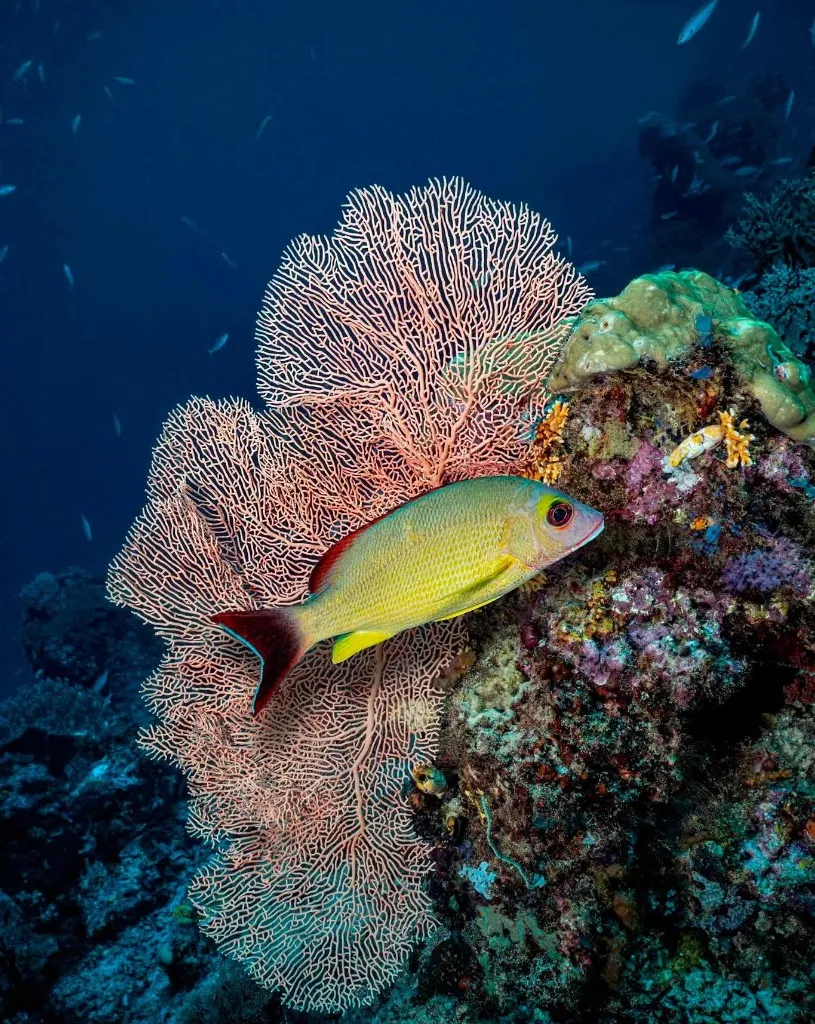
Upon entering the water at Sand Key, divers are frequently greeted by clouds of yellowtail snapper schooling directly beneath the boat. Nooks and crannies within the healthy coral colonies often hide green moray eels and spotted eels, sometimes observed ribboning across the reef.
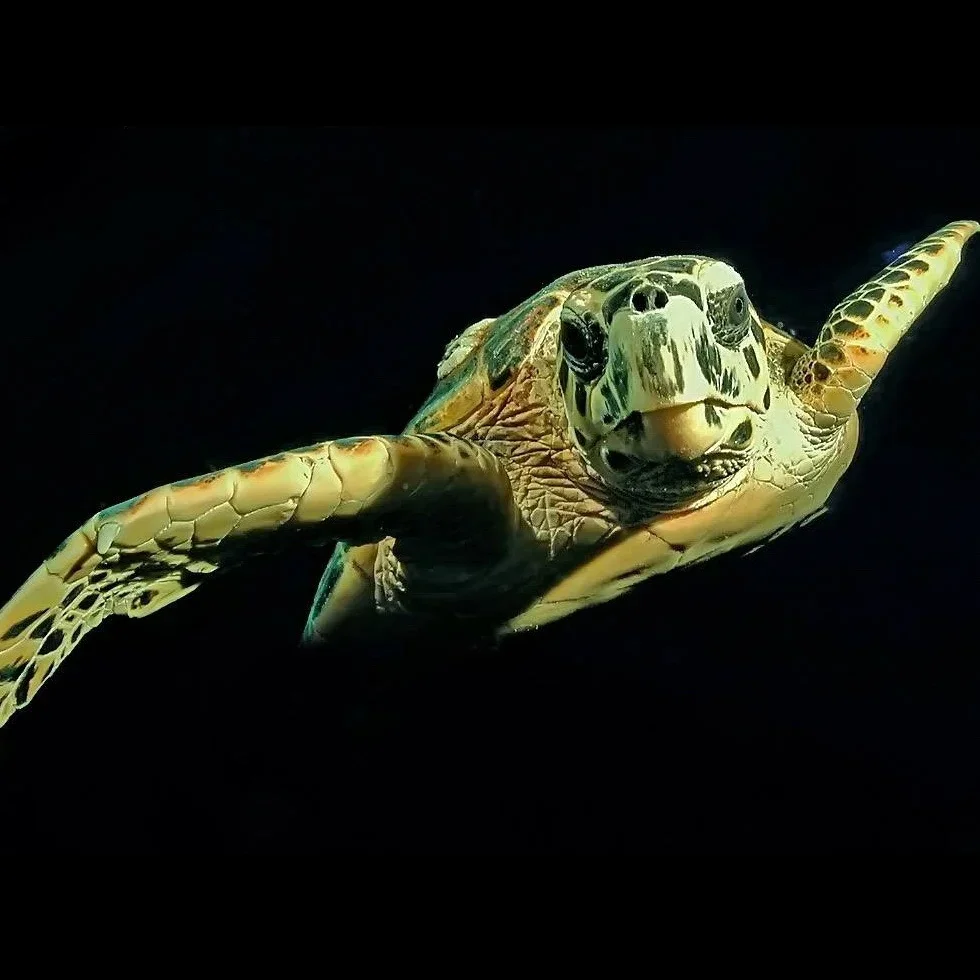
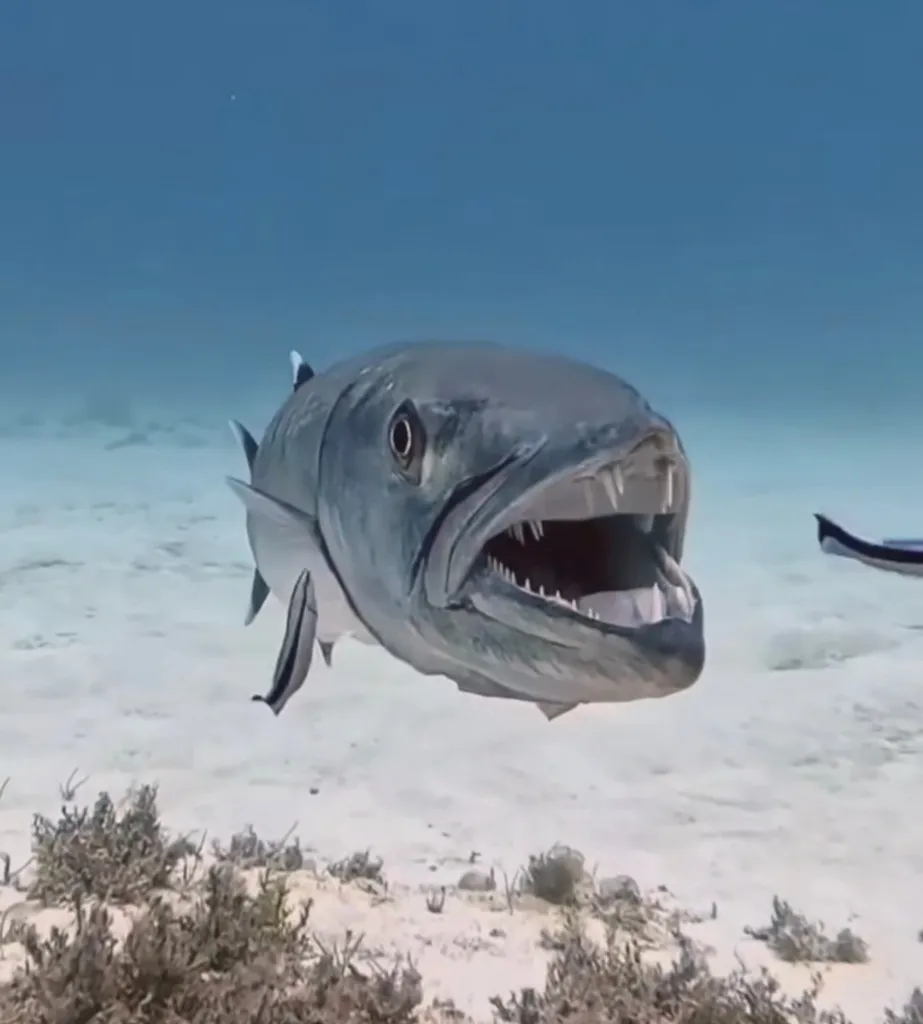
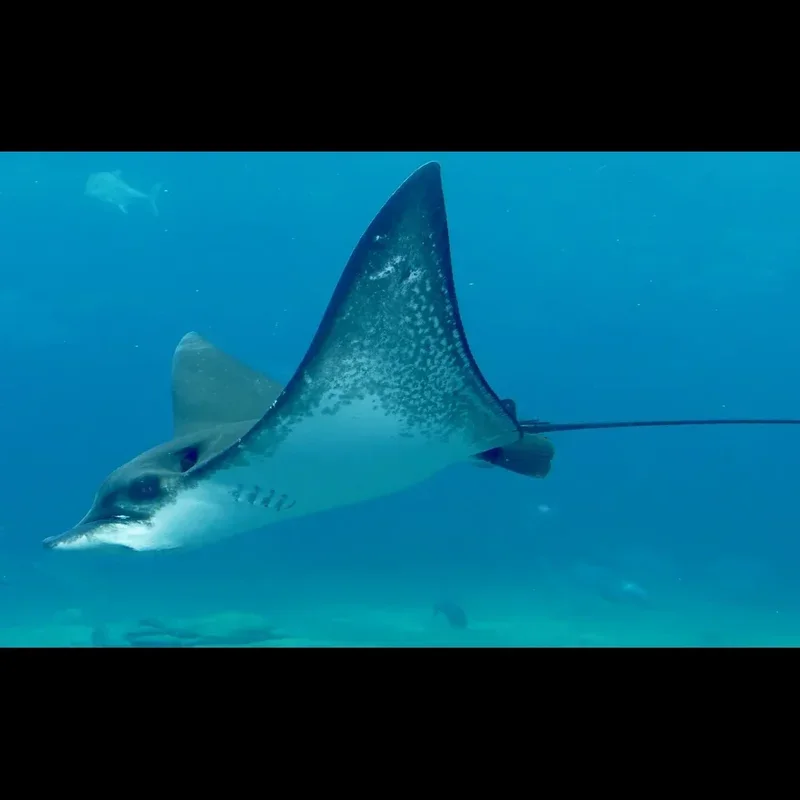
Angelfish, porcupine pufferfish, and trumpetfish are commonly spotted alongside barracuda and green sea turtles. If lucky, divers might also encounter eagle rays and goliath grouper patrolling the gullies.
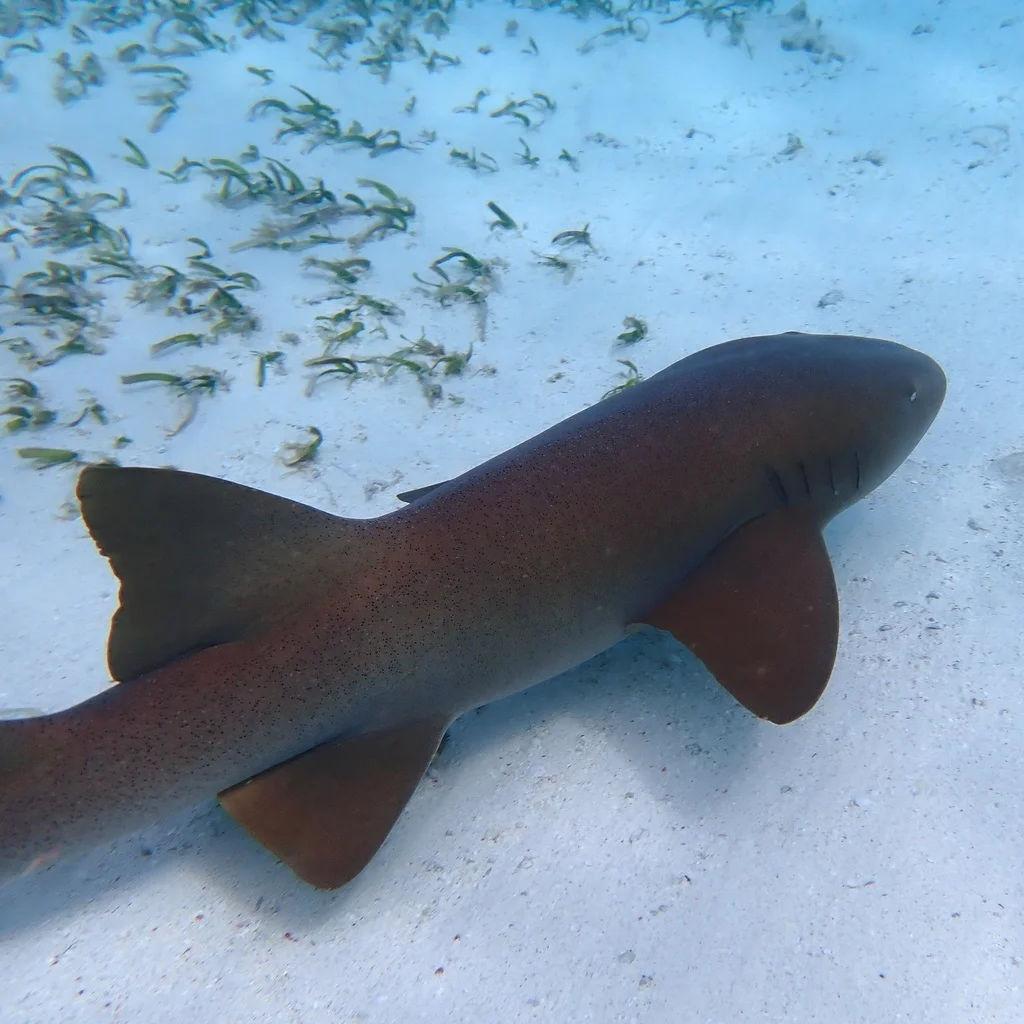
During the summer months, large tarpon, which can grow up to eight feet long, occasionally cruise through the area with their distinctive scales. Nurse sharks and hawksbill turtles are also seen sheltering under ledges.
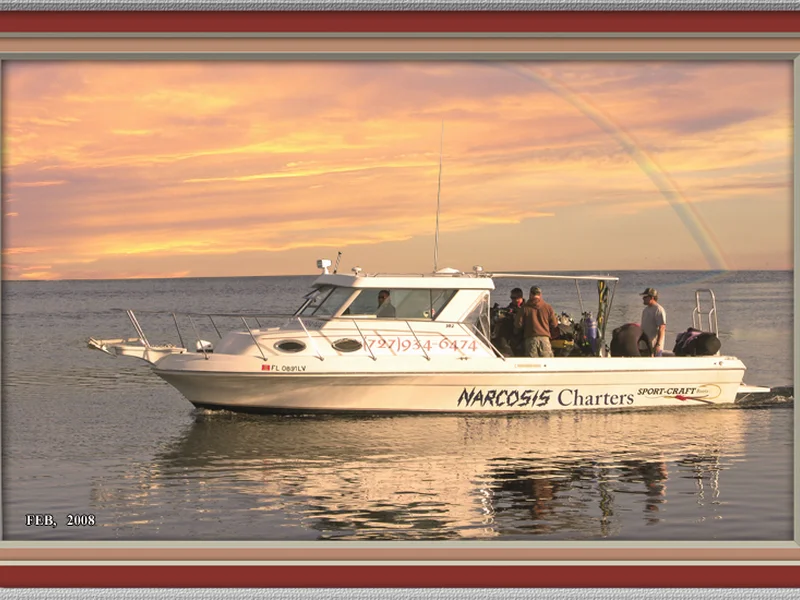
Dive Centers Near Sand Key Nourishment Reef, #5
Today: 11:00 - 19:00
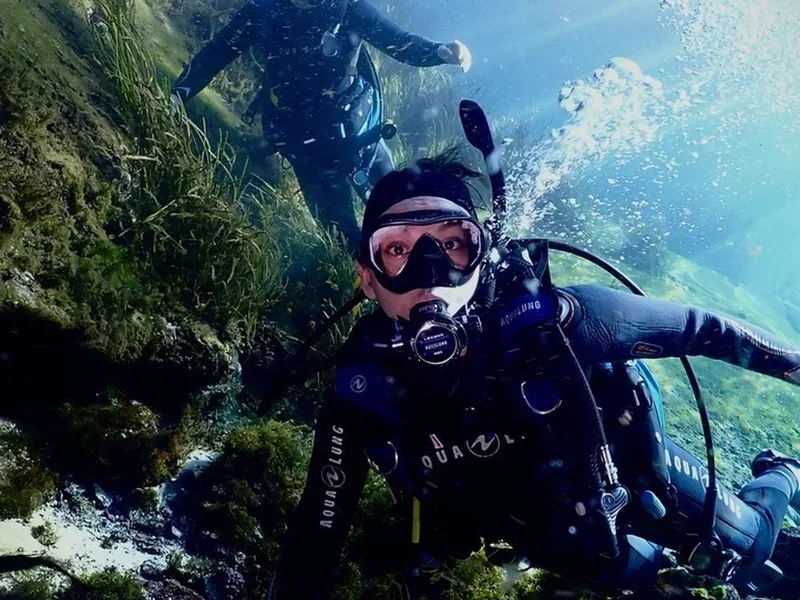
Nearest Airports
Nearest airports to help plan travel to this dive area.
Search Flights
Check available flights and routes on Expedia, using the nearby airports listed in this section.
Search Flights on Expedia
Plan Your Stay
Looking for a place to stay for your dive trip? Explore hotels, stays, and vacation rentals for dive groups near Indian Rocks Beach.
Dive Navigator may earn a commission from these links at no extra cost to you.
Frequently Asked Questions
What is the maximum depth at Sand Key Nourishment Reef?
For this specific reef, the maximum depth is typically around 8 m (27 ft). Its shallower nature makes it accessible for various certification levels.
Is Sand Key suitable for new divers?
Yes, Sand Key is considered an excellent site for new divers due to its relatively shallow depth and typically minimal currents. Sunlit conditions and clear layout make navigation straightforward.
What type of reef structure can I expect?
Sand Key features a classic Florida Keys spur-and-groove configuration. This involves ridges of coral (spurs) separated by sandy channels (grooves), creating diverse habitats and interesting topography.
Are there specific regulations to follow when diving at Sand Key?
Yes, Sand Key is within a Sanctuary Preservation Area where anchoring is prohibited, requiring the use of mooring buoys. Fishing and collecting marine life are also not allowed to protect the ecosystem.
What marine life is commonly seen at Sand Key?
Divers frequently observe yellowtail snapper, green moray eels, spotted eels, angelfish, pufferfish, and green sea turtles. Occasional sightings include eagle rays, goliath grouper, nurse sharks, and even tarpon during summer.
How variable is the visibility at Sand Key?
Visibility at Sand Key can vary significantly, ranging from 5 m to 33 m (15 to 110 ft). Conditions depend on factors such as wind, wave action, and tidal patterns.
Planning to dive Sand Key Nourishment Reef, #5?
Send one inquiry and receive offers directly from the best verified local dive operators.
Conditions are Good
Optimal conditions expected
Current conditions near Sand Key Nourishment Reef, #5 show 27° air, 31° sea temperature, 0.3 m waves, and 29 km/h wind. Forecast data is refreshed regularly to ensure accuracy.