
Diving at Sandflea Reef #7 (United States)
Sandflea Reef #7 forms a significant part of the expansive Southeast Florida Reef Tract, characterized by its generally good visibility conditions. The Gulf Stream often influences these nearshore coral ecosystems, contributing to clear waters that allow for excellent observation of the reef's structure and inhabitants. Divers typically experience unobstructed views across its formations, making it accessible for various skill levels. Such clarity enhances dive experiences, facilitating bright encounters with local marine life.
Tonight's objective overview for Sandflea Reef #7 shows an air temperature of 24.5°C. The measured surface conditions include wave heights around 0.5 m. This environmental data is logged for the close of the day.
Dive Site Location & Key Facts
Dive Site Overview
A dive into Florida’s ancient coastal history is available at Sandflea Reef #7, showcasing a distinctive geological and biological narrative. Lithified sand dunes, submerged after the last glacial period, formed the initial foundations for coral growth here.
These linear reefs, extending parallel to the shoreline, constitute one of the Western Atlantic’s most continuous reef structures. Over millennia, corals recolonized these old formations, establishing the vibrant reef communities seen today. Divers navigate areas that are remnants of framework collapses, now appearing as distinctive ledges along the reef top, providing ample shelter for various marine species.
Recreational depths are primarily encountered, typically ranging from shallow sections of 5 m (15 ft) to deeper parts approaching 24 m (80 ft). These depths allow for extended bottom times and a comprehensive exploration of the reef's varied topography.
Proximity to shore often means shorter boat rides, maximizing time underwater for divers. Prevailing currents typically run parallel to the coastline, making the site well-suited for drift diving; this allows divers to cover more ground as they gently glide along the reef line, observing its intricate features and inhabitants.
Conditions are Excellent
07:00 - 14:00
Optimal conditions expected
Current conditions near Sandflea Reef #7 show 25° air, 30° sea temperature, 0.3 m waves, and 24 km/h wind. Forecast data is refreshed regularly to ensure accuracy.
Best Time to Dive
While all months generally offer good diving conditions with a consistent dive score of 7, distinct seasonal shifts influence the comfort and surface experience. The summer months, particularly July and August, present the calmest surface conditions, with average wave heights around 0.6 m (2.0 ft) and lighter winds averaging 24-26 km/h (15-16 mph). Air temperatures during this period are warmest, reaching averages of 28-29°C (82-84°F). Conversely, winter months like January and December see cooler air temperatures, averaging 12-15°C (54-59°F), accompanied by higher wave heights nearing 1 m (3.3 ft) and stronger winds, often above 30 km/h (19 mph). Rainfall is relatively consistent year-round, not significantly impacting dive planning. Water temperature is not consistently reported, but seasonal air temperature trends often correlate with a general cooling in winter and warming in summer.
PEAK SEASON SCORE
Scores combine air & water temps, waves, wind & rainfall for overall conditions.
BEST MONTHS TO DIVE
Monthly records compiled from satellite and marine observation nodes over the last 3 years. Data provided by Open-Meteo and MET Norway.
Dive Experience & Conditions
Beginning your dive at Sandflea Reef #7 typically involves a straightforward entry, often just a short boat ride from shore. Once in the water, you'll immediately notice the influence of the Gulf Stream, contributing to the site's clear water conditions. Visibility commonly allows for appreciation of the reef's contours from a distance. Currents here predominantly run parallel to the shore, which makes drift diving a popular and efficient method to explore the reef. As you descend, the topography includes ancient collapsed reef features, which have evolved into diverse ledges and structures, providing refuge for various species. The maximum depth for this reef typically remains within the recreational range. Divers should anticipate a gentle, consistent flow that guides them along the reef, offering a relaxed and expansive underwater journey.
Dive Difficulty & Safety Guidelines
Diving Sandflea Reef #7 requires a mindful approach to conserve its delicate ecosystem. Maintaining excellent buoyancy control is crucial to prevent accidental contact with the coral structures; ensure you are properly weighted before beginning your descent. Avoid sudden movements that could stir up sediment, as displaced sand can smother corals.
All dive gear should be securely stowed to prevent it from dragging or bumping against the reef. It's imperative not to touch, kick, or stand on any corals, and politely encourage others to follow the same responsible practices.
Awareness of your surroundings, especially in areas with other divers, helps minimize collective impact and protects the reef for future visits.
Recommended Equipment
- Dive Computer
This gear list is based on verified equipment signals for Sandflea Reef #7, United States. Always confirm final gear choices with your dive operator, guide, or liveaboard.
Recommended Dive Suit
According to recent observations, water temperatures near Sandflea Reef #7 are approximately 30°C (86°F). Surface air temperatures are resting at 25°C (76°F).
The next few days appear likely to bring similar environmental conditions.
Most divers exploring waters at this temperature rely on dive skin or rash guard for effective insulation. A hood or vest is suggested for sensitive divers due to surface winds. Water temperature is only one factor influencing overall comfort during a dive.
Emergency & Medical Support
Essential information to help you plan your dive trip to Sandflea Reef #7.

Hyperbaric chambers are a critical part of dive safety infrastructure. Availability varies significantly by region, and not all dive areas have immediate access.
Before diving, it's recommended to:
- confirm nearest medical facilities
- check emergency procedures with local dive operators
- ensure dive insurance covers evacuation if required
Divers Alert Network
Diving emergency assistance available through DAN World.
+1-919-684-9111- 24/7 emergency hotline
- Diving medical assistance
- Evacuation coordination
Emergency contacts are provided for reference. Always verify local emergency services before diving.
Marine Life at Sandflea Reef #7
Upon entering the water at Sandflea Reef #7, divers are frequently greeted by the immediate presence of numerous fish species flitting across the reefscape. The diverse structure, including ledges and ancient coral foundations, provides ample habitat.
You'll likely observe stony corals, various soft corals, and sponges forming the vibrant backbone of this ecosystem. Small tropical reef fish are abundant, often schooling around the structures.
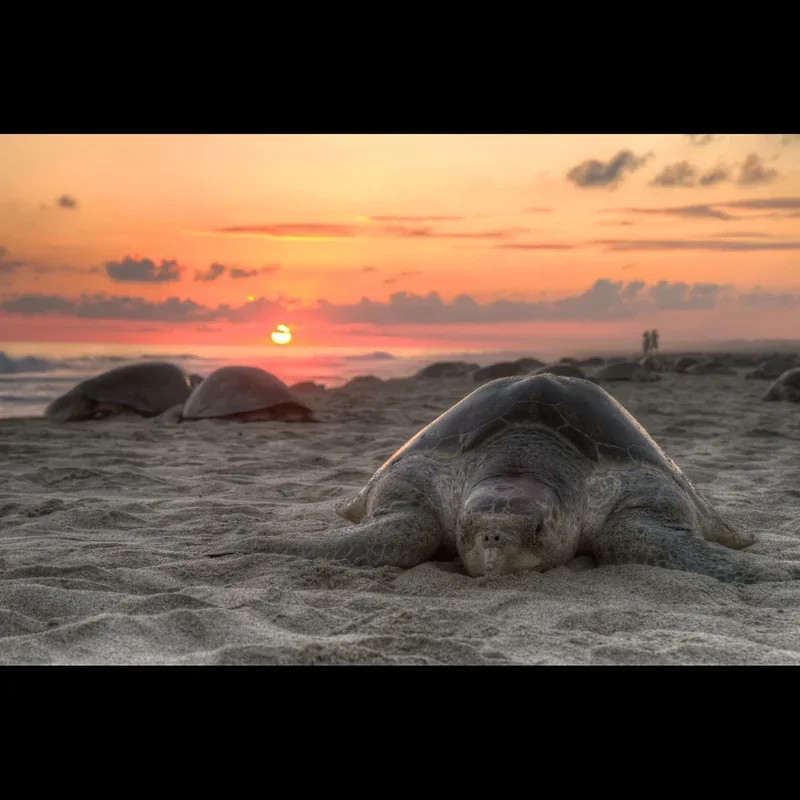
Occasionally, divers might spot sea turtles gracefully gliding through the water, adding a memorable encounter to the dive.

Dive Sites Near Sandflea Reef #7
View all dive sites in United StatesDiscover more underwater gems in this area.
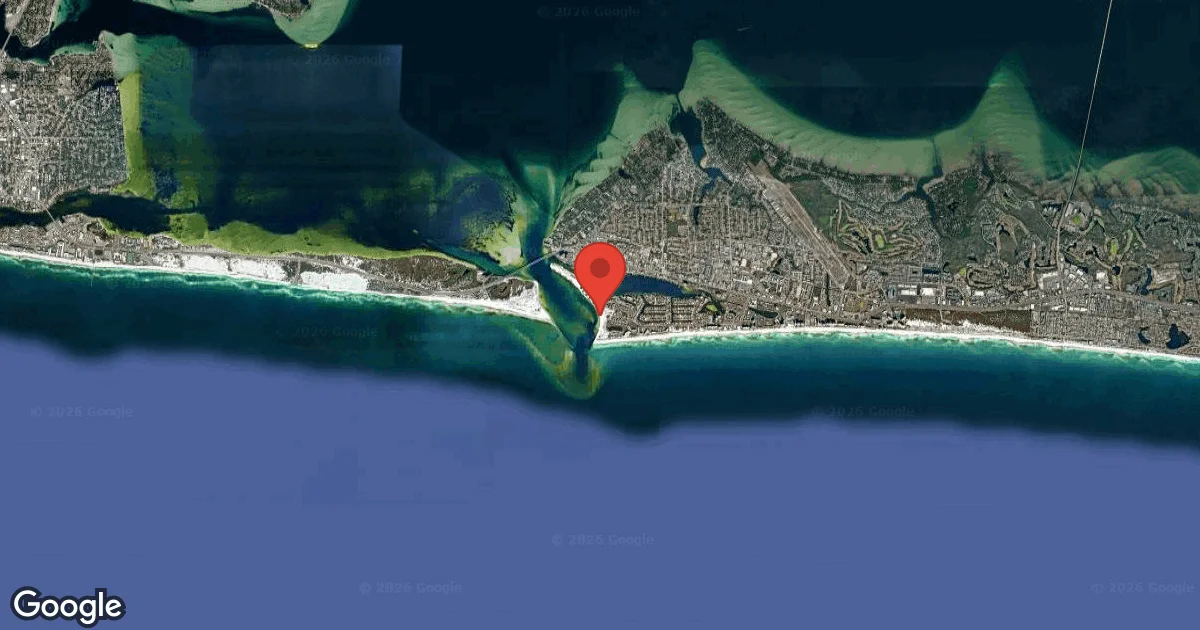
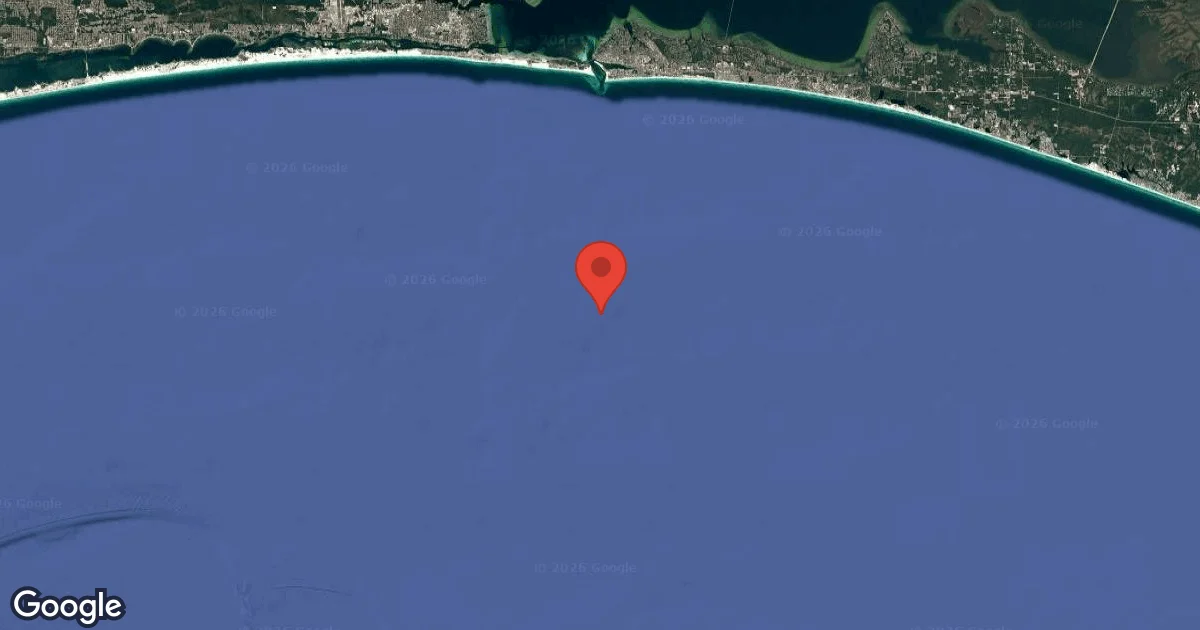
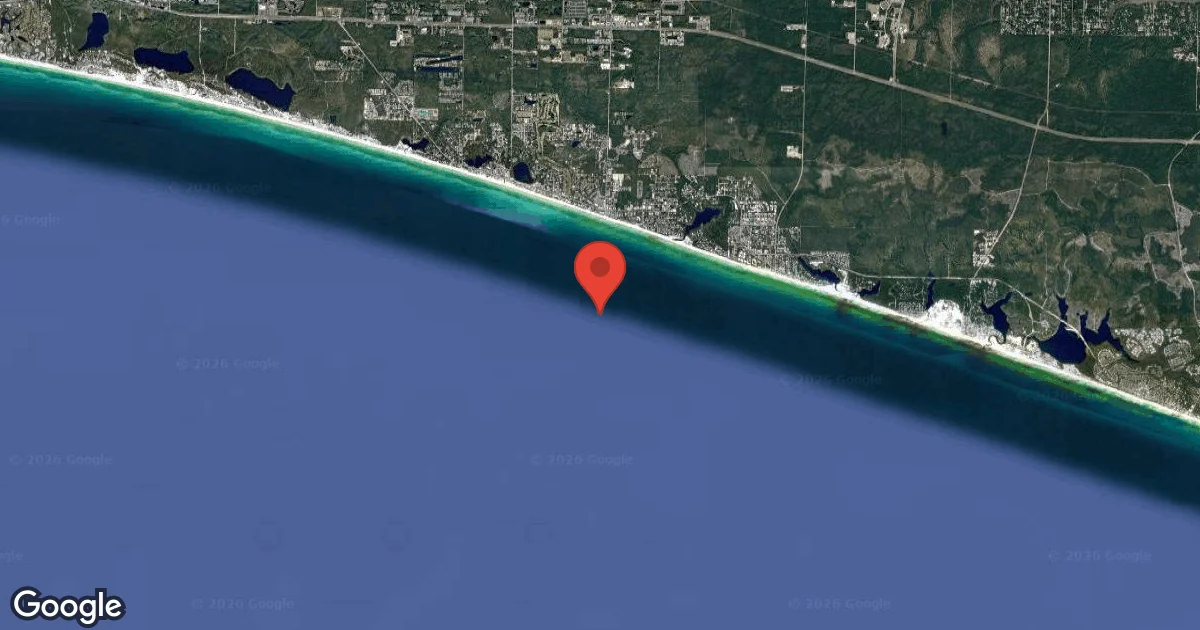
Dive Centers Near Sandflea Reef #7
Today: 09:00 - 16:00
Nearest Airports
Nearest airports to help plan travel to this dive area.
Search Flights
Check available flights and routes on Expedia, using the nearby airports listed in this section.
Search Flights on Expedia
Plan Your Stay
Looking for a place to stay for your dive trip? Explore hotels, stays, and vacation rentals for dive groups near Destin.
Dive Navigator may earn a commission from these links at no extra cost to you.
Frequently Asked Questions
What is the typical depth range for diving Sandflea Reef #7?
Sandflea Reef #7 is generally a shallow to mid-depth site, with depths usually ranging from approximately 5 m (15 ft) in its shallower sections to around 24 m (80 ft) at its deeper edges. This makes it suitable for recreational divers.
Are there strong currents at Sandflea Reef #7?
Yes, prevailing currents at Sandflea Reef #7 often run parallel to the shoreline, influenced by the Gulf Stream. These currents are commonly utilized for drift diving, allowing divers to cover significant sections of the reef with ease.
What kind of marine life can I expect to see?
Divers can expect to see a rich assortment of marine life, including hundreds of species of fish. The reef supports various stony and soft corals, macroalgae, and sponges. Tropical reef fish are common, and sea turtles are occasionally sighted.
Is Sandflea Reef #7 suitable for beginner divers?
With its manageable depths and generally good visibility, Sandflea Reef #7 can be suitable for beginner to intermediate divers, especially when drift diving is managed by experienced operators. Proper buoyancy control is essential for all divers to protect the reef.
What are the water temperatures like at Sandflea Reef #7?
Water temperature at Sandflea Reef #7 is not consistently reported in available data. However, the site is influenced by the Gulf Stream, which typically brings warmer waters, especially during summer months when air temperatures are high.
What is the best way to explore Sandflea Reef #7?
Drift diving is often the most recommended way to explore Sandflea Reef #7 due to the prevailing parallel currents. This method allows divers to cover a greater expanse of the reef while conserving energy, as the current assists in movement.
Planning to dive Sandflea Reef #7?
Send one inquiry and receive offers directly from the best verified local dive operators.
Conditions are Excellent
07:00 - 14:00
Optimal conditions expected
Current conditions near Sandflea Reef #7 show 25° air, 30° sea temperature, 0.3 m waves, and 24 km/h wind. Forecast data is refreshed regularly to ensure accuracy.