Loading...

Diving at SS Rhode Island (United States)
Published
Last updated
Kelp-draped boilers, heavy iron framing, and paddlewheel machinery scattered across granite boulders mark the 1873 steamer SS Rhode Island off Bonnet Point. Bottom depths reach 9.1 m (30 ft) at the outer edge, while inshore hull pieces sit wedged among shallow ledges in 3 to 6 m (10 to 20 ft). Reached by a short boat ride at the mouth of Narragansett Bay, this historic liner offers relaxed shallow wreck diving on calm days.
Evening condition tracking at SS Rhode Island features an air temperature of 9°C. We have recorded wave heights measuring 1.2 m during this period. These figures outline the environmental parameters currently present.
Dive Site Location & Key Facts
Max Depth
9m30ft
Visibility
--
Entry TypeBoat
Water Typesalt
Dive Types
Wreck
Dive Site Overview
Thick autumn fog ended the career of the SS Rhode Island early on November 6, 1880. Bound overnight from New York toward Providence, the steamer rounded Point Judith, lost her bearing, and struck the rocks roughly 60 m (200 ft) off Bonnet Point. Every passenger and crew member reached shore safely, while heavy surf broke the stranded hull into a total loss.
Henry Steers built the wooden sidewheeler at his Greenpoint shipyard in Brooklyn in 1873 for the Providence and Stonington Steamship Company. For seven years she served as one of the premier overnight passenger and freight liners on Long Island Sound.
Winter gales long ago stripped away her wooden upper decks and settled her heavy ironwork between boulders down to 9.1 m (30 ft). Today divers follow an open trail of boilers, iron knees, shafting, fastening pins, and lower hull timbers thick with kelp and sea life.
SS Rhode Island
Conditions are Good
7/10
Confidence: 8/10
Indicates meteorological model agreement and data availability.
Best Dive Window
Optimal conditions expected
06:12
18:45
H: 10:45
L: 16:20
Air / Sea Temp
9° / 14°
Wave Height
1.3 m
Wind Speed
32 km/h NNW
Rain Chance
0%
Current conditions near SS Rhode Island show 9° air, 14° sea temperature, 1.3 m waves, and 32 km/h wind. Forecast data is refreshed regularly to ensure accuracy.
Radius: ~12km
Updated: Nov 24, 2026, 02:33 local timeMARINE: OPEN-METEOWEATHER: YR.NO
Best Time to Dive
June through October is the prime window off Bonnet Point. Water at the mouth of Narragansett Bay climbs from 16°C (61°F) in June to 20–21°C (68–70°F) in July and August, holding near 17–20°C (63–68°F) into early autumn.
September and October often bring the cleanest visibility once summer plankton fades and morning winds turn light from the north or west. Because Bonnet Point faces open Rhode Island Sound to the south, even a 1 m (3 ft) southerly swell builds strong surge across these shallow rocks.
Between December and April, water plunges to 4–9°C (39–48°F) under brisk winter winds, leaving the site to experienced drysuit divers.
PEAK SEASON SCORE
75/100
GoodScores combine air & water temps, waves, wind & rainfall for overall conditions.
BEST MONTHS TO DIVE
JUL
AUG
SEP
DIVE SCORE GUIDE (0–100)
Excellent (90–100)
Very Good (80–89)
Good (70–79)
Moderate (50–69)
Poor (30–49)
Not Recommended (0–29)
Monthly records compiled from satellite and marine observation nodes over the last 3 years. Data provided by Open-Meteo and MET Norway.
Dive Experience & Conditions
Diving the SS Rhode Island feels like part nineteenth-century machinery tour and part rocky New England reef dive. Bright daylight reaches the 9.1 m (30 ft) sand-and-cobble edge, allowing unhurried 45-to-60-minute dives on a single tank.
Visibility typically runs 3 to 7.5 m (10 to 25 ft) and occasionally opens past 9 m (30 ft) on an incoming flood tide. Shallow rock gullies turn ocean swell into back-and-forth surge, so move with the water and keep clear of jagged boiler iron.
Dive Difficulty & Safety Guidelines
Shallow surge over granite ledges and rusted iron plates is the main hazard here. Skip the dive whenever southerly swell is breaking across Bonnet Point.
Most teams drop in from boats anchored just outside the surf line, since waterfront land and parking ashore at Bonnet Shores are largely private. Tow a bright surface dive flag to alert passing lobster boats, wear cut-resistant gloves, carry a line cutter, and leave historic hardware in place.
Recommended Equipment
Overhead / entanglement risk. Wreck penetration requires proper training.
- Dive Computer
- DSMB
- Primary & Backup Lights
- Wreck Reel
- Cutting Tool
This gear list is based on verified equipment signals for SS Rhode Island, United States. Always confirm final gear choices with your dive operator, guide, or liveaboard.
Recommended Dive Suit
Conditions in the coming days are expected to stay within a similar temperature range.
Many experienced divers would consider 7mm wetsuit or semidry an appropriate choice here. A hood or vest is suggested for sensitive divers due to surface winds. Strong cold advisory: dress warmly immediately after exiting the water.
At SS Rhode Island, the water is currently sitting around 14°C (57°F). Surface air temperatures are resting at 9°C (48°F).
SS Rhode Island conditions last reviewed: 02:33 local time (UTC-5), Nov 24, 2026
Emergency & Medical Support
Essential information to help you plan your dive trip to SS Rhode Island.

Hyperbaric chambers are a critical part of dive safety infrastructure. Availability varies significantly by region, and not all dive areas have immediate access.
Before diving, it's recommended to:
- confirm nearest medical facilities
- check emergency procedures with local dive operators
- ensure dive insurance covers evacuation if required
24/7 Available
Divers Alert Network
Diving emergency assistance available through DAN World.
+1-919-684-9111- 24/7 emergency hotline
- Diving medical assistance
- Evacuation coordination
Emergency contacts are provided for reference. Always verify local emergency services before diving.
Marine Life at SS Rhode Island
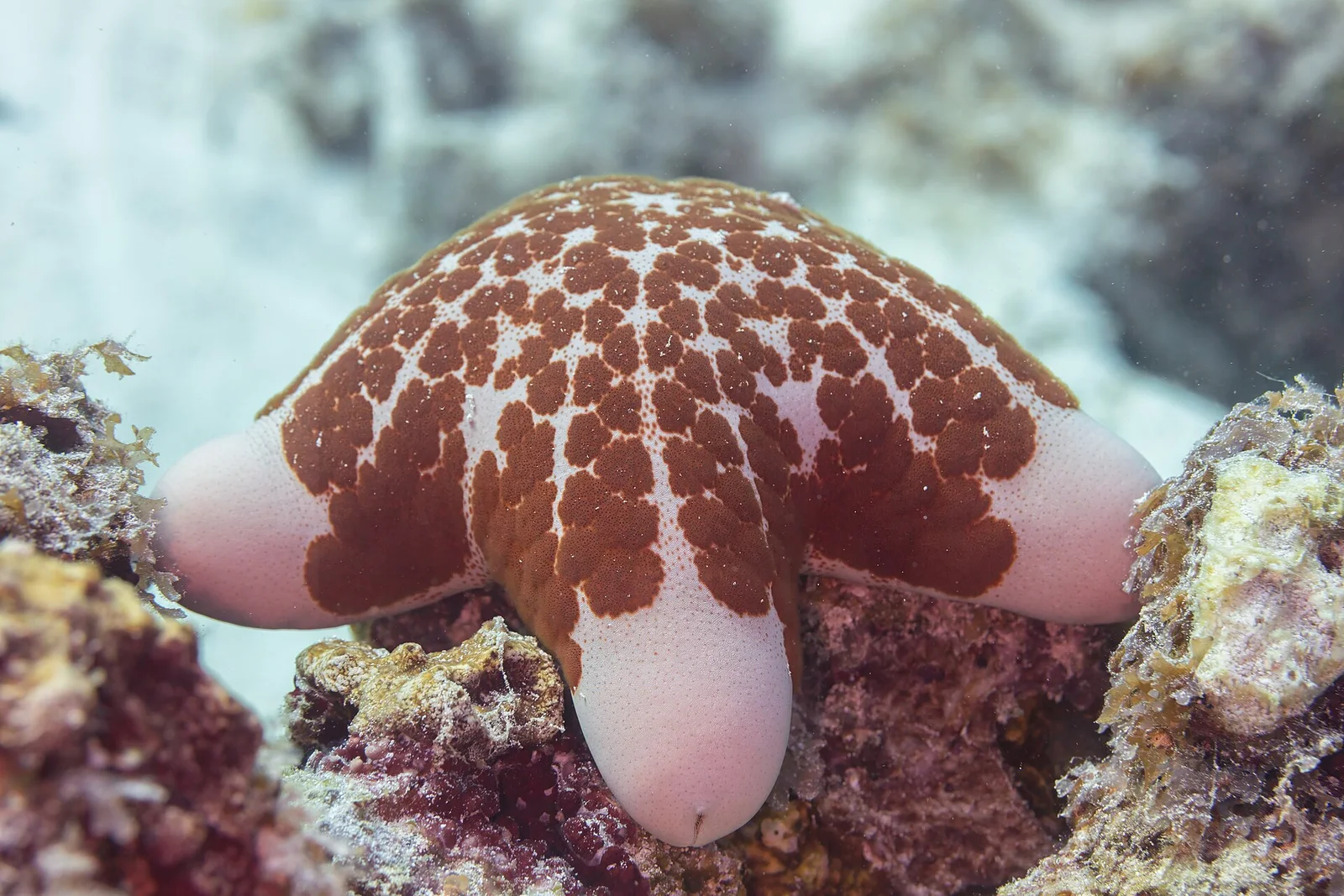
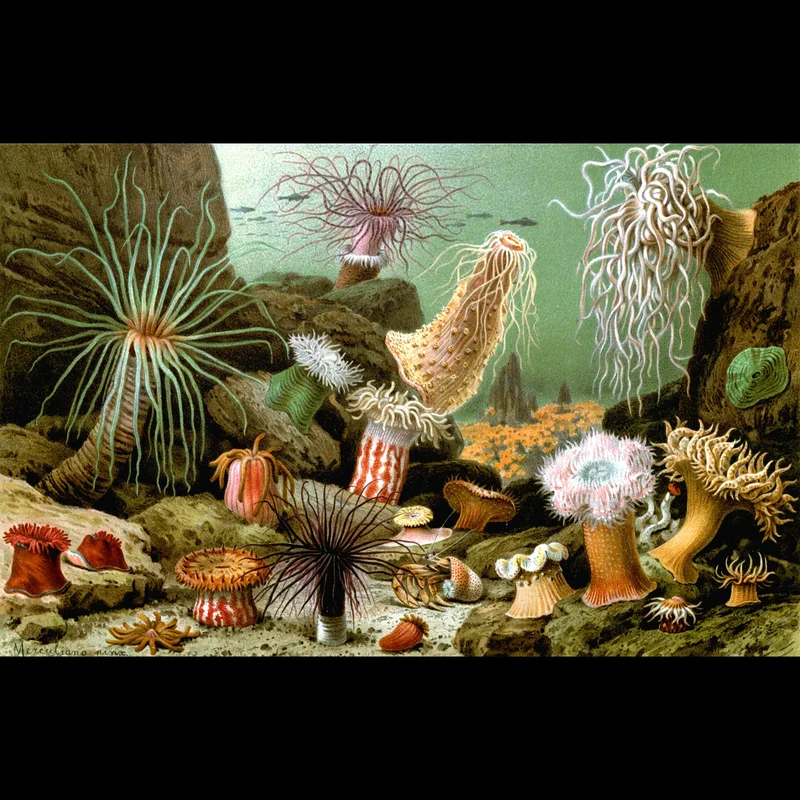
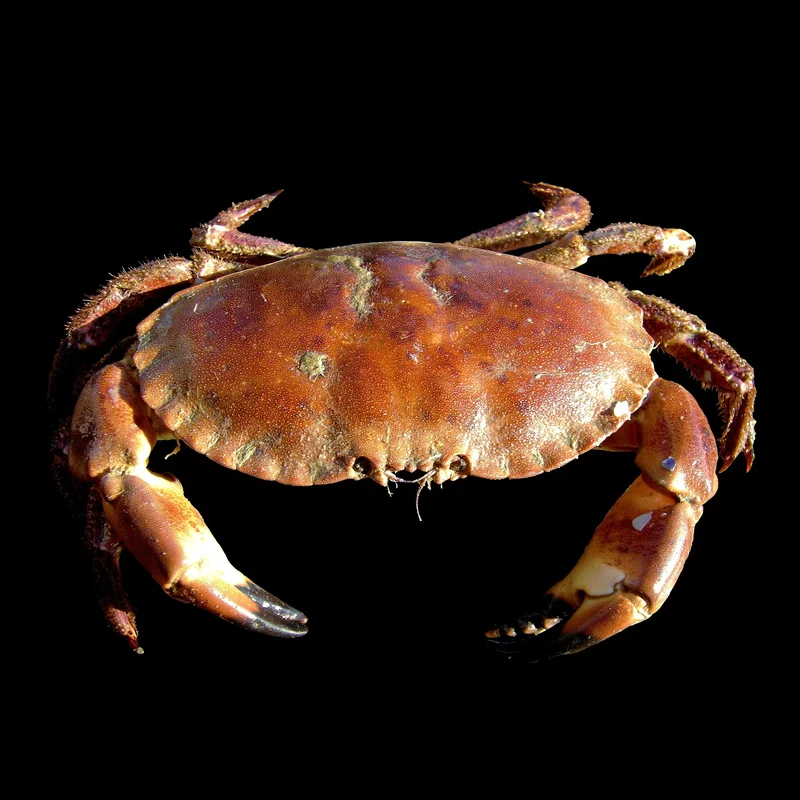
Iron wreckage wedged between Narragansett Bay boulders shelters classic southern New England marine life. American lobsters, Jonah crabs, and rock crabs crowd beneath boiler plates, while frilled anemones, sea stars, sponges, and kelp blanket exposed metal and stone.
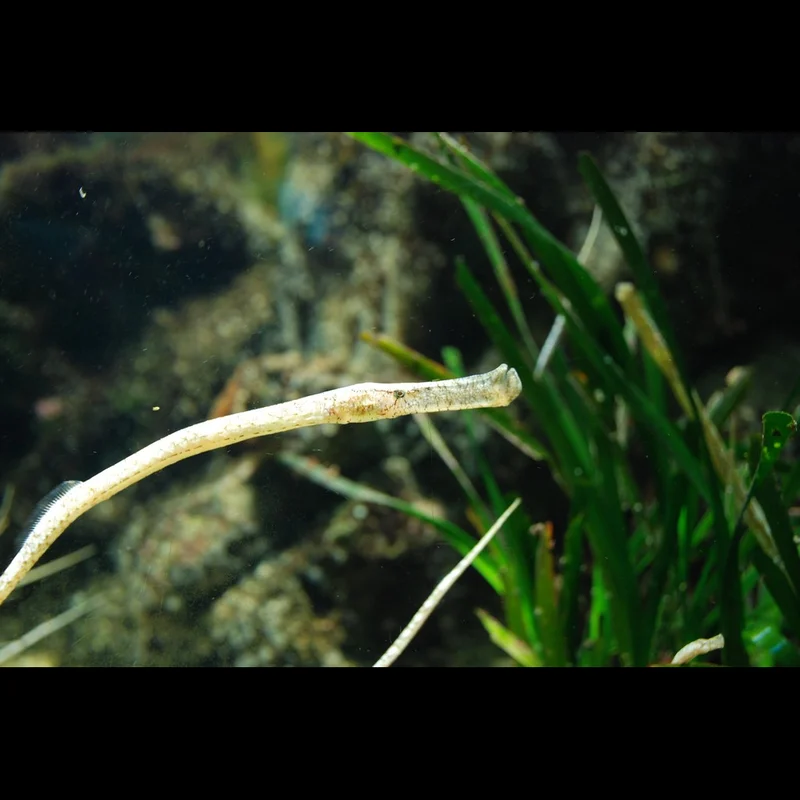
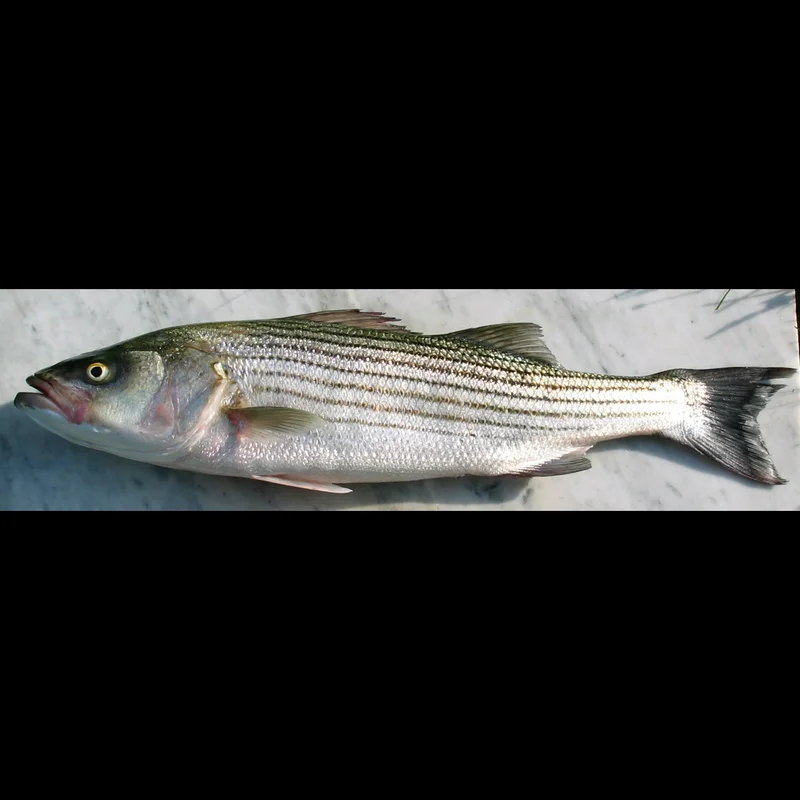
Cunner, tautog, black sea bass, and scup school around the iron relief from late spring through autumn, hunted by striped bass and bluefish. Warm late-summer currents also bring pipefish into sheltered pockets along the point.
1 / 2
Image contributors:Diego Delso, Giacomo Merculiano + 5 more
Want to contribute photos or local dive knowledge? Learn how to contributeDive Sites Near SS Rhode Island
View all dive sites in United StatesDiscover more underwater gems in this area.
Dive Centers Near SS Rhode Island
Working Hours
SunClosed
Mon10:00 - 18:00
Tue10:00 - 18:00
Wed10:00 - 18:00
Thu10:00 - 18:00
Fri10:00 - 18:00
Sat10:00 - 18:00
Today: 10:00 - 18:00
SunClosed
Mon10:00 - 18:00
Tue10:00 - 18:00
Wed10:00 - 18:00
Thu10:00 - 18:00
Fri10:00 - 18:00
Sat10:00 - 18:00
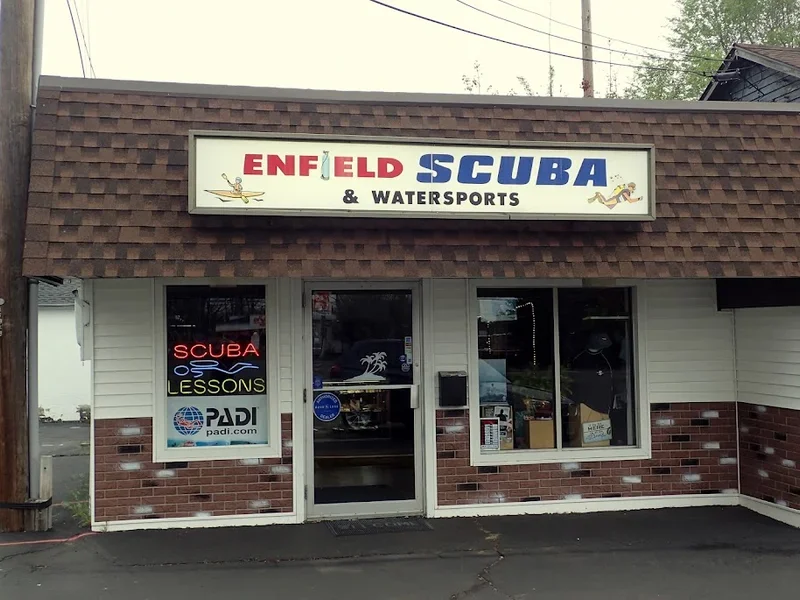
4.6| 19 reviews
112.2 km
5| 24 reviews
118.5 km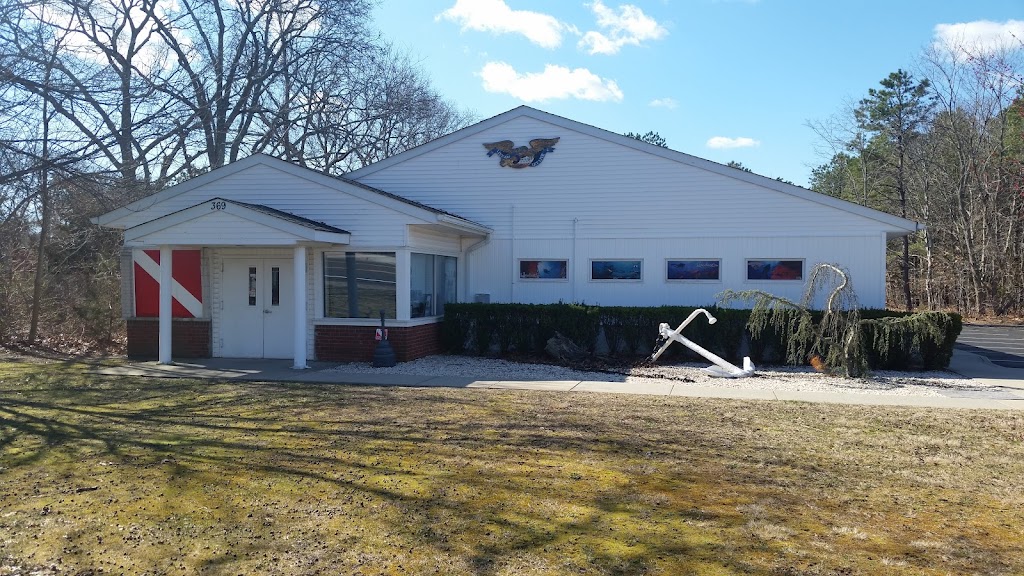
4.8| 30 reviews
120.2 kmNearest Airports
Nearest airports to help plan travel to this dive area.
Newport State Airport NPT
13 km
Rhode Island T. F. Green International Airport PVD
28 km
Westerly State Airport WST
35 km
💵 Currency: USD
Search Flights
Check available flights and routes on Expedia, using the nearby airports listed in this section.
Search Flights on ExpediaAffiliate link · Dive Navigator may earn a commission at no extra cost to you.

Plan Your Stay
Looking for a place to stay for your dive trip? Explore hotels, stays, and vacation rentals for dive groups near Narragansett.
Find Hotels near NarragansettHotels.com
Browse Stays on ExpediaExpedia.com
Vrbo
Group-Friendly Vacation RentalsVrbo.com
Dive Navigator may earn a commission from these links at no extra cost to you.
Frequently Asked Questions
What is the SS Rhode Island dive site?
It is the shallow coastal wreck of an 1873 wooden sidewheel steamer that grounded in dense fog on November 6, 1880 off Bonnet Point in Narragansett Bay.
How deep is the SS Rhode Island wreck and who can dive it?
Wreckage sits among boulders from 3–6 m (10–20 ft) inshore down to 9.1 m (30 ft), making it suitable for Open Water divers on calm, low-surge days.
Did anyone die when the steamer Rhode Island wrecked in 1880?
No. All passengers and crew made it safely ashore after the grounding, though heavy surf quickly broke the vessel apart.
What remains of the SS Rhode Island underwater today?
Divers can explore large boilers, paddlewheel and engine fragments, iron framing, drift pins, and lower hull timbers tucked among kelp-covered boulders.
Is SS Rhode Island better dived by boat or from shore?
Boat diving is much easier because Bonnet Point has exposed rocky surf ledges backed by private roads and restricted parking.
Trip Inquiry
Planning to dive SS Rhode Island?
Tell us your dates and diving needs. We'll review your request and seek offers from relevant local dive centers.
Request Dive Offers Free request for offers • No booking obligation
SS Rhode Island
Conditions are Good
7/10
Confidence: 8/10
Indicates meteorological model agreement and data availability.
Best Dive Window
Optimal conditions expected
06:12
18:45
H: 10:45
L: 16:20
Air / Sea Temp
9° / 14°
Wave Height
1.3 m
Wind Speed
32 km/h NNW
Rain Chance
0%
Current conditions near SS Rhode Island show 9° air, 14° sea temperature, 1.3 m waves, and 32 km/h wind. Forecast data is refreshed regularly to ensure accuracy.
Radius: ~12km
Updated: Nov 24, 2026, 02:33 local timeMARINE: OPEN-METEOWEATHER: YR.NO


