
Diving at George W. Humphreys (United States)
For divers exploring sites in the Key Largo area, opportunities often arise to encounter diverse marine life. While specific details about the ecosystem directly surrounding the George W. Humphreys site are not consistently reported, the broader Florida Keys are known for vibrant coral formations and reef inhabitants. Expecting varied fish species and potential encounters with larger pelagics sets a general expectation for many local dives. Marine conservation efforts play a crucial role in maintaining these aquatic environments.
Evening condition tracking at George W. Humphreys features an air temperature of 22°C. We have recorded wave heights measuring 0.7 m during this period. These figures outline the environmental parameters currently present.
Dive Site Location & Key Facts
Dive Site Overview
Exploring the George W. Humphreys site means planning within the broader context of Key Largo's dive environments, acknowledging that specific characteristics detailing its underwater topography or unique features are not readily available in dive databases.
Its association within the Key Largo region, however, suggests a potential reef environment consistent with many local sites. Divers navigating these waters can generally expect relatively clear conditions, though visibility often varies depending on local currents and recent weather patterns. Without explicit data on its maximum depth or prevailing currents specific to this precise location, divers should approach planning with a cautious mindset.
Anticipate conditions typical of the Upper Keys, which can include a mix of spur-and-groove formations and patch reefs. Water temperatures in the general area typically fluctuate seasonally, often remaining comfortable enough for extended bottom times during much of the year.
Recreational dive profiles are common throughout the region, offering exploration opportunities across various depths. Despite limited granular details about George W.
Humphreys itself, the location reminds divers of the rich history and diverse experiences found beneath the waves in this prominent US diving destination. Preparing for standard reef diving protocols, including careful buoyancy control and awareness of surrounding marine life, would be prudent for any exploration.
Conditions are Good
Optimal conditions expected
Current conditions near George W. Humphreys show 22° air, 21° sea temperature, 0.7 m waves, and 35 km/h wind. Forecast data is refreshed regularly to ensure accuracy.
Best Time to Dive
Choosing the optimal time for diving around Key Largo involves considering seasonal shifts in weather and ocean conditions. Summertime, particularly June through August, often presents favorable conditions, contrasted with the cooler, windier winter months. During June, the air temperature averages around 19°C (66°F), and rainfall is typically lower, around 2.8 mm (0.1 inches). This period often sees lower wave heights and reduced wind speeds, contributing to calmer seas. September and October also offer good diving opportunities, with air temperatures in September averaging 19°C (66°F) and moderate rainfall around 3.9 mm (0.15 inches). Conversely, winter months like January see colder air temperatures of approximately -0°C (32°F) and slightly higher rainfall at 3.5 mm (0.14 inches), alongside increased wave heights and wind speeds. Planning dives between late spring and early fall generally provides the most comfortable experience, mitigating the stronger winds and cooler air found in winter.
PEAK SEASON SCORE
Scores combine air & water temps, waves, wind & rainfall for overall conditions.
BEST MONTHS TO DIVE
Monthly records compiled from satellite and marine observation nodes over the last 3 years. Data provided by Open-Meteo and MET Norway.
Dive Experience & Conditions
Considering the surrounding Key Largo environment, a typical dive experience often involves depths ranging from shallower sections suitable for beginners to deeper profiles for advanced divers. However, specific details regarding the depth profile unique to George W. Humphreys are not consistently reported. Many reef dives in the Upper Keys are conducted within the recreational depth range, often between 10-30 m (33-100 ft). Visibility can vary significantly, from excellent to moderate, influenced by recent weather events and tidal movements. Water temperatures are generally warm, ranging from 22-27°C (72-81°F) during warmer months, but can drop to cooler levels in winter. Divers should anticipate mild to moderate currents depending on the specific location and time of tide. This variability means flexibility in dive planning is key, ensuring readiness for different underwater environments.
Dive Difficulty & Safety Guidelines
Addressing safety at any Key Largo dive site requires a proactive approach, especially when site-specific hazard information is limited. Divers should be prepared for varying currents, which can shift throughout the day and increase in strength. Maintaining good buoyancy control is essential to protect delicate reef structures and manage potential encounters with strong surges.
Always dive within your certification limits and ensure your equipment is well-maintained. Given the potential for boat traffic in popular areas, deploying a surface marker buoy is a critical safety measure upon ascent.
Additionally, understanding and respecting local marine life, avoiding contact, and never feeding animals helps preserve the ecosystem. Dive planning should include monitoring weather forecasts, especially for sudden changes in wind or waves, which can impact surface conditions and visibility.
Recommended Equipment
- Dive Computer
This gear list is based on verified equipment signals for George W. Humphreys, United States. Always confirm final gear choices with your dive operator, guide, or liveaboard.
Recommended Dive Suit
Individual comfort in the water can vary significantly from diver to diver, even under the same conditions.
For most recreational dives, 5mm wetsuit should provide comfortable protection. Surface intervals may feel cooler. Forecasts suggest a slight cooling pattern in the days ahead. Cooler days are ahead; you might want a warmer option for later in the week. Carrying a secondary suit is common practice among experienced divers.
Water temperatures across the dive area at George W. Humphreys are presently estimated to be around 21°C (69°F). Surface air temperatures are resting at 22°C (71°F).
Emergency & Medical Support
Essential information to help you plan your dive trip to George W. Humphreys.

Hyperbaric chambers are a critical part of dive safety infrastructure. Availability varies significantly by region, and not all dive areas have immediate access.
Before diving, it's recommended to:
- confirm nearest medical facilities
- check emergency procedures with local dive operators
- ensure dive insurance covers evacuation if required
Divers Alert Network
Diving emergency assistance available through DAN World.
+1-919-684-9111- 24/7 emergency hotline
- Diving medical assistance
- Evacuation coordination
Emergency contacts are provided for reference. Always verify local emergency services before diving.
Marine Life at George W. Humphreys
While specific marine life observations for the George W. Humphreys site are not widely documented, the vibrant ecosystems of the Florida Keys generally promise a rich underwater experience.
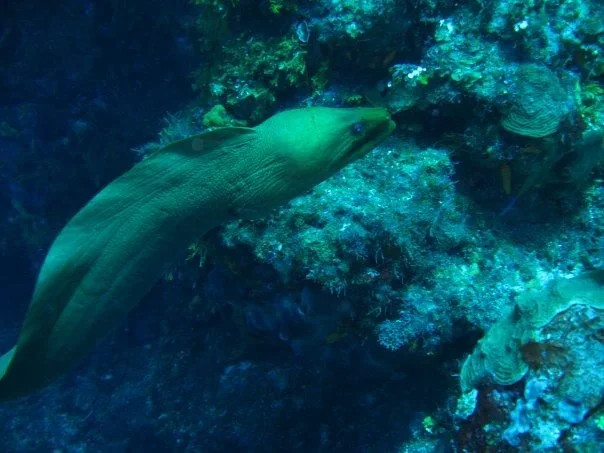
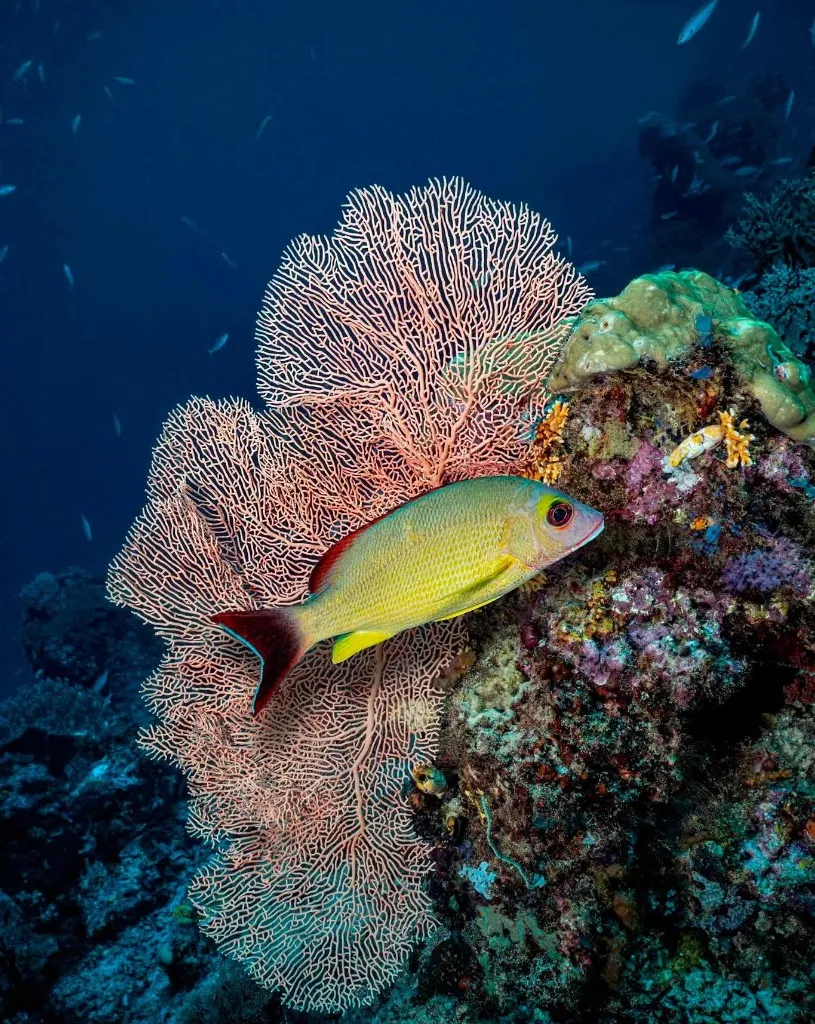
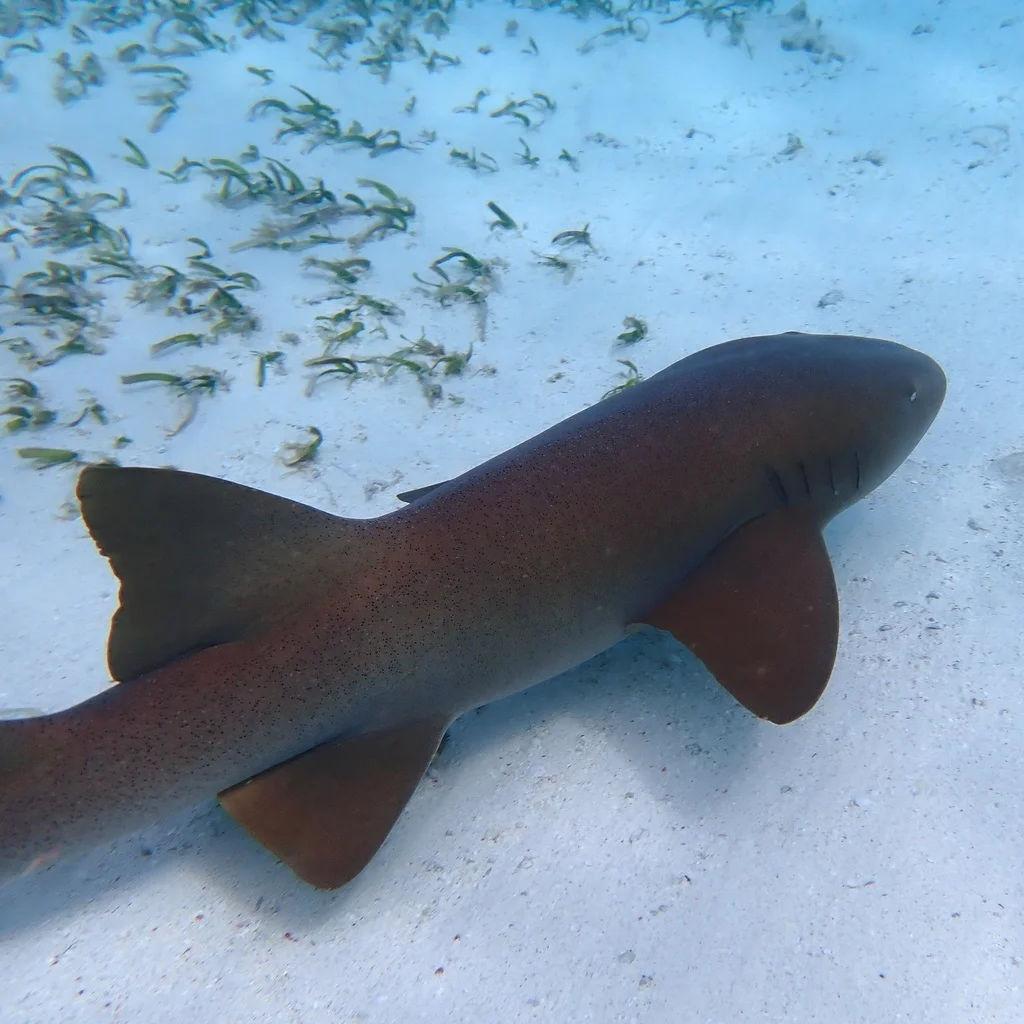
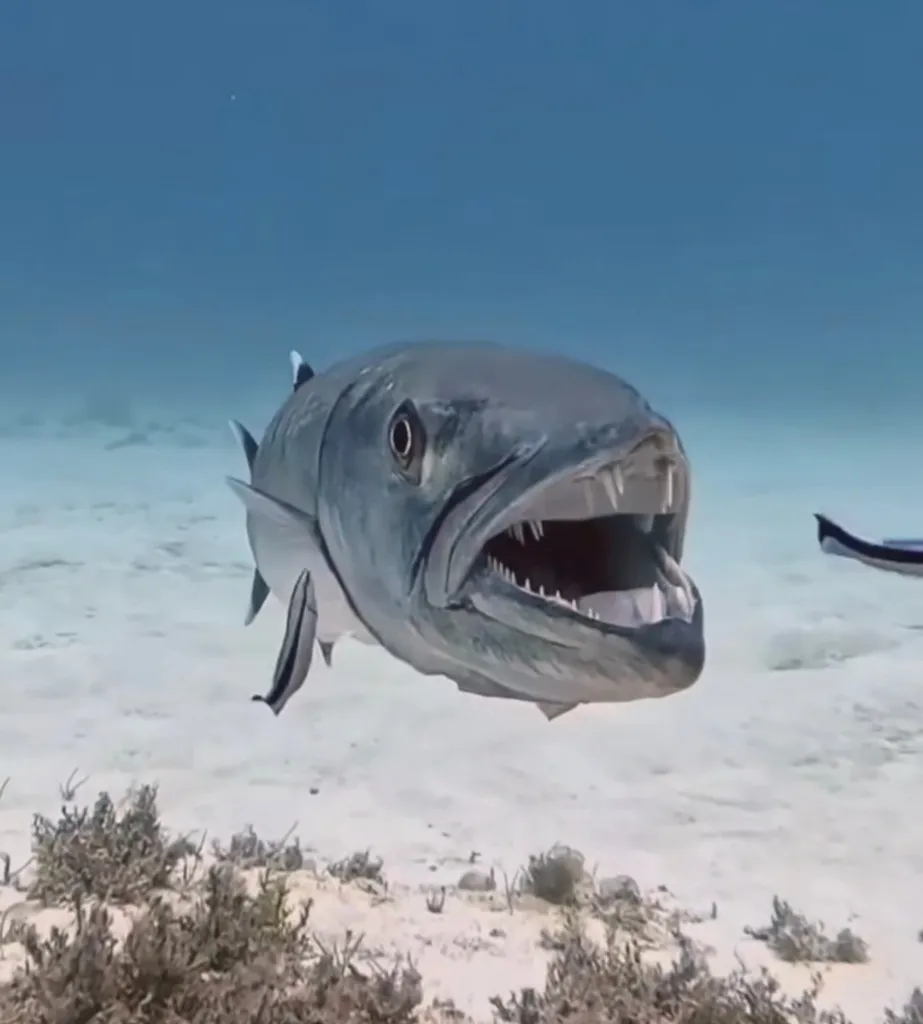
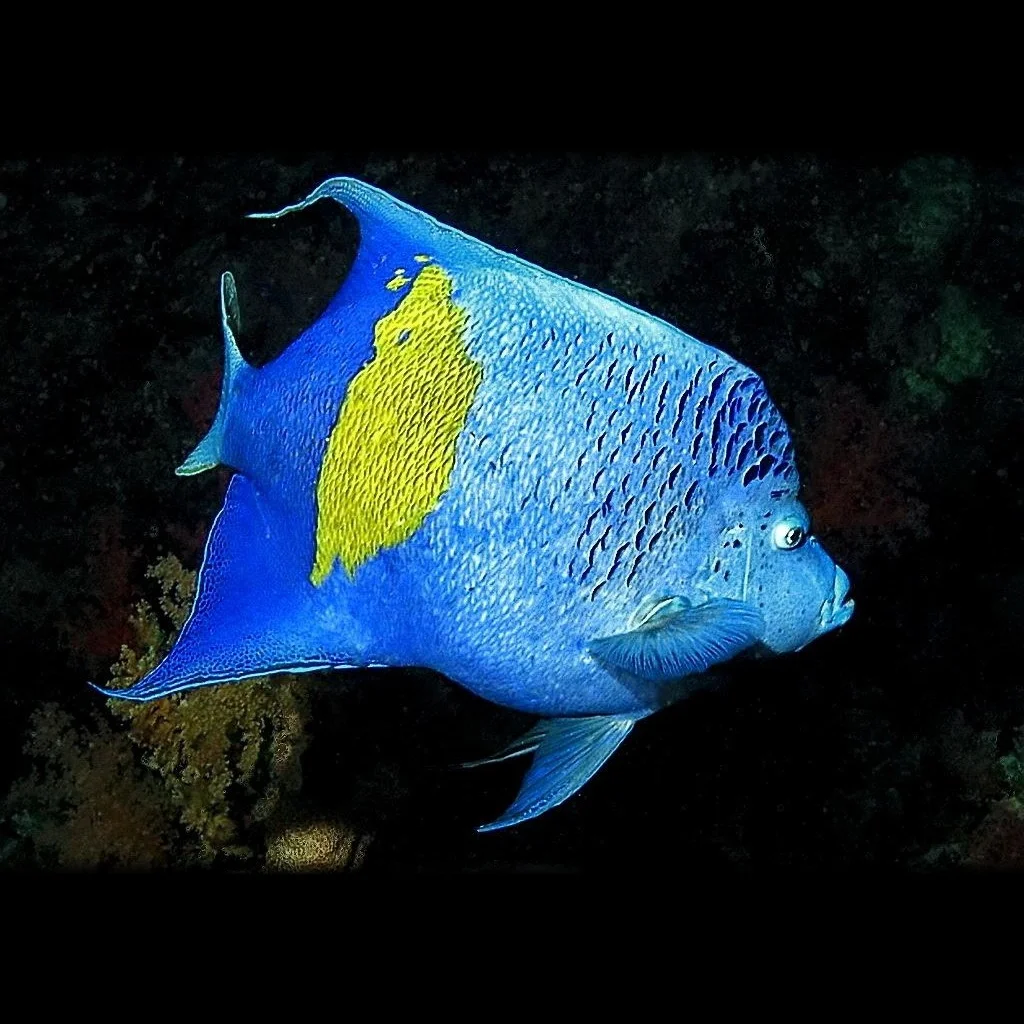
Divers in the region commonly encounter a variety of hard and soft corals, providing habitat for numerous reef fish species like parrotfish, angelfish, and snapper. Keep an eye out for moray eels tucked into crevices, and occasionally, larger pelagic species such as barracuda or even nurse sharks might cruise by in the deeper areas.
The dynamic nature of the Keys means marine encounters vary by season and specific location, making each dive an unpredictable adventure.
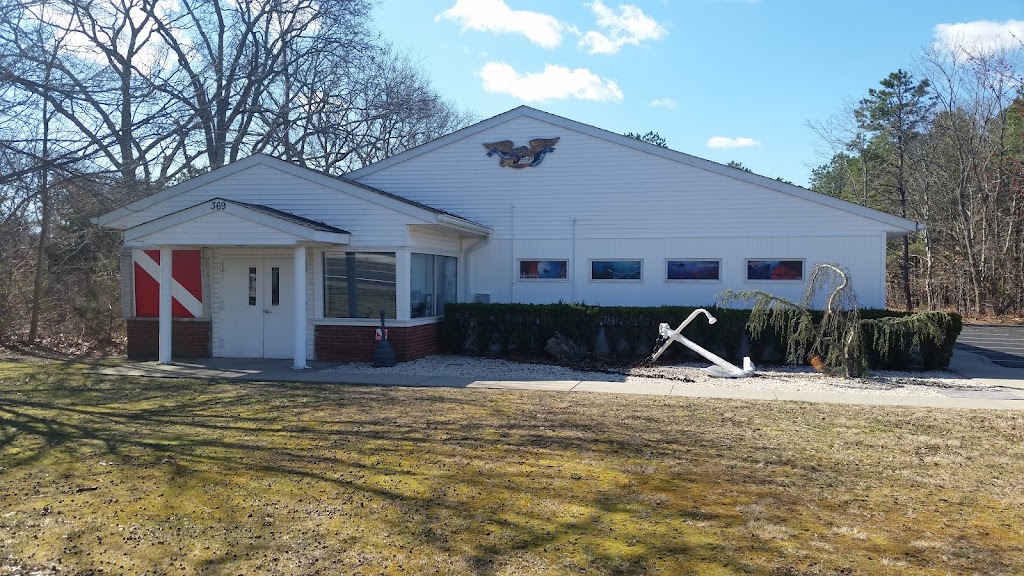
Dive Centers Near George W. Humphreys

Today: 10:00 - 18:00


Nearest Airports
Nearest airports to help plan travel to this dive area.
Search Flights
Check available flights and routes on Expedia, using the nearby airports listed in this section.
Search Flights on Expedia
Plan Your Stay
Looking for a place to stay for your dive trip? Explore hotels, stays, and vacation rentals for dive groups near Jamestown.
Dive Navigator may earn a commission from these links at no extra cost to you.
Frequently Asked Questions
What is the typical depth at George W. Humphreys?
Specific depth details for this particular site are not consistently documented. However, dive sites in the broader Key Largo area often range from shallow recreational depths to around 30 m (100 ft).
What kind of marine life can be seen?
While specific observations for George W. Humphreys are limited, the Florida Keys generally host diverse marine life, including various reef fish, corals, and occasional larger species like barracuda. Encounters vary with the season and exact location within the Keys.
Are there strong currents at the site?
Current conditions vary significantly across Key Largo dive sites and can change with tides and weather. Divers should anticipate mild to moderate currents and be prepared to manage them during their dive.
What are the water temperatures like?
Water temperatures in Key Largo typically range from 22-27°C (72-81°F) during the warmer months. They can be cooler in winter, requiring thicker wetsuits for comfort.
Is George W. Humphreys suitable for beginner divers?
Given the limited specific site information, it's prudent for beginners to consult local dive operators who can assess current conditions and recommend suitable alternatives in the Key Largo area if specific site data for George W. Humphreys remains unavailable.
What is the best time of year to dive here?
The best time to dive in the Key Largo area is generally from late spring to early fall (June-October). This period offers warmer air temperatures, less rain, and calmer sea conditions compared to winter months.
Is there any specific history associated with this dive site?
The name George W. Humphreys is associated with the family of William Travis Humphreys, who passed away while diving in Key Largo. The site's specific history as a dive location beyond this connection is not widely reported in public dive databases.
Planning to dive George W. Humphreys?
Send one inquiry and receive offers directly from the best verified local dive operators.
Conditions are Good
Optimal conditions expected
Current conditions near George W. Humphreys show 22° air, 21° sea temperature, 0.7 m waves, and 35 km/h wind. Forecast data is refreshed regularly to ensure accuracy.