
Diving at The Arch (United States)
Near California's Anacapa Island, a striking geological formation known as The Arch invites divers into the Channel Islands' underwater realm. This natural stone archway, carved by relentless ocean forces over millennia, creates a distinct habitat. It serves as a focal point for varied marine life, drawing both pelagic species and smaller reef inhabitants. Experienced and novice divers alike can find a quintessential California diving experience here.
As evening covers The Arch, the local air temperature is measured at 19.5°C. The current wave height at the surface is recorded at 1 m. These late-day readings characterize the surface conditions for the night.
Dive Site Location & Key Facts
Dive Site Overview
Divers encounter captivating underwater topography at The Arch, centered on its namesake rock formation. The main structure rests in approximately 10 m / 35 ft of water, making it broadly accessible, with maximum depths around the site reaching 22 m / 72 ft in its deeper sections.
This substantial archway, reportedly large enough for a car to pass through, provides a dramatic swim-through opportunity. Beyond the arch itself, varied seascapes of rocky reefs and low-lying structures extend into adjacent areas, supporting a rich benthic community. Kelp forests frequently frame the scene, swaying with currents and filtering light into mesmerizing patterns that dance across the seafloor.
Exploring these underwater features uncovers numerous crevices and hiding spots, indicating the diverse ecosystem thriving within the Channel Islands. Surrounding pinnacles and reefs contribute to a complex environment, offering ample opportunities for discovery well beyond the primary arch.
Conditions are Good
Optimal conditions expected
Current conditions near The Arch show 20° air, 22° sea temperature, 1.5 m waves, and 30 km/h wind. Forecast data is refreshed regularly to ensure accuracy.
Best Time to Dive
Seasonal patterns influence diving conditions at The Arch, with summer and early autumn typically offering the most favorable experiences. From July through September, the site frequently earns a 'Good' dive score. This period aligns with warmer air temperatures, often peaking around 18°C / 64°F in September. During these months, wave heights tend to be lower, averaging about 1.4 meters, and minimal rain makes for comfortable surface intervals. Early spring, particularly March, conversely experiences the highest average wave heights at 2.0 meters and stronger winds, leading to a 'Poor' dive score. Water temperatures, based on site-specific reports, vary from approximately 12°C (55°F) in January to a milder 15°C (63°F) in August or September. Visibility also varies widely, often spanning 10 to 30 meters, significantly depending on prevailing ocean conditions.
PEAK SEASON SCORE
Scores combine air & water temps, waves, wind & rainfall for overall conditions.
BEST MONTHS TO DIVE
Monthly records compiled from satellite and marine observation nodes over the last 3 years. Data provided by Open-Meteo and MET Norway.
Dive Experience & Conditions
Accessing The Arch, typically by day trip boat or liveaboard, provides a generally smoother entry compared to many challenging California shore dives. Once submerged, divers should anticipate water temperatures approximately 12°C / 55°F in cooler periods, warming to 15°C / 63°F during late summer months. These temperatures necessitate appropriate thermal protection, such as a thick wetsuit or drysuit. Visibility, a critical factor for appreciating the site's unique features, fluctuates widely, often ranging from 10 to 30 meters / 32 to 98 ft, heavily influenced by recent swell and current activity. While frequently manageable, currents can sometimes be strong, particularly near points or during tidal shifts around the archway itself. Navigating these currents requires attentive finning and buoyancy control. Diving here accommodates a broad range of experience levels due to its accessible depths, though comfort with variable ocean conditions always remains prudent for a rewarding experience. The dynamic interaction of light, kelp, and currents creates a distinctly Channel Islands dive.
Dive Difficulty & Safety Guidelines
Diving The Arch calls for awareness of potential ocean conditions; this location isn't consistently reported as a protected cove. Wave action can sometimes be considerable, potentially impacting entry and exit, particularly for shore-based operations. Strong currents may also be encountered, especially around the arch structure or nearby pinnacles.
Maintaining situational awareness and practicing good buoyancy control are crucial here. Carrying a Surface Marker Buoy (SMB) is a vital safety measure for signaling to surface vessels, while an underwater light enhances visibility in darker crevices.
A dive knife is also recommended as standard safety equipment. There isn't a lifeguard presence reported for similar California arch sites, emphasizing self-reliance and strict buddy system adherence.
Recommended Equipment
- Dive Computer
This gear list is based on verified equipment signals for The Arch, United States. Always confirm final gear choices with your dive operator, guide, or liveaboard.
Recommended Dive Suit
With water temperatures around 22°C (71°F), many divers find a 3-5mm wetsuit provides comfortable protection.
Divers performing multiple dives may appreciate slightly warmer protection later in the day.
Environmental conditions appear stable for the near future.
Due to technical issues with our weather providers, live updates are temporarily delayed. The data above reflects the conditions at the time of the last successful fetch.
Emergency & Medical Support
Essential information to help you plan your dive trip to The Arch.

Hyperbaric chambers are a critical part of dive safety infrastructure. Availability varies significantly by region, and not all dive areas have immediate access.
Before diving, it's recommended to:
- confirm nearest medical facilities
- check emergency procedures with local dive operators
- ensure dive insurance covers evacuation if required
Divers Alert Network
Diving emergency assistance available through DAN World.
+1-919-684-9111- 24/7 emergency hotline
- Diving medical assistance
- Evacuation coordination
Emergency contacts are provided for reference. Always verify local emergency services before diving.
Marine Life at The Arch
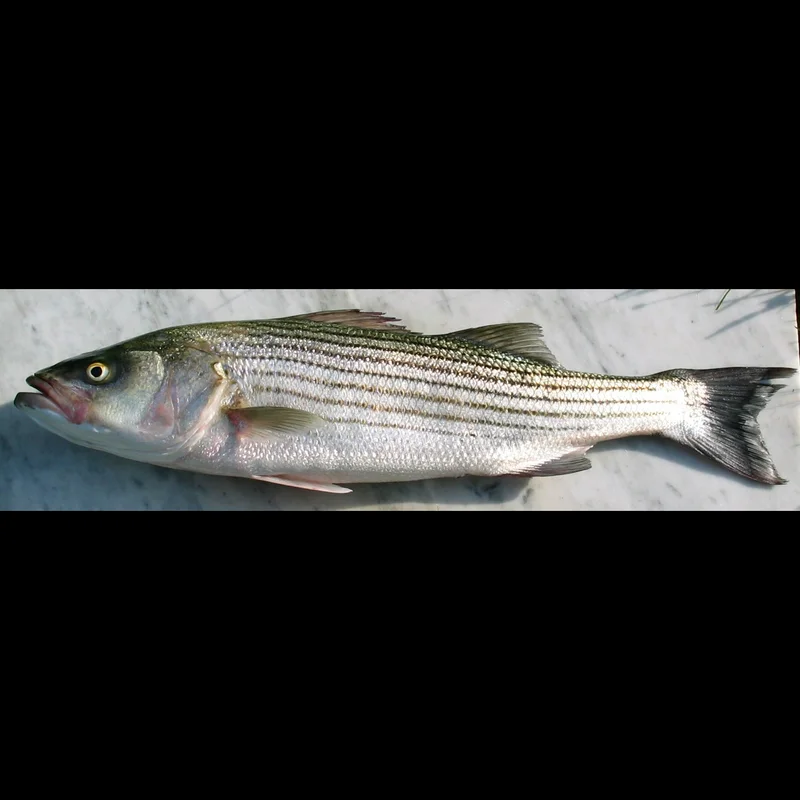
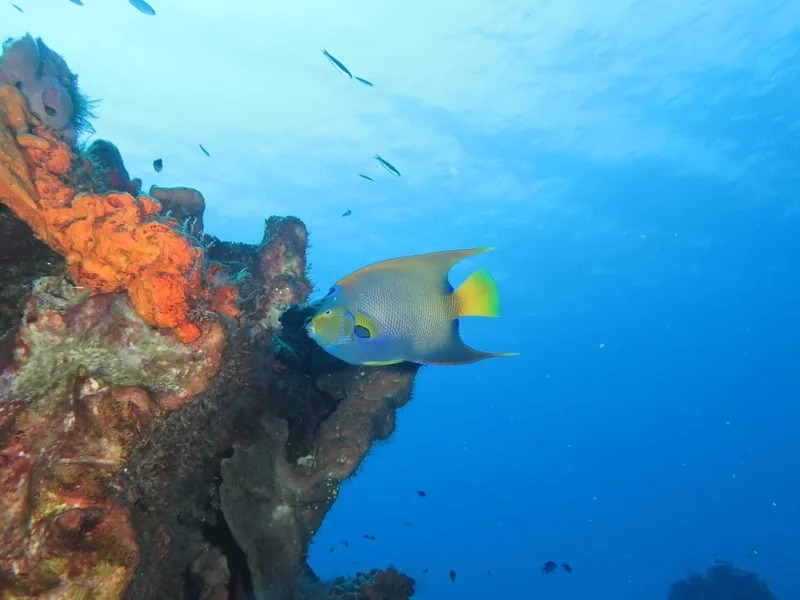
A vibrant array of marine life inhabits The Arch's compelling underwater landscape. Divers exploring the structure frequently encounter large schools of fish, such as opal eye, mackerel, and blacksmith, moving through the archway.
Rocky reefs and kelp forests surrounding the site offer excellent camouflage and shelter for kelp bass, garibaldi, and various rockfish. Look for curious sheephead peering from the kelp.
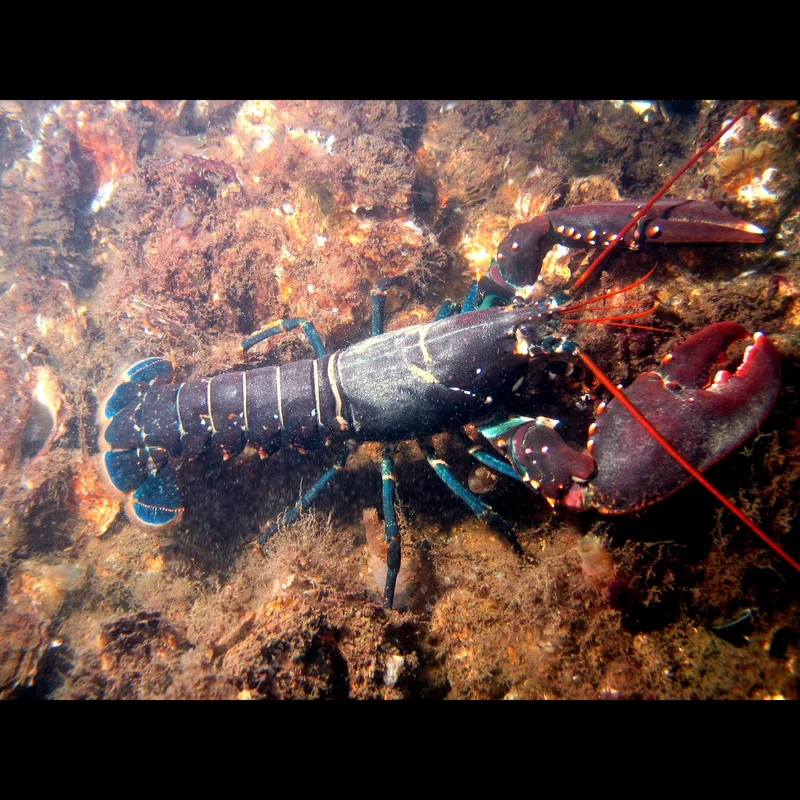
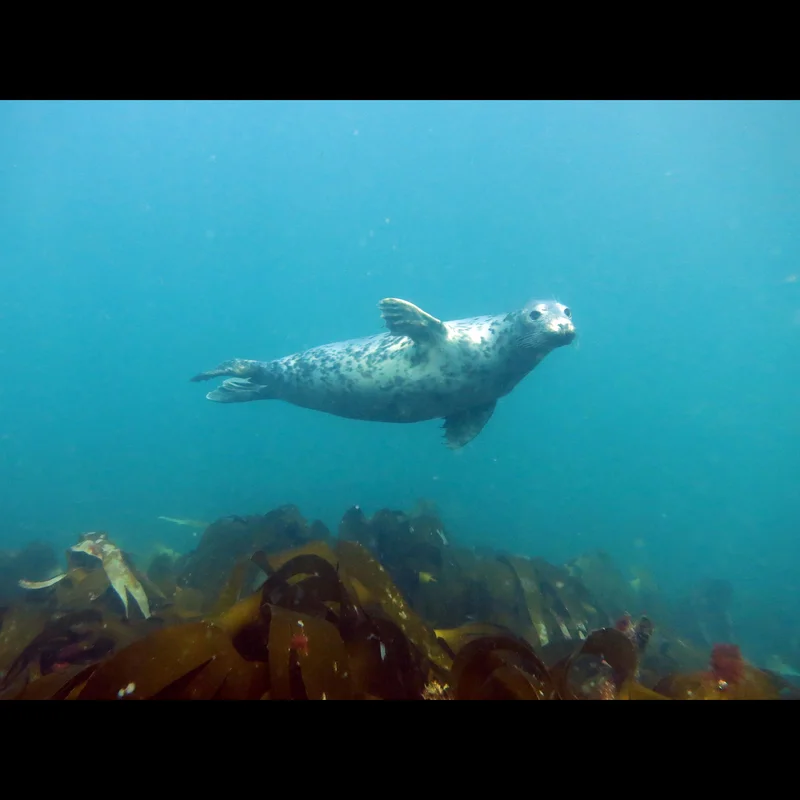
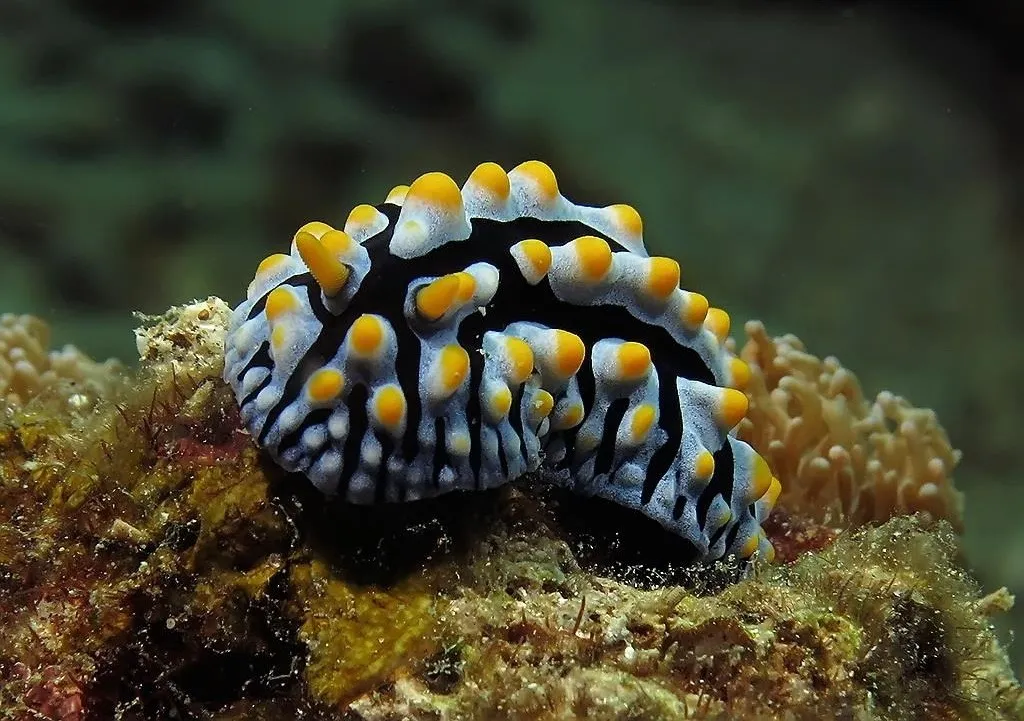
Along the sandy bottom, nudibranchs and starfish are commonly observed. Lobster hide within rocks and crevices, while the more unusual purple hydrocoral adds a distinct splash of color to the reef. Occasionally, surface sightings can include dolphins, whales, or mola mola.

Dive Centers Near The Arch
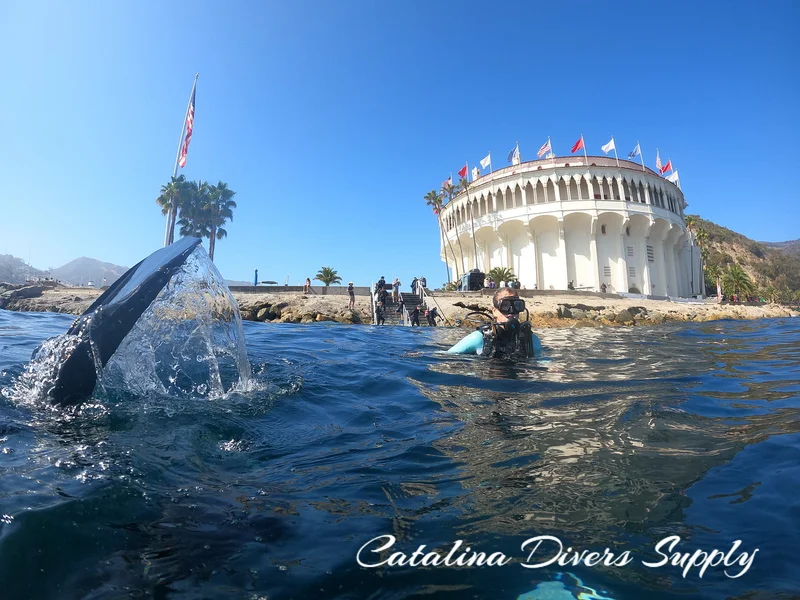
Today: 08:00 - 16:00

Nearest Airports
Nearest airports to help plan travel to this dive area.
Search Flights
Check available flights and routes on Expedia, using the nearby airports listed in this section.
Search Flights on ExpediaFrequently Asked Questions
What is the maximum depth at The Arch?
Maximum reported depth around The Arch is 22 meters (72 feet). The arch structure itself sits in about 10 meters of water, making it quite accessible.
What are the typical water temperatures at the site?
Water temperatures typically range from a cooler 12°C (55°F) in January to a milder 15°C (63°F) during late summer months.
Is The Arch suitable for all diver levels?
Generally considered accessible for divers of all levels due to the relatively shallow depth of the main arch structure. However, comfort with potential currents is advisable.
What marine life can I expect to see?
Divers frequently encounter large kelp bass, garibaldi, sheephead, and various rockfish. Schools of opal eye, mackerel, and blacksmith are common. Nudibranchs, starfish, and unique purple hydrocoral also highlight the reefs.
What are the visibility conditions like?
Visibility at the site can vary significantly based on prevailing ocean conditions, often spanning 10 to 30 meters (32 to 98 feet).
Are there any specific hazards to be aware of?
Potential strong currents, particularly around the arch and nearby pinnacles, should be noted. Wave action can also be considerable, impacting entry and exit, especially if shore diving.
What kind of training is useful for this site?
Courses like PADI Boat Diver can enhance skills for boat-based diving, a common way to access the site. PADI Underwater Photographer training is also beneficial for capturing its beauty.
Planning to dive The Arch?
Send one inquiry and receive offers directly from the best verified local dive operators.
Conditions are Good
Optimal conditions expected
Current conditions near The Arch show 20° air, 22° sea temperature, 1.5 m waves, and 30 km/h wind. Forecast data is refreshed regularly to ensure accuracy.