
Diving at Tug Lesley Lee Reef (United States)
Tug Lesley Lee Reef, commonly identified as the Pegasus wreck, presents a compelling dive for those exploring Florida's artificial reefs. This former 110-foot steel-hulled tug, intentionally scuttled off Sanibel, serves as a significant underwater structure. It offers a contrasting experience to natural reef systems, drawing divers to its accessible depths and established marine ecosystem.
Evening condition tracking at Tug Lesley Lee Reef features an air temperature of 27.5°C. We have recorded wave heights measuring 1.2 m during this period. These figures outline the environmental parameters currently present.
Dive Site Location & Key Facts
Dive Site Overview
This artificial reef site, the Tug Lesley Lee Reef (Pegasus), rests on the seabed approximately 30 miles off Sanibel. Its structure provides numerous points of interest for recreational divers.
Initially sunk in 1999, the 110-foot steel hull now forms a substantial habitat for marine life, standing largely intact. Depths at the site reach around 30 m (100 ft), making it suitable for advanced open water divers. The surrounding environment consists of a sandy bottom, with the wreck itself becoming a focal point for biodiversity in an otherwise featureless expanse.
Over two decades, the tug has undergone natural transformation, evolving into a living habitat. Adjacent to it, about 500 feet away, lies the larger 165-foot former Coast Guard cutter Mohawk, offering an additional deep-water wreck exploration opportunity within close proximity.
Divers can observe various structural components of the tug, including its pilothouse, engine room, and deck features, which are now encrusted with growth.
Conditions are Good
Optimal conditions expected
Current conditions near Tug Lesley Lee Reef show 28° air, 29° sea temperature, 0.7 m waves, and 17 km/h wind. Forecast data is refreshed regularly to ensure accuracy.
Best Time to Dive
Optimizing visibility for a dive at Tug Lesley Lee Reef often involves planning for the calmer months. From May through August, dive conditions are generally rated 'Good', characterized by lower wave heights, averaging between 0.6 m and 0.9 m. During these months, wind speeds typically range from 24.9 to 28.6 km/h, which can contribute to smoother surface conditions. Air temperatures are also warmer, ranging from 26°C to 28.5°C (79-83°F). Rainfall is moderate, with July and August seeing about 2.4mm to 3.3mm, respectively. Conversely, months like October often present 'Poor' dive scores due to higher wave heights and increased rainfall, potentially reducing underwater clarity. While water temperature data isn't consistently reported, the warmer air temperatures during summer often correlate with more comfortable water conditions for diving.
PEAK SEASON SCORE
Scores combine air & water temps, waves, wind & rainfall for overall conditions.
BEST MONTHS TO DIVE
Monthly records compiled from satellite and marine observation nodes over the last 3 years. Data provided by Open-Meteo and MET Norway.
Dive Experience & Conditions
Diving the Tug Lesley Lee Reef feels like exploring a submerged historical artifact that's been reclaimed by the ocean. Currents can be present and vary, so careful attention to local reports is always prudent. Visibility, while often good during optimal seasons, is not consistently reported and can depend significantly on recent weather and local water dynamics. Divers should anticipate encountering a range of marine species that have colonized the tug's structure, creating a vibrant artificial ecosystem. Exploring the wreck's exterior offers diverse angles for observation. While the wreck is substantial, divers should approach penetration with caution and only if properly trained and equipped, as the interior environment changes over time. The overall impression is one of discovery amidst a constantly evolving underwater environment.
Dive Difficulty & Safety Guidelines
Approaching the Tug Lesley Lee Reef requires a focus on safety, especially given the site's nature as an artificial reef in potentially variable conditions. It's crucial for divers to be aware of local currents, which can shift and influence dive planning and execution. Proper buoyancy control is essential to prevent contact with the wreck, preserving both the site and diver safety.
Divers planning to enter any overhead environments within the wreck must possess appropriate training and equipment, like wreck diving certification and redundant air sources. As with any wreck dive, thorough pre-dive planning, including reviewing emergency procedures and dive profiles, remains paramount. Always dive within your certification limits and consider the experience level of your buddy.
Recommended Equipment
- Dive Computer
This gear list is based on verified equipment signals for Tug Lesley Lee Reef, United States. Always confirm final gear choices with your dive operator, guide, or liveaboard.
Recommended Dive Suit
Conditions in the coming days are expected to stay within a similar temperature range.
Factors such as dive duration, depth, and activity level can influence how warm a diver feels underwater.
Dive skin or rash guard typically balances flexibility and thermal protection in these temperatures. A hood or vest is suggested for sensitive divers due to surface winds. The latest environmental readings for Tug Lesley Lee Reef suggest water temperatures around 29°C (85°F). Surface air temperatures are resting at 28°C (82°F).
Emergency & Medical Support
Essential information to help you plan your dive trip to Tug Lesley Lee Reef.

Hyperbaric chambers are a critical part of dive safety infrastructure. Availability varies significantly by region, and not all dive areas have immediate access.
Before diving, it's recommended to:
- confirm nearest medical facilities
- check emergency procedures with local dive operators
- ensure dive insurance covers evacuation if required
Divers Alert Network
Diving emergency assistance available through DAN World.
+1-919-684-9111- 24/7 emergency hotline
- Diving medical assistance
- Evacuation coordination
Emergency contacts are provided for reference. Always verify local emergency services before diving.
Marine Life at Tug Lesley Lee Reef
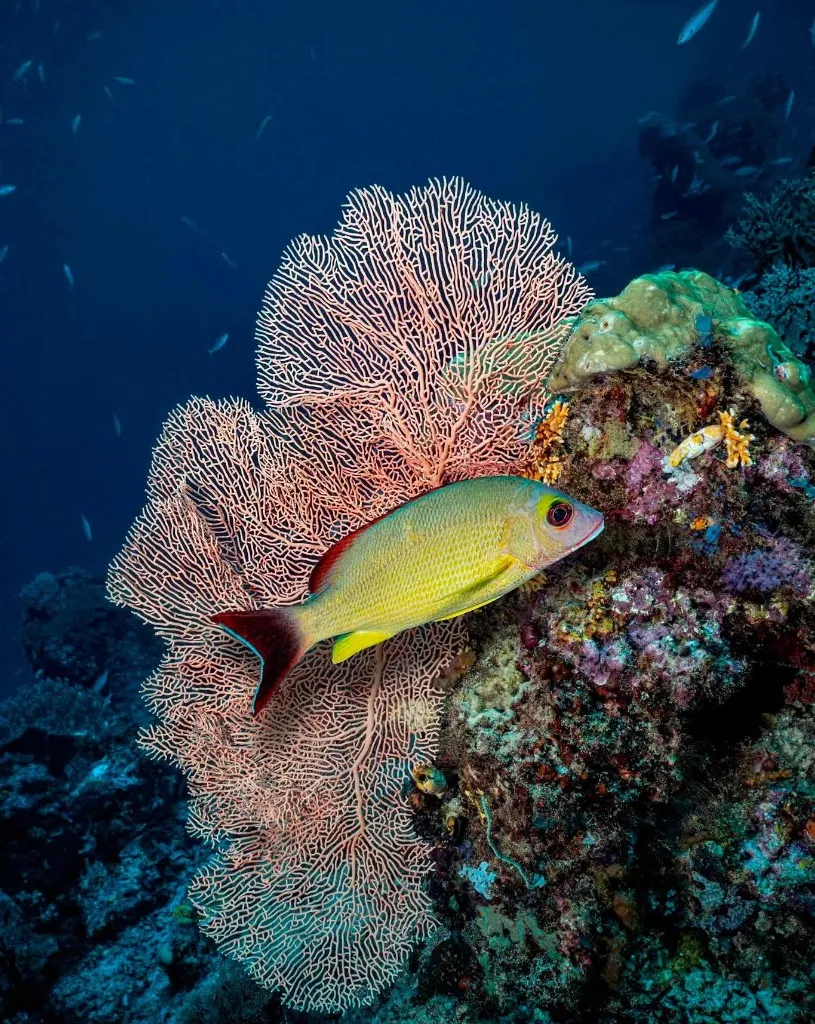
The underwater landscape of Tug Lesley Lee Reef provides a robust foundation for marine life. Schools of baitfish commonly swirl around the tug's superstructure, attracting larger pelagic species.
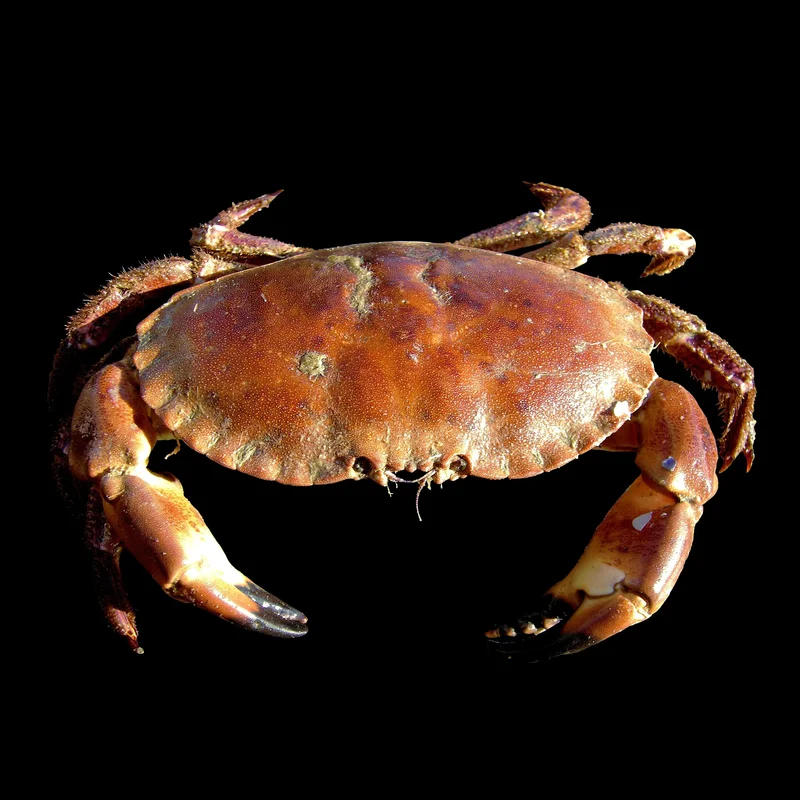
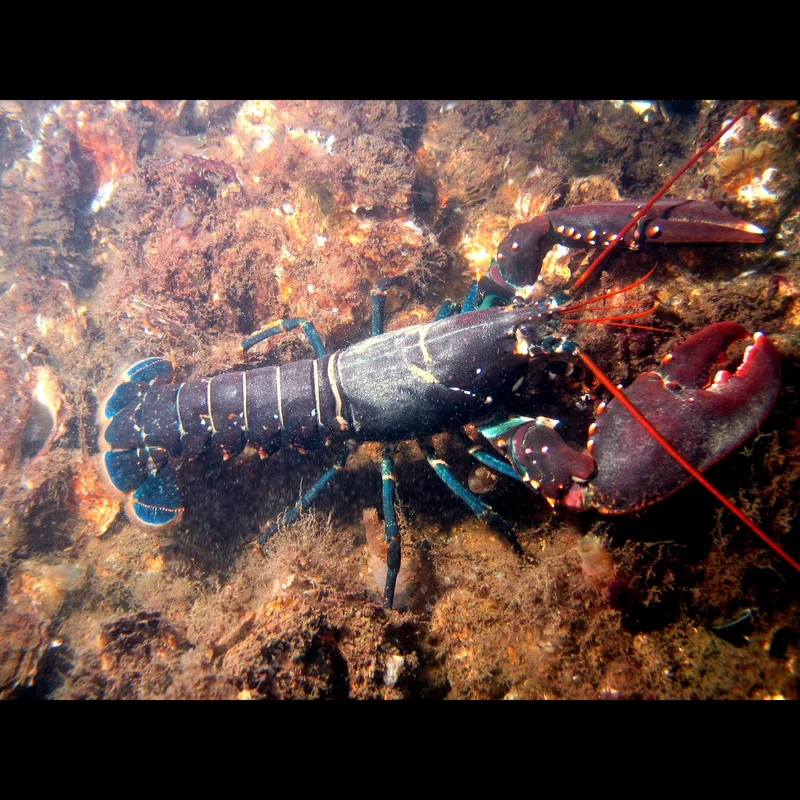
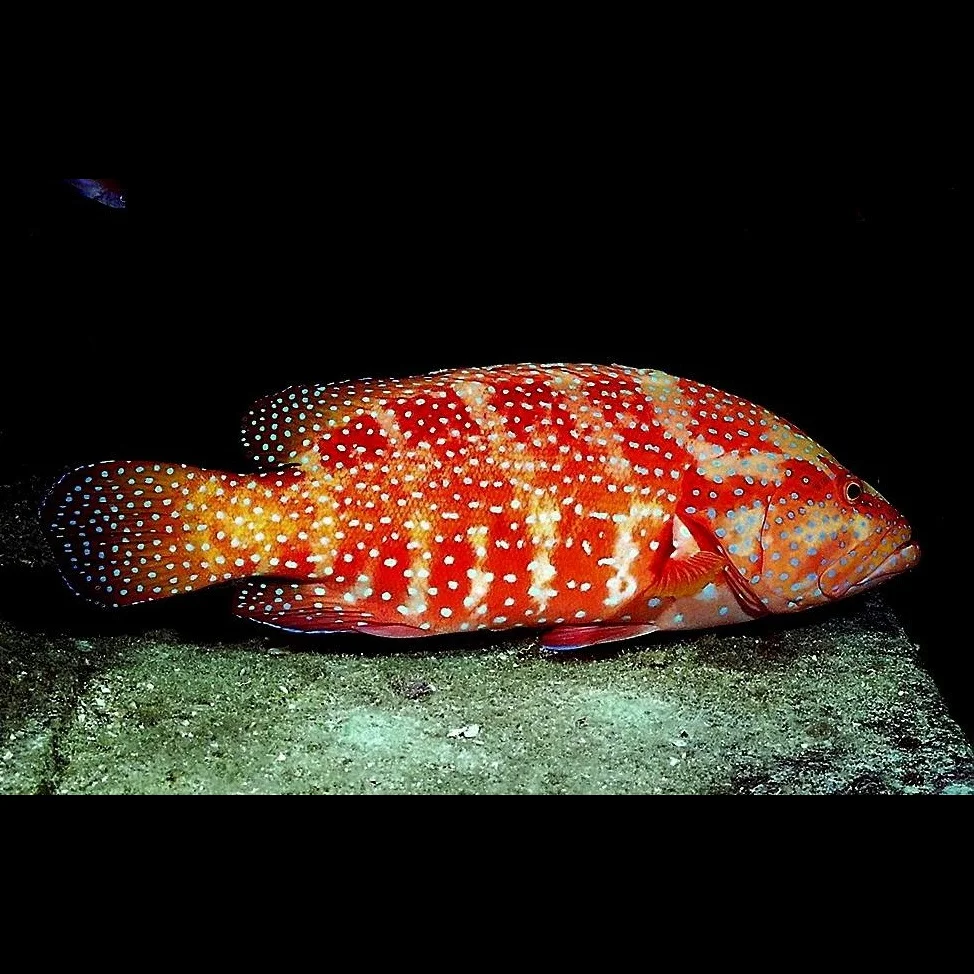
Divers might observe various species of grouper and snapper taking refuge within the wreck's nooks and crannies. The surfaces of the tug are encrusted with different types of coral and sponges, creating microhabitats for smaller invertebrates like crabs and lobsters.
These organisms contribute to the vibrant ecosystem that has developed around this artificial structure, transforming it into a thriving hub for local fauna.
Dive Centers Near Tug Lesley Lee Reef
Today: 10:00 - 18:00
Nearest Airports
Nearest airports to help plan travel to this dive area.
Search Flights
Check available flights and routes on Expedia, using the nearby airports listed in this section.
Search Flights on ExpediaFrequently Asked Questions
What is the maximum depth at Tug Lesley Lee Reef?
Reaching approximately 30 m (100 ft), Tug Lesley Lee Reef is suitable for advanced open water divers. Its maximum depth requires appropriate certification.
What kind of dive site is Tug Lesley Lee Reef?
An artificial reef, the Tug Lesley Lee Reef is a 110-foot steel tugboat intentionally scuttled off Sanibel. It now forms a significant habitat for marine life, popular for recreational wreck diving.
Are there other dive sites nearby?
Yes, the 165-foot former Coast Guard cutter Mohawk wreck lies about 500 feet away. Divers often combine exploration of both sites, which offers an additional deep-water wreck opportunity.
What is the best time of year to dive this site?
May through August typically provide optimal dive conditions. These months feature lower wave heights, calmer winds, and warmer air temperatures, generally improving underwater visibility and comfort.
Are strong currents a concern at Tug Lesley Lee Reef?
Currents can be present and may vary at the site. Divers should always check local conditions and dive reports before planning their dive and be prepared for potential current changes.
Is wreck penetration safe at this site?
While the wreck offers interesting features, any penetration into overhead environments should only be attempted by divers with proper wreck diving training, appropriate equipment, and an understanding of the associated risks.
Planning to dive Tug Lesley Lee Reef?
Send one inquiry and receive offers directly from the best verified local dive operators.
Conditions are Good
Optimal conditions expected
Current conditions near Tug Lesley Lee Reef show 28° air, 29° sea temperature, 0.7 m waves, and 17 km/h wind. Forecast data is refreshed regularly to ensure accuracy.