
Diving at SS President Coolidge (Vanuatu)
Diving the SS President Coolidge presents substantial depth and penetration challenges, demanding advanced training and meticulous planning. Beginning at approximately 21 m / 70 ft, the colossal shipwreck descends steeply, with many key features lying well beyond recreational limits, reaching depths of 60-70 m / 197-230 ft at the stern. Its immense scale requires multiple dives to appreciate fully. The Coolidge is specifically tailored for experienced wreck divers comfortable with deep and overhead environments.
Tonight's objective overview for SS President Coolidge shows an air temperature of 20°C. The measured surface conditions include wave heights around 1 m. This environmental data is logged for the close of the day.
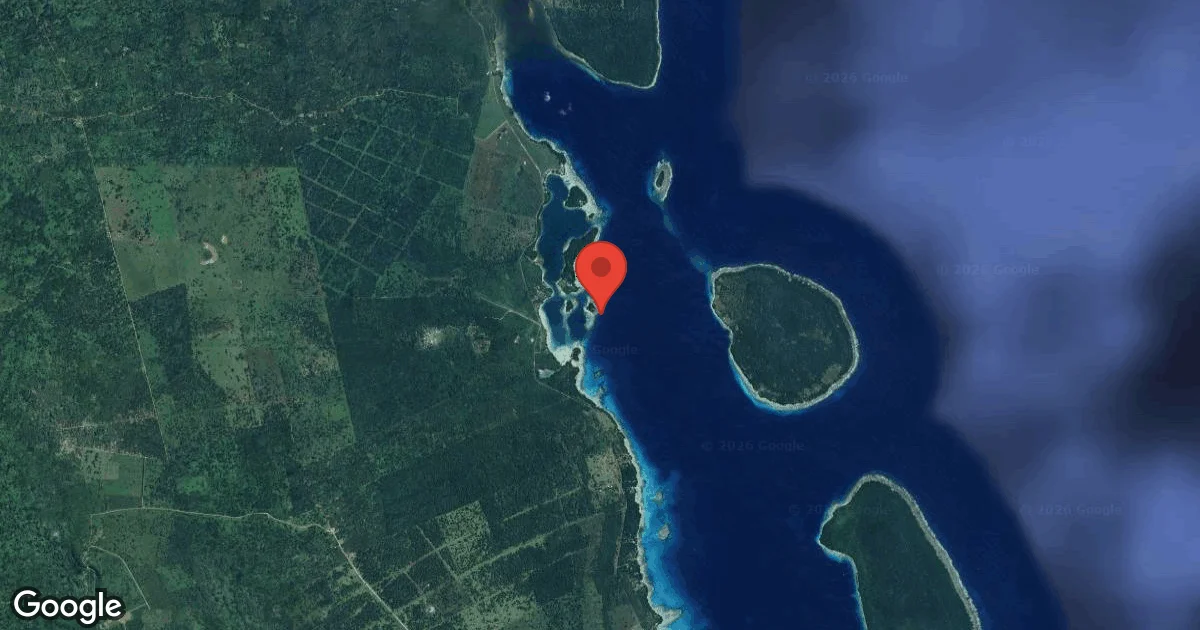
Dive Site Location & Key Facts
Dive Site Overview
The SS President Coolidge, a former luxury liner transformed into a troop carrier, met its fate in 1942 near Espiritu Santo, Vanuatu, after striking mines; this magnificent vessel now rests on its port side. It creates one of the world's most accessible and extensive wreck diving experiences, an underwater museum.
Divers can explore various compartments, including cargo holds, infirmaries, and the iconic "Lady," a porcelain relief discovered within the first-class lounge. Due to the wreck’s immense size, exploration is often broken down into specific dives, each focusing on distinct areas. Recreational dives might reach around 30 meters, with some specific explorations extending to 40 meters for advanced divers into areas like Cargo 1 & 2.
Deeper parts cater to technical divers, who can venture to the engine room at 45 meters, the first-class swimming pool at 55 meters, and the stern between 60 and 70 meters.
Conditions are Good
Optimal conditions expected
Current conditions near SS President Coolidge show 20° air, 26° sea temperature, 1.1 m waves, and 36 km/h wind. Forecast data is refreshed regularly to ensure accuracy.
Best Time to Dive
To maximize your experience at the SS President Coolidge, planning your visit during the drier months is advisable. This period, generally from April to November, sees less rainfall, with averages dropping significantly from around 16 mm / 0.6 inches in January to 4-5 mm / 0.16-0.2 inches between June and August. Air temperatures during these months remain comfortably warm, typically ranging from 24°C to 26°C (75-79°F). Water temperatures for diving are consistently warm, reported around 26-27°C / 79-81°F year-round. While diving is possible throughout the year, the reduced rain and slightly cooler air temperatures of the mid-year months can enhance surface conditions and overall comfort between dives. Wind speeds are moderate, varying from approximately 11.9 km/h (7.4 mph) in January to 16.9 km/h (10.5 mph) in September.
PEAK SEASON SCORE
Scores combine air & water temps, waves, wind & rainfall for overall conditions.
BEST MONTHS TO DIVE
Monthly records compiled from satellite and marine observation nodes over the last 3 years. Data provided by Open-Meteo and MET Norway.
Dive Experience & Conditions
Descending onto the SS President Coolidge offers a varied and demanding diving experience, with different sections of the wreck accessible to various certification levels. An open water diver might experience the shallowest parts, but deeper penetrations and exploration of specific cargo holds often require advanced training. For instance, some cargo dives are recommended for advanced divers due to depths reaching approximately 21 meters. Navigating the vast internal spaces, like the first-class lounge with its notable "Lady" porcelain relief or the expansive cargo areas, can feel like moving through an underwater city. Night dives within the cargo holds have been described as particularly captivating, revealing a different aspect of the wreck's resident life. Water temperatures stay consistently warm, generally 26-27°C / 79-81°F, providing a comfortable environment for extended bottom times typical of wreck exploration. Visibility is generally good, allowing for appreciation of the wreck's grand scale and intricate details despite its depth.
Dive Difficulty & Safety Guidelines
Ensuring a safe dive on the SS President Coolidge requires careful planning and adherence to advanced diving protocols. Given its considerable depth range, many areas, such as the cargo holds, necessitate an Advanced Open Water certification or higher.
Divers exploring beyond 30 meters should possess deep diver specialty training and experience with overhead environments. Technical diving certifications become essential for those aiming to reach deeper sections, like the engine room at 45 meters or the stern at 60-70 meters.
Always dive with a reputable local operator familiar with the wreck and its intricacies. Penetration dives, particularly at night into areas like the cargo hold, demand specialized training and equipment. It's crucial to manage gas consumption and decompression obligations meticulously.
Recommended Equipment
Technical depth range. Advanced planning, gas management, and appropriate certification required.
Overhead / entanglement risk. Wreck penetration requires proper training.
- Dive Computer
- DSMB
- Primary & Backup Lights
- Wreck Reel
- Cutting Tool
This gear list is based on verified equipment signals for SS President Coolidge, Vanuatu. Always confirm final gear choices with your dive operator, guide, or liveaboard.
Recommended Dive Suit
Short-term weather patterns suggest stable conditions for divers visiting the area.
Some divers prefer slightly warmer exposure protection simply for additional comfort. Stronger winds may also make surface intervals feel cooler than usual.
2-3mm shorty or light wetsuit usually works well for maintaining comfort during standard dive profiles in these conditions. Consider warmer surface protection (like a boat coat) due to brisk winds. Surface intervals may feel cooler. Divers preparing to enter the water at SS President Coolidge will likely find temperatures around 26°C (79°F) today. Surface air temperatures are resting at 20°C (68°F).
Emergency & Medical Support
Essential information to help you plan your dive trip to SS President Coolidge.

Hyperbaric chambers are a critical part of dive safety infrastructure. Availability varies significantly by region, and not all dive areas have immediate access.
Before diving, it's recommended to:
- confirm nearest medical facilities
- check emergency procedures with local dive operators
- ensure dive insurance covers evacuation if required
Divers Alert Network
Diving emergency assistance available through DAN World.
+1-919-684-9111- 24/7 emergency hotline
- Diving medical assistance
- Evacuation coordination
Emergency contacts are provided for reference. Always verify local emergency services before diving.
Marine Life at SS President Coolidge
Over decades, the SS President Coolidge's extensive structure has transformed into a substantial artificial reef system. While specific reports on marine species are not consistently detailed for the wreck itself, large submerged habitats naturally attract a diversity of coral growth and fish life.
Its vast surfaces and numerous compartments provide shelter and foraging grounds, creating a dynamic ecosystem. Divers can observe various reef fish, small invertebrates, and sometimes larger pelagic species that cruise the perimeter.
This adaptation allows divers to experience marine creatures thriving within a human-made environment. Its sheer scale remains a primary highlight, with marine life as an integral, ever-present accompanying feature.
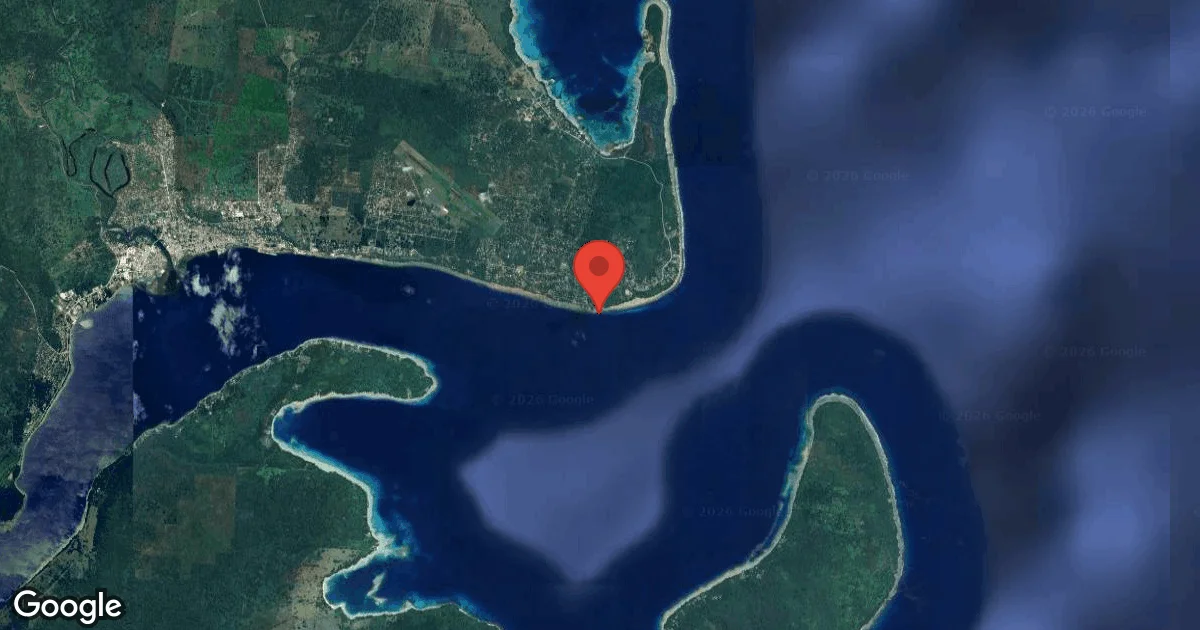
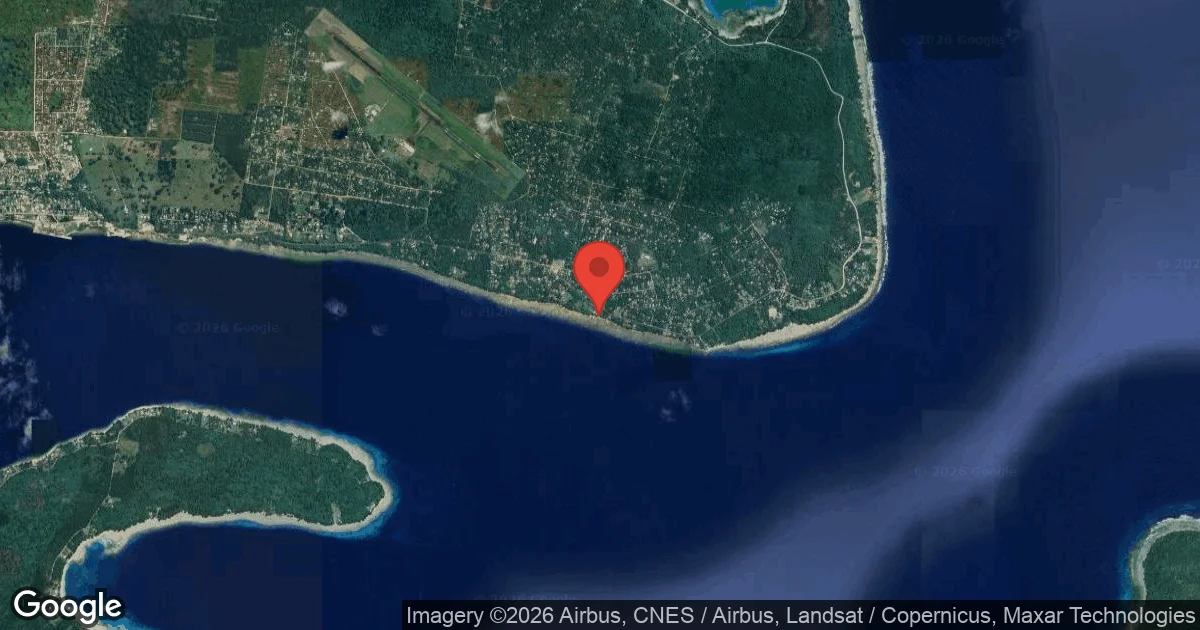
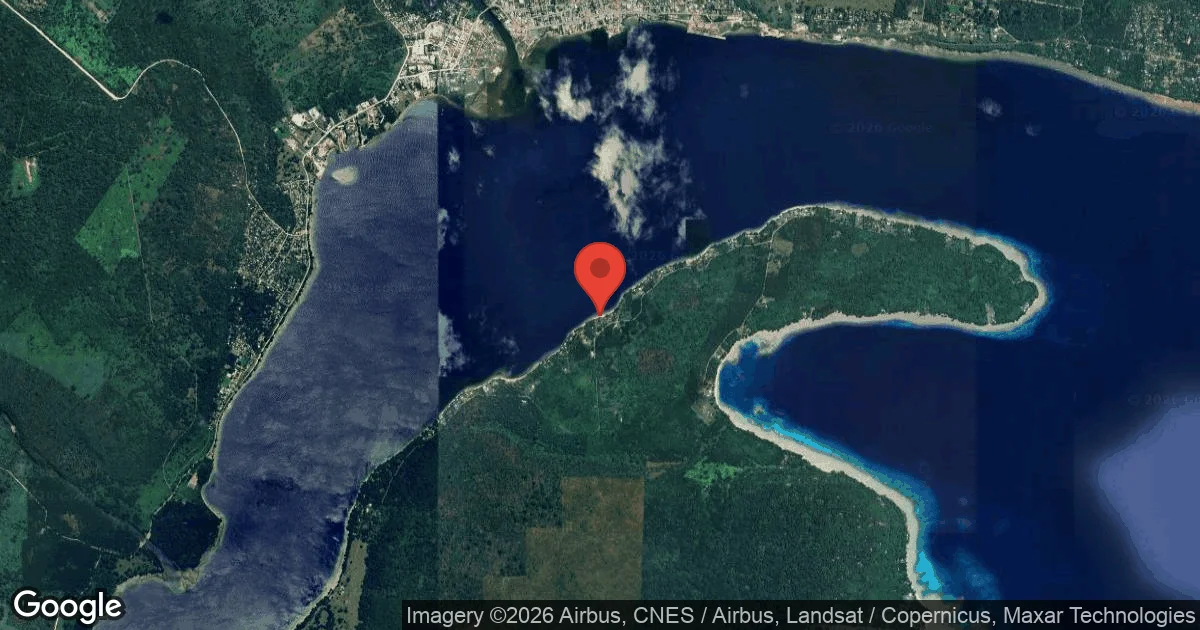
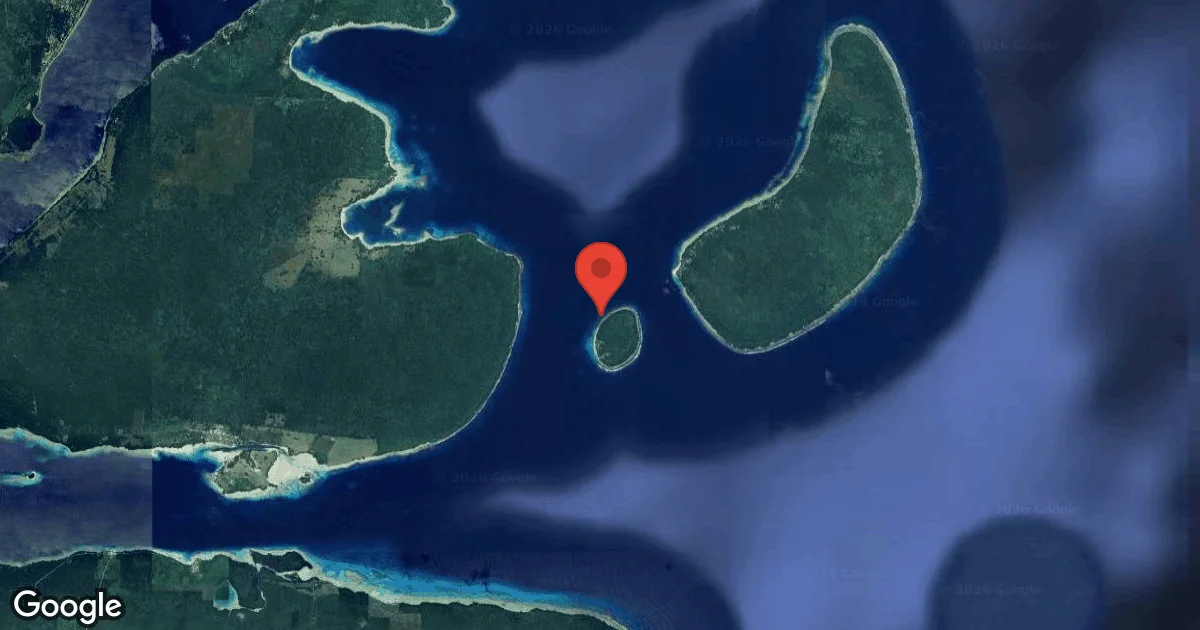
Dive Sites Near SS President Coolidge
View all dive sites in VanuatuDiscover more underwater gems in this area.
Dive Centers Near SS President Coolidge

Nearest Airports
Nearest airports to help plan travel to this dive area.
Search Flights
Check available flights and routes on Expedia, using the nearby airports listed in this section.
Search Flights on ExpediaFrequently Asked Questions
What certification level is required to dive the SS President Coolidge?
Due to its depth and the nature of wreck penetration, an Advanced Open Water certification is generally considered the minimum requirement for many areas. Deeper sections and internal explorations will necessitate specialized wreck and deep diver training, or even technical diving certifications.
How deep is the SS President Coolidge wreck?
Beginning at approximately 21 meters, the wreck's stern descends to depths between 60-70 meters. Various parts of the ship, like the engine room and first-class swimming pool, are found at intermediate depths, appealing to divers with varying levels of training.
What is the water temperature like?
Water temperatures at the SS President Coolidge are consistently warm, typically ranging from 26-27°C / 79-81°F throughout the year. This provides a comfortable diving environment suitable for longer bottom times often associated with wreck exploration.
Can open water divers explore the wreck?
Open water divers may be able to experience the shallowest parts of the wreck, often around the bow. However, to access the more significant and deeper features, such as the cargo holds or the iconic "Lady" relief, advanced certification and specific wreck diving experience are essential.
Are night dives possible on the SS President Coolidge?
Yes, night dives are offered on the SS President Coolidge, particularly within the cargo holds. These dives are described as highly captivating, offering a unique perspective on the wreck's internal environment and its nocturnal inhabitants.
What are some key features to see on the wreck?
Key features include the expansive cargo holds, the iconic "Lady" porcelain relief found in the first-class lounge. For technical divers, the engine room, first-class swimming pool, and the deep stern sections offer further exploration.
How many dives are typically needed to explore the Coolidge?
Exploring the SS President Coolidge requires multiple dives due to its sheer size and complexity. Many divers plan six or more dives to adequately cover different sections and features of this extensive wreck.
Planning to dive SS President Coolidge?
Send one inquiry and receive offers directly from the best verified local dive operators.
Conditions are Good
Optimal conditions expected
Current conditions near SS President Coolidge show 20° air, 26° sea temperature, 1.1 m waves, and 36 km/h wind. Forecast data is refreshed regularly to ensure accuracy.