
Diving at F4F Corsair (Vanuatu)
Descend into a tangible piece of Pacific War history at the F4F Corsair wreck, a Vought F4U-1 fighter submerged off Espiritu Santo. This iconic aircraft, resting on a sandy bottom, offers divers a direct glimpse into naval aviation's past. A preserved testament to the intense battles fought in the region, it provides an immersive historical dive experience for certified enthusiasts.
As evening covers F4F Corsair, the local air temperature is measured at 23°C. The current wave height at the surface is recorded at 1.1 m. These late-day readings characterize the surface conditions for the night.
Dive Site Location & Key Facts
Dive Site Overview
Resting upright on a flat sandy bottom, the F4F Corsair wreck, a powerful F4U-1 fighter, lies at a maximum depth of 30 m (98 ft) near Turtle Bay. This remarkably intact aircraft, discovered in February 2020, stands as a poignant relic from the Pacific War era.
Piloted by US Marine Corps units from the nearby Turtle Bay airfield, these Corsairs were instrumental in raids against Guadalcanal, boasting an impressive 11:1 success record against Japanese Zeros. Observing the structure, divers can identify its distinctive features: a three-bladed propeller, foldable wings, and the characteristic “bird cage” cockpit set far back.
The plane measures 10.3m (33.8 ft) long with a 12.5m (41 ft) wingspan. Its tail section is notably broken and twisted off to the right, a detail adding to its narrative.
Exploring this site offers more than just a wreck dive; it's an opportunity to connect with a significant piece of military aviation history preserved beneath the waves.
Conditions are Good
Optimal conditions expected
Current conditions near F4F Corsair show 23° air, 26° sea temperature, 1.2 m waves, and 37 km/h wind. Forecast data is refreshed regularly to ensure accuracy.
Best Time to Dive
Planning a dive to the F4F Corsair means considering Vanuatu's seasonal patterns, though favorable conditions prevail much of the year. Diving is generally good, with dive scores consistently rated 'Good' across all months. For drier conditions and typically calmer seas, aim for the period between April and December, when rainfall averages significantly less, ranging from 4 to 8 mm monthly. Air temperatures during these months remain comfortably warm, typically between 24°C and 26°C (75-79°F). The wetter season, from January to March, sees higher rainfall between 10 and 14 mm, and average air temperatures are slightly warmer, around 26-27°C (79-81°F). Wave heights also show variation; generally, they are lower from January to April (0.7-0.8m) but can increase slightly from May to October (0.9-1.0m). Overall, the shoulder seasons of April-May and October-November often present a good balance of pleasant air temperatures, reduced rain, and moderate wave conditions.
PEAK SEASON SCORE
Scores combine air & water temps, waves, wind & rainfall for overall conditions.
BEST MONTHS TO DIVE
Monthly records compiled from satellite and marine observation nodes over the last 3 years. Data provided by Open-Meteo and MET Norway.
Dive Experience & Conditions
Approaching the F4F Corsair wreck offers an immersive journey into a preserved historical artifact. Divers explore the well-intact structures, including its intact propeller and cockpit canopy, which provide a tangible connection to World War II. Visibility on wreck sites can sometimes be variable, with reports indicating conditions where ambient light is preferred over strobes due to backscatter. Despite this, the experience of encountering a high-performance fighter aircraft underwater is compelling. Water temperatures for this specific site are not consistently reported, but Vanuatu's marine environment is known for its warmth. Air temperatures range from 24-27°C (75-81°F) throughout the year, suggesting generally warm ocean conditions. While exploring, divers will find the plane resting securely on a flat sandy bottom. This site is a truly profound encounter with a piece of wartime engineering.
Dive Difficulty & Safety Guidelines
Diving the F4F Corsair wreck requires adherence to responsible wreck diving practices due to its historical significance and depth. As an artificial reef and war memorial, divers must approach the site with utmost respect. Preservation of the aircraft is crucial; avoid disturbing the wreck, attempting to retrieve artifacts, or causing any damage.
The maximum depth of 30 m (98 ft) means divers should hold at least an Advanced Open Water Diver certification or equivalent to ensure safe and comfortable exploration. Regular checks of dive computers, air supply, and buddy procedures are essential for any wreck dive.
Due to the potential for variable visibility, maintaining good buoyancy control is paramount to prevent stirring up the sandy bottom and to safely navigate around the wreck. Dive with a reputable local operator who understands the site's unique characteristics and safety protocols.
Recommended Equipment
Overhead / entanglement risk. Wreck penetration requires proper training.
- Dive Computer
- DSMB
- Primary & Backup Lights
- Wreck Reel
- Cutting Tool
This gear list is based on verified equipment signals for F4F Corsair, Vanuatu. Always confirm final gear choices with your dive operator, guide, or liveaboard.
Recommended Dive Suit
Environmental conditions are expected to remain consistent in the short-term outlook.
Even in warm destinations, extended dives can gradually draw heat away from the body. Stronger winds may also make surface intervals feel cooler than usual.
Exposure protection such as 2-3mm shorty or light wetsuit is commonly used when diving in waters of this temperature. Strong winds are present; please take strong precautions against rapid cooling during surface intervals. Surface intervals may feel cooler. The surrounding waters at F4F Corsair are currently registering temperatures of roughly 26°C (79°F). Surface air temperatures are resting at 23°C (73°F).
Emergency & Medical Support
Essential information to help you plan your dive trip to F4F Corsair.

Hyperbaric chambers are a critical part of dive safety infrastructure. Availability varies significantly by region, and not all dive areas have immediate access.
Before diving, it's recommended to:
- confirm nearest medical facilities
- check emergency procedures with local dive operators
- ensure dive insurance covers evacuation if required
Divers Alert Network
Diving emergency assistance available through DAN World.
+1-919-684-9111- 24/7 emergency hotline
- Diving medical assistance
- Evacuation coordination
Emergency contacts are provided for reference. Always verify local emergency services before diving.
Marine Life at F4F Corsair
While the F4F Corsair wreck is primarily a historical attraction, it also serves as an artificial reef, gradually attracting marine inhabitants. Over time, these metal structures can become colonized by various marine organisms, offering pockets of shelter and feeding grounds for smaller fish species.
Observing the wreck, divers might notice the beginnings of coral growth or sponges, contributing to the underwater landscape. The broader waters of Espiritu Santo, including areas like Turtle Bay and Shark Point, host diverse marine life.
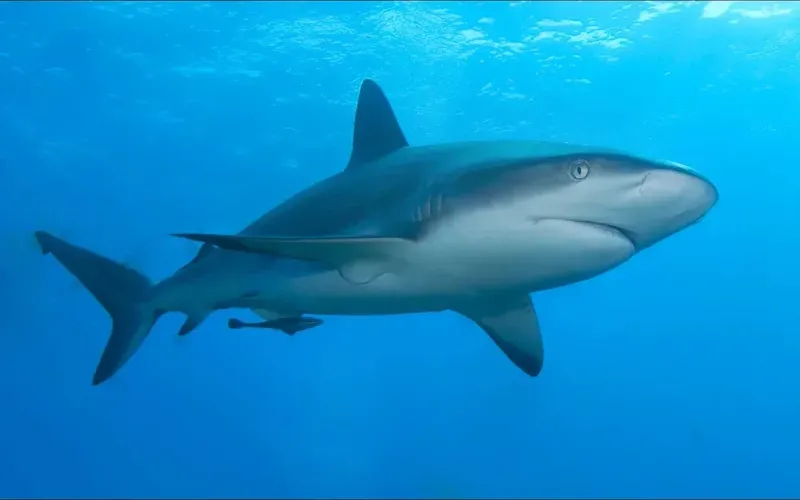
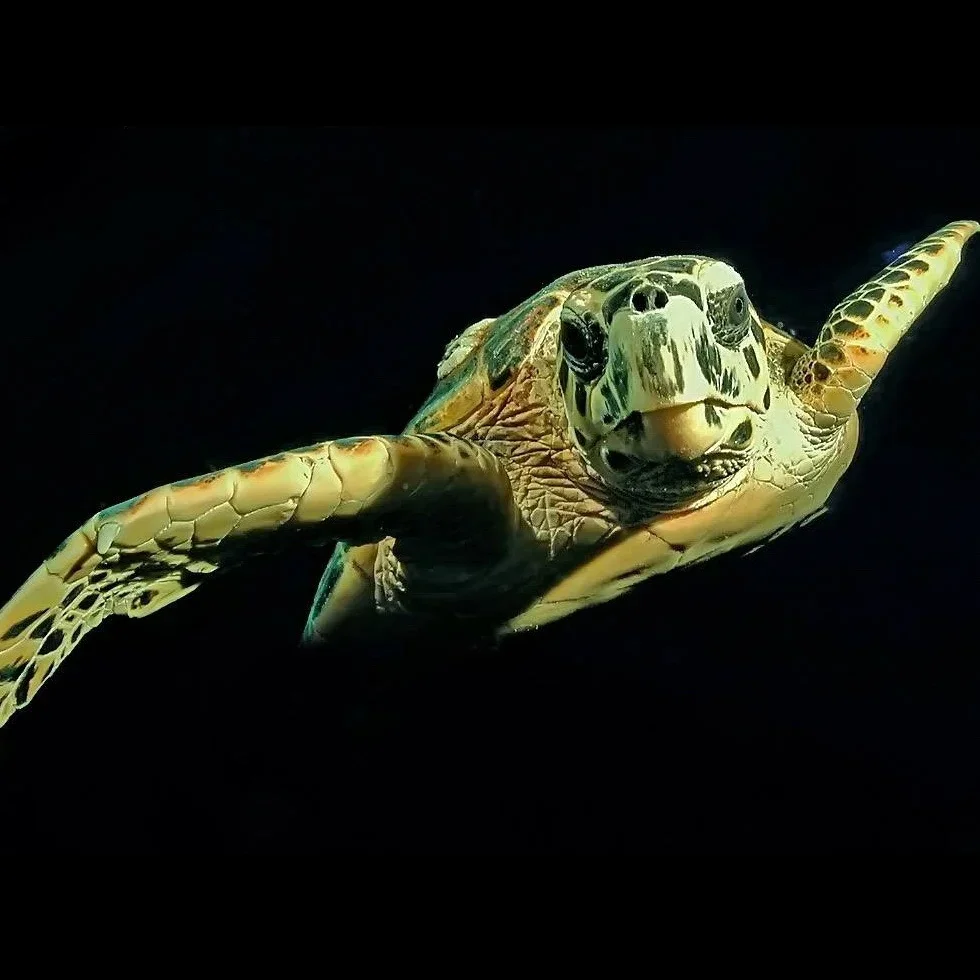
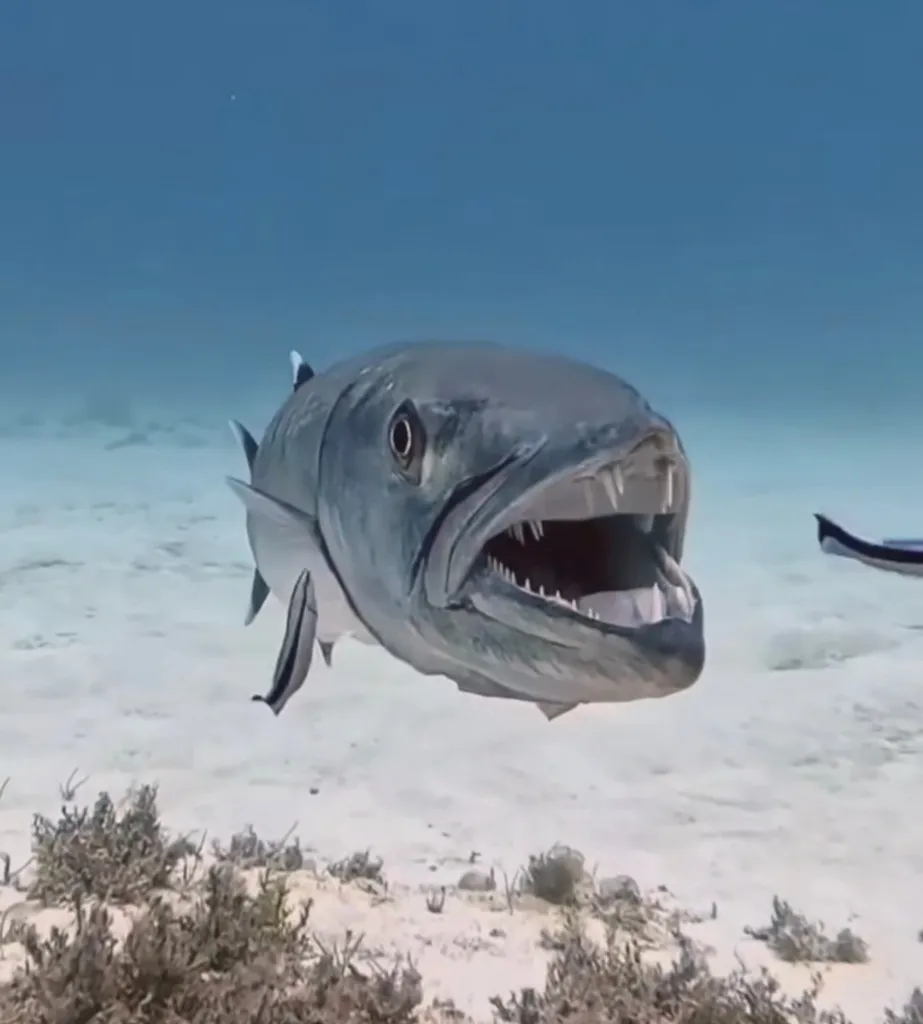
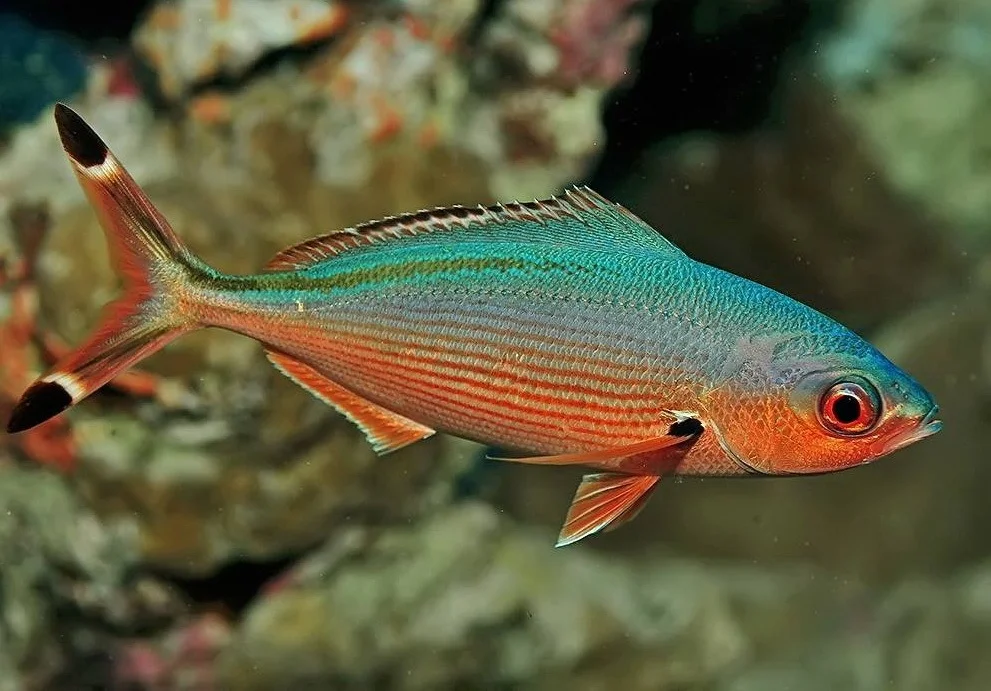
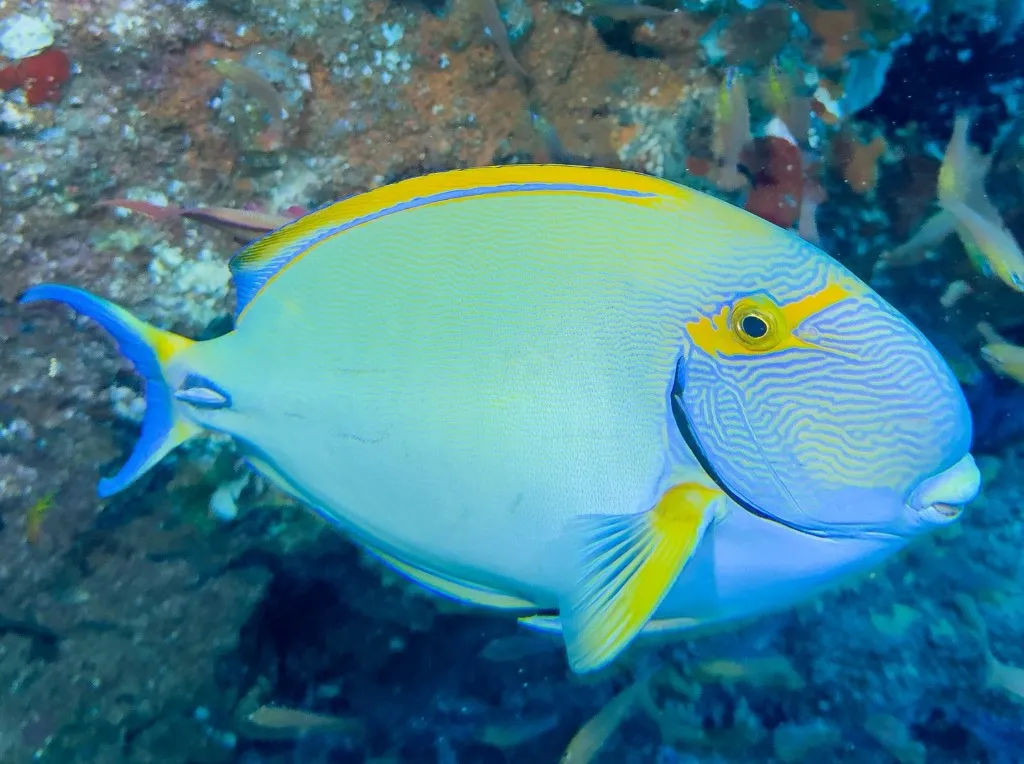
Sightings in the region include large schools of bigeye jack, various fusiliers, and white spotted surgeonfish. While not directly on the wreck, a keen eye might spot a lone barracuda, a hawksbill turtle, or even a timid grey reef shark in the surrounding cobalt blue waters.
Dive Sites Near F4F Corsair
View all dive sites in VanuatuDiscover more underwater gems in this area.
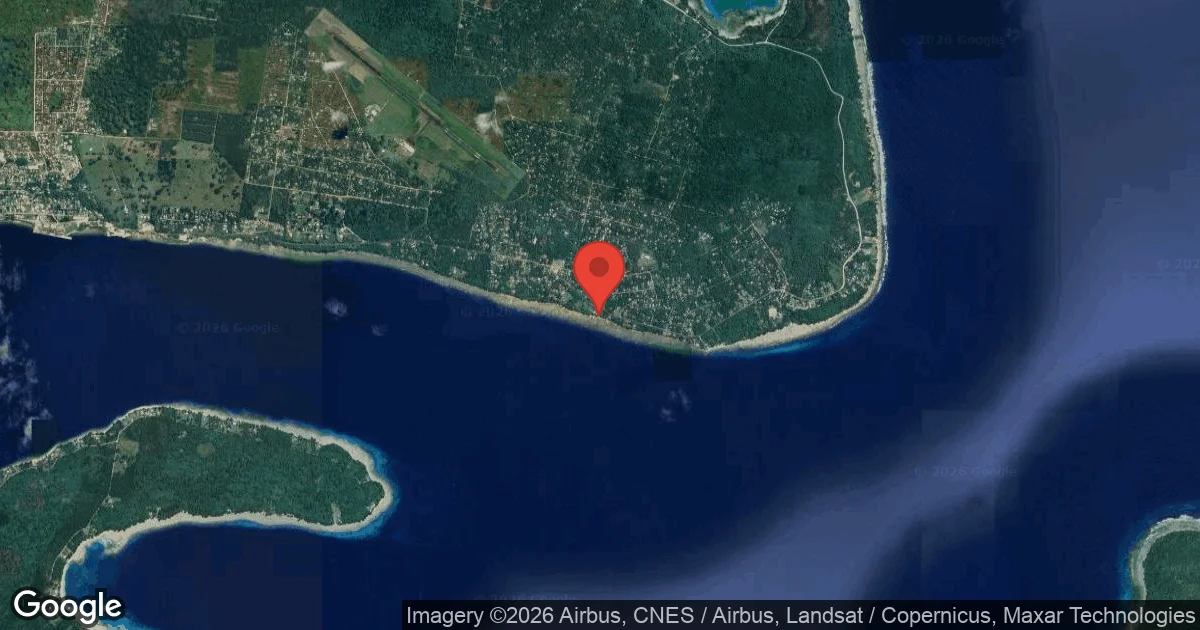
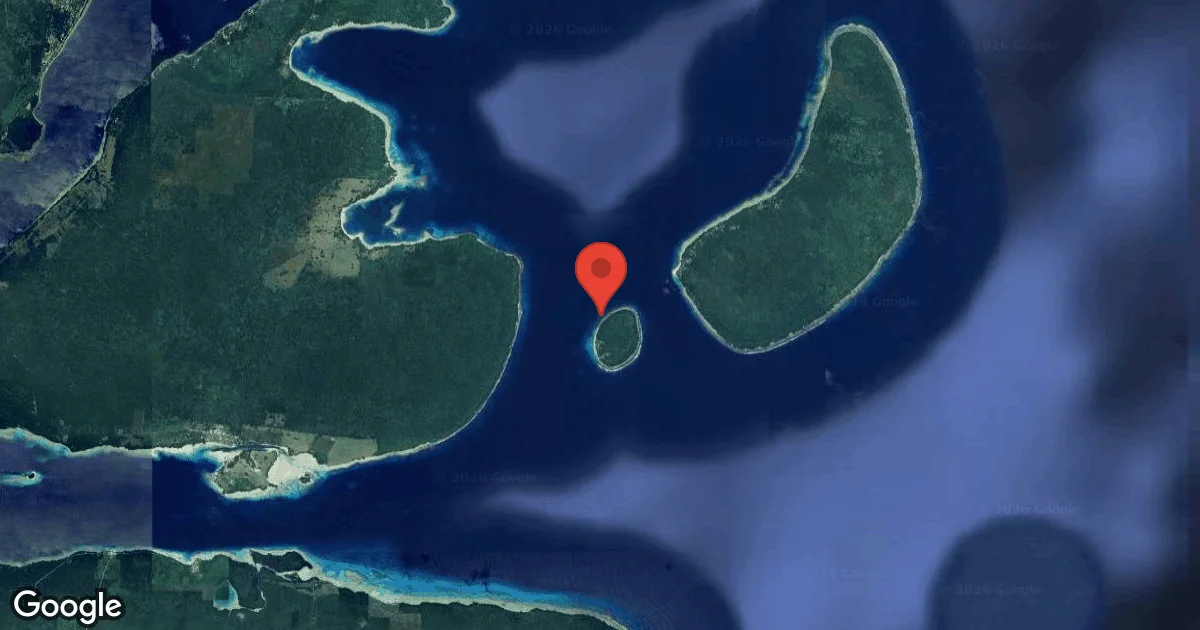
Dive Centers Near F4F Corsair

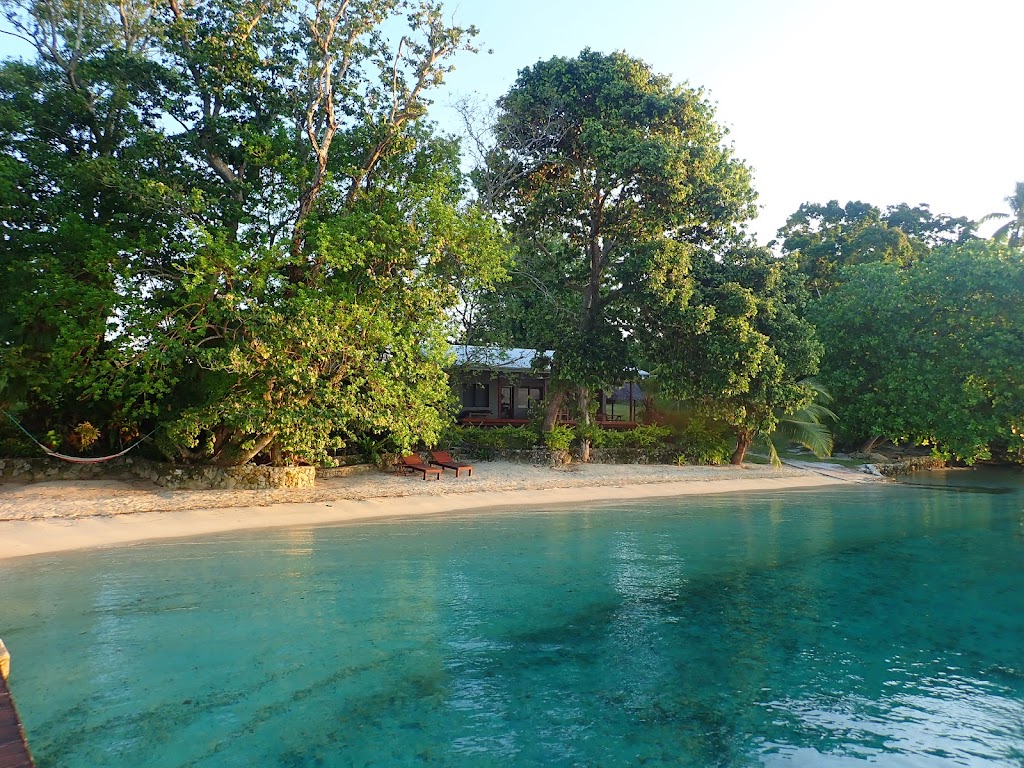
Nearest Airports
Nearest airports to help plan travel to this dive area.
Search Flights
Check available flights and routes on Expedia, using the nearby airports listed in this section.
Search Flights on ExpediaFrequently Asked Questions
What is the maximum depth of the F4F Corsair wreck?
The F4F Corsair wreck rests on a flat sandy bottom, reaching its maximum recreational depth of 30 meters. Divers exploring at this depth should hold an Advanced Open Water or equivalent certification.
What type of aircraft is the F4F Corsair?
It is a Vought F4U-1 Corsair, a high-performance fighter aircraft used by the US Marine Corps during the Pacific War. It was known for its distinct design and effectiveness in combat.
Where is the F4F Corsair wreck located?
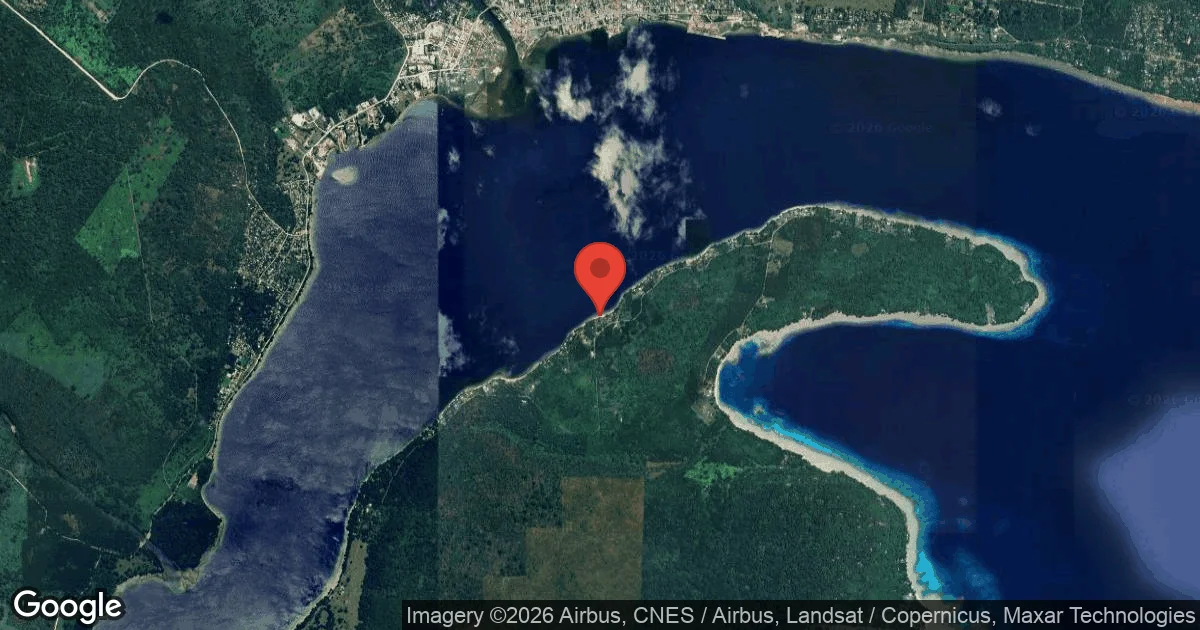
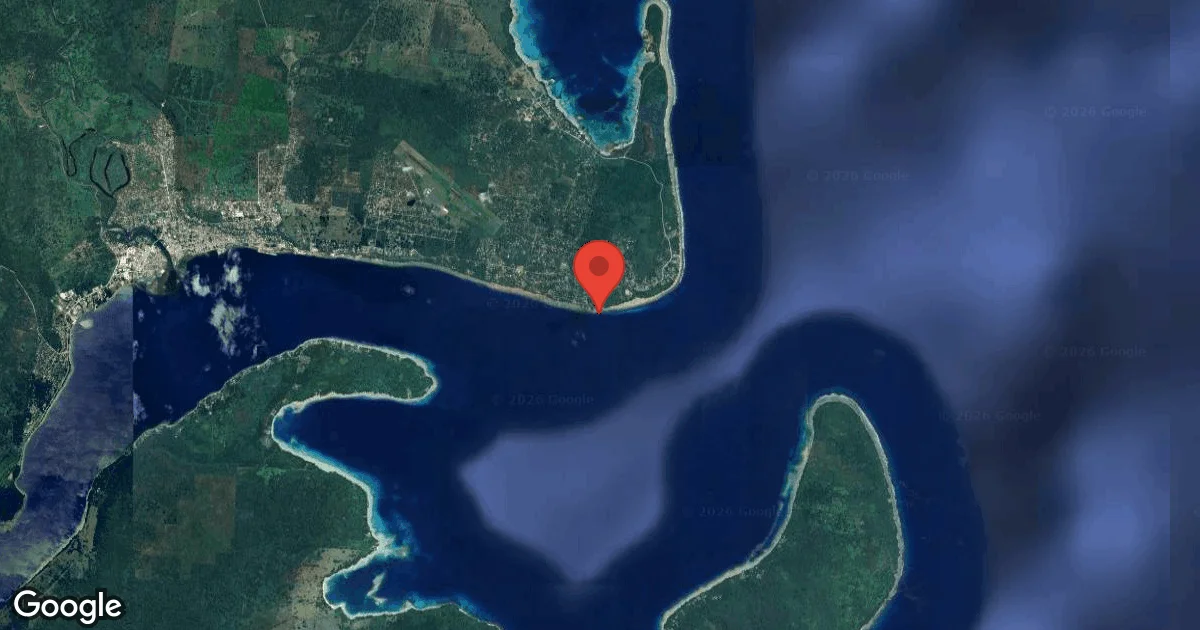
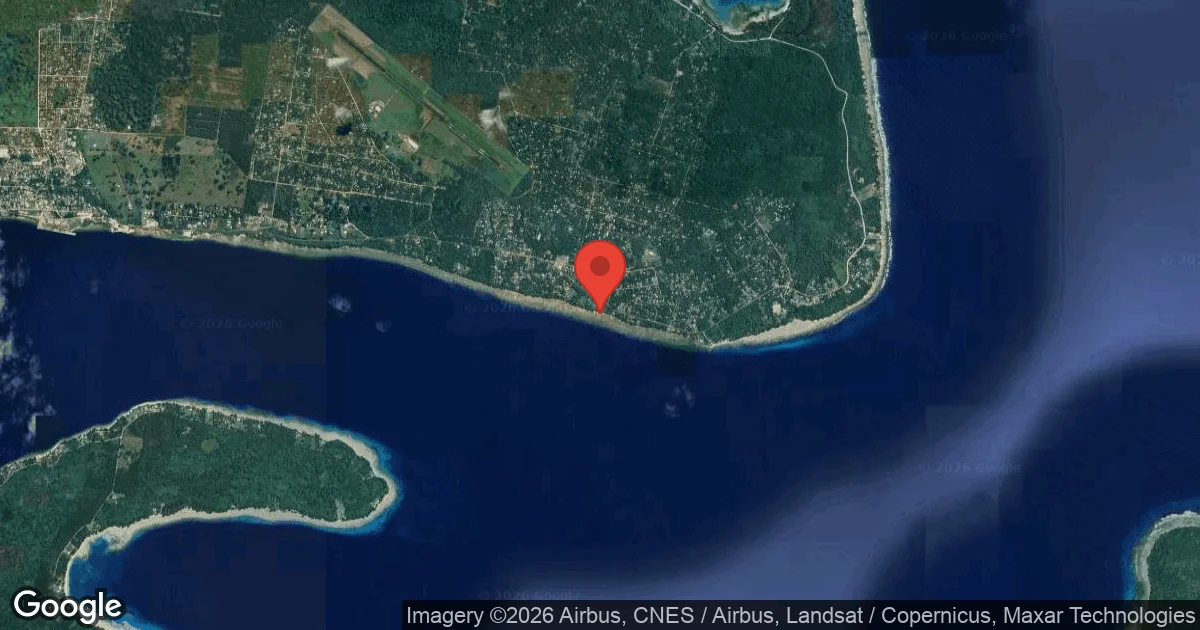
The wreck is located off the coast of Espiritu Santo, Vanuatu, specifically near Turtle Bay. Its exact coordinates are -15.38054, 167.19831.
Is special certification needed to dive this wreck?
Yes, an Advanced Open Water Diver certification or higher is recommended. The site's maximum depth is within recreational limits, but advanced skills ensure comfort and safety for deeper wreck explorations.
Can divers enter the F4F Corsair wreck?
Available information suggests the wreck is well-preserved but does not detail penetration opportunities. Divers are generally encouraged to observe war wrecks from the exterior to preserve historical integrity and ensure safety, as structures can be fragile.
What is the water temperature at the F4F Corsair site?
Specific water temperature for the F4F Corsair wreck is not consistently reported. However, Vanuatu's climate indicates consistently warm air temperatures between 24-27°C (75-81°F) throughout the year, suggesting warm ocean conditions generally.
What kind of marine life can be seen around the wreck?
While the wreck itself attracts some marine life, acting as an artificial reef, the surrounding waters of Espiritu Santo are known for various species. This includes schools of bigeye jack, fusiliers, and occasional sightings of barracudas or even turtles in the broader area.
Planning to dive F4F Corsair?
Send one inquiry and receive offers directly from the best verified local dive operators.
Conditions are Good
Optimal conditions expected
Current conditions near F4F Corsair show 23° air, 26° sea temperature, 1.2 m waves, and 37 km/h wind. Forecast data is refreshed regularly to ensure accuracy.