
Diving at Million Dollar Point (Vanuatu)
Descending into Million Dollar Point quickly reveals an unusual underwater landscape. Piles of artillery and other military hardware, like a sprawling metal playground, become visible as you approach depths around 15 m (50 ft). Wreckage is spread across a vast area, sometimes stacked impressively, forming a unique historical dive. This initial sequence offers immediate interaction with artifacts.
Evening condition tracking at Million Dollar Point features an air temperature of 23°C. We have recorded wave heights measuring 1.1 m during this period. These figures outline the environmental parameters currently present.
Dive Site Location & Key Facts
Dive Site Overview
Million Dollar Point, situated off Espiritu Santo, Vanuatu, presents a remarkable dive into an immense World War II army surplus dump. After the war, the US Army disposed of millions of dollars worth of equipment into the ocean, rather than transport it back or sell it cheaply.
This created an expansive field of tracked and wheeled vehicles, bulldozers, jeeps, and other machinery that divers explore today. The site begins around 15 m (50 ft) and extends down to approximately 40 m (131 ft), with much of the exploration happening between 15 m and 30 m (50 ft and 100 ft). Over time, this artificial reef has been transformed as corals and marine life have colonized the submerged machinery.
It truly offers a blend of historical wreck diving and vibrant reef ecology. Traversing the site, you might find vehicles standing vertically or articulated trailer chassis forming unexpected structures, all now integrated into the marine environment.
Conditions are Good
Optimal conditions expected
Current conditions near Million Dollar Point show 23° air, 26° sea temperature, 1.1 m waves, and 36 km/h wind. Forecast data is refreshed regularly to ensure accuracy.
Best Time to Dive
Planning a dive at Million Dollar Point involves considering the two main seasons. The drier months, generally from May to October, often bring calmer seas and less rainfall, which typically translates to better underwater visibility. During this period, air temperatures average around 24-25.5°C (75-78°F), and rain is notably lower, often below 6 mm (0.2 inches) monthly. Conversely, the wetter season, from November to April, sees increased rainfall, potentially affecting visibility, as the water clarity is linked to recent rain. Air temperatures are slightly warmer then, averaging 25.5-26.5°C (78-80°F). Despite seasonal variations, the channel's tidal flushing generally maintains good water clarity, making diving enjoyable year-round, but conditions are most stable during the drier period.
PEAK SEASON SCORE
Scores combine air & water temps, waves, wind & rainfall for overall conditions.
BEST MONTHS TO DIVE
Monthly records compiled from satellite and marine observation nodes over the last 3 years. Data provided by Open-Meteo and MET Norway.
Dive Experience & Conditions
This site allows for an accessible shore dive directly from Million Dollar Beach. Entering the water involves an easy swim over a sandy slope and dead coral, where some artillery piles are visible even at fin-donning depth. The water clarity is generally good, routinely flushed by clear Pacific water with the tides, though heavy rainfall might temporarily reduce it. Water temperatures are consistently warm, typically ranging from 22-27°C (72-81°F), ideal for extended bottom times. Currents here are usually mild, ranging from negligible to small, allowing divers to easily swim against them, though conditions can vary. This predictability makes it a good follow-up dive after deeper explorations, such as the nearby SS President Coolidge, as much of the interesting material lies within shallower recreational limits.
Dive Difficulty & Safety Guidelines
Diving at Million Dollar Point requires careful attention to the specific hazards associated with extensive wreckage. The site is a veritable scrapyard, meaning sharp, rusty edges and potential entanglement points are present throughout the dive. Divers must maintain good buoyancy control to avoid contact with the deteriorating metal structures.
Given the nature of the stacked and spread-out debris, it's crucial to respect the integrity of the wreckage; do not disturb or remove any artifacts. Penetration into any confined spaces within the larger vehicles is only for appropriately trained and equipped divers.
Always dive within your certification limits and ensure you have sufficient air and bottom time to explore safely.
Recommended Equipment
Deep dive hazard. Increased narcosis and gas consumption risk.
Overhead / entanglement risk. Wreck penetration requires proper training.
- Dive Computer
- DSMB
- Primary & Backup Lights
- Wreck Reel
- Cutting Tool
This gear list is based on verified equipment signals for Million Dollar Point, Vanuatu. Always confirm final gear choices with your dive operator, guide, or liveaboard.
Recommended Dive Suit
Exposure protection is partly a personal preference.
2-3mm shorty or light wetsuit typically provides a reliable level of thermal protection for dives here. Consider warmer surface protection (like a boat coat) due to brisk winds. Surface intervals may feel cooler. Weather models currently point toward consistent diving conditions over the next several days.
Water temperatures across the dive area at Million Dollar Point are presently estimated to be around 26°C (79°F). Surface air temperatures are resting at 23°C (73°F).
Emergency & Medical Support
Essential information to help you plan your dive trip to Million Dollar Point.

Hyperbaric chambers are a critical part of dive safety infrastructure. Availability varies significantly by region, and not all dive areas have immediate access.
Before diving, it's recommended to:
- confirm nearest medical facilities
- check emergency procedures with local dive operators
- ensure dive insurance covers evacuation if required
Divers Alert Network
Diving emergency assistance available through DAN World.
+1-919-684-9111- 24/7 emergency hotline
- Diving medical assistance
- Evacuation coordination
Emergency contacts are provided for reference. Always verify local emergency services before diving.
Marine Life at Million Dollar Point
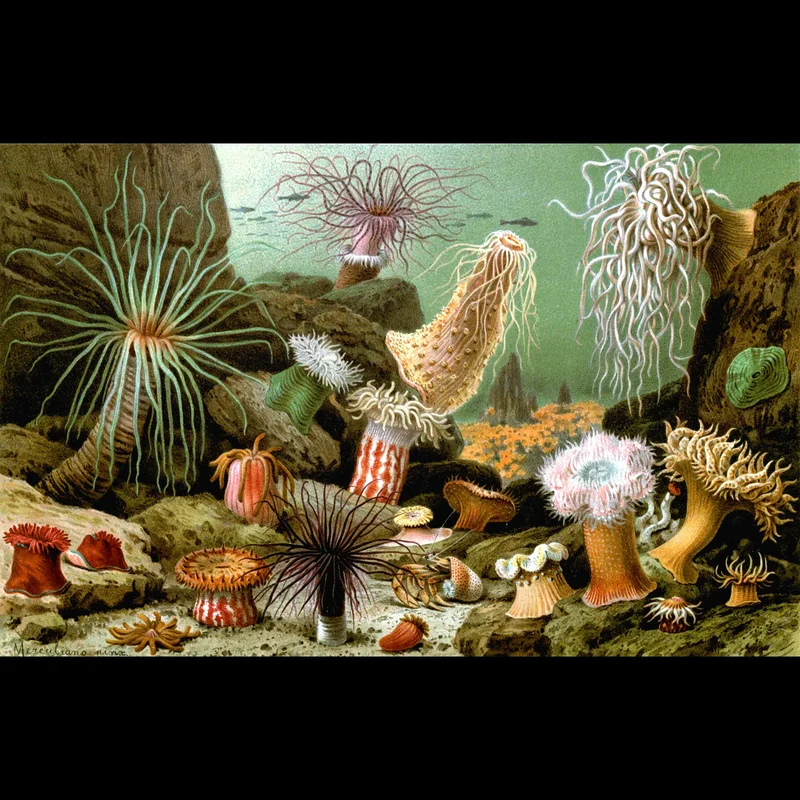
What stands out at Million Dollar Point is how marine life has embraced the discarded war machinery. Corals, including soft corals and anemones, have established themselves on the trucks and equipment, transforming the wreckage into a thriving habitat.
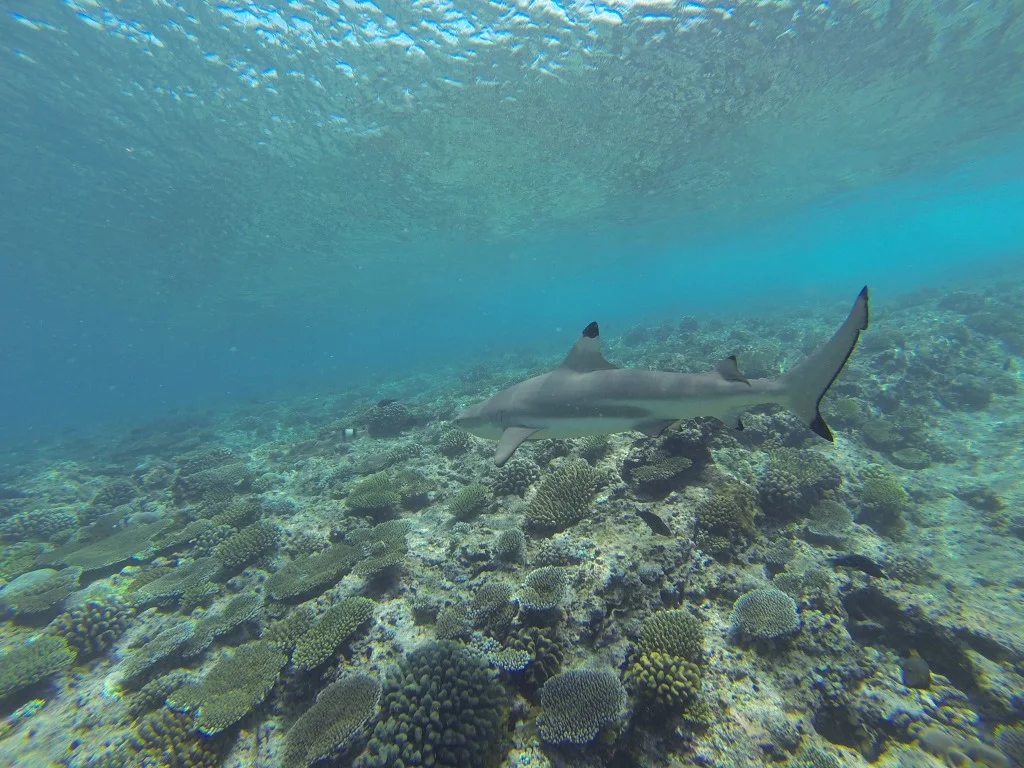
Fish species commonly use the structures for shelter from predators. While sharks and turtles are occasionally spotted in the broader area, you'll more consistently notice smaller reef inhabitants, such as a lizard fish resting on an old metal diner plate.
This site supports a greater diversity of smaller reef life compared to deeper, less sunlight-exposed wrecks.
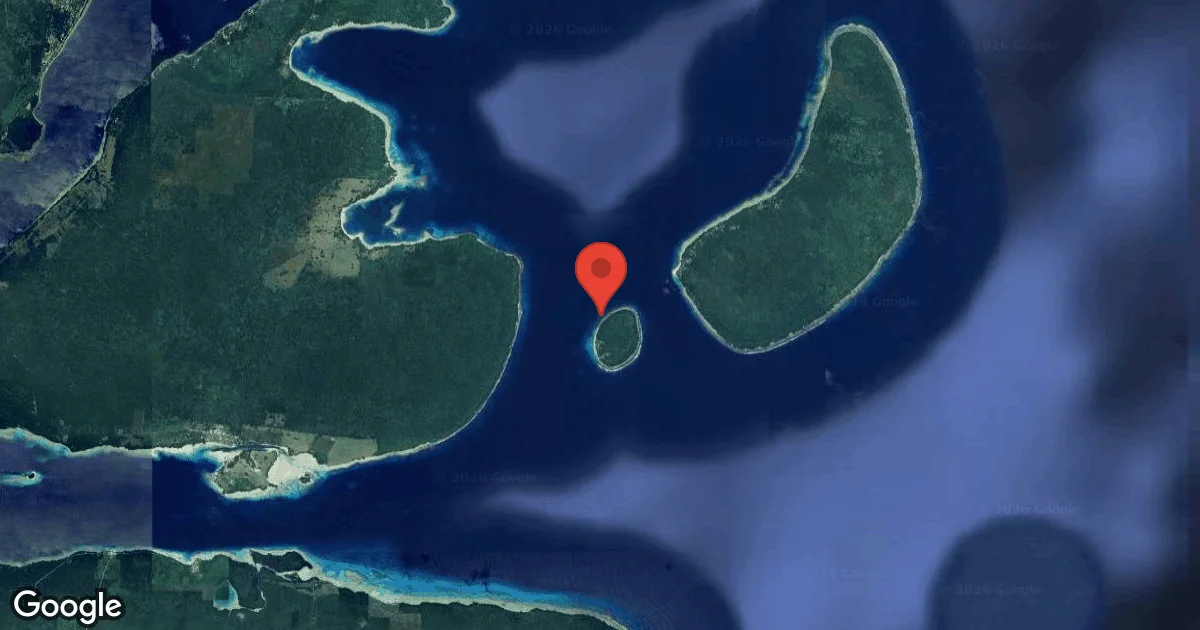
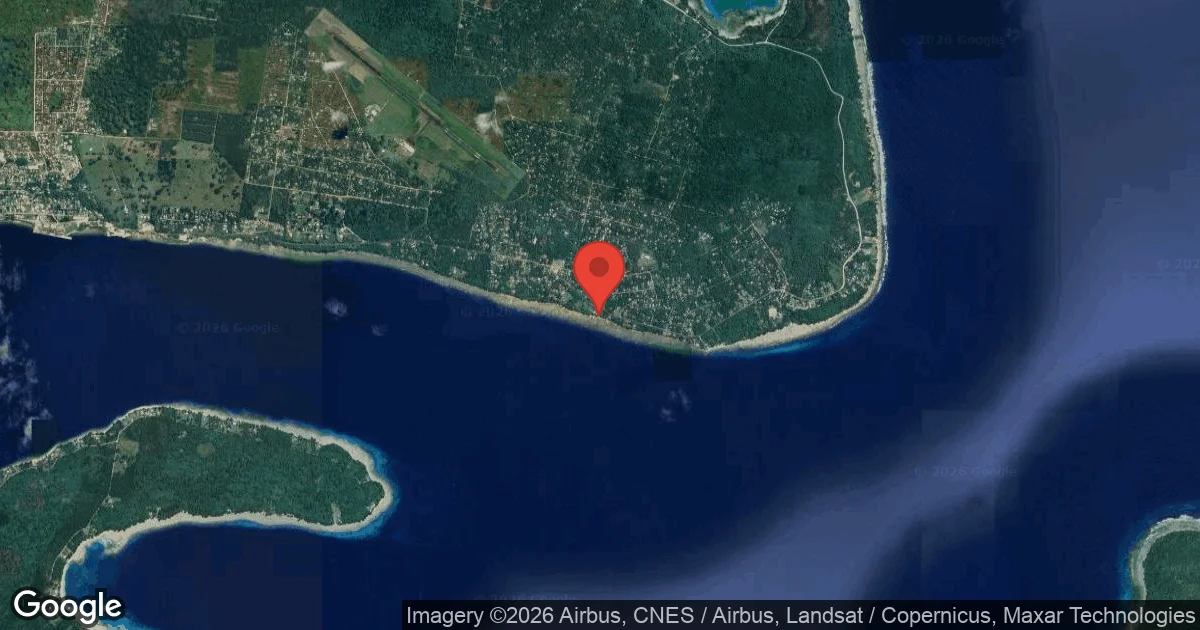
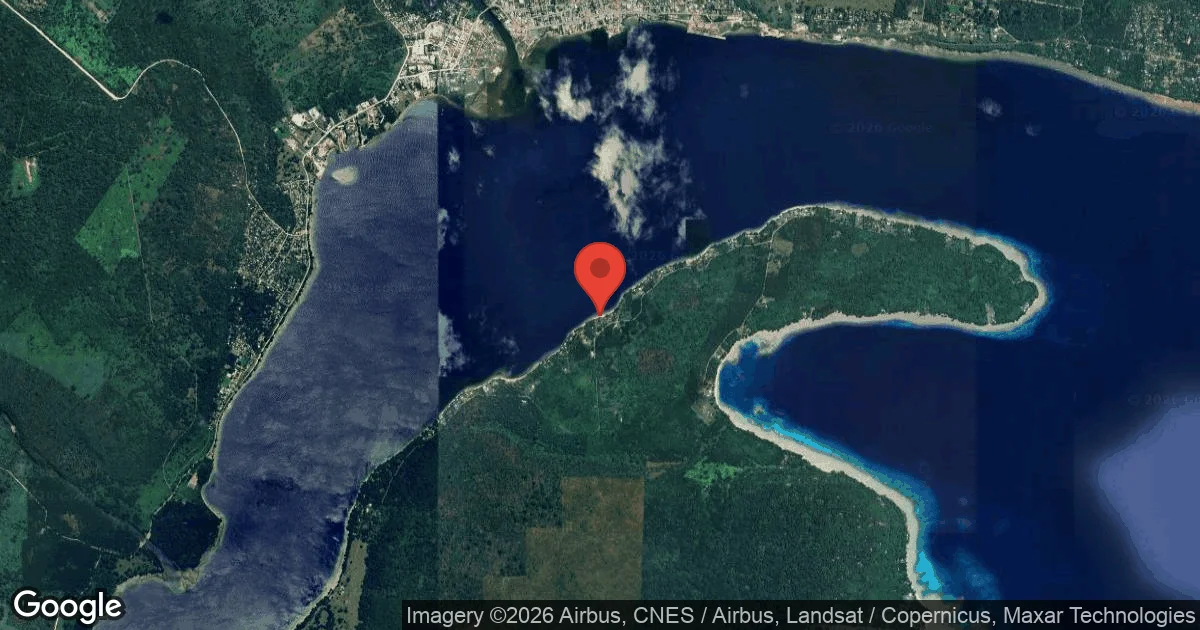
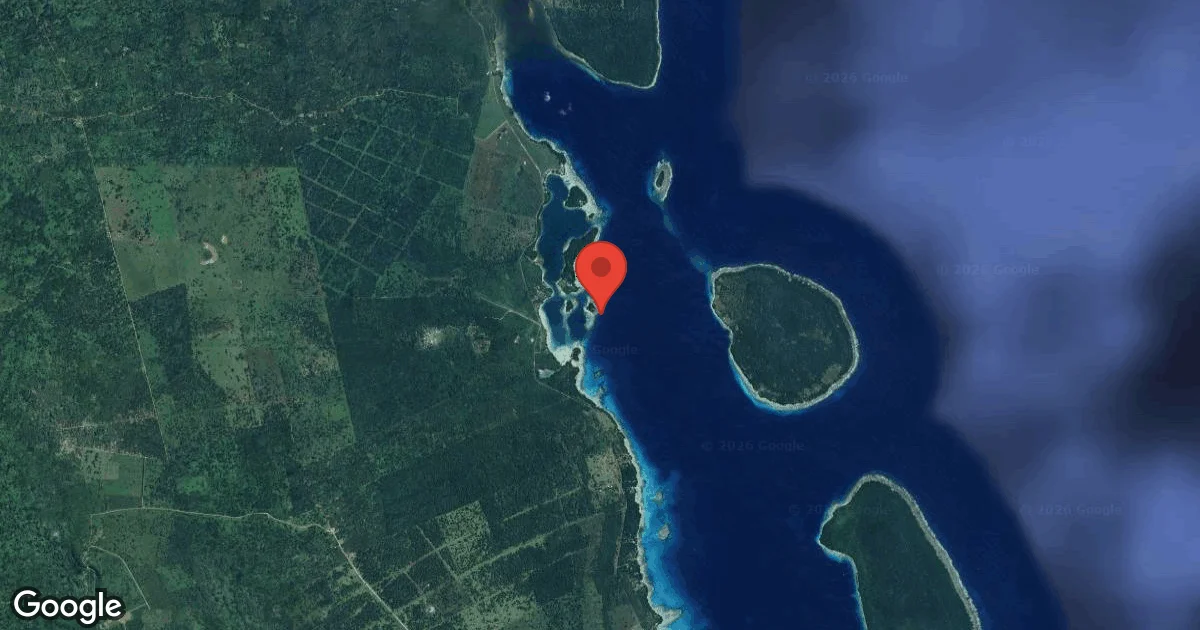
Dive Sites Near Million Dollar Point
View all dive sites in VanuatuDiscover more underwater gems in this area.
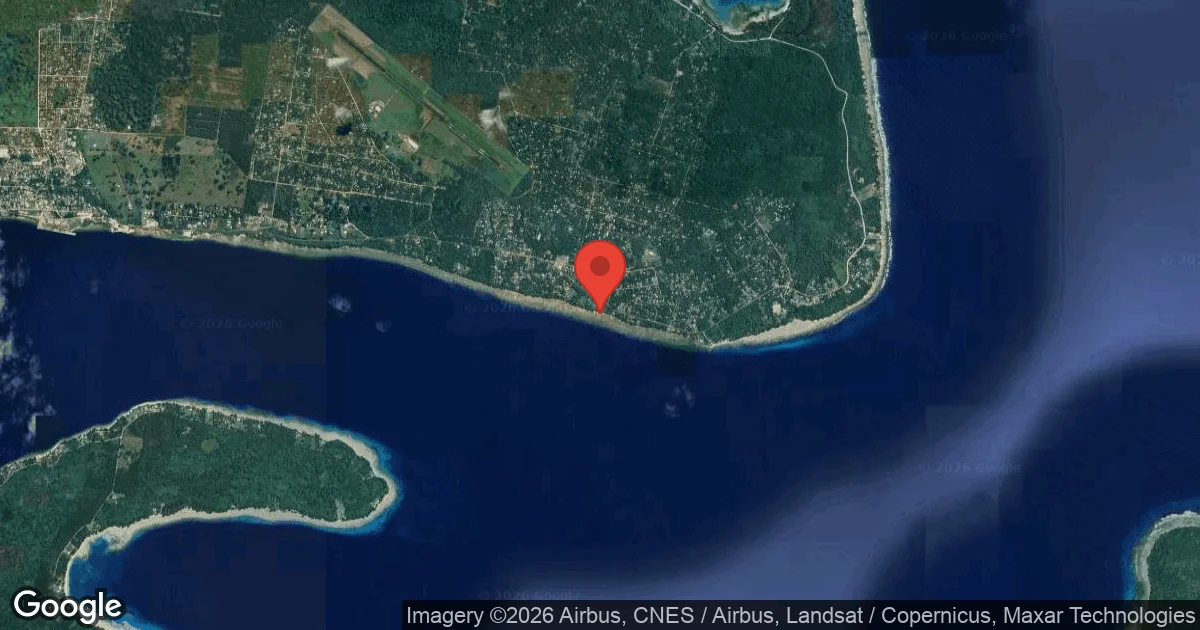
Dive Centers Near Million Dollar Point

Nearest Airports
Nearest airports to help plan travel to this dive area.
Search Flights
Check available flights and routes on Expedia, using the nearby airports listed in this section.
Search Flights on ExpediaFrequently Asked Questions
What is the historical significance of Million Dollar Point?
Million Dollar Point is an underwater dumping ground for surplus US military equipment from World War II. Rather than selling the vehicles and machinery cheaply or transporting them back to the US, the army bulldozed everything into the ocean.
What kind of wreckage can I expect to see at Million Dollar Point?
You'll encounter a vast array of military equipment, including jeeps, bulldozers, trucks, tractors, and other tracked and wheeled vehicles. These items are often piled up or spread out, forming an extensive underwater landscape.
What is the typical depth range for diving this site?
The wreckage at Million Dollar Point starts around 15 m (50 ft) and extends down to approximately 40 m (131 ft). Most of the exploration for recreational divers occurs between 15 m and 30 m (50 ft and 100 ft).
Is Million Dollar Point suitable for beginner divers?
Yes, much of the site is accessible to Open Water certified divers due to its relatively shallow average depth and usually mild currents. However, advanced training is recommended for deeper sections or any potential wreck penetration.
How clear is the water at Million Dollar Point?
The water is generally quite clear, as the tidal channel flushes it with clean Pacific water twice daily. Visibility can be temporarily reduced after heavy rainfall, but it typically recovers quickly.
Can I dive Million Dollar Point from shore?
Yes, Million Dollar Point is readily accessible as a shore dive directly from Million Dollar Beach. This makes entry and exit relatively easy for divers.
Is there a lot of marine life at Million Dollar Point?
Yes, the submerged wreckage has become a vibrant artificial reef. You'll observe corals, anemones, and a variety of fish species using the structures for shelter, often more abundant than at deeper wreck sites due to better light penetration.
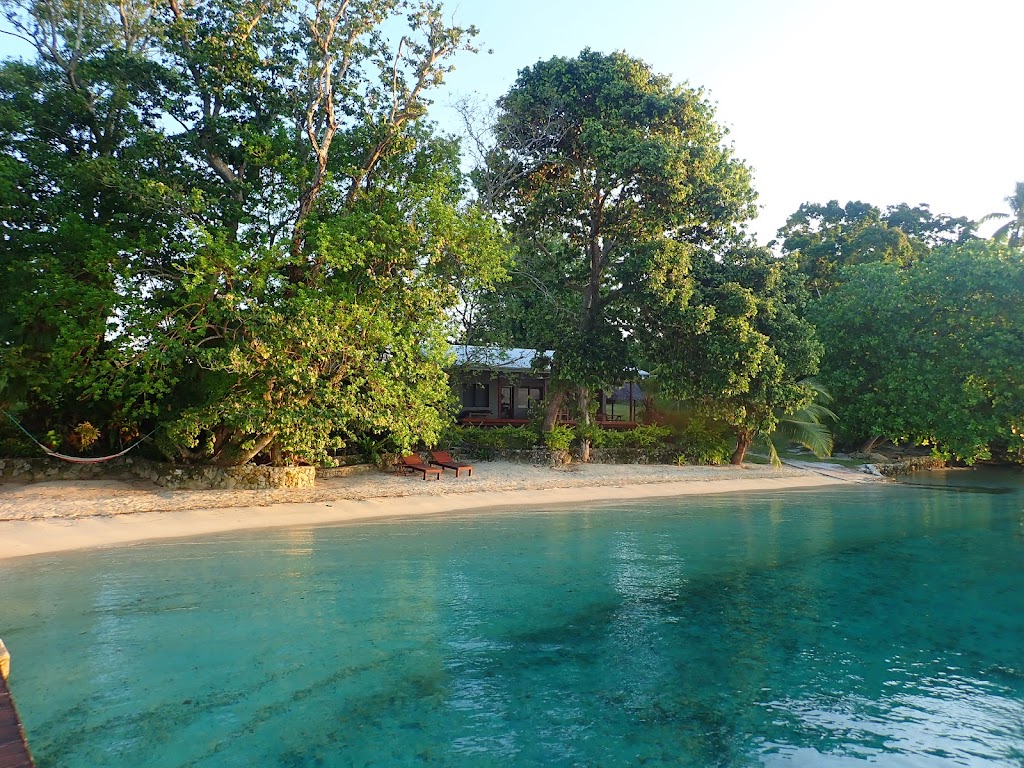
Are dive shops available to rent equipment in Luganville?
While dedicated 'front office' dive shops are uncommon, local dive centers around Luganville do provide equipment rental. It's advisable to confirm rental terms, as some may rent per dive rather than per day, and items like masks or computers might not be included in a full gear set.
Planning to dive Million Dollar Point?
Send one inquiry and receive offers directly from the best verified local dive operators.
Conditions are Good
Optimal conditions expected
Current conditions near Million Dollar Point show 23° air, 26° sea temperature, 1.1 m waves, and 36 km/h wind. Forecast data is refreshed regularly to ensure accuracy.