Loading...

Diving at Arashi Airplane Wreck (Lockheed Lodestar) (Aruba)
Published
Resting on a sunlit white-sand terrace at 10 to 12 m / 33 to 40 ft just north of the SS Antilla off northwestern Aruba, Arashi Airplane Wreck showcases the storm-scattered aluminum remains of a twin-engine Lockheed Model 18 Lodestar. Unlike deeper, intact aircraft wrecks off Oranjestad, hurricane swells have flattened the fuselage and wings into an open, non-penetrable artificial reef bordered by low coral heads documented in the CARMABI and Scripps Aruba Coral Reefs Baseline Study. Sheltered from prevailing easterly trade winds, this gentle boat dive welcomes Open Water divers and photographers looking for schooling snappers, grunts, and foraging sea turtles.
Tonight's objective overview for Arashi Airplane Wreck (Lockheed Lodestar) shows an air temperature of 28.5°C. The measured surface conditions include wave heights around 1.3 m. This environmental data is logged for the close of the day.
Dive Site Location & Key Facts
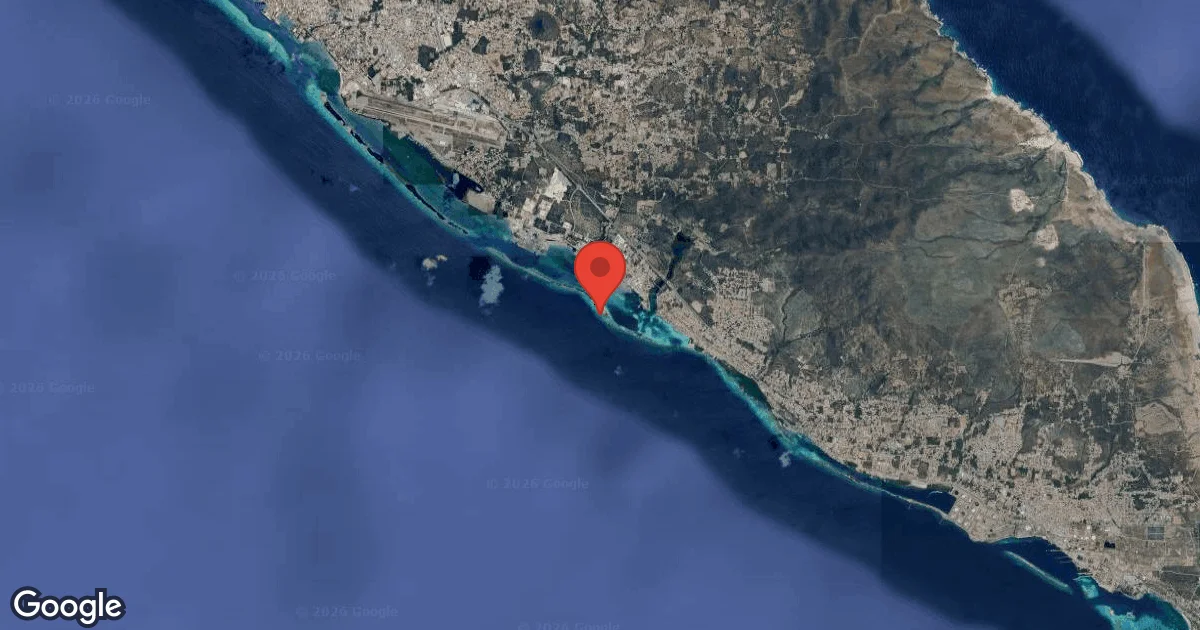
Coordinates12.6095, -70.0575
Estimated Coordinates
Coordinates are estimated from the best available maritime charts and local dive references, as exact GPS pins are not publicly confirmed. Always verify the precise entry or mooring point with a local dive operator.
Site Characteristics
Max Depth12m / 39ft
Entry Typeboat
Water Typesalt
Dive Types
ReefWreck
Dive Site Overview
Set roughly 480 m / 1,575 ft west of Arashi Beach along Aruba's calm northwestern lee shore, this artificial reef is frequently misidentified in older guidebooks as an intact twin-engine Beechcraft. Historical dive records distinguish this northwestern Lockheed Model 18 Lodestar from the Convair 400 and Beechcraft 18 airframes sunk farther south off Renaissance Island near Oranjestad.
Powerful western storm surges—most notably Hurricane Lenny in November 1999—tore the light aluminum fuselage apart, scattering wing sections, cockpit framing, engine mounts, and detached structural ribs across the sandy 10 to 12 m / 33 to 40 ft seabed. With no enclosed cabin roof remaining, divers glide freely above every section without overhead entrapment risk.
Although Arashi Reef waters sit just outside the four coastal marine zones established under Landsbesluit Parke Marino Aruba and managed by the Aruba Conservation Foundation, national environmental statutes enforce strict island-wide coral and wildlife protection. Neighboring low-relief patch reefs transition seamlessly into the debris field, turning a compact wreck inspection into an unhurried 50 to 60-minute reef tour.
Arashi Airplane Wreck (Lockheed Lodestar)
Conditions are Moderate
6/10
Confidence: 8/10
Indicates meteorological model agreement and data availability.
Best Dive Window
Optimal conditions expected
06:12
18:45
H: 10:45
L: 16:20
Air / Sea Temp
29° / 29°
Wave Height
1.5 m
Wind Speed
40 km/h E
Rain Chance
0%
Current conditions near Arashi Airplane Wreck (Lockheed Lodestar) show 29° air, 29° sea temperature, 1.5 m waves, and 40 km/h wind. Forecast data is refreshed regularly to ensure accuracy.
Radius: ~12km
Updated: Nov 23, 2026, 12:03 local timeMARINE: OPEN-METEOWEATHER: YR.NO
Best Time to Dive
Lying on the sheltered western lee of Aruba south of the primary Atlantic hurricane belt, Arashi Airplane Wreck is diveable twelve months a year with sea surface temperatures ranging from 25 to 26°C / 77 to 79°F in February up to 28 to 29°C / 82 to 84°F in September and October as documented in Aruba marine research in JMBA. Consistent easterly trade winds flatten surface chop along the Noord coastline from January through August, maintaining 15 to 25 m / 50 to 82 ft visibility.
Between September and November, distant Caribbean tropical systems can occasionally flip wind directions to the west or southwest, sending rolling surge over the shallow sand plain that briefly trims visibility. Morning departures beat afternoon catamaran traffic heading toward nearby Boca Catalina and the SS Antilla.
PEAK SEASON SCORE
70/100
GoodScores combine air & water temps, waves, wind & rainfall for overall conditions.
BEST MONTHS TO DIVE
SEP
OCT
NOV
DIVE SCORE GUIDE (0–100)
Excellent (90–100)
Very Good (80–89)
Good (70–79)
Moderate (50–69)
Poor (30–49)
Not Recommended (0–29)
Monthly records compiled from satellite and marine observation nodes over the last 3 years. Data provided by Open-Meteo and MET Norway.
Dive Experience & Conditions
Dive boats depart Palm Beach and Noord piers for a short 10 to 15-minute run north, often pairing Arashi Airplane Wreck as a relaxed second dive after the SS Antilla. Descending onto white carbonate sand at 10 to 12 m / 33 to 40 ft immediately reveals twisted aluminum wing spars, fuselage ribs, and cockpit framing dusted with encrusting sponges and algae. As the scattered wreckage forms an open, low-profile footprint, teams circle the aluminum sections slowly before widening their loop across surrounding coral heads and sea fans.
Currents along the sheltered Arashi terrace stay mild at under 0.5 knots, allowing Beginner divers to focus effortlessly on buoyancy and wide-angle framing in bright natural sunlight. Shallow depth extends single-tank bottom times comfortably past 50 minutes without approaching no-decompression limits. Before surfacing, pause at 5 m / 16 ft directly beneath the boat mooring to listen carefully for passing snorkel catamarans and coastal powerboats.
Dive Difficulty & Safety Guidelines
Calm 10 to 12 m / 33 to 40 ft depths make Arashi Airplane Wreck an easy Open Water profile, yet sharp oxidized aluminum edges and jagged torn spars require steady trim so knees, hoses, and hands never brush the debris. Never attempt to squeeze beneath flattened wing plates or reach into dark crevices where moray eels and camouflaged scorpionfish shelter. Under national environmental laws compiled by the Directorate of Nature and Environment Aruba, spearfishing is banned island-wide, harvesting or damaging corals, parrotfish, and sea turtles is illegal, and reef-toxic oxybenzone sunscreens are prohibited.
Watch overhead for heavy recreational boat and sailing traffic cruising between Malmok and California Lighthouse, deploying a surface marker buoy if drifting away from the dive boat. In September 2025, Dr. Horacio E. Oduber Hospital in Oranjestad roughly 10 km / 6 mi south inaugurated a modern 14+2 multiplace hyperbaric oxygen therapy unit. Since its public launch emphasized clinical wound care, confirm 24/7 emergency recompression availability directly with hospital emergency staff upon any incident, with established regional medevac backup 120 km / 75 mi east at Curaçao Medical Center.
Recommended Equipment
Overhead / entanglement risk. Wreck penetration requires proper training.
- Dive Computer
- DSMB
- Primary & Backup Lights
- Wreck Reel
- Cutting Tool
This gear list is based on verified equipment signals for Arashi Airplane Wreck (Lockheed Lodestar), Aruba. Always confirm final gear choices with your dive operator, guide, or liveaboard.
Recommended Dive Suit
With water temperatures around 29°C (84°F), many divers find a 2-3mm shorty or light wetsuit provides comfortable protection.
Local conditions can vary slightly across different parts of the same dive site.
Conditions are expected to stay fairly consistent in the days ahead.
Arashi Airplane Wreck (Lockheed Lodestar) conditions last reviewed: 12:03 local time (UTC-5), Nov 23, 2026
Emergency & Medical Support
Essential information to help you plan your dive trip to Arashi Airplane Wreck (Lockheed Lodestar).

Hyperbaric chambers are a critical part of dive safety infrastructure. Availability varies significantly by region, and not all dive areas have immediate access.
Before diving, it's recommended to:
- confirm nearest medical facilities
- check emergency procedures with local dive operators
- ensure dive insurance covers evacuation if required
24/7 Available
Divers Alert Network
Diving emergency assistance available through DAN World.
+1-919-684-9111- 24/7 emergency hotline
- Diving medical assistance
- Evacuation coordination
Emergency contacts are provided for reference. Always verify local emergency services before diving.
Marine Life at Arashi Airplane Wreck (Lockheed Lodestar)
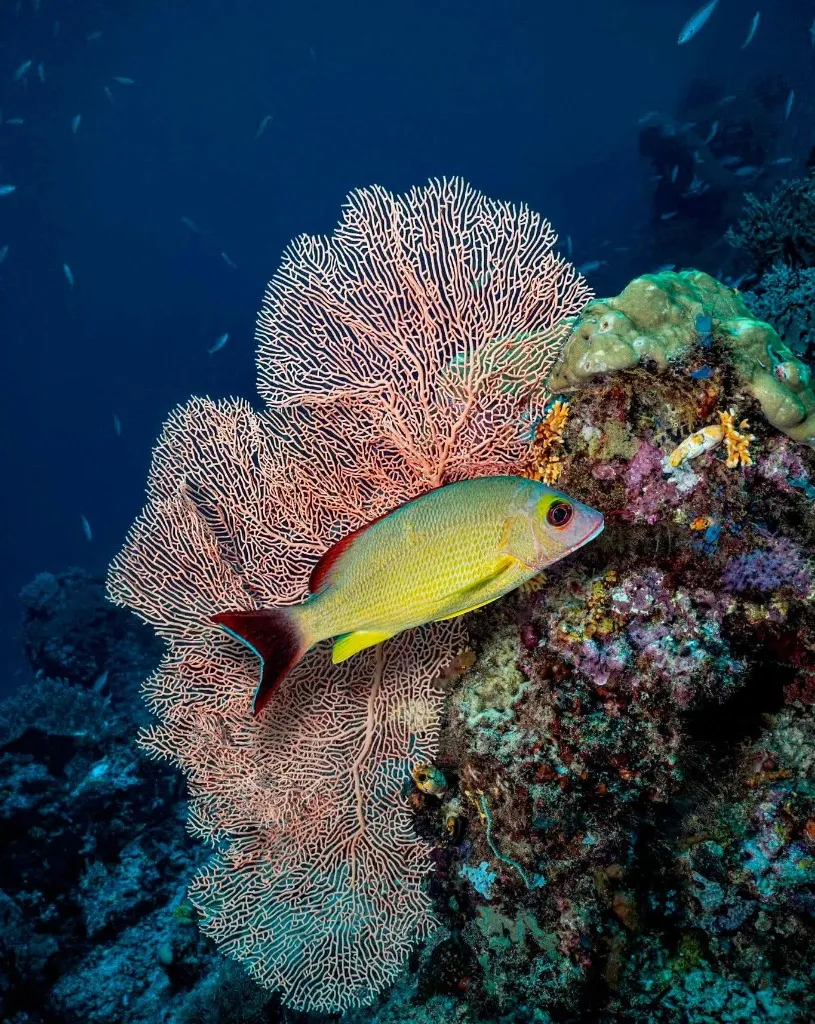
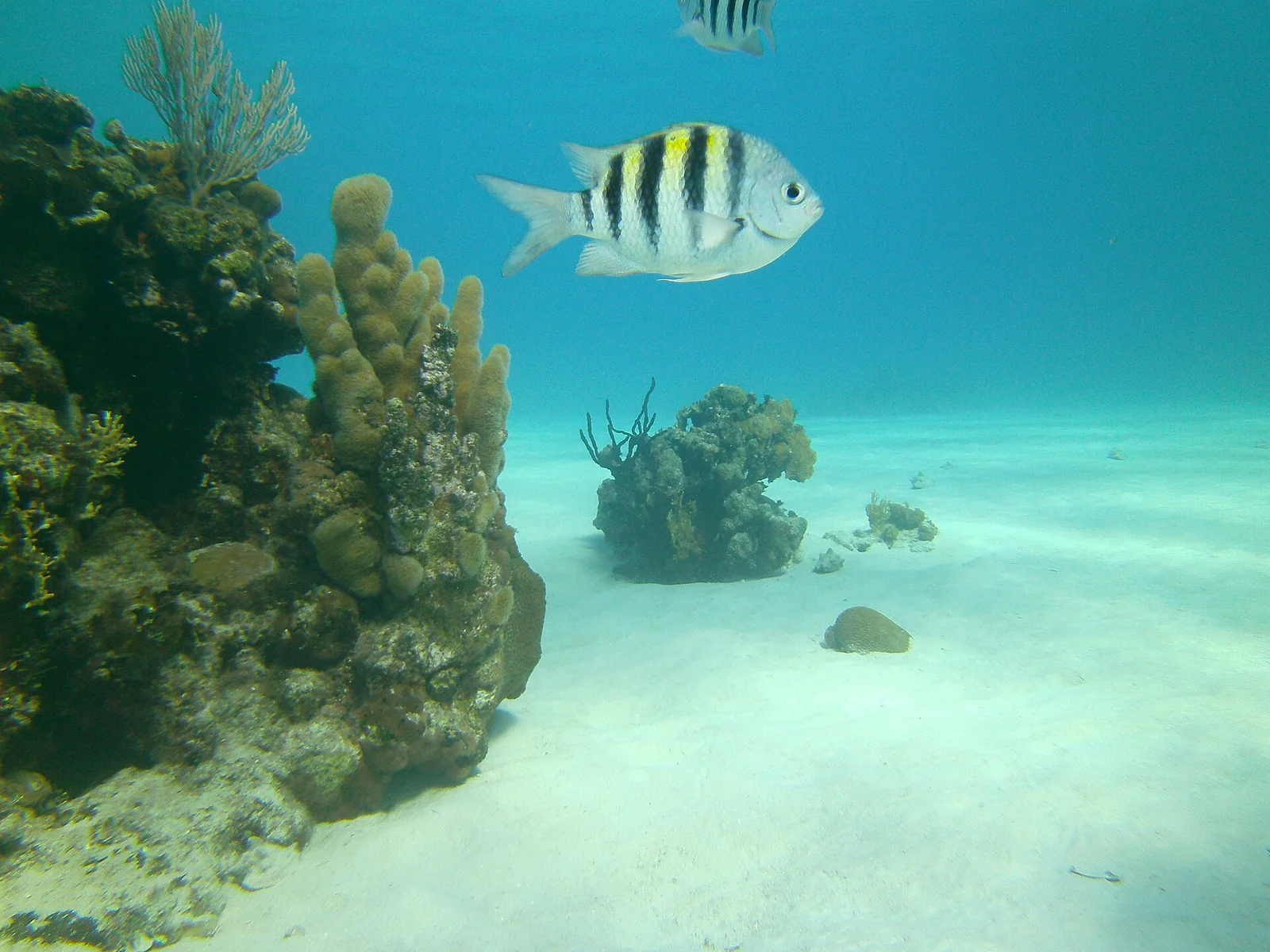
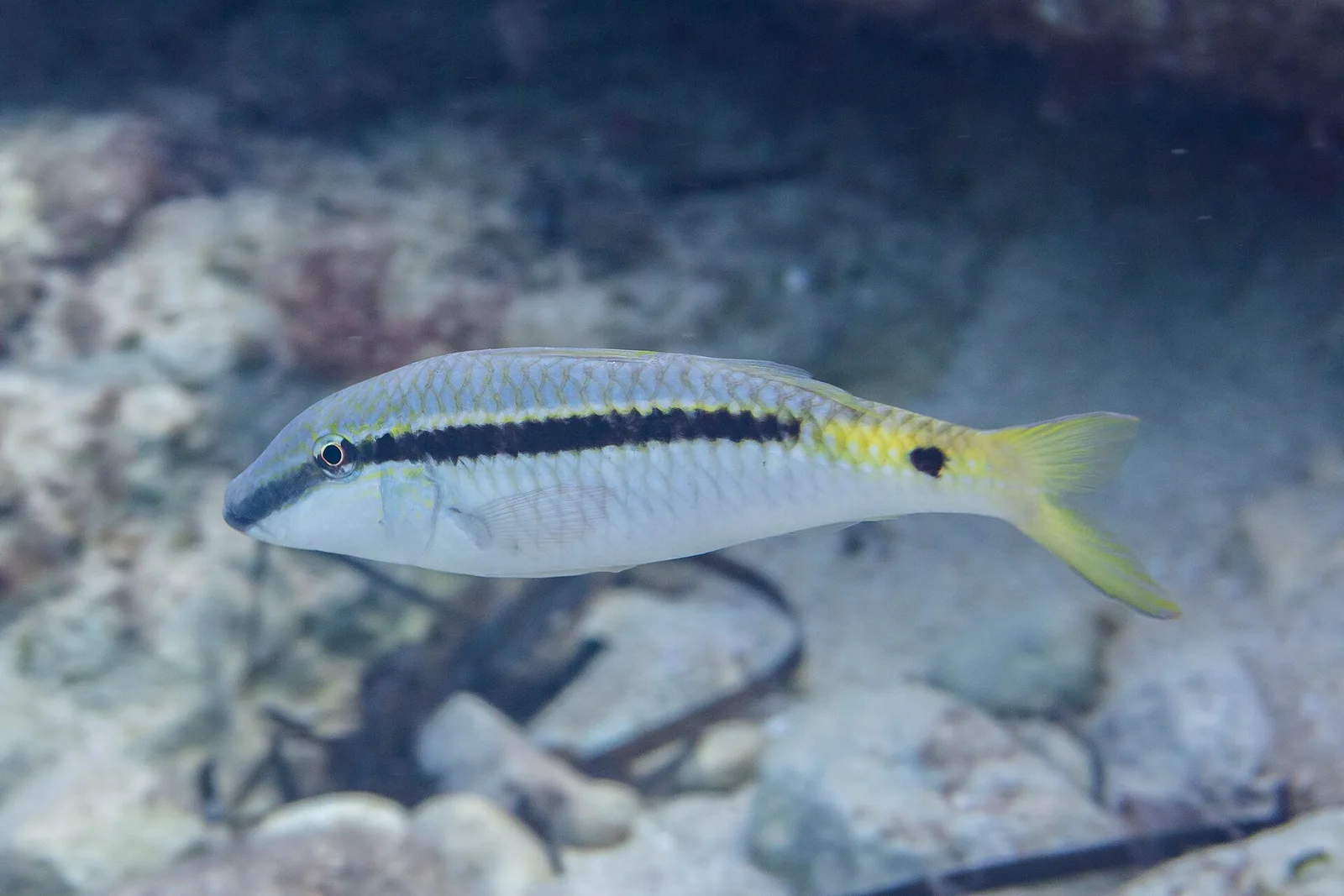
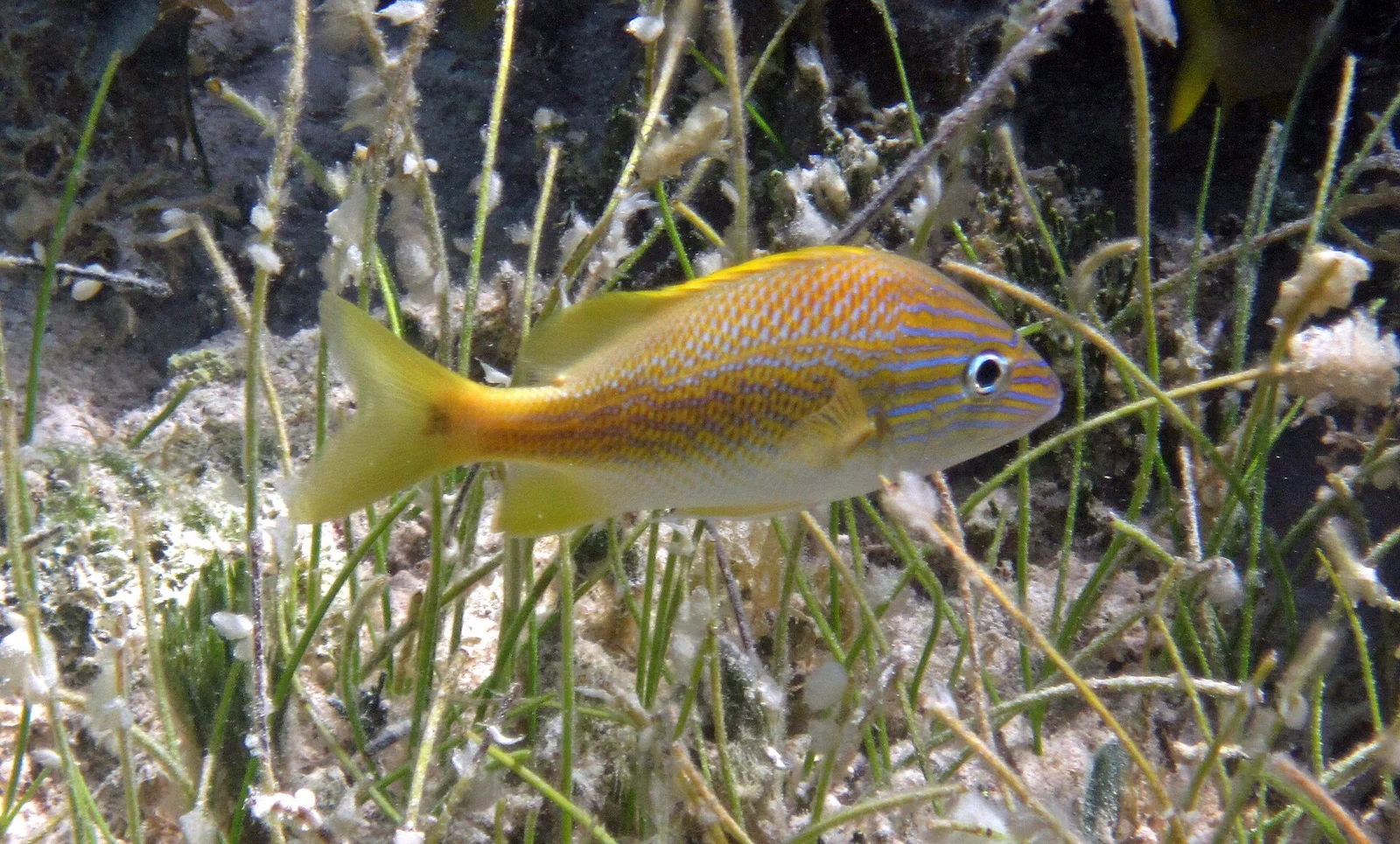
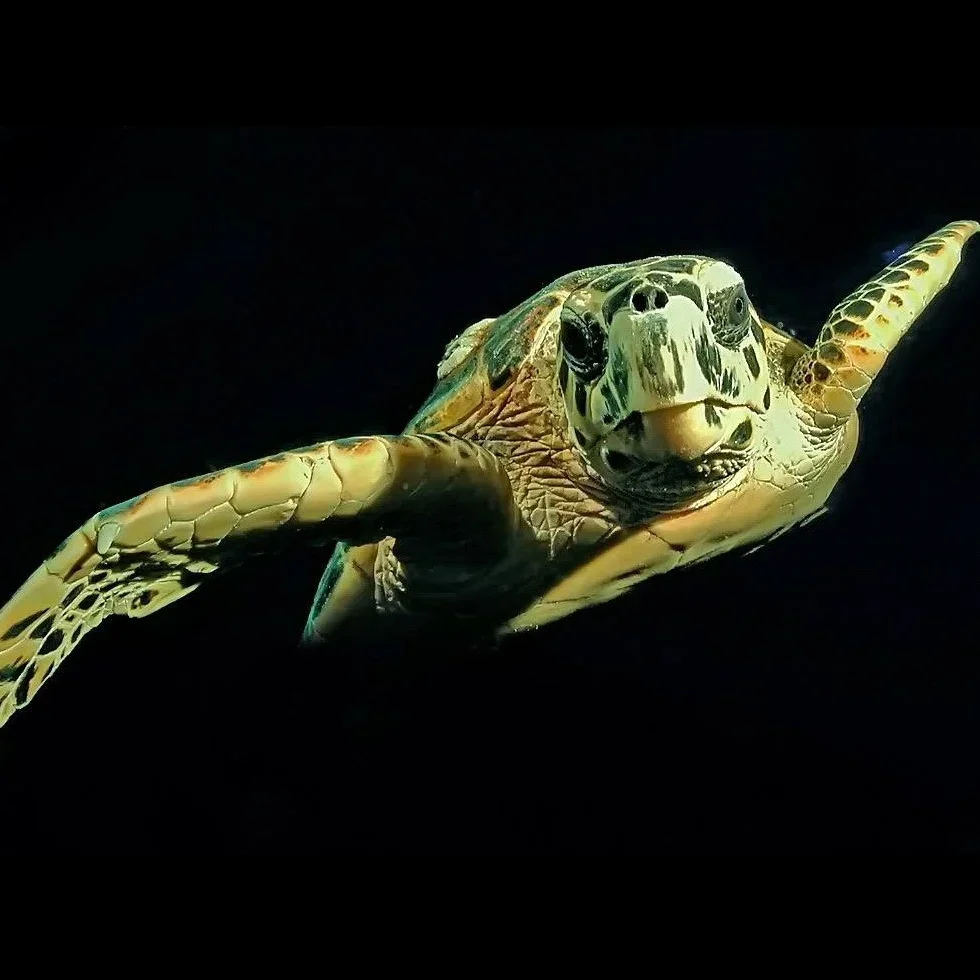
Mixed schools of schoolmaster snappers, French grunts, and sergeant majors pack the shade beneath the broken aluminum wing and fuselage panels alongside spotted goatfish sifting the surrounding sand. Adjacent patch reefs—part of an island fauna totaling 135 frequently recorded reef fish species—host stoplight parrotfish, queen angelfish, butterflyfish, porcupinefish, and spotted moray eels. Juvenile green and hawksbill sea turtles regularly cross the 10 to 12 m / 33 to 40 ft sand corridor between seagrass beds and low coral heads highlighted in Aruba's National Biodiversity Strategy.
1 / 2
Image contributors:XibalbaWikiCommons, Diego Delso + 2 more
Want to contribute photos or local dive knowledge? Learn how to contributeDive Sites Near Arashi Airplane Wreck (Lockheed Lodestar)
View all dive sites in ArubaDiscover more underwater gems in this area.
Dive Centers Near Arashi Airplane Wreck (Lockheed Lodestar)
No Dive Centers Local To Arashi Airplane Wreck (Lockheed Lodestar)
Are you a dive center visiting this location? Get listed to reach divers.
Nearest Airports
Nearest airports to help plan travel to this dive area.
Josefa Camejo International Airport LSP
92 km
José Leonardo Chirinos Airport CZE
138 km
Flamingo International Airport BON
202 km
💵 Currency: AWG
Search Flights
Check available flights and routes on Expedia, using the nearby airports listed in this section.
Search Flights on ExpediaAffiliate link · Dive Navigator may earn a commission at no extra cost to you.
Frequently Asked Questions
Is the Arashi Airplane Wreck still intact enough to swim inside?
No. Hurricane Lenny in 1999 and subsequent storm surges broke the twin-engine Lockheed Lodestar apart into scattered aluminum wing, cockpit, and fuselage sections on the sand. Divers inspect the open debris field from the outside without any overhead penetration.
Is the aircraft at Arashi Reef a Beechcraft or a Lockheed Lodestar?
Although older guidebooks call it a Beechcraft, the northwestern Arashi Reef airframe is a Lockheed Model 18 Lodestar. The separate Beechcraft 18 and Convair aircraft wrecks lie farther south off Renaissance Island near Oranjestad.
Do divers pay a marine park fee to dive Arashi Airplane Wreck?
No separate marine park ticket is charged since Arashi Reef lies outside the four designated Parke Marino Aruba zones. National Aruban laws banning spearfishing, coral contact, and oxybenzone sunscreens still apply strictly.
How deep is the Arashi Airplane Wreck?
The aluminum debris rests on a flat white-sand and patch-reef terrace between 10 and 12 m / 33 and 40 ft. Its shallow profile makes it suitable for newly certified Open Water divers and long second-tank profiles.
Does Aruba have an on-island hyperbaric chamber?
Dr. Horacio E. Oduber Hospital in Oranjestad inaugurated a 14+2 multiplace hyperbaric oxygen therapy unit in September 2025 roughly 10 km / 6 mi south of Arashi. Divers should still carry evacuation insurance in case emergency DCS transfer is routed 120 km / 75 mi east to Curaçao Medical Center.
Trip Inquiry
Planning to dive Arashi Airplane Wreck (Lockheed Lodestar)?
Tell us your dates and diving needs. We'll review your request and seek offers from relevant local dive centers.
Request Dive Offers Free request for offers • No booking obligation
Arashi Airplane Wreck (Lockheed Lodestar)
Conditions are Moderate
6/10
Confidence: 8/10
Indicates meteorological model agreement and data availability.
Best Dive Window
Optimal conditions expected
06:12
18:45
H: 10:45
L: 16:20
Air / Sea Temp
29° / 29°
Wave Height
1.5 m
Wind Speed
40 km/h E
Rain Chance
0%
Current conditions near Arashi Airplane Wreck (Lockheed Lodestar) show 29° air, 29° sea temperature, 1.5 m waves, and 40 km/h wind. Forecast data is refreshed regularly to ensure accuracy.
Radius: ~12km
Updated: Nov 23, 2026, 12:03 local timeMARINE: OPEN-METEOWEATHER: YR.NO


