Loading...

Diving at Sonesta Airplane Wreck (Convair 240) (Aruba)
Published
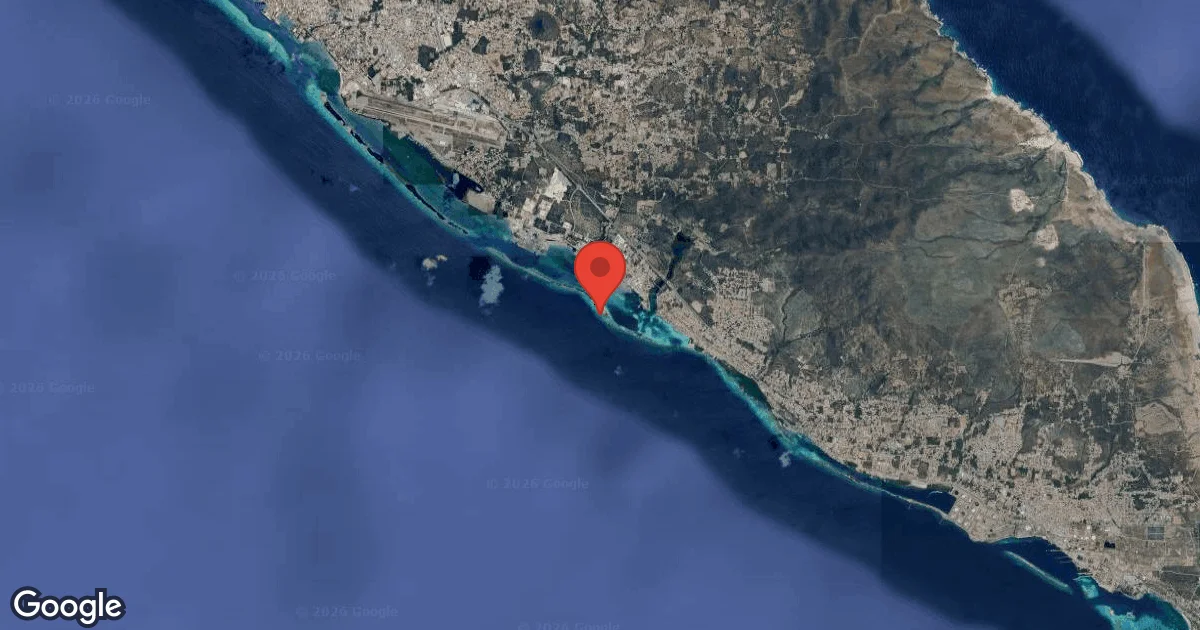
Resting on a sloping white-sand reef shelf southwest of Renaissance Island off Oranjestad, the Sonesta Airplane Wreck offers an atmospheric aviation dive along Aruba's sheltered leeward coast. Although older guidebooks list a Convair 400—a model Convair never produced—maritime artificial-reef records on Wrecksite.eu identify this twin-engine transport as a Convair 240, distinct from the Lockheed Lodestar resting off northwest Aruba's Arashi Reef. Fractured by Hurricane Lenny in November 1999, her scattered cockpit and fuselage now span 15–27 m / 49–89 ft alongside a companion NAMC YS-11 airliner.
Tonight's objective overview for Sonesta Airplane Wreck (Convair 240) shows an air temperature of 29°C. The measured surface conditions include wave heights around 1.4 m. This environmental data is logged for the close of the day.
Dive Site Location & Key Facts
Coordinates12.4975, -70.0305
Estimated Coordinates
Coordinates are estimated from the best available maritime charts and local dive references, as exact GPS pins are not publicly confirmed. Always verify the precise entry or mooring point with a local dive operator.
Site Characteristics
Max Depth27m / 89ft
Entry Typeboat
Water Typesalt
Dive Types
ReefWreck
Dive Site Overview
Intentionally stripped and scuttled off former Sonesta Island (now Renaissance Island) as an artificial reef, the Convair 240 originally sat intact in shallower 15–20 m / 49–66 ft water. In November 1999, reverse southwest swells generated by Hurricane Lenny snapped the aluminum fuselage into pieces and pushed broken hull sections deeper down the reef slope to roughly 24–27 m / 79–89 ft. In 2004, a second airliner—a former Air Aruba NAMC YS-11 turboprop—was sunk nearby, creating the broader Renaissance Airplanes site that spans 15–27 m / 49–89 ft.
Located directly off Bucuti Rif and Renaissance Island, the dive site sits inside or bordering the Oranjestad Reef Islands sector of Aruba's 6,020-hectare marine park system established on 21 December 2018 under Landsbesluit Parke Marino Aruba AB 2018 no. 77. No individual diver permit is charged, though anchoring on coral and disturbing benthic habitat are strictly prohibited.
Island-wide statutory enforcement documented by the Directorate of Nature and Environment DNM Aruba applies on every dive: AB 2001 no. 115 outlaws spearfishing gear, AB 2017 no. 48 protects all native corals, turtles, rays, and sharks, and AB 2019 no. 67 bans single-use plastics and oxybenzone sunscreens nationwide.
Sonesta Airplane Wreck (Convair 240)
Conditions are Moderate
6/10
Confidence: 8/10
Indicates meteorological model agreement and data availability.
Best Dive Window
Optimal conditions expected
06:12
18:45
H: 10:45
L: 16:20
Air / Sea Temp
29° / 29°
Wave Height
1.5 m
Wind Speed
39 km/h E
Rain Chance
0%
Current conditions near Sonesta Airplane Wreck (Convair 240) show 29° air, 29° sea temperature, 1.5 m waves, and 39 km/h wind. Forecast data is refreshed regularly to ensure accuracy.
Radius: ~12km
Updated: Nov 23, 2026, 09:45 local timeMARINE: OPEN-METEOWEATHER: YR.NO
Best Time to Dive
Climate data from Departamento Meteorologico Aruba confirm persistent easterly trade winds roughly 84 percent of the year, keeping Aruba's leeward southwest coast off Oranjestad calm with 0.3–1 m / 1–3 ft seas and 20–25 m / 66–82 ft visibility. The dry season from February through June provides the sunniest skies and most consistent morning glass-off conditions.
Positioned on the southern fringe of the Atlantic hurricane belt, Aruba rarely suffers direct storms, though passing Caribbean systems between September and November can trigger brief reverse southwest swells that cloud the 24–27 m / 79–89 ft sand floor. Water temperatures remain comfortably warm at 26–29°C / 79–84°F across every month.
PEAK SEASON SCORE
70/100
GoodScores combine air & water temps, waves, wind & rainfall for overall conditions.
BEST MONTHS TO DIVE
SEP
OCT
NOV
DIVE SCORE GUIDE (0–100)
Excellent (90–100)
Very Good (80–89)
Good (70–79)
Moderate (50–69)
Poor (30–49)
Not Recommended (0–29)
Monthly records compiled from satellite and marine observation nodes over the last 3 years. Data provided by Open-Meteo and MET Norway.
Dive Experience & Conditions
Dive boats depart Oranjestad marinas for a short run past Renaissance Island and moor near the 15 m / 49 ft coral lip overlooking the sandy drop-off. Divers descend past healthy star and brain coral heads to reach the broken cockpit, wing spars, and fuselage fragments of the Convair 240 scattered between 20 m / 66 ft and 27 m / 89 ft, often pairing the profile with the nearby intact YS-11 airframe. Mild leeward currents make multi-level navigation effortless, allowing divers to work deep first before ascending gradually along the vibrant upper reef.
Fine carbonate sand around the deeper Convair fragments stirs readily under careless fin kicks, so horizontal trim preserves crisp photography. Disinfecting and fully drying dive gear between islands helps prevent the spread of Stony Coral Tissue Loss Disease across Aruba's southwestern reefs.
Dive Difficulty & Safety Guidelines
Avoid penetrating the fractured Convair 240 fuselage pieces, as jagged sheared aluminum edges and storm-shifted framing pose entanglement and laceration hazards; limit swim-throughs to wide, unobstructed openings on the intact companion YS-11 only when guided. Watch no-decompression times carefully when exploring the deeper 24–27 m / 79–89 ft Convair debris, and deploy a surface marker buoy away from mooring lines near Oranjestad's busy harbor approaches.
On 10 September 2025, Dr. Horacio E. Oduber Hospital in Oranjestad opened a new Wound Care and Hyperbaric Oxygen Therapy (HBOT) unit minutes from the dive site; confirm 24-hour emergency diving recompression coverage with HOH Emergency prior to diving, with established 24/7 multiplace emergency backup 120 km / 75 mi east at the Curaçao Medical Center Decompression Chamber. Rinse and dry dive gear completely between islands to help halt coral disease transmission.
Recommended Equipment
Overhead / entanglement risk. Wreck penetration requires proper training.
- Dive Computer
- DSMB
- Primary & Backup Lights
- Wreck Reel
- Cutting Tool
This gear list is based on verified equipment signals for Sonesta Airplane Wreck (Convair 240), Aruba. Always confirm final gear choices with your dive operator, guide, or liveaboard.
Recommended Dive Suit
For dives of average duration, 2-3mm shorty or light wetsuit usually provides sufficient protection from heat loss. Consider warmer surface protection (like a boat coat) due to brisk winds.
Current readings at Sonesta Airplane Wreck (Convair 240) show water temperatures near 29°C (83°F). Surface air temperatures are resting at 29°C (84°F).
Conditions are expected to stay fairly consistent in the days ahead.
Sonesta Airplane Wreck (Convair 240) conditions last reviewed: 09:45 local time (UTC-5), Nov 23, 2026
Emergency & Medical Support
Essential information to help you plan your dive trip to Sonesta Airplane Wreck (Convair 240).

Hyperbaric chambers are a critical part of dive safety infrastructure. Availability varies significantly by region, and not all dive areas have immediate access.
Before diving, it's recommended to:
- confirm nearest medical facilities
- check emergency procedures with local dive operators
- ensure dive insurance covers evacuation if required
24/7 Available
Divers Alert Network
Diving emergency assistance available through DAN World.
+1-919-684-9111- 24/7 emergency hotline
- Diving medical assistance
- Evacuation coordination
Emergency contacts are provided for reference. Always verify local emergency services before diving.
Marine Life at Sonesta Airplane Wreck (Convair 240)
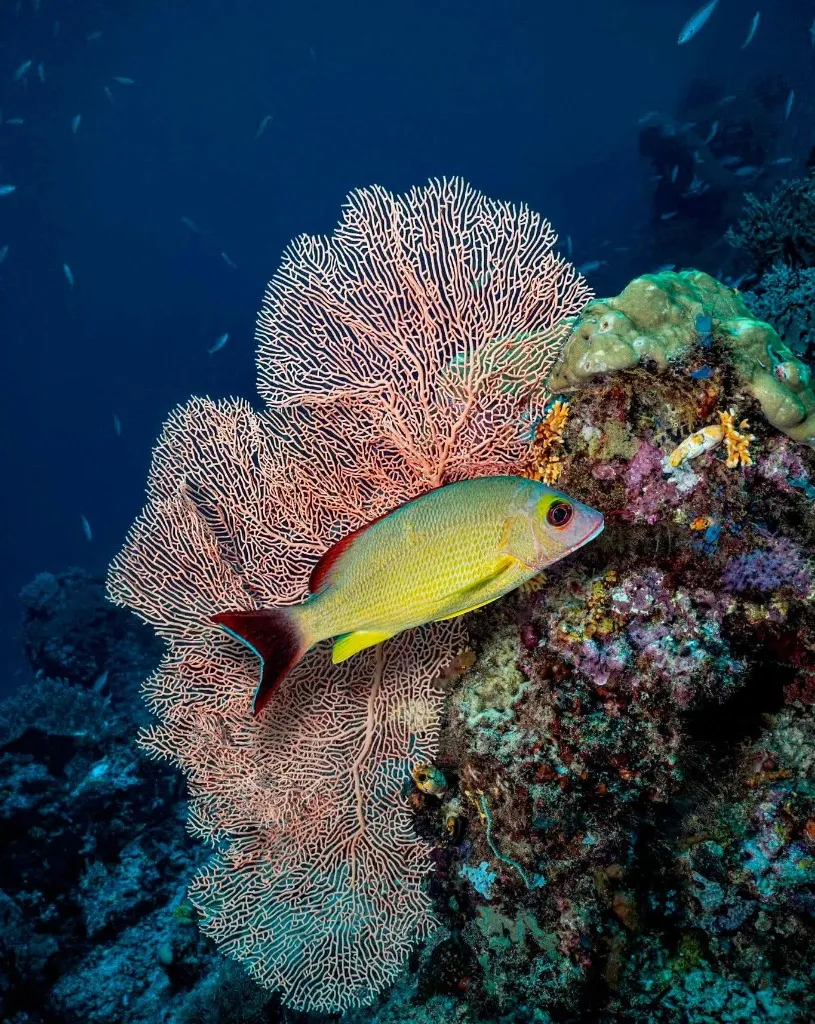
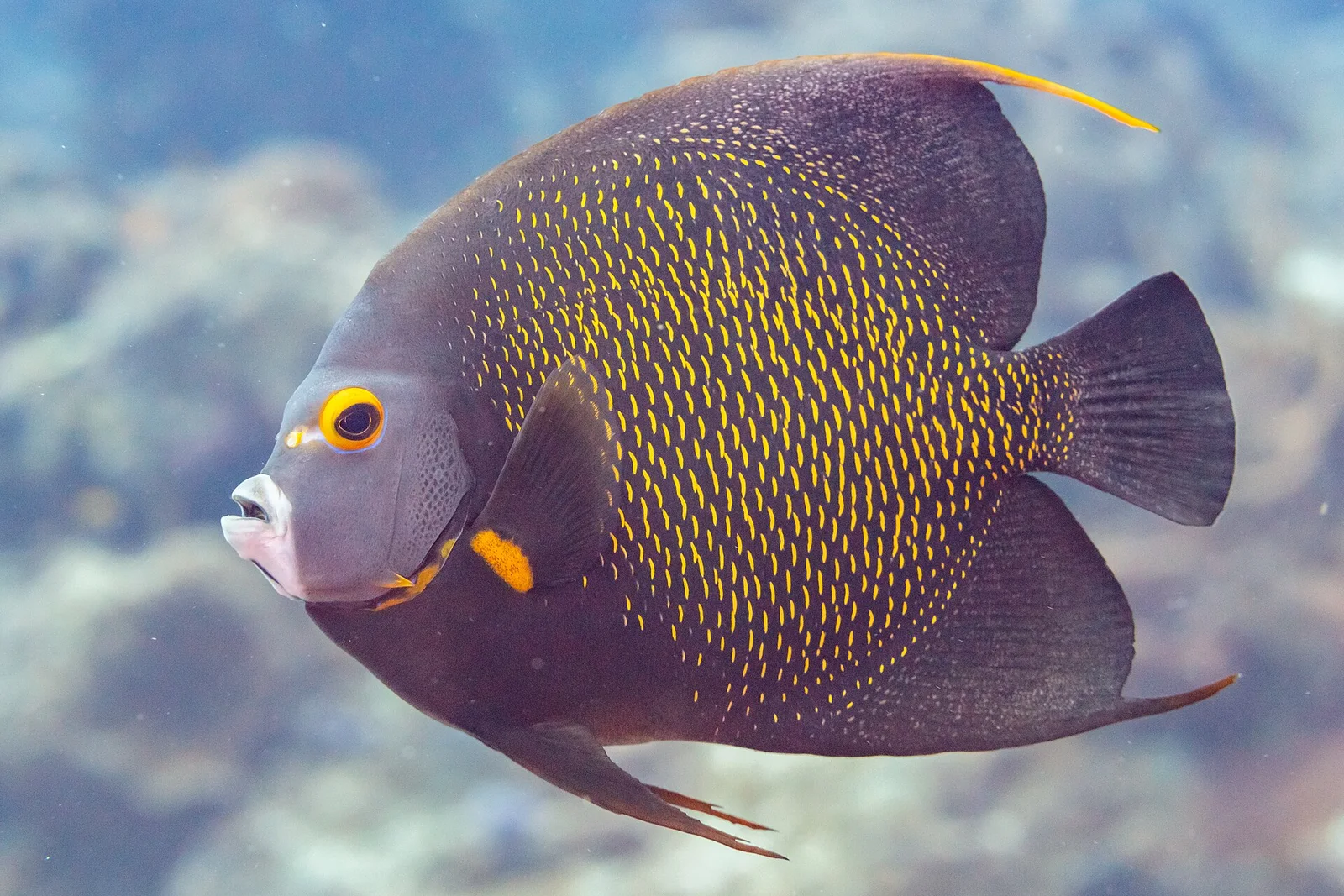
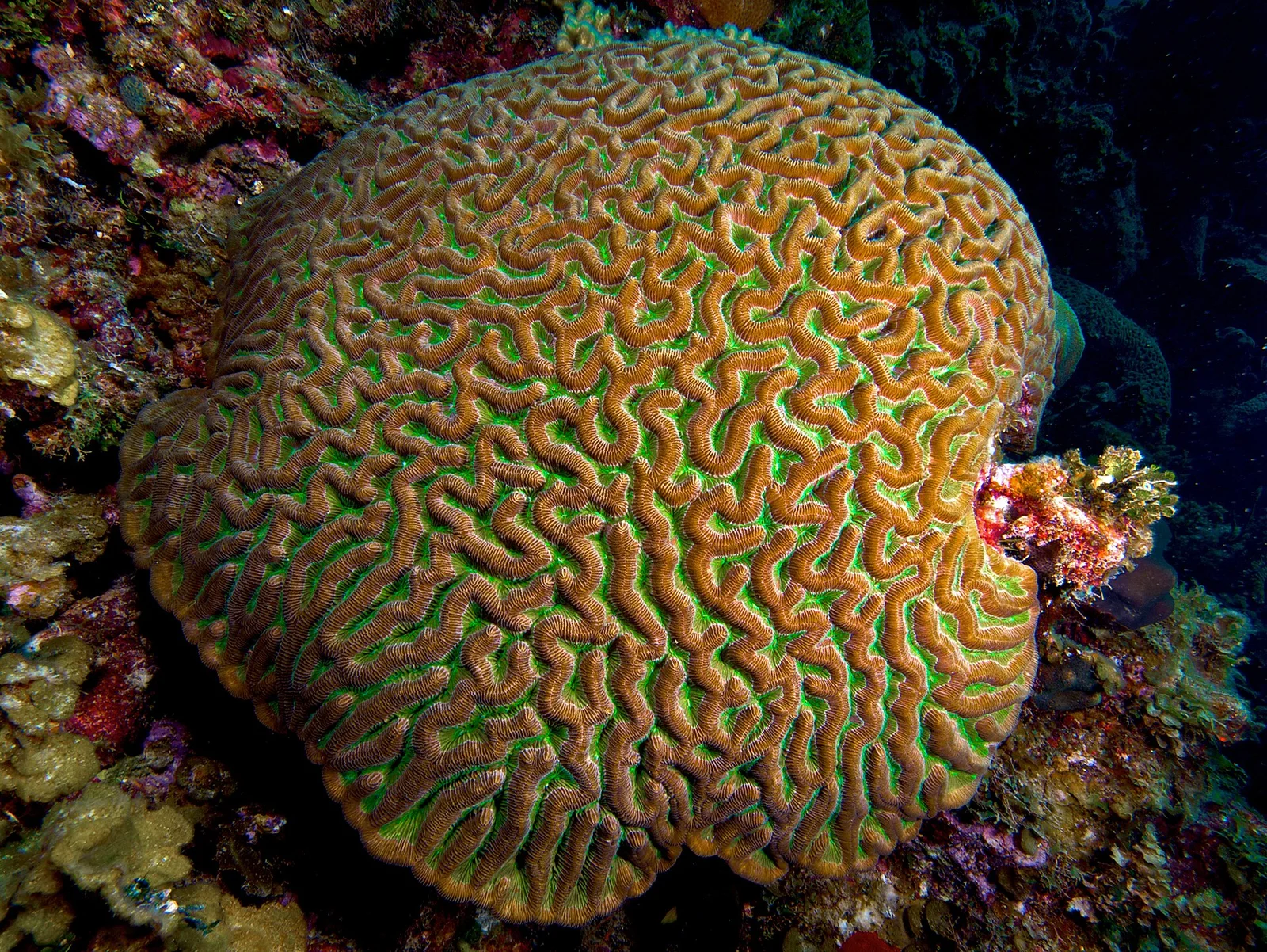
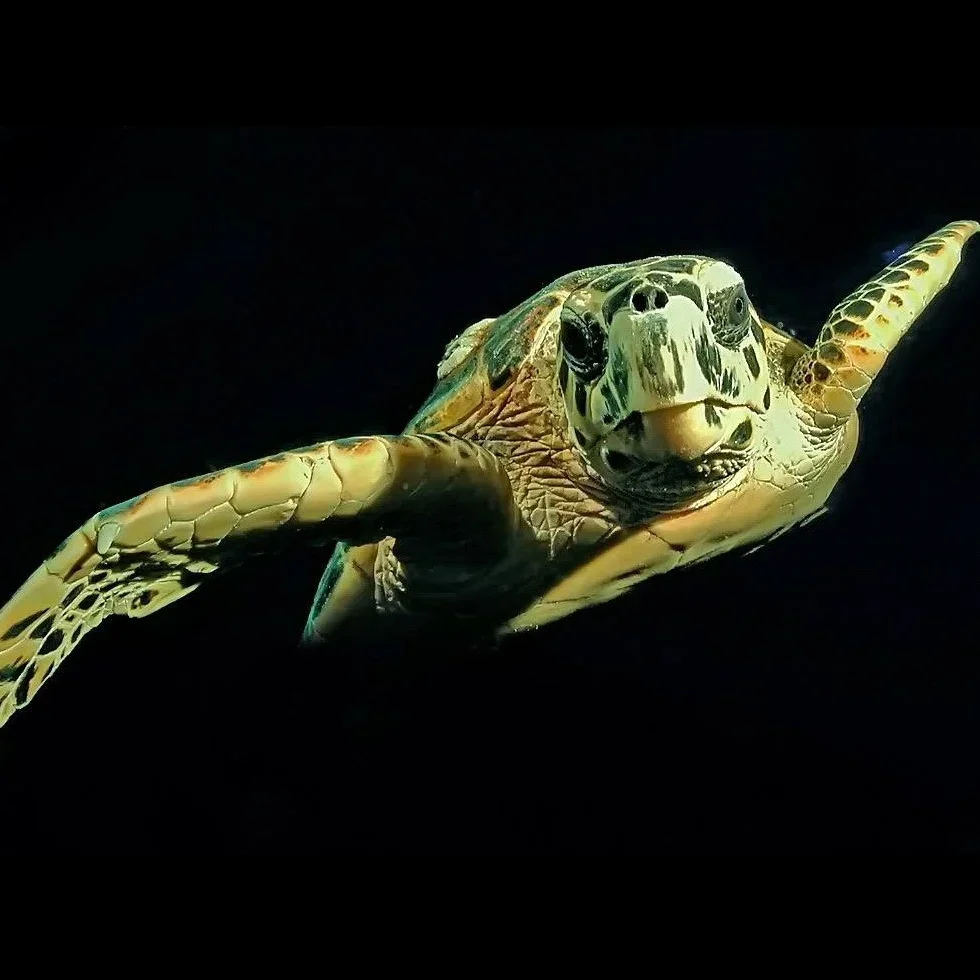
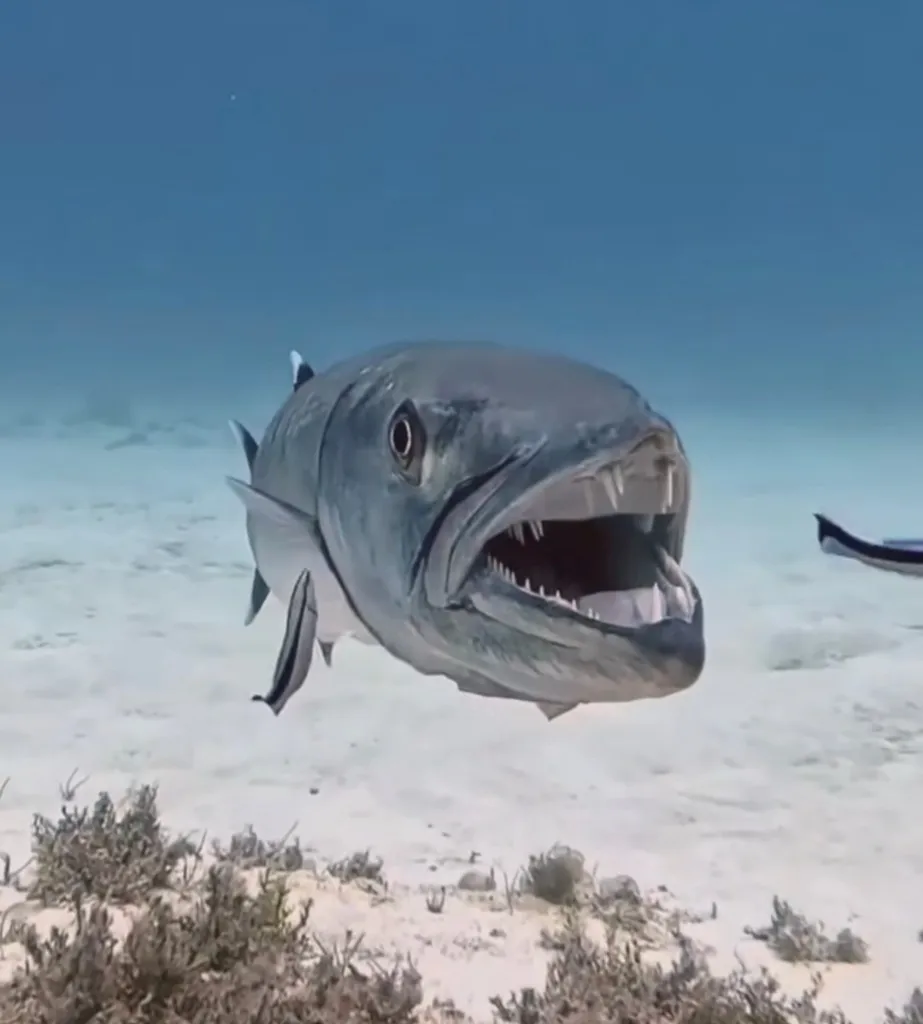
Baseline reef monitoring across Aruba's southwest coast documents diverse hard corals, barrel and tube sponges, and schooling yellowtail snappers sheltering beneath the aluminum wings. French angelfish and solitary great barracuda patrol the coral drop-off bordering the 24–27 m / 79–89 ft sand basin. Protected hawksbill and green sea turtles regularly forage along the adjacent Bucuti Rif reef wall.
1 / 2
Image contributors:Diego Delso, Nick Hobgood + 1 more
Want to contribute photos or local dive knowledge? Learn how to contributeDive Sites Near Sonesta Airplane Wreck (Convair 240)
View all dive sites in ArubaDiscover more underwater gems in this area.
Dive Centers Near Sonesta Airplane Wreck (Convair 240)
No Dive Centers Local To Sonesta Airplane Wreck (Convair 240)
Are you a dive center visiting this location? Get listed to reach divers.
Nearest Airports
Nearest airports to help plan travel to this dive area.
Josefa Camejo International Airport LSP
80 km
José Leonardo Chirinos Airport CZE
126 km
Flamingo International Airport BON
196 km
💵 Currency: AWG
Search Flights
Check available flights and routes on Expedia, using the nearby airports listed in this section.
Search Flights on ExpediaAffiliate link · Dive Navigator may earn a commission at no extra cost to you.
Frequently Asked Questions
Is the Sonesta Airplane Wreck a Convair 400 or a Convair 240?
Convair never built a Convair 400 airliner; maritime artificial-reef records identify the scuttled twin-engine aircraft off Renaissance (formerly Sonesta) Island as a Convair 240. It now shares the broader site with an intact NAMC YS-11 airliner sunk in 2004.
How is the Sonesta Airplane Wreck different from Aruba's Arashi Airplane Wreck?
The Sonesta/Renaissance Airplane site lies on Aruba's southwest coast off Oranjestad at 15–27 m / 49–89 ft. The Arashi Airplane Wreck is a completely separate Lockheed Lodestar resting in shallow 10–12 m / 33–39 ft water off Arashi Reef on Aruba's northwest coast.
Why is the Convair 240 deeper and broken today than in older dive books?
Reverse southwest swells from Hurricane Lenny in November 1999 snapped the Convair 240 fuselage into sections and pushed wreckage deeper down the reef slope to roughly 24–27 m / 79–89 ft. Penetration into the fractured aluminum pieces is not recommended.
What Aruban marine laws apply when diving off Renaissance Island?
Aruba enforces island-wide bans on spearfishing (AB 2001 no. 115), harming native corals, sharks, or turtles (AB 2017 no. 48), and using oxybenzone sunscreens or single-use plastics (AB 2019 no. 67), alongside Parke Marino Aruba (AB 2018 no. 77) habitat rules. No dive permit fee is required.
Does Aruba have a hyperbaric chamber in Oranjestad?
Dr. Horacio E. Oduber Hospital in Oranjestad opened a new Hyperbaric Oxygen Therapy (HBOT) unit on 10 September 2025; divers should confirm 24/7 emergency diving recompression availability with the hospital prior to diving. Regional 24/7 multiplace emergency backup operates 120 km / 75 mi east at Curaçao Medical Center.
Trip Inquiry
Planning to dive Sonesta Airplane Wreck (Convair 240)?
Tell us your dates and diving needs. We'll review your request and seek offers from relevant local dive centers.
Request Dive Offers Free request for offers • No booking obligation
Sonesta Airplane Wreck (Convair 240)
Conditions are Moderate
6/10
Confidence: 8/10
Indicates meteorological model agreement and data availability.
Best Dive Window
Optimal conditions expected
06:12
18:45
H: 10:45
L: 16:20
Air / Sea Temp
29° / 29°
Wave Height
1.5 m
Wind Speed
39 km/h E
Rain Chance
0%
Current conditions near Sonesta Airplane Wreck (Convair 240) show 29° air, 29° sea temperature, 1.5 m waves, and 39 km/h wind. Forecast data is refreshed regularly to ensure accuracy.
Radius: ~12km
Updated: Nov 23, 2026, 09:45 local timeMARINE: OPEN-METEOWEATHER: YR.NO


