Loading...

Diving at MS Antilla (Aruba)
Published
Last updated
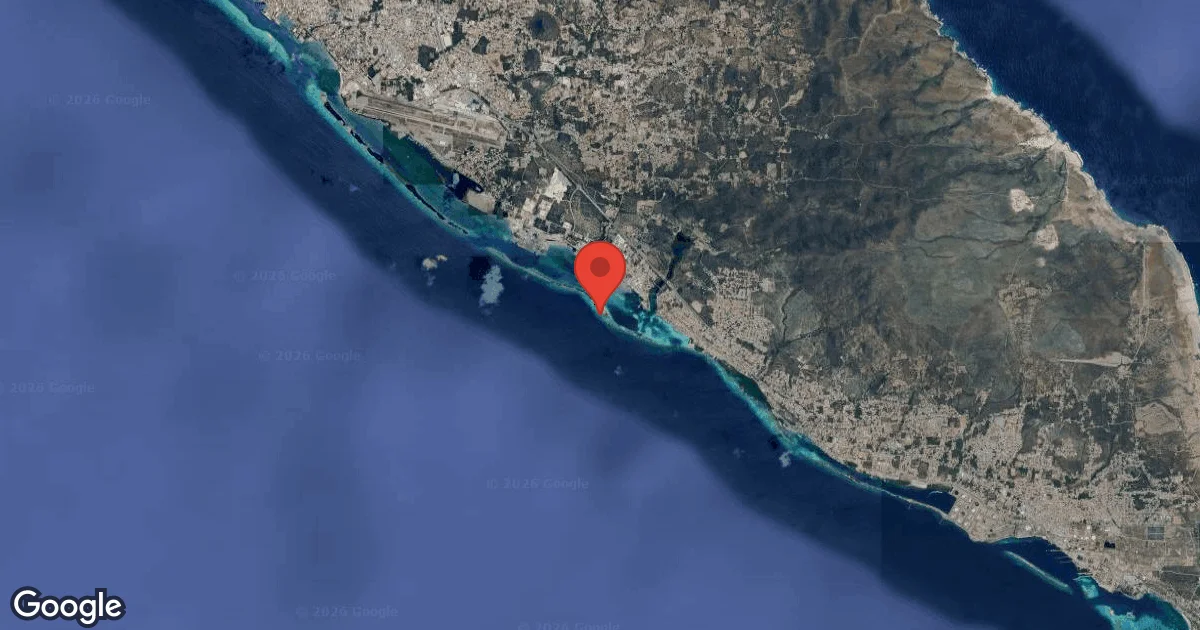
Resting on her port side off Aruba's sheltered northwest coast near Malmok Beach, MS Antilla is a 121.4 m / 398 ft German cargo ship scuttled during the opening hours of World War II in the Netherlands. Commissioned in 1939 as the turbo-electric freighter ES Antilla and featured in the Aruba Tourism Authority shipwreck guide as SS Antilla, her steel hull rises from an 18 m / 60 ft white sand bottom right up to the waterline at 0 to 2 m / 0 to 7 ft. Over eight decades underwater have draped the split superstructure in giant tube and barrel sponges, fire coral, and bright orange cup corals visited by sea turtles, moray eels, and Caribbean reef fish. Reached on a short boat transfer from Palm Beach, the shallow profile gives Open Water divers long bottom times by day and vibrant coral blooms after dark.
As evening covers MS Antilla, the local air temperature is measured at 28°C. The current wave height at the surface is recorded at 1.4 m. These late-day readings characterize the surface conditions for the night.
Dive Site Location & Key Facts
Site Characteristics
Max Depth18m / 59ft
Entry Typeboat
Water Typesalt
Dive Types
NightReefWreck
Dive Site Overview
Positioned roughly 700 m / 2,300 ft offshore from the limestone terraces of Malmok Beach and neighboring Boca Catalina, MS Antilla is the largest shallow recreational shipwreck in the southern Caribbean. Unlike deep offshore liners, her 121.4 m / 398 ft frame lies across a sunlit 18 m / 60 ft sand plain where sections of the upper starboard plating break the surface at low tide.
Completed in July 1939 at the Finkenwerder yard in Hamburg for the Hamburg America Line, this Deutsche Werft turbo-electric freighter) measured 121.4 m / 398 ft long with a 17.0 m / 55.7 ft beam and 4,363 gross register tons. Named after the Cuban port of Antilla for Caribbean trade, she sailed on her maiden voyage under Captain Ferdinand Schmidt in July 1939, loaded sulfur in Galveston, Texas, and anchored in neutral Dutch Aruba after war broke out in Europe under the watch of Dutch naval forces logged in Nationaal Archief military inventory 2.12.33.
Before dawn on 10 May 1940, when German troops invaded the Netherlands, Dutch Marines moved to seize the ship in Malmok Bay, but Schmidt delayed boarding until daylight. Using that two-hour window, the 35-man German crew opened the seacocks and set fires below decks so harbor authorities could not save the vessel before she settled onto her port side. Although island stories attribute the split hull to cold seawater hitting superheated boilers on the morning she sank, wartime diver inspections showed the freighter settled intact in 1940 and fractured into two sections amidships by 1953 under storm swell action.
Known locally as Aruba's Ghost Ship in the official Aruba island guide, the hull functions as a high-relief artificial reef along the northwest conservation corridor outlined in the Parke Marino Aruba Conservation Management Plan overseen by the Aruba Conservation Foundation, formerly Fundacion Parke Nacional Aruba prior to its 2024 institutional transition. Marine park rules protect the encrusted steel, resident sea turtles, and surrounding sand habitats from anchoring and contact damage.
MS Antilla
Conditions are Moderate
6/10
Confidence: 8/10
Indicates meteorological model agreement and data availability.
Best Dive Window
Optimal conditions expected
06:12
18:45
H: 10:45
L: 16:20
Air / Sea Temp
28° / 29°
Wave Height
1.5 m
Wind Speed
39 km/h E
Rain Chance
0%
Current conditions near MS Antilla show 28° air, 29° sea temperature, 1.5 m waves, and 39 km/h wind. Forecast data is refreshed regularly to ensure accuracy.
Radius: ~12km
Updated: Nov 23, 2026, 04:24 local timeMARINE: OPEN-METEOWEATHER: YR.NO
Best Time to Dive
Diving on MS Antilla runs twelve months a year because Aruba sits in the Southern Caribbean Dry Zone on the South American continental shelf, south of the main Atlantic hurricane corridor according to Departamento Meteorologico Aruba climate data. Sea surface temperatures hold steady between 26 and 29°C / 79 and 84°F across all seasons as recorded in Caribbean sea temperature studies, paired with sunny 28 to 31°C / 82 to 88°F air temperatures and minimal rainfall. Persistent northeast trade winds blow at 11 to 17 knots through most of the year and peak between May and August, building midday chop across the Malmok anchorage.
The flattest seas and clearest water arrive from September through November, when trade winds ease across the northwest shelf. Distant storms passing through the central Caribbean between June and November can occasionally send brief groundswell toward the coast as noted in the Aruba hurricane season overview. Across every season, early morning boat departures secure the calmest water and lightest surface boat traffic.
PEAK SEASON SCORE
76/100
GoodScores combine air & water temps, waves, wind & rainfall for overall conditions.
BEST MONTHS TO DIVE
SEP
OCT
NOV
DIVE SCORE GUIDE (0–100)
Excellent (90–100)
Very Good (80–89)
Good (70–79)
Moderate (50–69)
Poor (30–49)
Not Recommended (0–29)
Monthly records compiled from satellite and marine observation nodes over the last 3 years. Data provided by Open-Meteo and MET Norway.
Dive Experience & Conditions
Dive boats and catamarans reach MS Antilla in 5 to 10 minutes from piers along Palm Beach and Hadicurari Beach, tying onto permanent moorings in Malmok Bay. Because her port flank rests on reflective white carbonate sand at 18 m / 60 ft while the starboard side rises to 0 to 2 m / 0 to 7 ft, Open Water divers can tour the entire exterior hull across generous 45 to 60 minute no-decompression profiles. Groups typically descend a mooring line to the sand plain to follow the bow, forward railings, anchor hawsepipes, giant portholes, and fallen masts stretching across the bottom. Along the fractured midship and stern sections, storm waves and the 1940 scuttling fires have opened spacious cargo holds and exposed steel ribs where natural sunlight streams through wide deck gaps.
Underwater visibility averages 15 to 30 m / 50 to 100 ft, supported by clean sand and low-nutrient coastal water analyzed in Wageningen University reef water research. Steady trade winds often build 0.5 to 1.0 m / 1.6 to 3.3 ft surface chop by early afternoon alongside mild to moderate 0.5 to 1.0 knot currents flowing northwestward toward California Point. After dark, Aruba night diving trips reveal thousands of open orange cup coral polyps, hunting moray eels, and foraging spiny lobsters beneath the port overhang.
Dive Difficulty & Safety Guidelines
Exterior routes around the bow, stern, and upper starboard hull are accessible to certified Open Water divers who maintain steady buoyancy across the 0 to 18 m / 0 to 60 ft depth range. Wave surge calls for extra spacing near the shallowest starboard plates at 0 to 2 m / 0 to 7 ft, where passing swells can push divers toward corroded steel near the surface. Frequent daytime traffic from Malmok snorkeling catamarans and tour boats makes open-water ascents away from the hull hazardous, so divers must ascend along mooring lines and carry a delayed surface marker buoy. Booking early morning dive boats avoids both afternoon wind chop and overhead snorkeler crowds.
Entering the collapsed midship compartments and unstable lower machinery rooms is unsafe and prohibited by local operators as emphasized in the Dutch Aruba wreck guide due to progressive structural decay since 1953. Rusting steel beams carry sharp edges and colonies of stinging blade and branching fire coral surveyed in Dutch Caribbean hydrocoral studies. Under Aruba Conservation Foundation marine rules, touching the wreck, collecting artifacts, feeding fish, and anchoring on coral or hull plating are strictly forbidden, while diving emergencies are served 8 km / 5 mi south in Oranjestad at Dr. Horacio E. Oduber Hospital's 24-hour emergency department and on-site hyperbaric oxygen therapy unit.
Recommended Equipment
Overhead / entanglement risk. Wreck penetration requires proper training.
- Dive Computer
- DSMB
- Primary & Backup Lights
- Wreck Reel
- Cutting Tool
This gear list is based on verified equipment signals for MS Antilla, Aruba. Always confirm final gear choices with your dive operator, guide, or liveaboard.
Recommended Dive Suit
Forecast trends indicate little change in overall diving conditions during the next few days.
Two divers in the same water temperature may experience very different comfort levels. Stronger winds may also make surface intervals feel cooler than usual.
Many divers find that 2-3mm shorty or light wetsuit offers the right level of insulation for conditions like these. Consider warmer surface protection (like a boat coat) due to brisk winds. The surrounding waters at MS Antilla are currently registering temperatures of roughly 29°C (84°F). Surface air temperatures are resting at 28°C (82°F).
MS Antilla conditions last reviewed: 04:24 local time (UTC-5), Nov 23, 2026
Emergency & Medical Support
Essential information to help you plan your dive trip to MS Antilla.

Hyperbaric chambers are a critical part of dive safety infrastructure. Availability varies significantly by region, and not all dive areas have immediate access.
Before diving, it's recommended to:
- confirm nearest medical facilities
- check emergency procedures with local dive operators
- ensure dive insurance covers evacuation if required
24/7 Available
Divers Alert Network
Diving emergency assistance available through DAN World.
+1-919-684-9111- 24/7 emergency hotline
- Diving medical assistance
- Evacuation coordination
Emergency contacts are provided for reference. Always verify local emergency services before diving.
Marine Life at MS Antilla
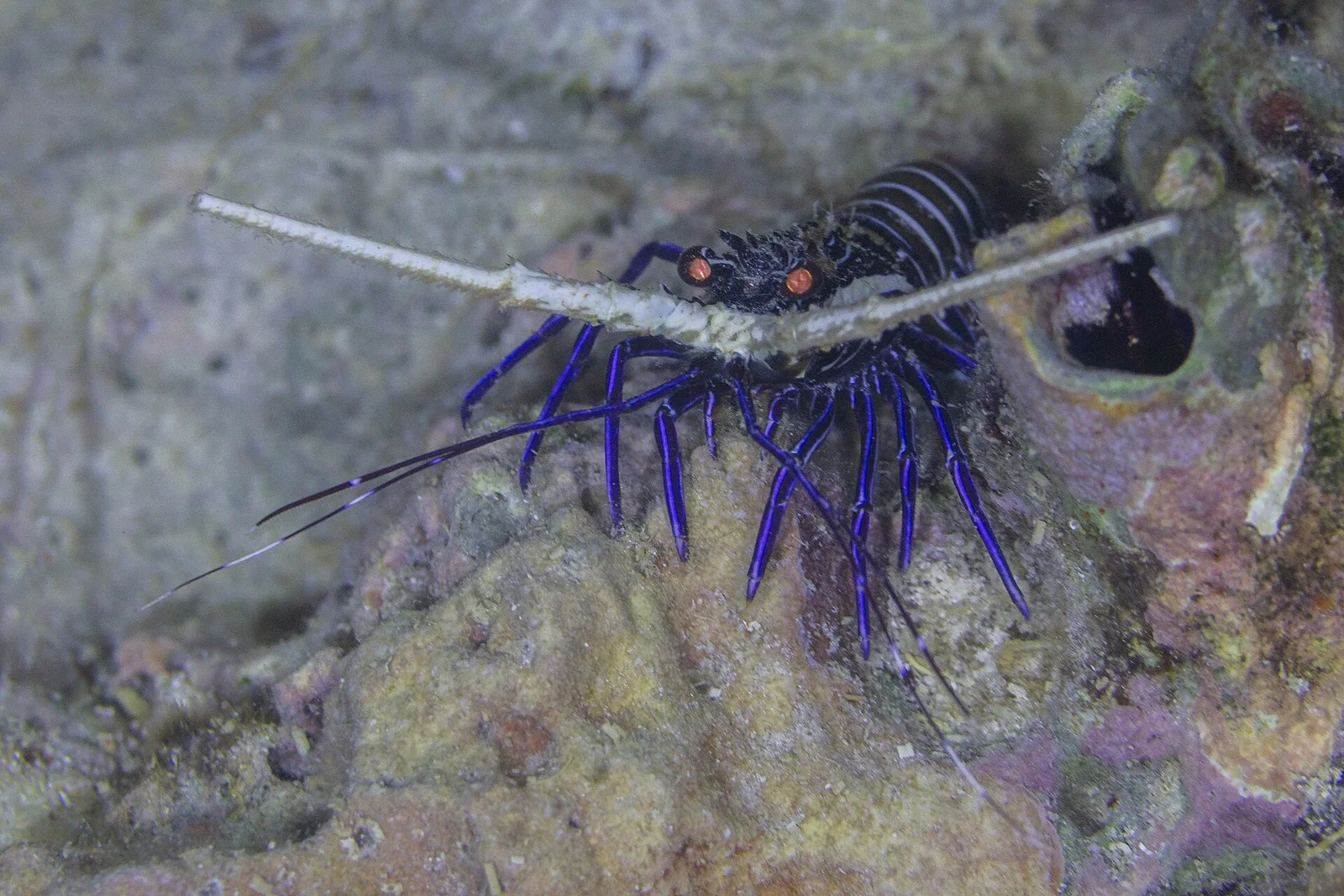
Every submerged beam of the 121.4 m / 398 ft hull supports thick sponge and coral growth led by tall purple, yellow, and brown tube sponges and giant barrel sponges studied in Dutch Caribbean sponge ecology research. Beneath the port-side hull overhang and inside wide cargo openings, shaded plates glow with bright orange cup corals documented across Aruba's artificial reefs by the Dutch Caribbean Nature Alliance. Darkened hull seams, giant portholes, and deck winches shelter Caribbean spiny lobsters, large king crabs, and thick green moray eels.
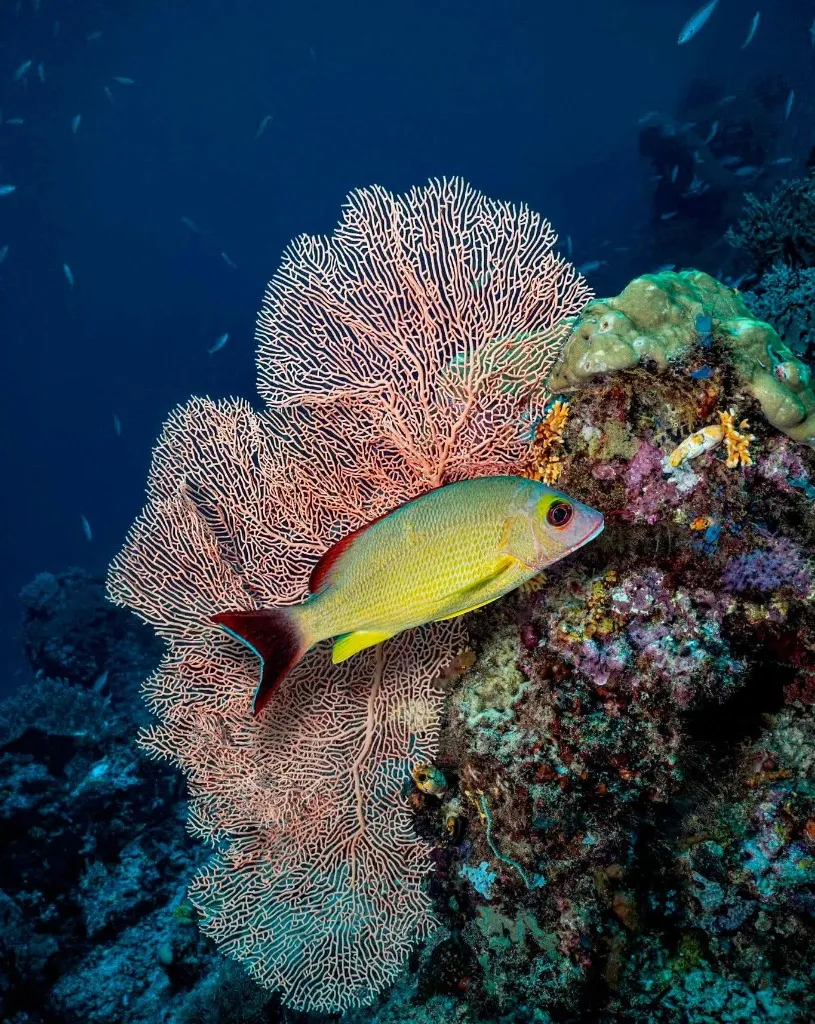
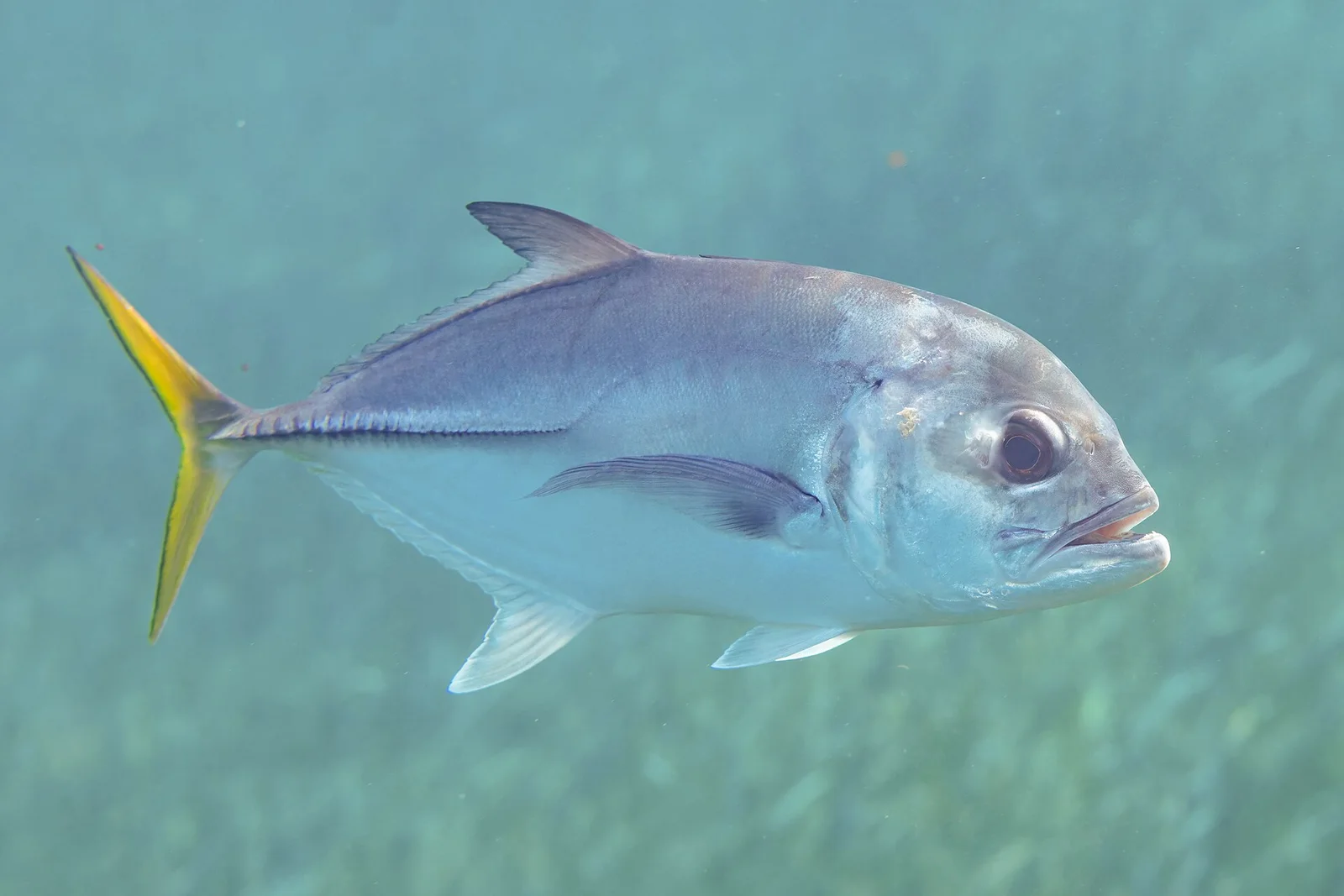
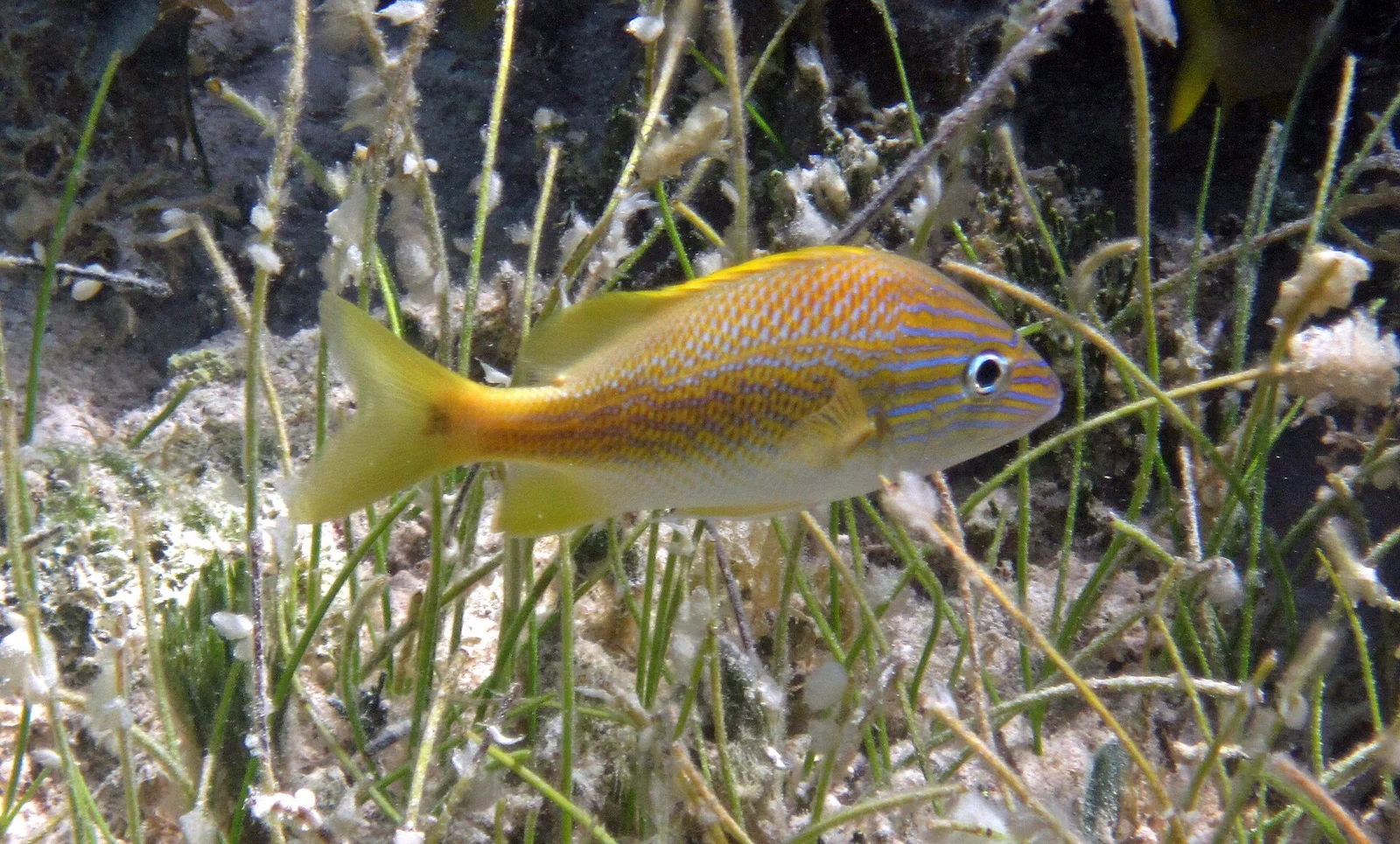
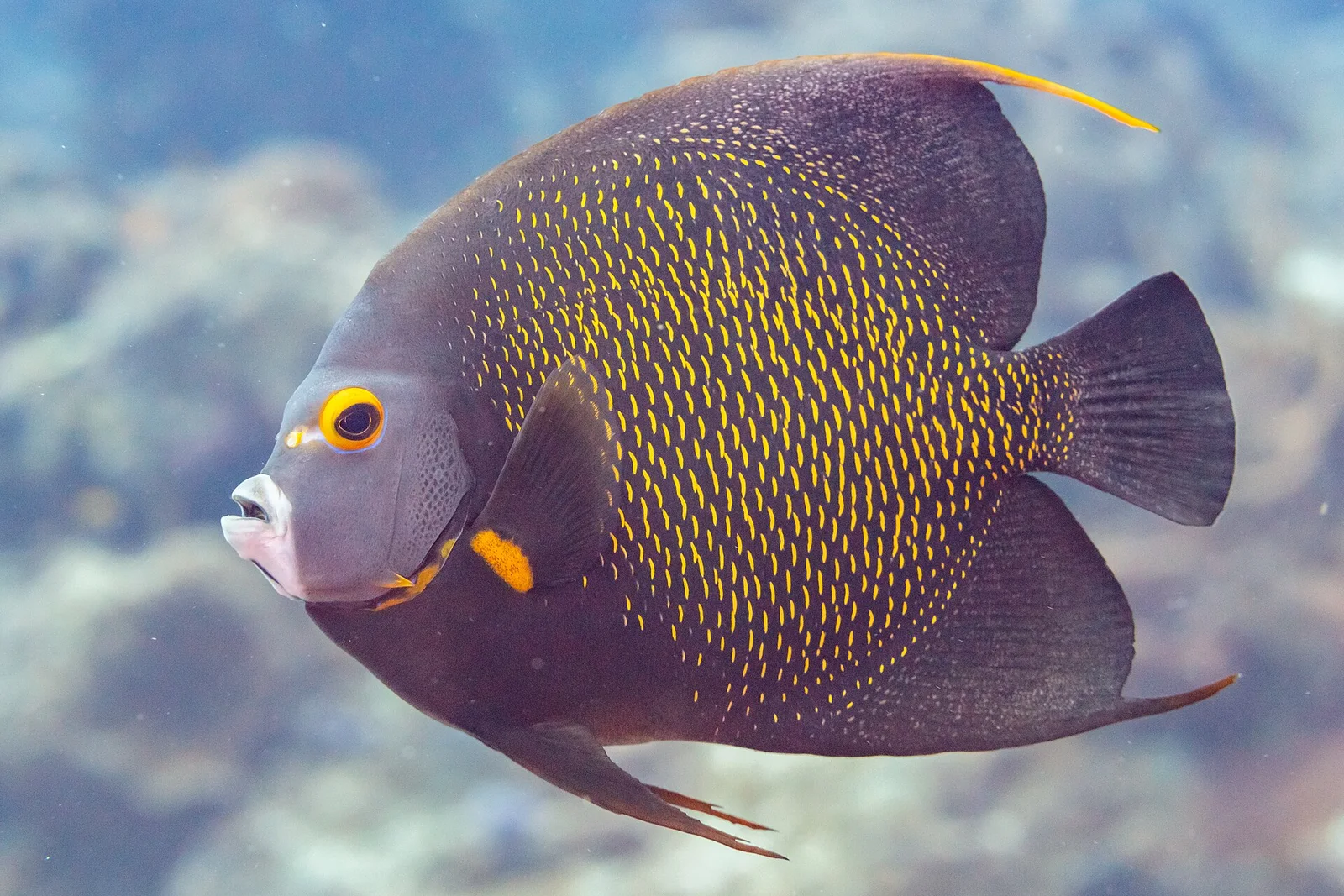
Endangered hawksbill sea turtles regularly feed on sponges along the upper rails while green sea turtles, both protected species highlighted on the DCNA Aruba conservation profile, rest on the 18 m / 60 ft sand flats beside the bow and stern. Pairs of French and queen angelfish patrol the encrusted superstructure alongside reef fish communities recorded in Dutch Caribbean fish surveys and the Aruba coastal marine guide. Dense schools of blue tangs, French grunts, and yellowtail snappers fill the midship gap while silver shoals of horse-eye jacks circle near the surface-breaking starboard hull.
1 / 3
Image contributors:Diego Delso, James St. John + 2 more
Want to contribute photos or local dive knowledge? Learn how to contributeDive Sites Near MS Antilla
View all dive sites in ArubaDiscover more underwater gems in this area.
Dive Centers Near MS Antilla
No Dive Centers Local To MS Antilla
Are you a dive center visiting this location? Get listed to reach divers.
Nearest Airports
Nearest airports to help plan travel to this dive area.
Josefa Camejo International Airport LSP
91 km
José Leonardo Chirinos Airport CZE
138 km
Flamingo International Airport BON
202 km
💵 Currency: AWG
Search Flights
Check available flights and routes on Expedia, using the nearby airports listed in this section.
Search Flights on ExpediaAffiliate link · Dive Navigator may earn a commission at no extra cost to you.
Frequently Asked Questions
Why is the wreck called MS Antilla, SS Antilla, and ES Antilla?
Hamburg America Line launched the ship in 1939 as ES Antilla (Elektroschiff) because twin steam boilers drove AEG turbo-electric generators rather than a conventional steam or diesel drive. Historical archives and Aruba Tourism Authority guides usually use SS Antilla, while dive operators and nautical directories often list MS Antilla for the same 121.4 m / 398 ft wreck.
Can Open Water certified divers dive the MS Antilla?
Yes, Open Water divers can explore the entire exterior hull because the white sand seabed bottoms out at 18 m / 60 ft while the upper starboard side rises to 0 to 2 m / 0 to 7 ft. The shallow profile provides bright natural light and 45 to 60 minute bottom times when divers stay clear of collapsed interior compartments and surface surge.
Is interior wreck penetration permitted on the MS Antilla?
Entering enclosed compartments and the collapsed midship section is unsafe and prohibited by local operators due to storm-weakened bulkheads, sharp metal, and fire coral. Divers can still peer into spacious cargo holds and machinery bays through wide exterior openings along the upper hull.
Did a boiler explosion break the MS Antilla in half in 1940?
Although local legend claims cold seawater exploded the superheated boilers on 10 May 1940 and split the ship immediately, wartime Dutch diver inspections confirmed the burned hull settled intact in one piece. Heavy storm swells subsequently broke the ship into two sections amidships by 1953.
Can you swim out to the MS Antilla from Malmok Beach or Boca Catalina?
No, shore swimming or shore diving out to the wreck is unsafe because the hull sits roughly 700 m / 2,300 ft offshore across an active boat channel swept by northeast trade winds and coastal currents. Scuba boats and catamarans make the regulated 5 to 10 minute crossing from Palm Beach and Hadicurari piers directly to site moorings.
What makes night diving at MS Antilla special?
Once daytime snorkel catamarans leave Malmok Bay at dusk, scuba boats moor in quiet conditions over the shallow hull. Under torchlight, thousands of orange cup corals open bright yellow-orange polyps across shaded steel overhangs while lobsters, king crabs, and moray eels hunt along the deck and sea turtles sleep in hull recesses.
Where is the closest emergency medical and hyperbaric facility?
Dr. Horacio E. Oduber Hospital sits roughly 8 km / 5 mi or 10 to 15 minutes south in Oranjestad. The hospital runs Aruba's 24-hour emergency department (911 or +297 527-4000) alongside an on-site hyperbaric oxygen therapy chamber.
Trip Inquiry
Planning to dive MS Antilla?
Tell us your dates and diving needs. We'll review your request and seek offers from relevant local dive centers.
Request Dive Offers Free request for offers • No booking obligation
MS Antilla
Conditions are Moderate
6/10
Confidence: 8/10
Indicates meteorological model agreement and data availability.
Best Dive Window
Optimal conditions expected
06:12
18:45
H: 10:45
L: 16:20
Air / Sea Temp
28° / 29°
Wave Height
1.5 m
Wind Speed
39 km/h E
Rain Chance
0%
Current conditions near MS Antilla show 28° air, 29° sea temperature, 1.5 m waves, and 39 km/h wind. Forecast data is refreshed regularly to ensure accuracy.
Radius: ~12km
Updated: Nov 23, 2026, 04:24 local timeMARINE: OPEN-METEOWEATHER: YR.NO


