
Diving at Blue Holes (Australia)
About a kilometre south of Kalbarri at the end of Blue Holes Road, Blue Holes is a shallow shore-accessed limestone reef reaching only around 4 m / 13 ft. Protected inshore pools, ledges and small caves in the limestone make it the area's main snorkelling and shallow-diving spot when swell is low. The very shallow, sheltered profile is approachable, though strong surge on the reef's outer edge calls for care.
Tonight's objective overview for Blue Holes shows an air temperature of 17.5°C. The measured surface conditions include wave heights around 2.1 m. This environmental data is logged for the close of the day.
Dive Site Location & Key Facts
Dive Site Overview
Limestone shapes everything at Blue Holes. The reef forms a series of protected inshore pools, with ledges, overhangs, arches and small caves worked into the rock, set in very shallow water that reaches only about 4 m / 13 ft and averages closer to 1 m / 3 ft. A car park sits nearby and the entry is from the beach, which makes this the area's go-to shallow site for snorkelling and easy diving when conditions allow.
Bottom composition is limestone and coral, and the pools hold their own small communities of reef life in the sheltered water. The contrast that defines the site is between inside and outside: the inshore pools stay calm and approachable when swell is low, while the outer edge of the reef takes strong surge and is a different proposition entirely.
That makes settled, low-swell conditions the key to a good visit. For snorkellers and divers after a very shallow, sheltered look at limestone reef structure and the life it holds, the protected pools are the draw, best enjoyed when the sea is calm and the swell has dropped right off.
Conditions are Moderate
High Swell Advisory. Not recommended.
Current conditions near Blue Holes show 17° air, 20° sea temperature, 2.8 m waves, and 25 km/h wind. Forecast data is refreshed regularly to ensure accuracy.
Best Time to Dive
Conditions near Kalbarri favour summer, and Blue Holes scores best from January through May, with the strongest dive-condition numbers across that stretch before they ease through winter. Water is warmest near 24°C / 75°F in late summer and cools to about 20°C / 68°F at its winter low, so a wetsuit suits the cooler months while the warmer water is comfortable in light protection. Swell is the deciding factor here, since the whole site depends on it: modelled wave height runs lowest over autumn, around 1.5–1.7 m / 5–6 ft, and climbs toward 2.2 m / 7 ft in winter, when the outer reef gets rough. Wind is moderate to fresh across the year, and rainfall is low. Because the protected pools only open up when swell is down, the practical advice is to pick the calmest day available within the warmer half of the year, when low swell and comfortable water line up.
PEAK SEASON SCORE
Scores combine air & water temps, waves, wind & rainfall for overall conditions.
BEST MONTHS TO DIVE
Monthly records compiled from satellite and marine observation nodes over the last 3 years. Data provided by Open-Meteo and MET Norway.
Dive Experience & Conditions
This is about as shallow as diving gets, worked from the beach over a limestone reef. With a maximum near 4 m / 13 ft and an average around 1 m / 3 ft, much of the experience sits in snorkelling depth, so air and no-deco time are non-issues and the focus falls entirely on the structure and the life in the pools. Terrain is limestone shaped into pools, ledges, overhangs and small caves, which gives a surprising amount to look at for such shallow water. The defining condition is swell: when it is low the inshore pools stay calm and easy, and when it is up the outer reef takes strong surge that makes the exposed edge unsafe. Staying in the protected pools and reading the swell is the whole game here, and a calm day turns it into a relaxed shallow dive or snorkel.
Dive Difficulty & Safety Guidelines
Strong surge and current on the outer reef are the hazards the source flags, and they define the site's one real safety line: the protected inshore pools are calm and approachable when swell is low, while the outer edge can be dangerous. Staying inside the sheltered pools and respecting the swell is the key precaution, and on a day with any size in the water the exposed reef should be left alone. Visibility can drop sharply in surge, noted as falling to near zero on rough days, which is another reason settled conditions matter.
The water is very shallow at about 4 m / 13 ft, which keeps the depth side forgiving, but shallow does not mean safe when surge is running over rock. For snorkellers and divers alike, a calm, low-swell day in the protected pools is both the best and the safest way to experience the site.
Recommended Equipment
- Dive Computer
- Hard-soled Dive Boots
This gear list is based on verified equipment signals for Blue Holes, Australia. Always confirm final gear choices with your dive operator, guide, or liveaboard.
Recommended Dive Suit
5mm wetsuit is frequently recommended by dive operators for conditions like these. Consider warmer surface protection (like a boat coat) due to brisk winds. Water conditions at Blue Holes are currently measured at approximately 20°C (68°F). Surface air temperatures are resting at 17°C (63°F).
Forecast trends indicate little change in overall diving conditions during the next few days.
Even small thermoclines can occasionally cause noticeable changes in water temperature.
Emergency & Medical Support
Essential information to help you plan your dive trip to Blue Holes.

Hyperbaric chambers are a critical part of dive safety infrastructure. Availability varies significantly by region, and not all dive areas have immediate access.
Before diving, it's recommended to:
- confirm nearest medical facilities
- check emergency procedures with local dive operators
- ensure dive insurance covers evacuation if required
Divers Alert Network
Diving emergency assistance available through DAN World.
+1-919-684-9111- 24/7 emergency hotline
- Diving medical assistance
- Evacuation coordination
Emergency contacts are provided for reference. Always verify local emergency services before diving.
Marine Life at Blue Holes
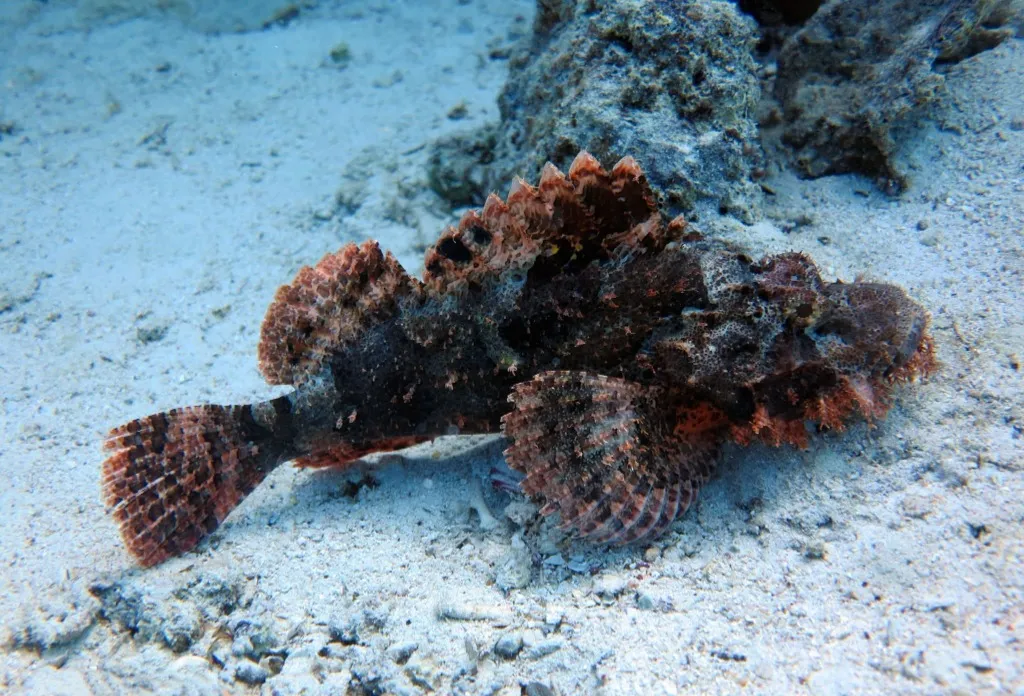
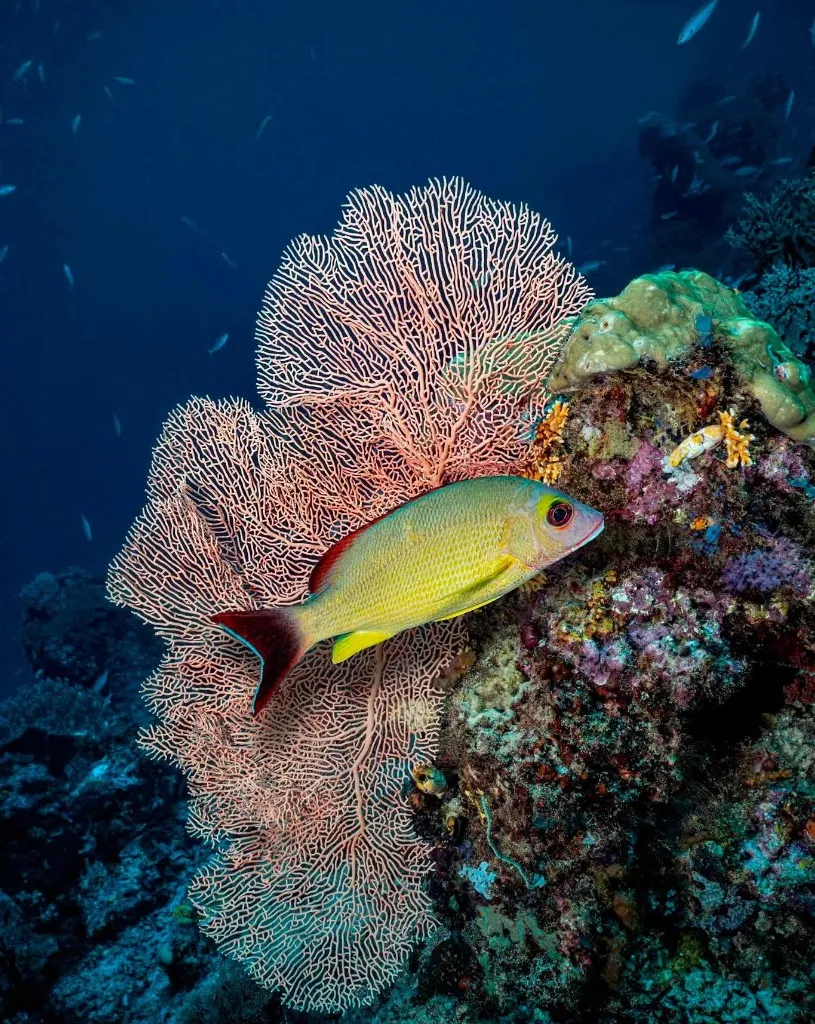
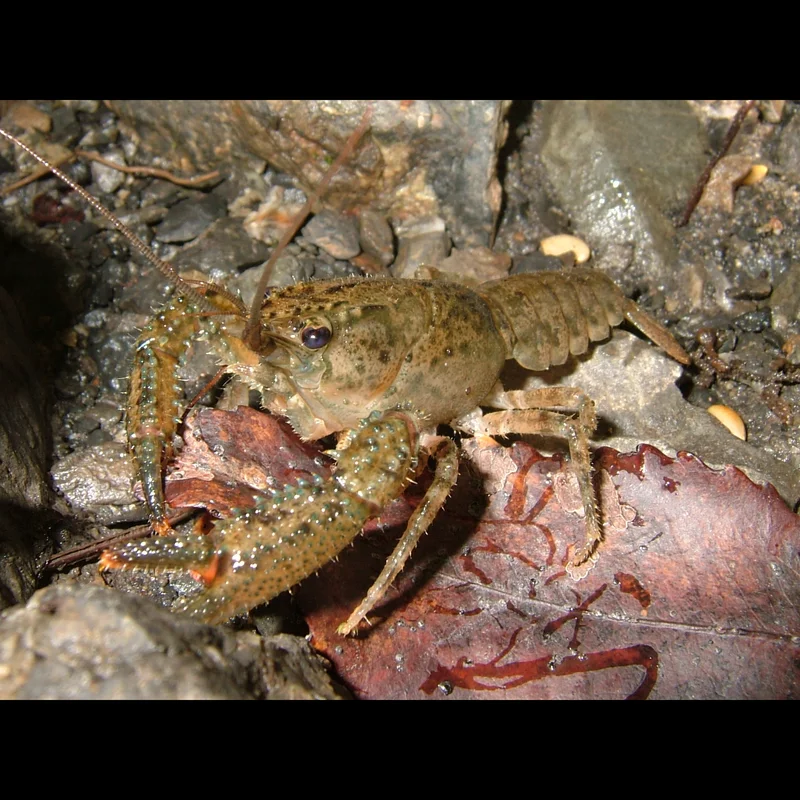
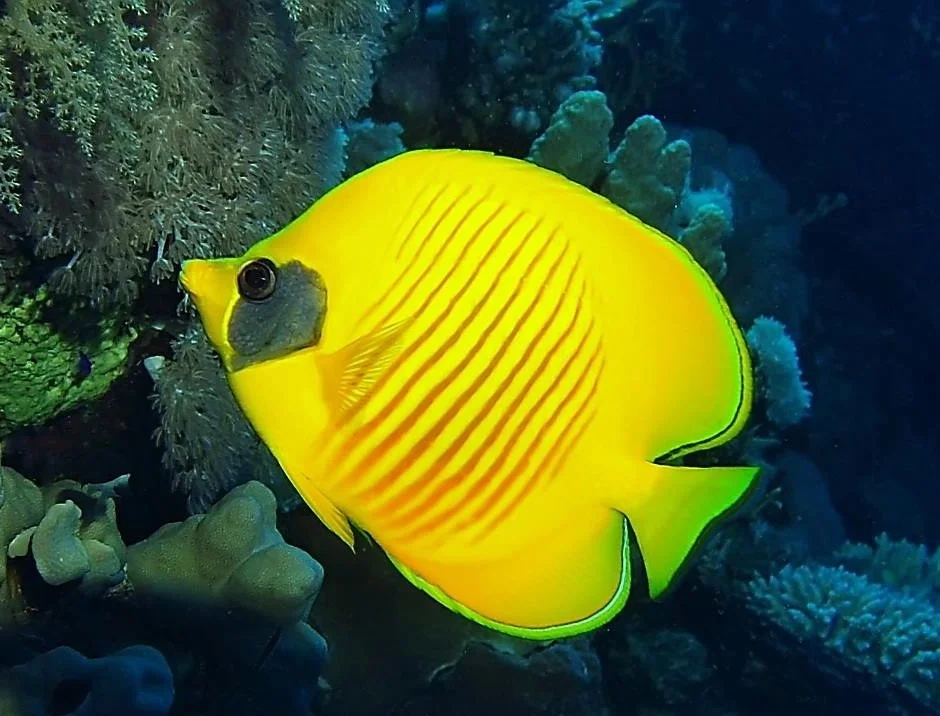
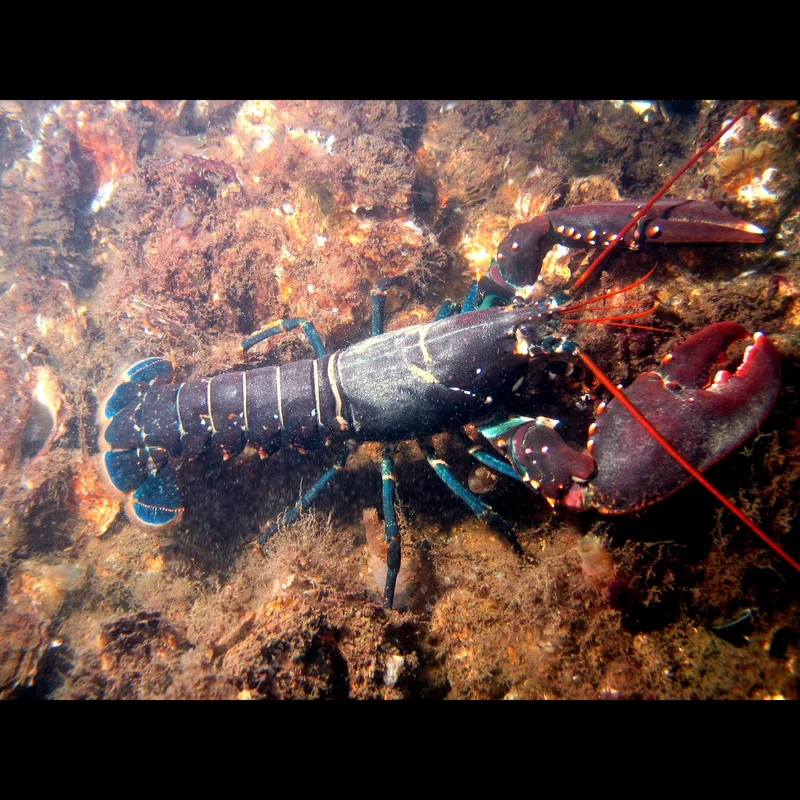
Small reef communities hold in the protected pools, and confirmed sightings include snapper, butterflyfish, wrasse, scorpionfish, crayfish, lobster and the occasional sea lion among the limestone. The sheltered pools concentrate this life in shallow, well-lit water, which makes for easy viewing on a calm day.
Source notes add, with less certainty, eels, rock lobster, moon wrasse, humbugs, reef fish and passing dolphins as further possibilities for the area. Sightings depend on the day and the conditions, and the steady reward is the resident reef life in the pools, best seen when low swell keeps the water clear and the shallow structure accessible.
Dive Centers Near Blue Holes
No Dive Centers Local To Blue Holes
Are you a dive center visiting this location? Get listed to reach divers.
Nearest Airports
Nearest airports to help plan travel to this dive area.
Search Flights
Check available flights and routes on Expedia, using the nearby airports listed in this section.
Search Flights on ExpediaFrequently Asked Questions
Is Blue Holes a dive or a snorkel site?
Both, but it is very shallow. With a maximum around 4 m / 13 ft and an average near 1 m / 3 ft, it works well for snorkelling and easy shallow diving when swell is low.
What is the main safety consideration?
Swell. The protected inshore pools are calm when swell is low, but the outer reef takes strong surge and can be dangerous, so stay in the sheltered pools and avoid the exposed edge on rough days.
How do I get there?
Access is from shore, at the end of Blue Holes Road about a kilometre south of Kalbarri, with a car park nearby and a beach entry over limestone reef.
What will I see?
Confirmed reef life in the pools includes snapper, butterflyfish, wrasse, scorpionfish, crayfish, lobster and the occasional sea lion, with eels and dolphins noted as further possibilities.
When is the best time to visit?
The warmer half of the year, January through May, scores best, and on any visit the priority is the calmest, lowest-swell day available.
Planning to dive Blue Holes?
Send one inquiry and receive offers directly from the best verified local dive operators.
Conditions are Moderate
High Swell Advisory. Not recommended.
Current conditions near Blue Holes show 17° air, 20° sea temperature, 2.8 m waves, and 25 km/h wind. Forecast data is refreshed regularly to ensure accuracy.