
Diving at Breaksea Island (Australia)
Off Albany, Breaksea Island offers a spread of dives around one chunk of granite, from easy bommie reef to deep walls dropping to about 40 m / 131 ft. Black coral trees grow in the deeper shadows, and swim-throughs, caves and overhangs break up the rock. Night dives are possible. The shallow areas suit a range of divers; the 40 m walls are firmly deep, experienced territory.
As evening covers Breaksea Island, the local air temperature is measured at 13°C. The current wave height at the surface is recorded at 1.1 m. These late-day readings characterize the surface conditions for the night.
Dive Site Location & Key Facts
Dive Site Overview
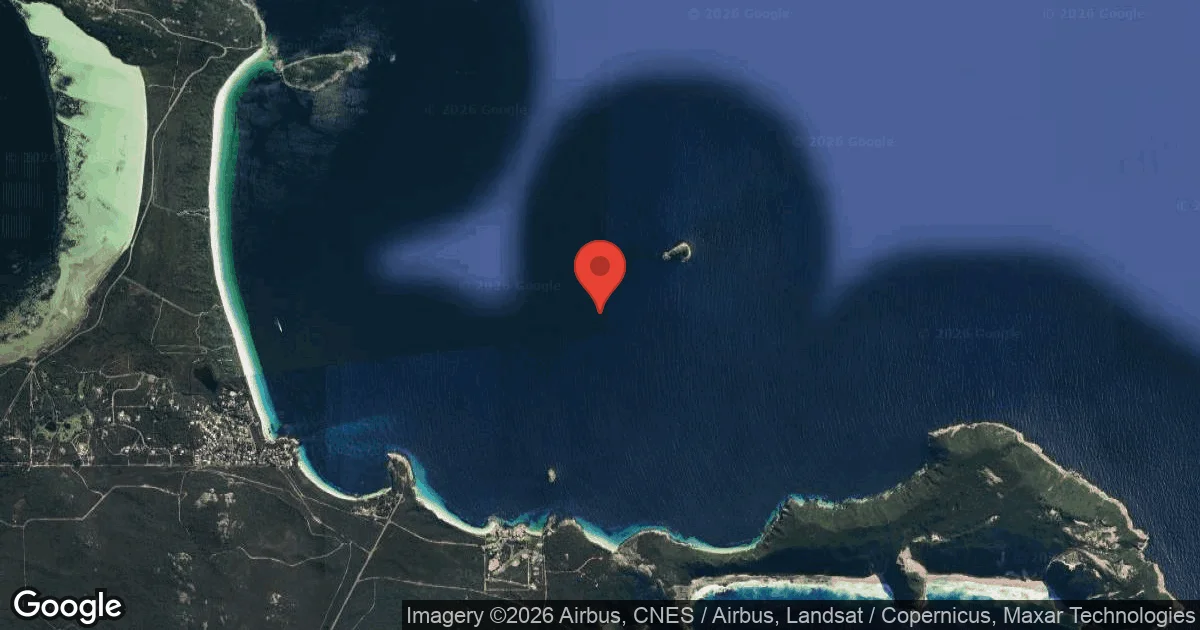
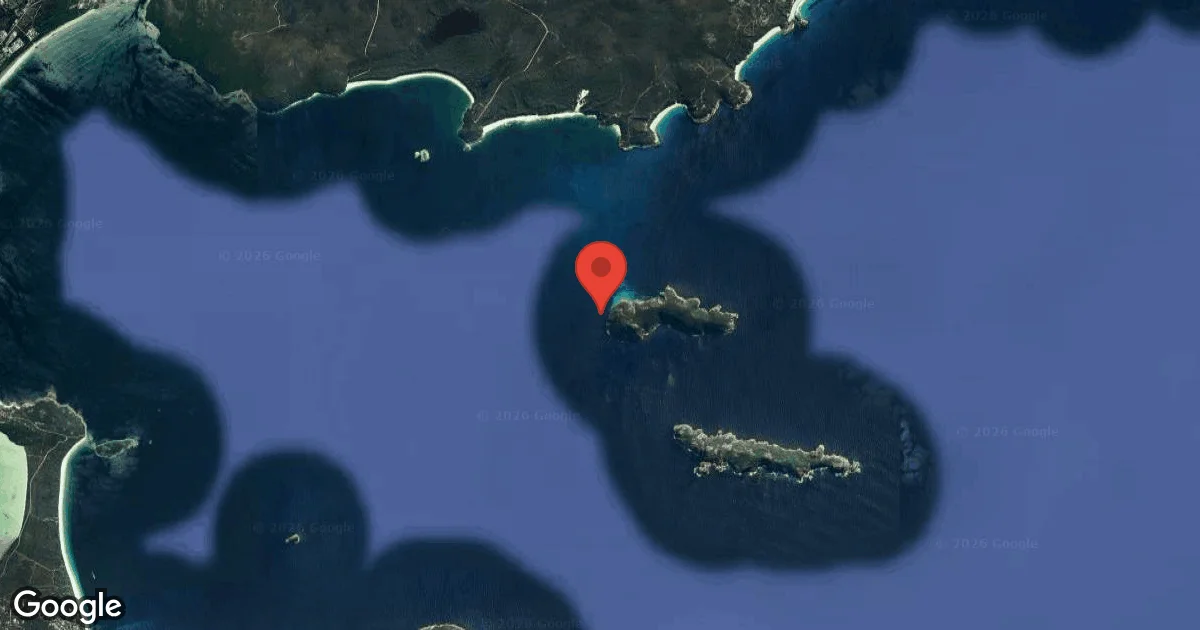
There isn't one Breaksea Island dive, there are several, scattered around the granite island and ranging wildly in depth. Bommies, walls, caves, overhangs and swim-throughs all feature, with an average around 13 m / 43 ft but walls that fall away to roughly 40 m / 131 ft.
That range is the appeal and the warning at once. Up shallow you've got accessible reef and structure to potter through; drop down the walls and you're into deep, dim water where black coral trees grow out of the granite. Picking the right spot for your training and the day's conditions is the whole game, which is exactly what the brief to "choose location wisely" is getting at. Access is by boat, and with so many options around the island, the plan you make on the surface decides whether you're on an easy reef or a serious wall. With several distinct spots scattered around the island, no two dives here need be the same, and the granite gives the whole place a solid, sculpted feel underwater. Decide on the surface whether you're diving shallow structure or committing to a wall, and brief the depth to match.
Conditions are Poor
High Swell Advisory. Not recommended.
Current conditions near Breaksea Island show 13° air, 17° sea temperature, 2.6 m waves, and 64 km/h wind. Forecast data is refreshed regularly to ensure accuracy.
Best Time to Dive
Down here in Albany, the best scores cluster in summer, around December through February, when the southern conditions are at their kindest. Even then the water is cold by WA standards, peaking near 20°C / 68°F and dropping to about 17°C / 63°F in winter, so serious exposure protection is not optional. Swell holds in a moderate 1.9–2.5 m / 6–8 ft band most of the year, lifting a little through winter, and wind picks up around July. None of it is extreme, but the cold and the depth mean you want the calmer summer window and a forecast you trust before committing to the deeper walls. Cold water is the constant, so a thick suit or drysuit shapes how long you'll comfortably stay down, especially on the deeper walls where the dive is already working against you.
PEAK SEASON SCORE
Scores combine air & water temps, waves, wind & rainfall for overall conditions.
BEST MONTHS TO DIVE
Monthly records compiled from satellite and marine observation nodes over the last 3 years. Data provided by Open-Meteo and MET Norway.
Dive Experience & Conditions
Your dive depends entirely on which spot the boat puts you on. A shallow bommie-and-reef site is gentle, three-dimensional pottering; a wall dive is a deep descent alongside granite into colder, darker water at depths reaching about 40 m / 131 ft. The caves, overhangs and swim-throughs add structure to work through, and a torch brings out the black coral and the shadowed rock. On the deep walls, the depth flag is real: this is below 30 m, so gas planning, no-deco discipline and the right training all come into play. Talk through the plan before you drop, match the site to your experience, and treat the shallow and deep options as genuinely different dives. On a wall dive, watch your depth closely, since the granite keeps dropping well past recreational limits.
Dive Difficulty & Safety Guidelines
The spread of depths is the central safety point. Shallow Breaksea is approachable; the 40 m / 131 ft walls are deep diving that demands the training, gas planning and discipline that go with anything past 30 m.
Swell and the instruction to choose your spot wisely are the other flags, and they reinforce the same message: pick the dive that fits your ticket and the day, not the most dramatic one available. Cold water adds fatigue and shortens comfortable bottom time, so build that in. The caves and overhangs are features to move through with light and care, and any deeper penetration is for divers trained for it. Plan conservatively and the island rewards you across the range.
Recommended Equipment
Deep dive hazard. Increased narcosis and gas consumption risk.
- Dive Computer
- DSMB
- Primary & Backup Lights
This gear list is based on verified equipment signals for Breaksea Island, Australia. Always confirm final gear choices with your dive operator, guide, or liveaboard.
Recommended Dive Suit
For divers planning standard recreational dives, 5-7mm wetsuit is usually a suitable option. A thermal robe or jacket is recommended between dives. Divers vary widely in how quickly they feel cold underwater.
The waters surrounding Breaksea Island are currently maintaining temperatures close to 17°C (63°F). Surface air temperatures are resting at 13°C (56°F).
The forecast outlook suggests that temperatures will stay close to current levels.
Due to technical issues with our weather providers, live updates are temporarily delayed. The data above reflects the conditions at the time of the last successful fetch.
Emergency & Medical Support
Essential information to help you plan your dive trip to Breaksea Island.

Hyperbaric chambers are a critical part of dive safety infrastructure. Availability varies significantly by region, and not all dive areas have immediate access.
Before diving, it's recommended to:
- confirm nearest medical facilities
- check emergency procedures with local dive operators
- ensure dive insurance covers evacuation if required
Divers Alert Network
Diving emergency assistance available through DAN World.
+1-919-684-9111- 24/7 emergency hotline
- Diving medical assistance
- Evacuation coordination
Emergency contacts are provided for reference. Always verify local emergency services before diving.
Marine Life at Breaksea Island
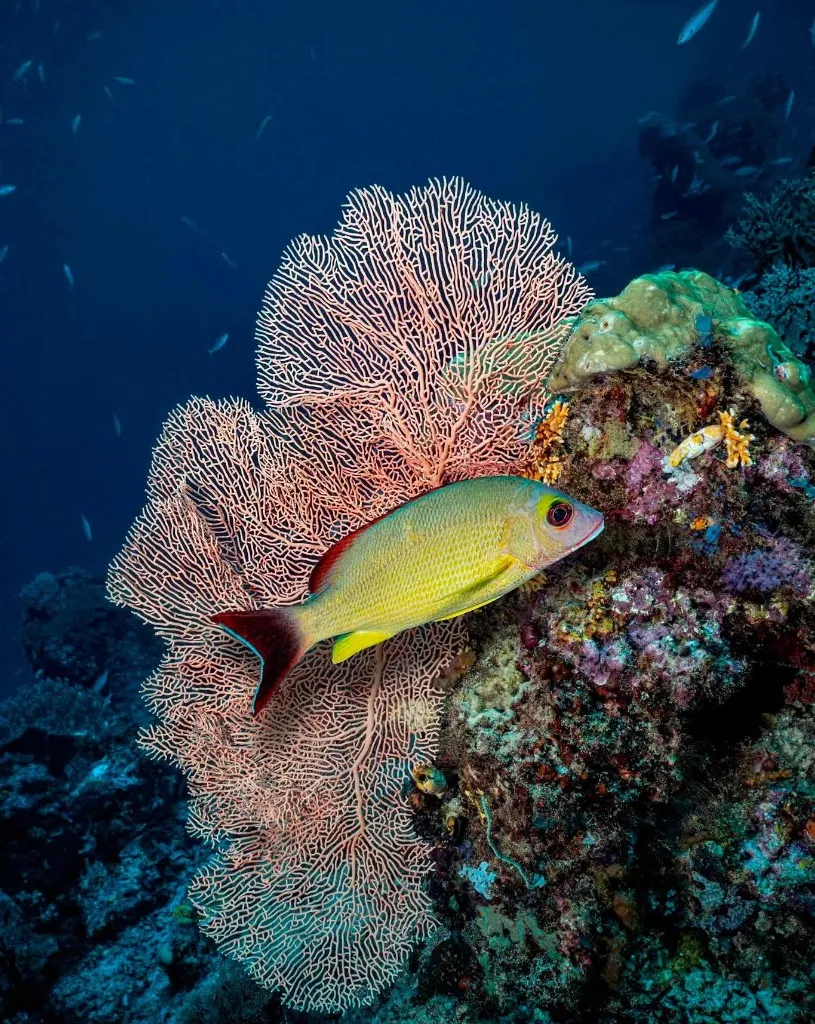
You can count on the big southern reef fish: snapper, blue groper, samson fish, trevally and queen snapper all hold around the structure, and they give the bigger walls their pull.
The deeper, darker rock is where the black coral trees grow, and the records also list sponges and pelagic fish moving through, though those carry less certainty than the resident fish. Hang near the granite and let the bigger animals come to you instead of chasing them down the wall.

Dive Sites Near Breaksea Island
View all dive sites in AustraliaDiscover more underwater gems in this area.
Dive Centers Near Breaksea Island
No Dive Centers Local To Breaksea Island
Are you a dive center visiting this location? Get listed to reach divers.
Nearest Airports
Nearest airports to help plan travel to this dive area.
Search Flights
Check available flights and routes on Expedia, using the nearby airports listed in this section.
Search Flights on ExpediaFrequently Asked Questions
How deep is Breaksea Island?
It varies hugely by spot. Average depth is around 13 m / 43 ft, but the walls drop to roughly 40 m / 131 ft, which is deep, experienced-diver territory.
Can I do an easy dive here?
Yes. Alongside the deep walls there are shallow bommie and reef areas that suit a wider range of divers. The key is choosing the right spot for your training.
What are the black coral trees?
They grow in the deeper, darker water along the granite, and a torch helps you pick them out on the wall dives.
Is night diving allowed?
Night dives are possible here, which changes the animals on show around the structure after dark.
How cold is the water?
Cold for WA. It peaks near 20°C / 68°F and falls to about 17°C / 63°F in winter, so plan for serious exposure protection.
Planning to dive Breaksea Island?
Send one inquiry and receive offers directly from the best verified local dive operators.
Conditions are Poor
High Swell Advisory. Not recommended.
Current conditions near Breaksea Island show 13° air, 17° sea temperature, 2.6 m waves, and 64 km/h wind. Forecast data is refreshed regularly to ensure accuracy.