
Diving at Cheynes III (Australia)
Off Albany, Cheynes III is the broken wreck of a 47 m whale chaser, built in 1947 and scuttled in 1982, now lying in sections to about 23 m / 75 ft. You can pick out the engine room and wheelhouse among the wreckage, with sea dragons and big southern fish moving through. Rated intermediate to advanced; penetration is for trained divers only.
Evening condition tracking at Cheynes III features an air temperature of 22°C. We have recorded wave heights measuring 1.3 m during this period. These figures outline the environmental parameters currently present.
Dive Site Location & Key Facts
Dive Site Overview
There's real history under you here. This 440-tonne steamship spent its working life as a whale chaser before being scuttled in 1982, and it now lies broken into sections on a seagrass bottom, reaching about 23 m / 75 ft.
The break-up is part of the appeal, because the wreck reads like a story you can swim through: the engine room and wheelhouse are still recognisable among the debris, and the steel has become a reef for the big fish of the southern coast. Finning over the old whale chaser, picking out what each section used to be, is a quietly moving experience. The wreckage invites exploration, but penetration is a trained-divers-only proposition; for everyone else, the open sections give plenty to see from outside. Access is by boat with a mooring in place, and the cold, southern water shapes how long you'll want to stay. Each section of the broken hull reads like a piece of the ship's story, and the steel has drawn in the big fish of the southern coast. Cold water shapes how long you'll want to linger, so plan your bottom time before you drop.
Conditions are Poor
High Swell Advisory. Not recommended.
Current conditions near Cheynes III show 22° air, 18° sea temperature, 2.8 m waves, and 63 km/h wind. Forecast data is refreshed regularly to ensure accuracy.
Best Time to Dive
Albany's best window is summer, roughly December through February, when the southern conditions settle. The water stays cold regardless, peaking near 20°C / 68°F and dropping to about 17°C / 63°F in winter, so heavy exposure protection is essential. Strong southerly winds are the specific flag for this site, and they're what you watch most closely, since they drive the swell and the surface conditions over the wreck. Wave height sits in a moderate 1.9–2.5 m / 6–8 ft band through the year. Pick a calm, low-southerly day, gear up warm, and the wreck rewards an unhurried dive. Watch the southerly winds above all, since they drive the swell over the wreck and decide whether the dive is on. A thick suit or drysuit is non-negotiable in water this cold, and it shapes your comfortable bottom time too.
PEAK SEASON SCORE
Scores combine air & water temps, waves, wind & rainfall for overall conditions.
BEST MONTHS TO DIVE
Monthly records compiled from satellite and marine observation nodes over the last 3 years. Data provided by Open-Meteo and MET Norway.
Dive Experience & Conditions
Plan a boat dive over a broken wreck reaching about 23 m / 75 ft, with an average closer to 14 m / 46 ft as you work the higher sections. You move between the debris fields, reading the engine room and wheelhouse out of the wreckage and watching the fish that have moved in. A torch brings out the detail in the shadowed steel and any sections you're trained to enter. Cold water is the constant companion, shortening comfortable bottom time and adding fatigue, so build that into your plan. Strong southerly winds can turn the surface quickly, so keep an eye on the forecast and the sky. Treat penetration as advanced-only, and you've got a rich, historic dive with plenty to see from the outside.
Dive Difficulty & Safety Guidelines
The wreck's broken state cuts both ways: it opens up the structure but also creates penetration risk, which is the flagged hazard here. Going inside is for divers trained and equipped for wreck penetration, with the entanglement and disorientation risks that brings, so a cutting tool and proper training are baseline if you enter.
Strong southerly winds are the other warning, capable of building swell over the wreck fast, so watch the weather and don't get caught out. Depth to about 23 m / 75 ft plus cold water means careful gas and no-deco planning, especially as cold accelerates fatigue. For everyone not penetrating, the open sections offer a full dive from outside. Match your ambition to your training and the day, and it's a manageable intermediate-to-advanced wreck.
Recommended Equipment
Overhead / entanglement risk. Wreck penetration requires proper training.
- Dive Computer
- DSMB
- Primary & Backup Lights
- Wreck Reel
- Cutting Tool
This gear list is based on verified equipment signals for Cheynes III, Australia. Always confirm final gear choices with your dive operator, guide, or liveaboard.
Recommended Dive Suit
Thermal protection such as 5-7mm wetsuit is commonly used for water temperatures in this range. Consider warmer surface protection (like a boat coat) due to brisk winds. Surface intervals may feel cooler.
Divers planning a dive at Cheynes III today will likely encounter water temperatures close to 18°C (64°F). Surface air temperatures are resting at 22°C (71°F).
Weather models indicate a small drop in surface temperatures later this week. A significant temperature drop is forecast; strongly suggest bringing a backup warmer suit option. Having a second exposure option available is often a good precaution.
Due to technical issues with our weather providers, live updates are temporarily delayed. The data above reflects the conditions at the time of the last successful fetch.
Emergency & Medical Support
Essential information to help you plan your dive trip to Cheynes III.

Hyperbaric chambers are a critical part of dive safety infrastructure. Availability varies significantly by region, and not all dive areas have immediate access.
Before diving, it's recommended to:
- confirm nearest medical facilities
- check emergency procedures with local dive operators
- ensure dive insurance covers evacuation if required
Divers Alert Network
Diving emergency assistance available through DAN World.
+1-919-684-9111- 24/7 emergency hotline
- Diving medical assistance
- Evacuation coordination
Emergency contacts are provided for reference. Always verify local emergency services before diving.
Marine Life at Cheynes III
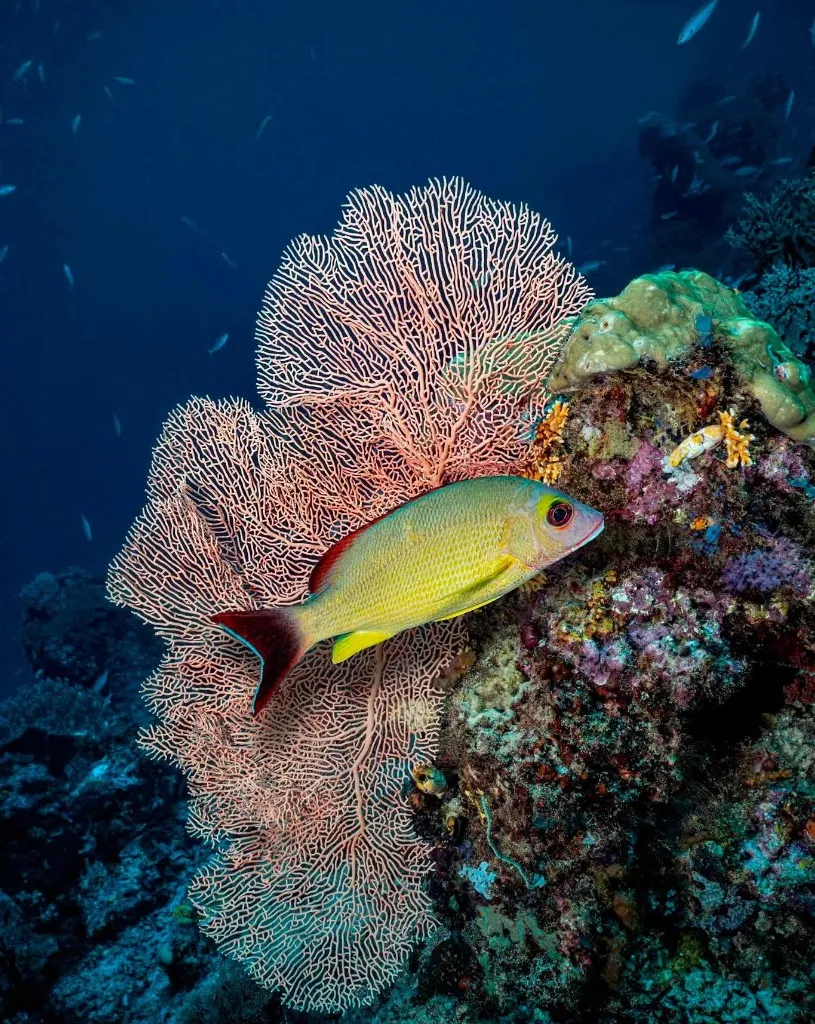
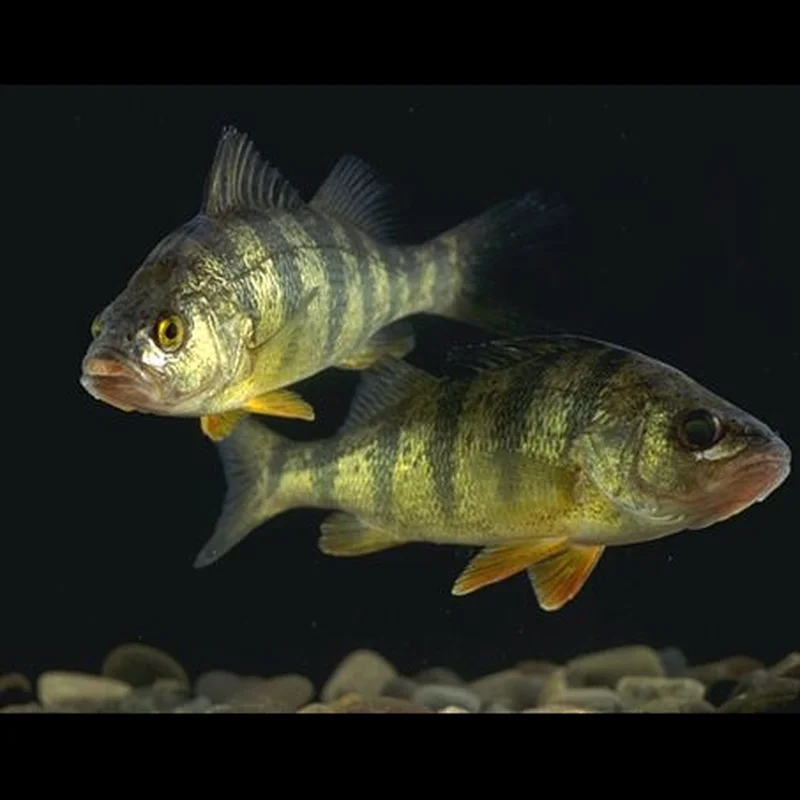
The wreck has become a magnet for big southern fish: snapper, blue groper, samson fish, jewfish, queen snapper and old wives all hold around the steel, and sea dragons are recorded here too. Spotting a sea dragon drifting near a wreck this size is a lovely contrast of delicate and massive.
The notes also mention harlequin fish, blue devils and eels among the structure, with a little less certainty. Hang near the wreckage and let the residents come to you; the steel concentrates the life, so patience pays better than distance covered.

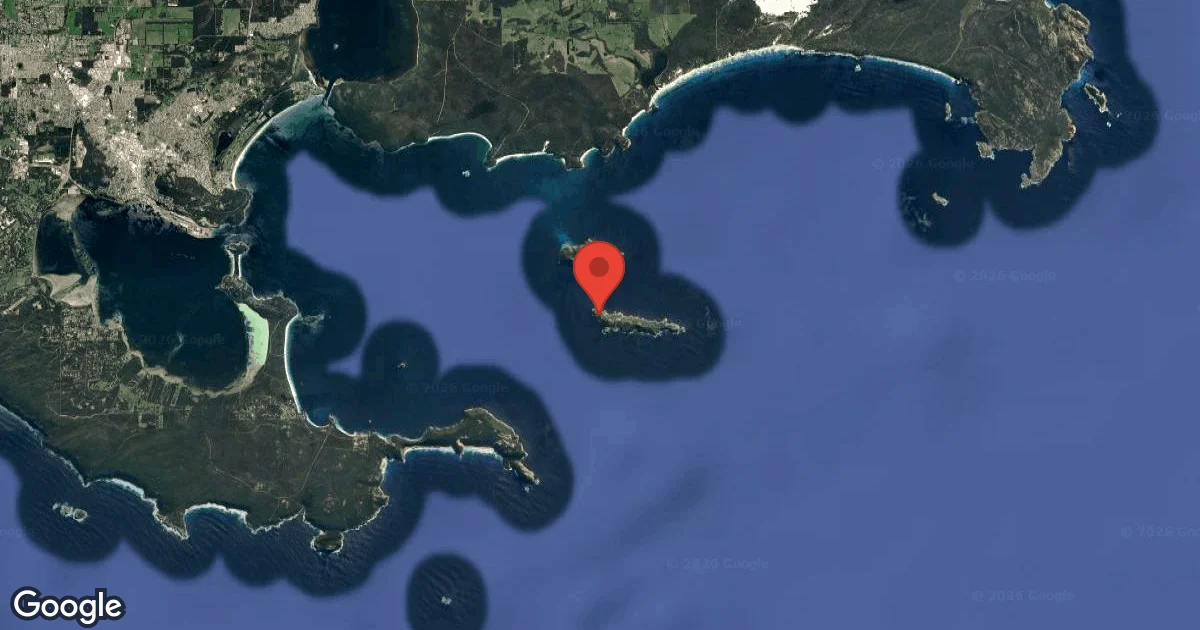
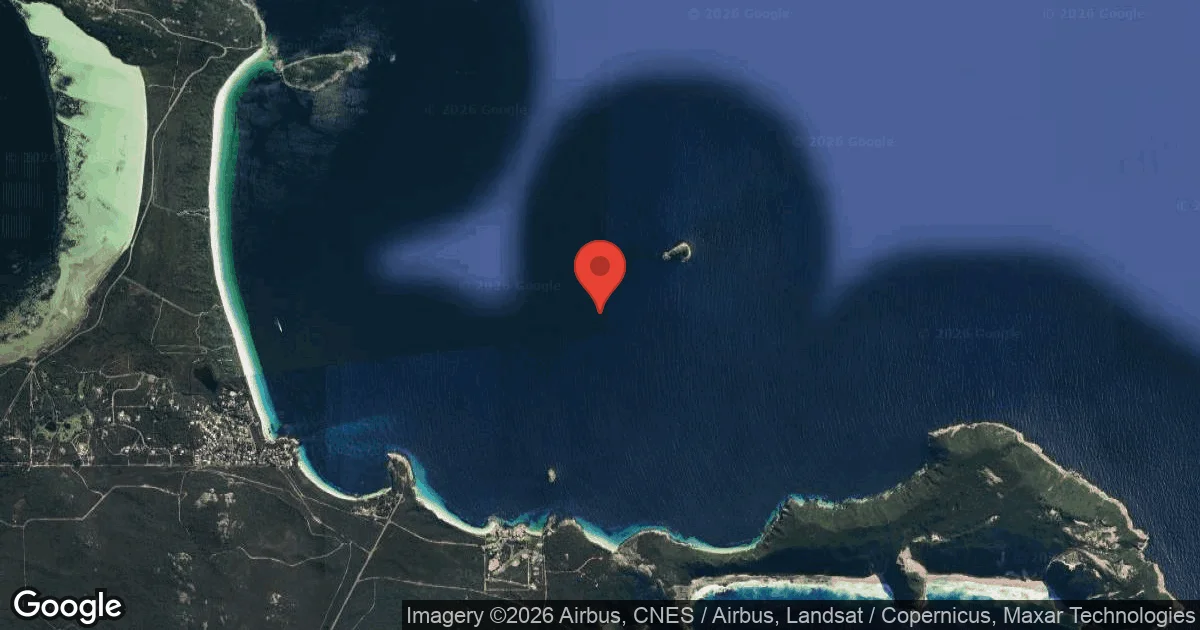
Dive Sites Near Cheynes III
View all dive sites in AustraliaDiscover more underwater gems in this area.
Dive Centers Near Cheynes III
No Dive Centers Local To Cheynes III
Are you a dive center visiting this location? Get listed to reach divers.
Nearest Airports
Nearest airports to help plan travel to this dive area.
Search Flights
Check available flights and routes on Expedia, using the nearby airports listed in this section.
Search Flights on ExpediaFrequently Asked Questions
What was Cheynes III?
A 47 m, 440-tonne steamship built in 1947 and used as a whale chaser, scuttled in 1982. It now lies broken in sections to about 23 m / 75 ft.
Can I go inside the wreck?
Only if you're trained and equipped for wreck penetration. It's broken into sections with real entanglement risk, so penetration is advanced-only; otherwise dive it from the outside.
How deep is it?
About 23 m / 75 ft at the deepest, averaging closer to 14 m / 46 ft across the higher sections.
How cold is the water?
Cold. It peaks near 20°C / 68°F and drops to about 17°C / 63°F in winter, so plan for heavy exposure protection.
What's the main weather concern?
Strong southerly winds, which build swell over the wreck quickly. Pick a calm, low-southerly day.
Planning to dive Cheynes III?
Send one inquiry and receive offers directly from the best verified local dive operators.
Conditions are Poor
High Swell Advisory. Not recommended.
Current conditions near Cheynes III show 22° air, 18° sea temperature, 2.8 m waves, and 63 km/h wind. Forecast data is refreshed regularly to ensure accuracy.