
Diving at Gannet Rocks (Australia)
About 35 km west of Busselton near Eagle Bay, Gannet Rocks is a shallow shore dive around a prominent rock formation, dropping to about 5 m / 16 ft. Ledges and outcrops shelter cuttlefish, wrasse and other small life. Rated beginner and open-water friendly, with one clear catch: a northerly wind can throw up large swell, so it's a calm-day site.
Evening condition tracking at Gannet Rocks features an air temperature of 16°C. We have recorded wave heights measuring 4.4 m during this period. These figures outline the environmental parameters currently present.
Dive Site Location & Key Facts
Dive Site Overview
A prominent rock formation sits just off the shore here, its exposed outcrops and ledges making the structure of the dive. The water is shallow, around 5 m / 16 ft at most and closer to 2 m / 7 ft on average, over a bottom of rock and reef.
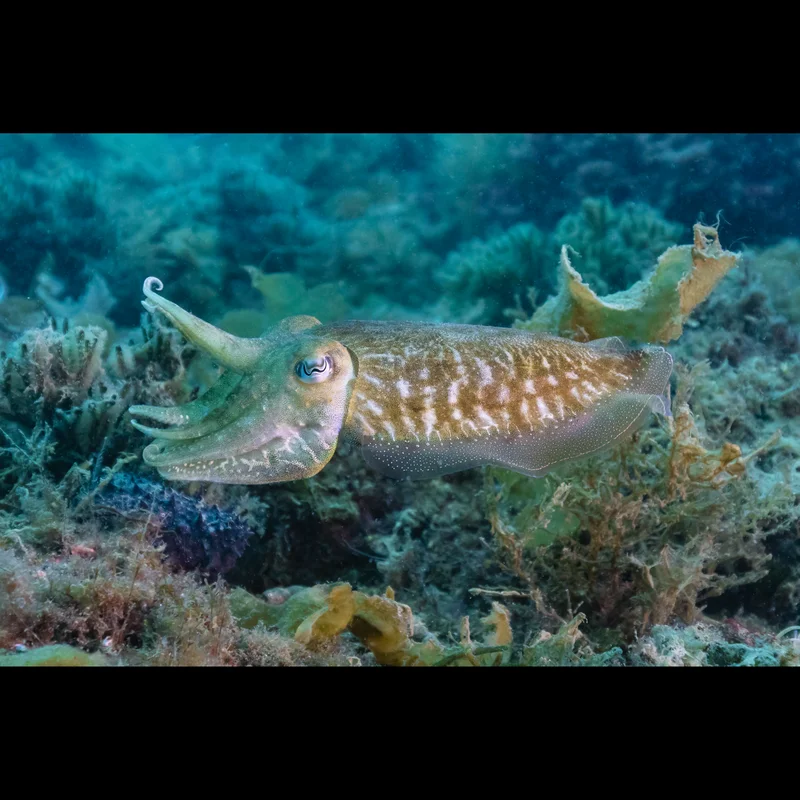
The ledges are where the interest lies, sheltering cuttlefish, wrasse and a scatter of small life that rewards a slow, close look. A cuttlefish shifting colour as it watches you from a ledge is the kind of small encounter that makes a shallow dive memorable. Access is from shore with parking nearby, which keeps it simple. The one thing that governs whether you go is the wind: a northerly can generate large swell on this stretch, and currents are noted too, so a calm day with the wind off the right quarter is what makes the rocks safe and easy to dive. The exposed outcrops break the shallow ground into pockets, so you work from ledge to ledge seeing what each one holds. It's a shore entry with parking close by, which keeps things simple once the wind cooperates.
Conditions are Unsafe
High Swell Advisory. Not recommended.
Current conditions near Gannet Rocks show 16° air, 18° sea temperature, 4.7 m waves, and 66 km/h wind. Forecast data is refreshed regularly to ensure accuracy.
Best Time to Dive
Summer, January through March, gives the best scores here, easing through the cooler, rougher months. Water runs cool, peaking around 21.7°C / 71°F and dropping to about 17°C / 63°F in winter, so a decent wetsuit earns its place most of the year. The key condition is the wind. A northerly builds large swell on this coast, so wind direction matters as much as the date, and wave height runs from about 1.4 m / 5 ft in calm months toward 2.9 m / 10 ft in winter. Pick a calm day with the wind off the right quarter and the shallow rocks stay safe and clear; on a northerly blow, leave it alone. Rain is light through the warm months, so the wind is really the only thing standing between you and an easy dive.
PEAK SEASON SCORE
Scores combine air & water temps, waves, wind & rainfall for overall conditions.
BEST MONTHS TO DIVE
Monthly records compiled from satellite and marine observation nodes over the last 3 years. Data provided by Open-Meteo and MET Norway.
Dive Experience & Conditions
Plan a shallow shore dive around a rock formation at about 5 m / 16 ft, working the ledges and outcrops. With depth this modest, air and time are barely a concern, so the dive becomes a slow search of the rock for what's sheltering in it. A torch helps you look under the ledges where the cuttlefish and small life hold. The shallow, simple layout keeps navigation easy. The condition that decides the dive is the wind: a northerly throws up large swell and currents can run, so a calm day with the right wind direction is essential. On a settled morning it's a relaxed potter; on a windy one, the exposure makes it a poor choice. Take your time at each ledge and let the small life come out of cover.
Dive Difficulty & Safety Guidelines
Shallow depth and shore access make this an easy, beginner-friendly dive at an open-water level in calm conditions. The decisive hazard is the wind: a northerly generates large swell, and currents are noted too, so a calm day with the wind off the right quarter is what keeps it safe.
The rocky entry deserves care, and the shallow ledges call for steady buoyancy to avoid contact and stirred sand. There's no overhead to manage, so the risks are really about the surface conditions on the day. Read the wind honestly, and on a settled morning it stays a low-stress shallow dive; on a northerly blow, it's one to skip.
Recommended Equipment
- Dive Computer
- Hard-soled Dive Boots
This gear list is based on verified equipment signals for Gannet Rocks, Australia. Always confirm final gear choices with your dive operator, guide, or liveaboard.
Recommended Dive Suit
For dives of average duration, 5-7mm wetsuit usually provides sufficient protection from heat loss. Strong winds are present; please take strong precautions against rapid cooling during surface intervals. A thermal robe or jacket is recommended between dives.
Divers planning a dive at Gannet Rocks today will likely encounter water temperatures close to 18°C (64°F). Surface air temperatures are resting at 16°C (61°F).
Conditions are expected to stay fairly consistent in the days ahead.
Emergency & Medical Support
Essential information to help you plan your dive trip to Gannet Rocks.

Hyperbaric chambers are a critical part of dive safety infrastructure. Availability varies significantly by region, and not all dive areas have immediate access.
Before diving, it's recommended to:
- confirm nearest medical facilities
- check emergency procedures with local dive operators
- ensure dive insurance covers evacuation if required
Divers Alert Network
Diving emergency assistance available through DAN World.
+1-919-684-9111- 24/7 emergency hotline
- Diving medical assistance
- Evacuation coordination
Emergency contacts are provided for reference. Always verify local emergency services before diving.
Marine Life at Gannet Rocks
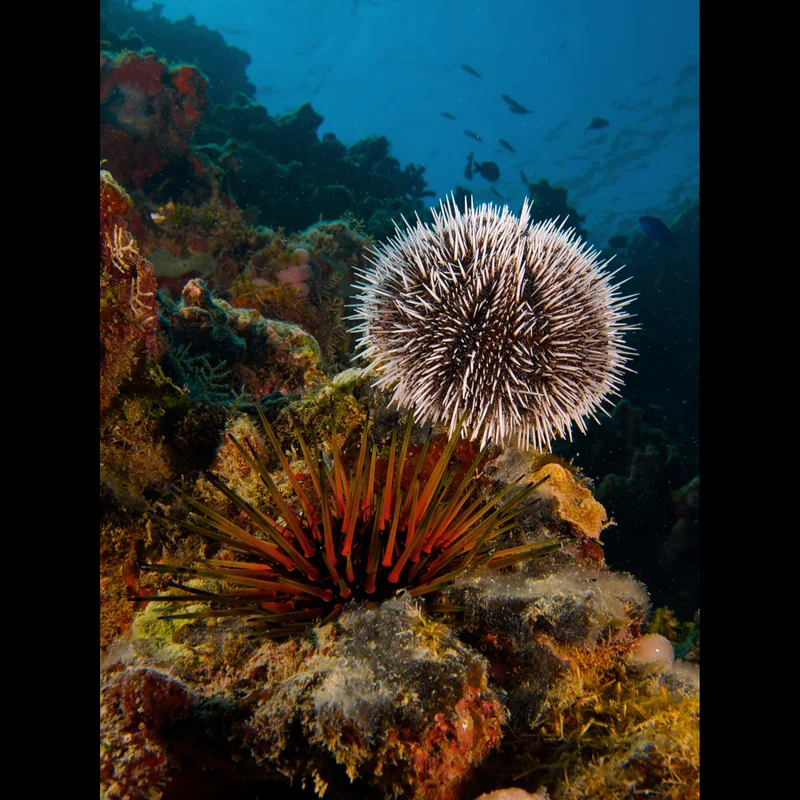
Cuttlefish are the highlight, holding around the ledges and shifting colour as you approach, and watching one work its camouflage is a genuine treat on a shallow dive. Confirmed alongside them are wrasse, old wife, sea urchins and sea cucumbers across the rock.
The records also mention crabs and eels tucked into the ledges, with a little less certainty. Move slowly and search the undersides of the rock, since the small, hidden life is the reward here, with the cuttlefish the standout when one shows.

Dive Sites Near Gannet Rocks
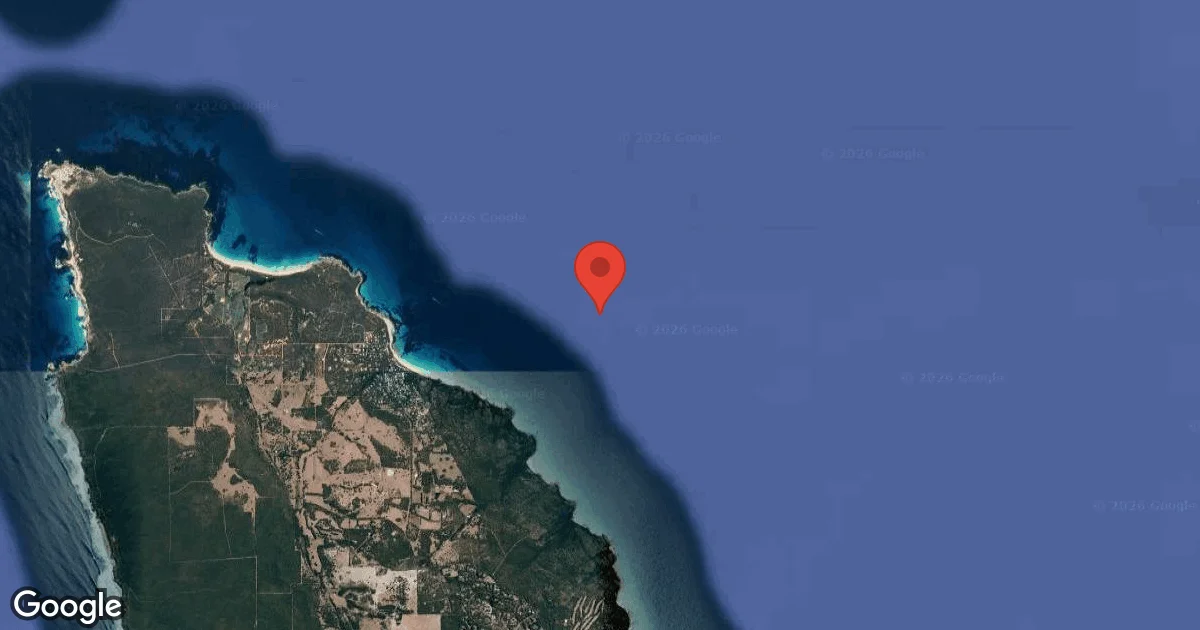
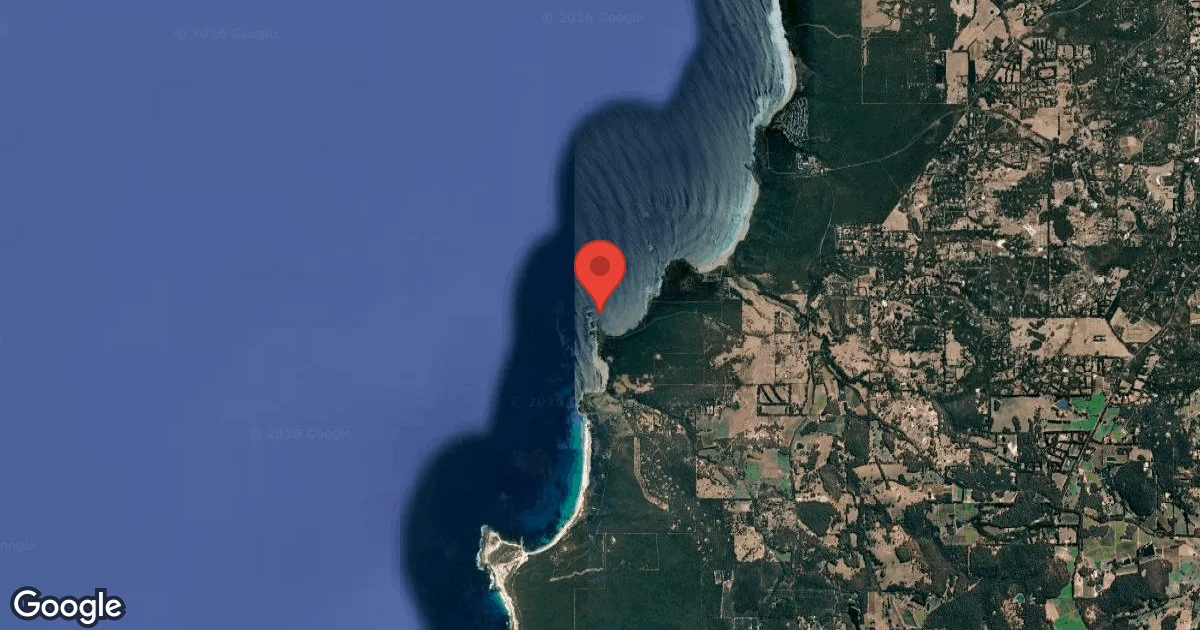
View all dive sites in AustraliaDiscover more underwater gems in this area.
Dive Centers Near Gannet Rocks
Today: 09:00 - 16:00
Nearest Airports
Nearest airports to help plan travel to this dive area.
Search Flights
Check available flights and routes on Expedia, using the nearby airports listed in this section.
Search Flights on ExpediaFrequently Asked Questions
What will I see at Gannet Rocks?
Cuttlefish are the highlight, with wrasse, old wife, sea urchins and sea cucumbers confirmed around the ledges and outcrops.
How deep is it?
Shallow, about 5 m / 16 ft at most and closer to 2 m / 7 ft on average, so it's an easy snorkel-depth dive.
What's the main thing to watch?
The wind. A northerly can generate large swell here, and currents are noted, so pick a calm day with the wind off the right quarter.
Is it suitable for beginners?
Yes, in calm conditions. It's a shallow, open-water-level shore dive; just respect the rocky entry and the wind.
When are conditions best?
Summer, January through March, scores best, and on any visit a settled, low-swell day is the priority.
Planning to dive Gannet Rocks?
Send one inquiry and receive offers directly from the best verified local dive operators.
Conditions are Unsafe
High Swell Advisory. Not recommended.
Current conditions near Gannet Rocks show 16° air, 18° sea temperature, 4.7 m waves, and 66 km/h wind. Forecast data is refreshed regularly to ensure accuracy.