
Diving at Hmas Swan (Australia)
Off Dunsborough near Busselton, HMAS Swan is a 113 m naval destroyer scuttled in 1997 as an artificial reef, with its crow's nest at about 9 m / 30 ft and the seabed at about 31 m / 102 ft. Its multiple levels make it a popular wreck for working up your training. Rated intermediate to advanced with a deep specialty; penetration is for trained divers, and the interior silts easily.
As evening covers Hmas Swan, the local air temperature is measured at 17°C. The current wave height at the surface is recorded at 3.7 m. These late-day readings characterize the surface conditions for the night.
Dive Site Location & Key Facts
Dive Site Overview
A 113 m former naval destroyer, decommissioned after years with the Royal Australian Navy and deliberately sunk in 1997, lies here as a purpose-built dive wreck. It spans a wide depth range, from the crow's nest at about 9 m / 30 ft down to the seabed at about 31 m / 102 ft, with an average around 22 m / 72 ft.
That range is what makes the Swan such a useful wreck: you can dive the shallower superstructure or work deeper along the hull, choosing the depth to match your training and the day. The destroyer was prepared with access points, so penetration is genuinely on the table for divers qualified for it, with the silty interior the main reason to take that seriously. Access is by boat with mooring in place. The shallow crow's nest gives even the upper dive a clear landmark, while the deeper sections push into advanced, deep-specialty territory. The shallow crow's nest at about 9 m / 30 ft gives the upper dive a clear landmark, while the deeper hull rewards divers with the training to work it. Choosing the depth that fits your ticket is the whole appeal, so plan your profile before you drop.
Conditions are Unsafe
High Swell Advisory. Not recommended.
Current conditions near Hmas Swan show 17° air, 18° sea temperature, 4.7 m waves, and 63 km/h wind. Forecast data is refreshed regularly to ensure accuracy.
Best Time to Dive
Summer, January through March, posts the best scores on this stretch near Dunsborough. Water runs cool to mild, peaking near 21.7°C / 71°F and dropping to about 17°C / 63°F in winter, so a thick suit shapes your comfort and bottom time, especially on the deeper sections. Wave height is moderate, in a 1.4–2.9 m / 5–10 ft band that lifts through winter, and wind picks up in the cooler months. The practical window is a calm summer day, when the wreck is settled and the deeper hull is workable, and on any visit the depth and cold mean a forecast you trust matters before you commit. The depth and cold mean a forecast you trust matters as much as the season, so check the conditions before committing to the deeper hull.
PEAK SEASON SCORE
Scores combine air & water temps, waves, wind & rainfall for overall conditions.
BEST MONTHS TO DIVE
Monthly records compiled from satellite and marine observation nodes over the last 3 years. Data provided by Open-Meteo and MET Norway.
Dive Experience & Conditions
Plan a boat dive onto a 113 m destroyer with a depth range from about 9 m / 30 ft at the crow's nest to 31 m / 102 ft on the seabed. You choose your profile, staying shallow on the superstructure or working deeper along the hull as your training allows. A torch is essential for the shaded steel and any interior sections, and a cutting tool matters given the silt and entanglement risk inside. Cold water shortens comfortable bottom time, so plan accordingly. The wreck's prepared access points make penetration possible for those trained for it, but the silty interior clouds easily, so light, gas and exit discipline are vital. Pick the depth that fits your ticket and the day, and let a calm forecast open up the deeper hull.
Dive Difficulty & Safety Guidelines
The wide depth range lets the Swan straddle intermediate and advanced, and you set which by the profile you choose. The shallower superstructure is more forgiving; the deeper hull at about 31 m / 102 ft is deep-specialty territory with the gas and no-deco discipline that depth demands.
Penetration is the central safety point. The interior silts easily, so going inside removes your direct ascent and calls for wreck-penetration training, redundant gas, light management and a cutting tool. Divers without that training have a full dive on the exterior across the depth range. Cold water adds fatigue, so dress for it and watch your time. Match the dive to your training, keep penetration within your limits, and the wreck rewards you across the levels.
Recommended Equipment
Deep dive hazard. Increased narcosis and gas consumption risk.
Overhead / entanglement risk. Wreck penetration requires proper training.
- Dive Computer
- DSMB
- Primary & Backup Lights
- Wreck Reel
- Cutting Tool
This gear list is based on verified equipment signals for Hmas Swan, Australia. Always confirm final gear choices with your dive operator, guide, or liveaboard.
Recommended Dive Suit
5-7mm wetsuit is widely used for recreational dives in waters of this temperature. Strong winds are present; please take strong precautions against rapid cooling during surface intervals. A thermal robe or jacket is recommended between dives. Those diving at Hmas Swan today will likely encounter water temperatures in the region of 18°C (64°F). Surface air temperatures are resting at 17°C (62°F).
Surface temperatures may decrease slightly later in the week. Cooler days are ahead; you might want a warmer option for later in the week. Some divers bring an extra layer for surface intervals between dives.
Water temperatures can occasionally shift throughout the day depending on currents and depth layers.
Emergency & Medical Support
Essential information to help you plan your dive trip to HMAS Swan.

Hyperbaric chambers are a critical part of dive safety infrastructure. Availability varies significantly by region, and not all dive areas have immediate access.
Before diving, it's recommended to:
- confirm nearest medical facilities
- check emergency procedures with local dive operators
- ensure dive insurance covers evacuation if required
Divers Alert Network
Diving emergency assistance available through DAN World.
+1-919-684-9111- 24/7 emergency hotline
- Diving medical assistance
- Evacuation coordination
Emergency contacts are provided for reference. Always verify local emergency services before diving.
Marine Life at Hmas Swan
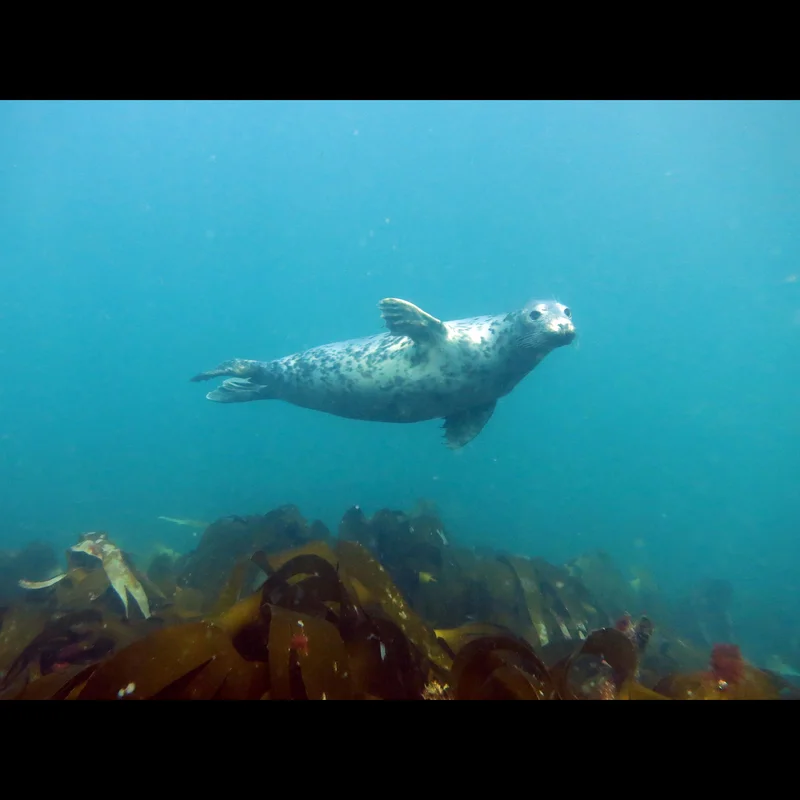
The Swan has become a reef over its decades underwater, and a seal is the confirmed sighting cruising the structure, an encounter that lifts any dive when it happens. The steel gives shelter and surface for life across its length.
The accounts also describe sponges and hard and soft coral colonising the hull, along with pelagic fish moving past, though those sit less certain than the seal. Settle near a section of the wreck and watch what gathers, since the structure concentrates the life along the destroyer's length.
Dive Sites Near Hmas Swan
View all dive sites in AustraliaDiscover more underwater gems in this area.
Dive Centers Near Hmas Swan
Today: 09:00 - 16:00
Nearest Airports
Nearest airports to help plan travel to this dive area.
Search Flights
Check available flights and routes on Expedia, using the nearby airports listed in this section.
Search Flights on ExpediaFrequently Asked Questions
What is HMAS Swan?
A 113 m naval destroyer scuttled off Dunsborough in 1997 as an artificial reef, with a depth range from a crow's nest at about 9 m / 30 ft to a seabed at about 31 m / 102 ft.
Why is it good for building experience?
Its wide depth range lets you dive the shallower superstructure or work deeper along the hull, choosing the depth to match your training and the day.
Can I penetrate it?
Yes, if you're trained and equipped. It was prepared with access points, but the interior silts easily, so penetration is for qualified divers only.
How cold is the water?
Cool to mild, peaking near 21.7°C / 71°F and dropping to about 17°C / 63°F, so plan for a thick suit.
Is it suitable for newer divers?
The shallower superstructure suits intermediate divers, but the deeper hull is advanced, deep-specialty diving. Choose your profile to match your training.
Planning to dive Hmas Swan?
Send one inquiry and receive offers directly from the best verified local dive operators.
Conditions are Unsafe
High Swell Advisory. Not recommended.
Current conditions near Hmas Swan show 17° air, 18° sea temperature, 4.7 m waves, and 63 km/h wind. Forecast data is refreshed regularly to ensure accuracy.