
Diving at Canal Rocks (Australia)
About 35 km west of Busselton, Canal Rocks is an advanced rocky reef cut with gutters, canals and swim-throughs, dropping to about 20 m / 66 ft. It's known for eagle rays gliding through the channels. Strong currents, surge and a challenging entry and exit make it firmly advanced; you want solid experience and good conditions before you take it on.
Tonight's objective overview for Canal Rocks shows an air temperature of 16°C. The measured surface conditions include wave heights around 2.4 m. This environmental data is logged for the close of the day.
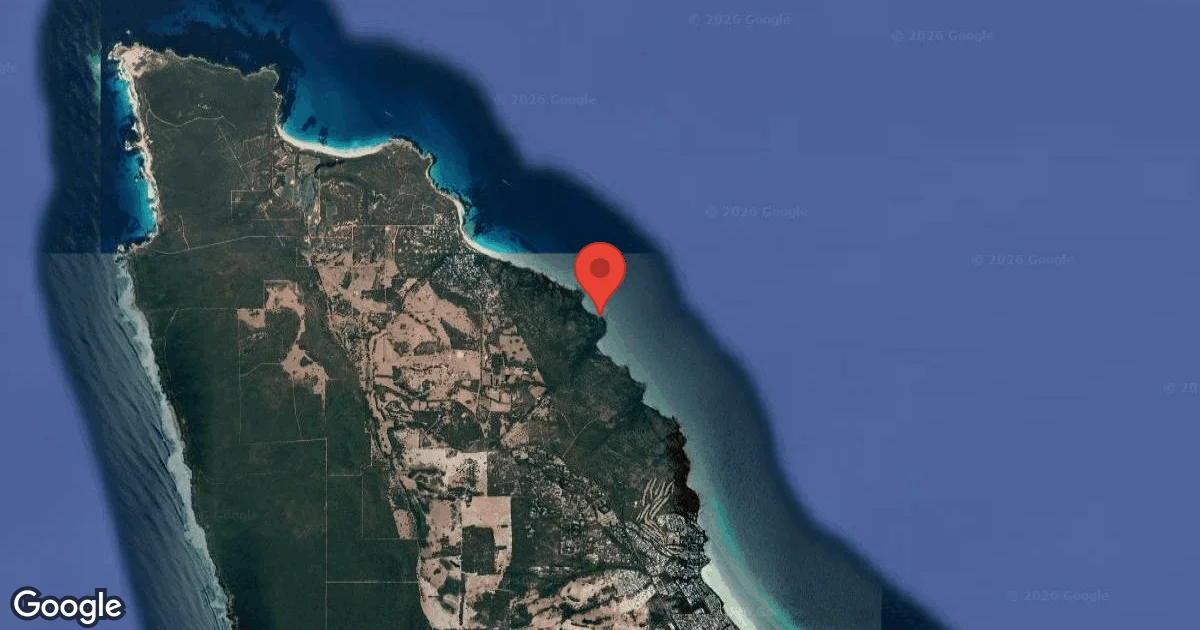
Dive Site Location & Key Facts
Dive Site Overview
The name says it: this is a rocky reef sliced into gutters and little canals, with swim-throughs threading the rock, the whole thing dropping to about 20 m / 66 ft and averaging around 16 m / 52 ft. It's dynamic, three-dimensional diving where the terrain constantly channels you.
The payoff is what moves through those channels. Eagle rays are a known feature here, and watching one bank through a canal is the image that draws divers down. But the same gutters that funnel the rays also funnel water, and strong current and surge are constants, not occasional visitors. Getting in and out is its own challenge over the rocks, so this is a dive you commit to with experience and a good forecast. Reach it from shore or by boat, with parking nearby, and treat the entry with as much planning as the dive itself. The gutters and little canals constantly funnel you one way or another, so you read the terrain as you go and let it set your line. Parking sits close by, but the rocky entry is the part to plan hardest.
Conditions are Unsafe
High Swell Advisory. Not recommended.
Current conditions near Canal Rocks show 16° air, 18° sea temperature, 3.0 m waves, and 66 km/h wind. Forecast data is refreshed regularly to ensure accuracy.
Best Time to Dive
Summer, January through March, gives the best scores and the most workable conditions on this exposed stretch of coast. The water is cool, peaking only around 21°C / 70°F and sitting near 18°C / 64°F in winter, so proper exposure protection is a given. Swell is the gatekeeper. Wave height runs from about 1.8 m / 6 ft in summer up toward 3.3 m / 11 ft in winter, and on this current- and surge-prone reef a big swell makes both the entry and the dive unsafe. Wait for a genuinely calm window, because the difference between a good day and a dangerous one here is mostly the size of the swell. On this current-prone reef, the size of the swell is the difference between a great day and a dangerous one.
PEAK SEASON SCORE
Scores combine air & water temps, waves, wind & rainfall for overall conditions.
BEST MONTHS TO DIVE
Monthly records compiled from satellite and marine observation nodes over the last 3 years. Data provided by Open-Meteo and MET Norway.
Dive Experience & Conditions
This is a current-aware dive from the moment you enter. You work the gutters and canals at about 20 m / 66 ft, threading swim-throughs as the terrain directs you, often moving with the water instead of against it. Strong current and surge are the defining conditions, so good current technique and a constant read of where the water is pushing you are essential. Eagle rays through the channels are the reward for being there on the right day. The entry and exit over rock are challenging and deserve as much thought as the underwater plan. Talk through the conditions with anyone who knows the site, gear up for cool water, and pick a calm day so the canals are a playground and not a washing machine.
Dive Difficulty & Safety Guidelines
Everything about this site points to advanced. Strong currents, surge and a challenging entry and exit combine with 20 m / 66 ft depth to demand real experience, and the structured notes back an advanced, advanced-open-water level.
Current technique is non-negotiable: you need to be comfortable moving with flow, ascending in it, and carrying an SMB for a surface that may be away from your entry. The swim-throughs and gutters are features to pass through with care, not overheads to linger in. The rocky entry and exit can be the most hazardous part of the whole dive, so plan it, time it to the swell, and abort if the sea is up. On a calm day with the right experience, it's superb; on a rough one, it's a hard no.
Recommended Equipment
- Dive Computer
- DSMB
This gear list is based on verified equipment signals for Canal Rocks, Australia. Always confirm final gear choices with your dive operator, guide, or liveaboard.
Recommended Dive Suit
Conditions in the coming days are expected to stay within a similar temperature range.
Factors such as dive duration, depth, and activity level can influence how warm a diver feels underwater. Stronger winds may also make surface intervals feel cooler than usual. Surface intervals may feel noticeably cooler once you exit the water.
5-7mm wetsuit typically balances flexibility and thermal protection in these temperatures. Strong winds are present; please take strong precautions against rapid cooling during surface intervals. A thermal robe or jacket is recommended between dives. Divers preparing to enter the water at Canal Rocks will likely find temperatures around 18°C (64°F) today. Surface air temperatures are resting at 16°C (61°F).
Emergency & Medical Support
Essential information to help you plan your dive trip to Canal Rocks.

Hyperbaric chambers are a critical part of dive safety infrastructure. Availability varies significantly by region, and not all dive areas have immediate access.
Before diving, it's recommended to:
- confirm nearest medical facilities
- check emergency procedures with local dive operators
- ensure dive insurance covers evacuation if required
Divers Alert Network
Diving emergency assistance available through DAN World.
+1-919-684-9111- 24/7 emergency hotline
- Diving medical assistance
- Evacuation coordination
Emergency contacts are provided for reference. Always verify local emergency services before diving.
Marine Life at Canal Rocks
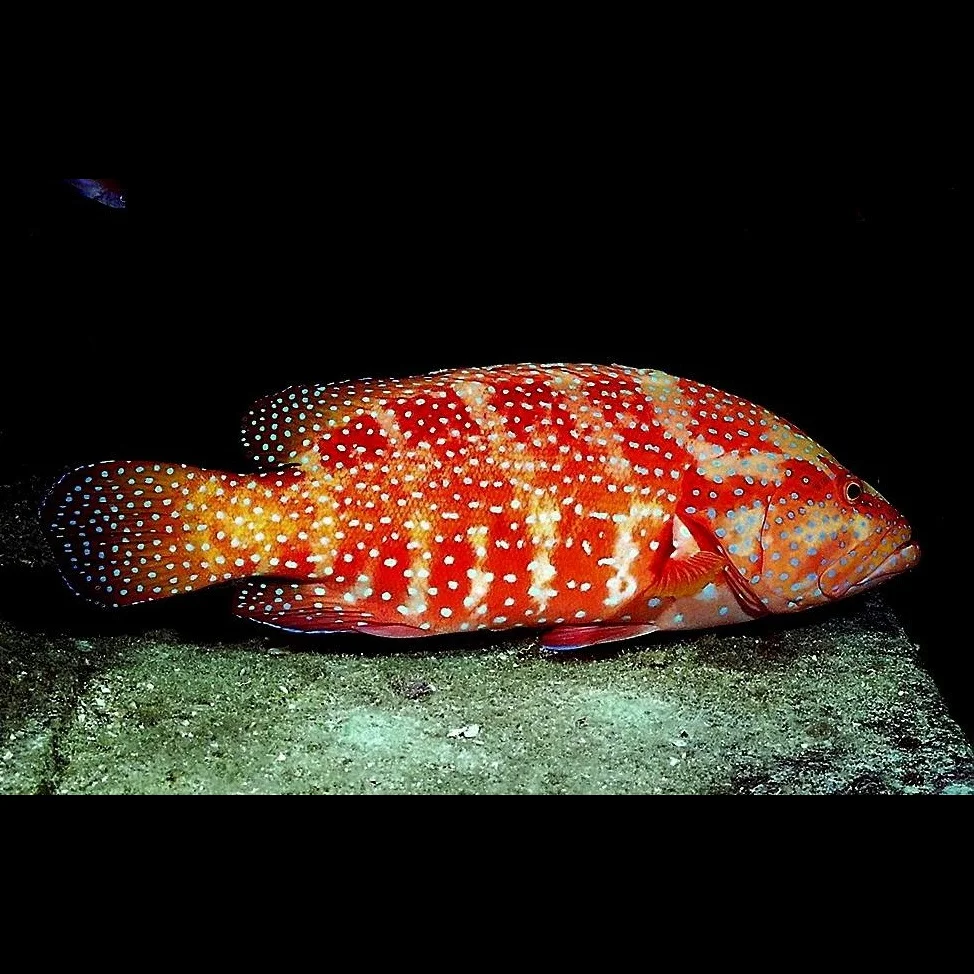
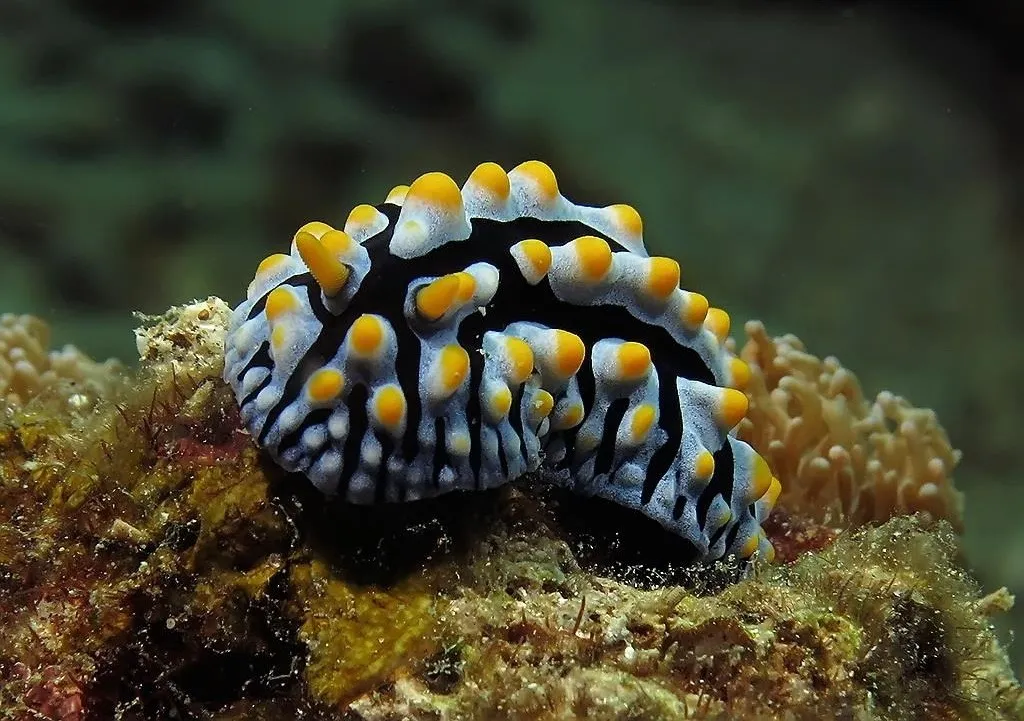
Eagle rays are the signature, recorded gliding through the canals, and the reef also reliably holds blue grouper, crayfish, sea stars and nudibranchs among the rock. Catching an eagle ray sweep through a gutter, unhurried and close, is what people remember from here.
The records also list sting rays, sponges and sea ferns across the reef, though with less certainty than the resident life. Come for the structure and the rays, and let the smaller finds reward a closer look at the rock.


Dive Sites Near Canal Rocks
View all dive sites in AustraliaDiscover more underwater gems in this area.
Dive Centers Near Canal Rocks
Today: 09:00 - 16:00
Nearest Airports
Nearest airports to help plan travel to this dive area.
Search Flights
Check available flights and routes on Expedia, using the nearby airports listed in this section.
Search Flights on ExpediaFrequently Asked Questions
Is Canal Rocks suitable for beginners?
No. Strong currents, surge, a challenging entry and exit, and 20 m / 66 ft depth make it firmly advanced. You want solid experience and calm conditions.
What's the main attraction?
Eagle rays gliding through the gutters and canals, set in dynamic rocky terrain full of swim-throughs.
Why is the entry difficult?
It's over rock and exposed to surge, so it can be the most hazardous part of the dive. Plan it carefully and time it to a low swell.
Do I need to handle current?
Yes. Strong current is a defining condition, so confident current technique, an SMB, and comfort ascending in flow are essential.
When is it diveable?
On a genuinely calm, low-swell day, ideally in summer when scores are best. A big swell makes it unsafe.
Planning to dive Canal Rocks?
Send one inquiry and receive offers directly from the best verified local dive operators.
Conditions are Unsafe
High Swell Advisory. Not recommended.
Current conditions near Canal Rocks show 16° air, 18° sea temperature, 3.0 m waves, and 66 km/h wind. Forecast data is refreshed regularly to ensure accuracy.