
Diving at Große Steinwand (Austria)
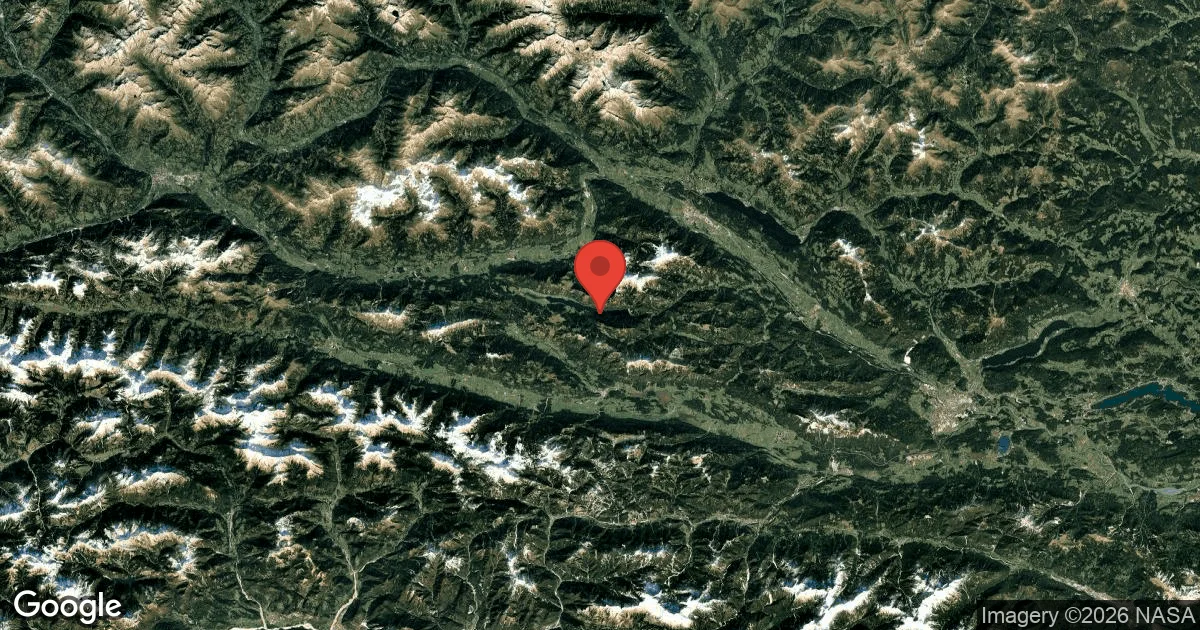
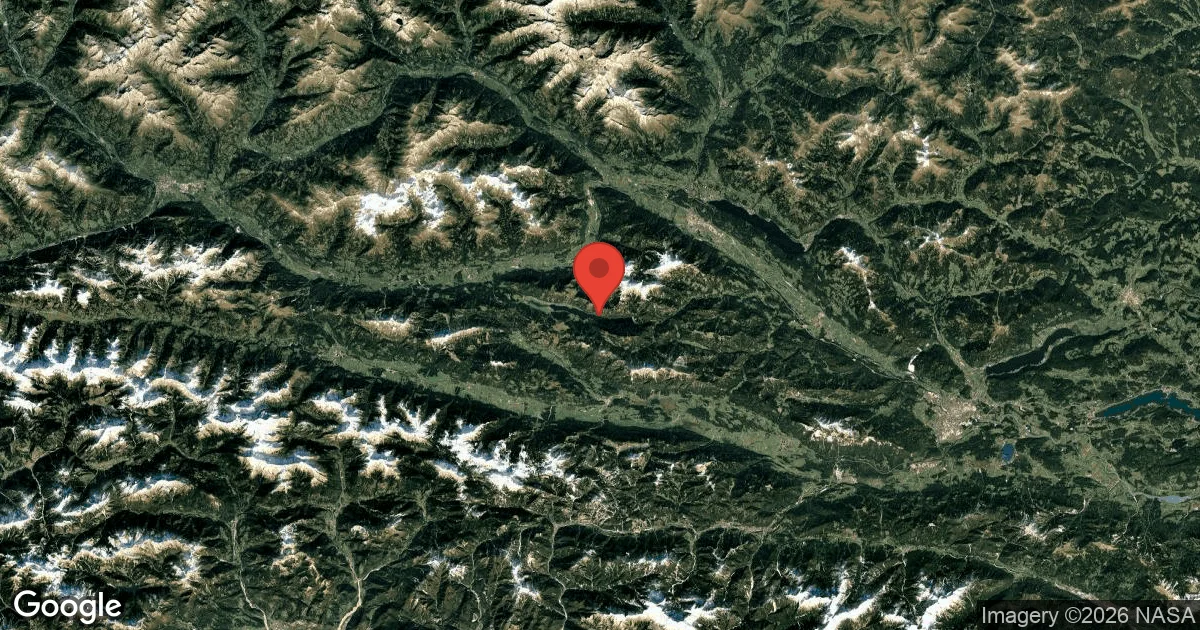
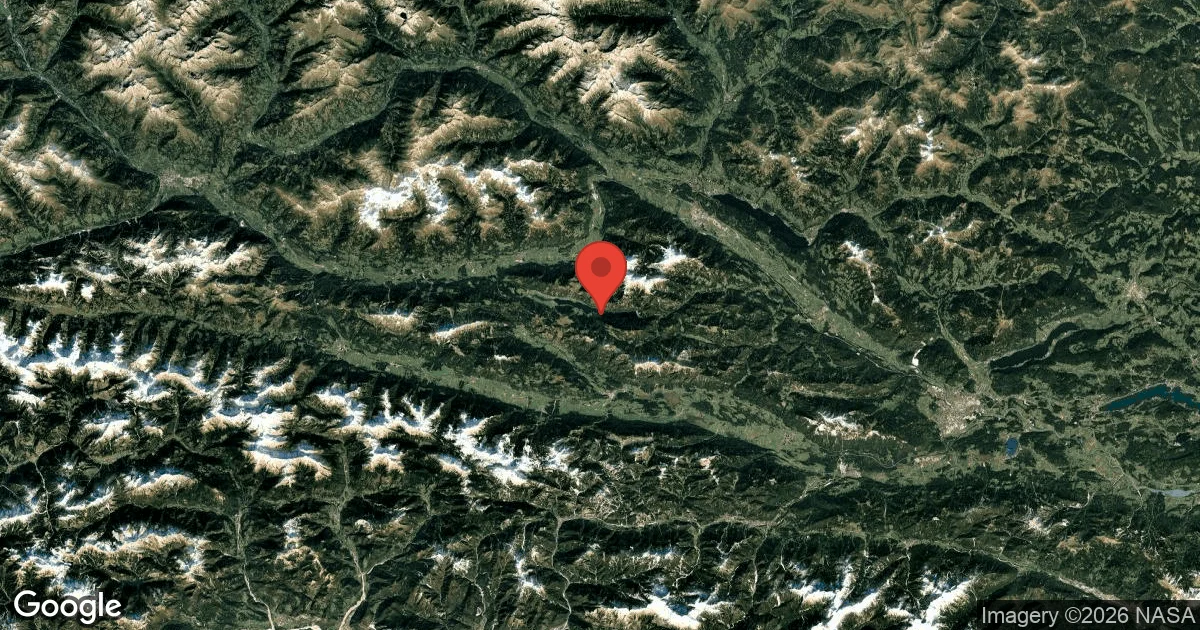
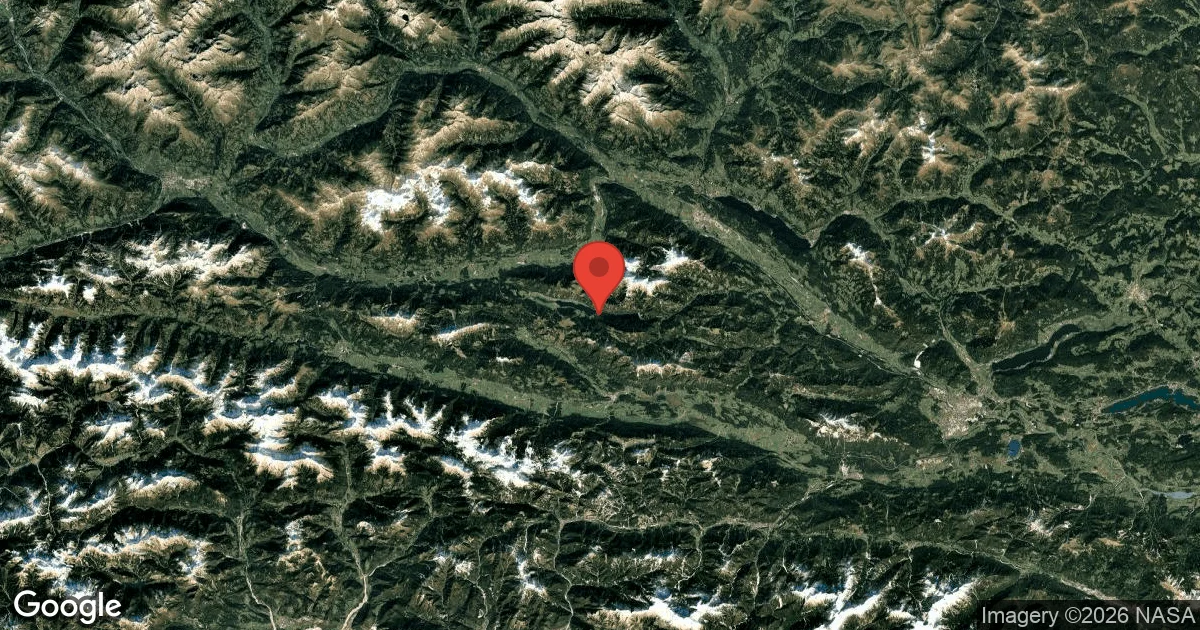
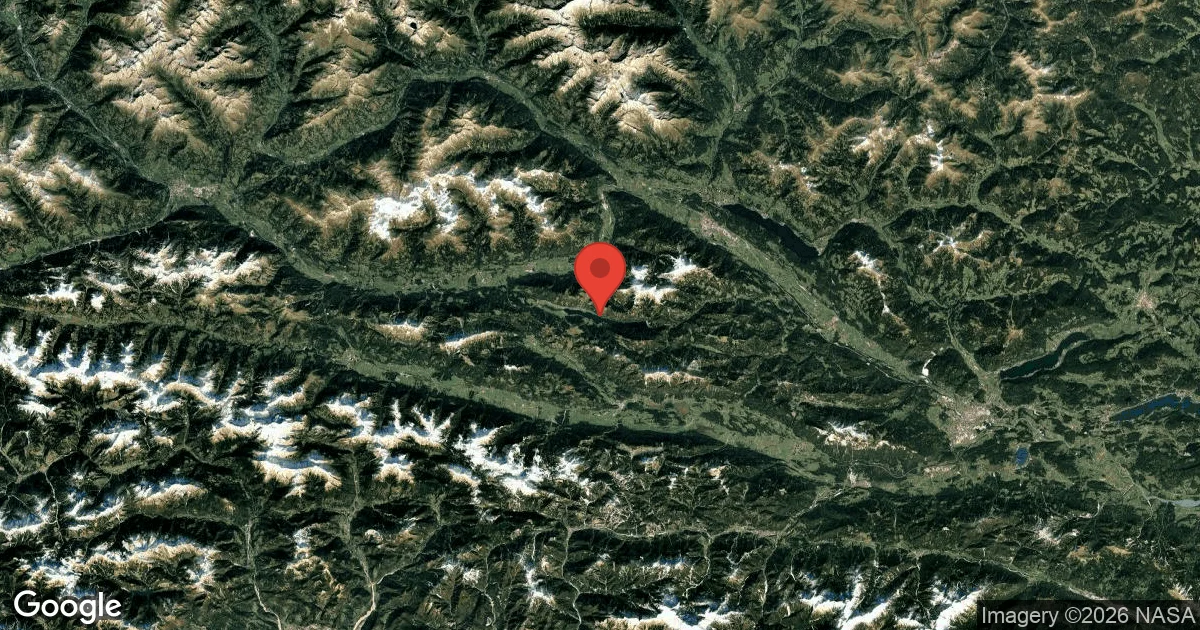
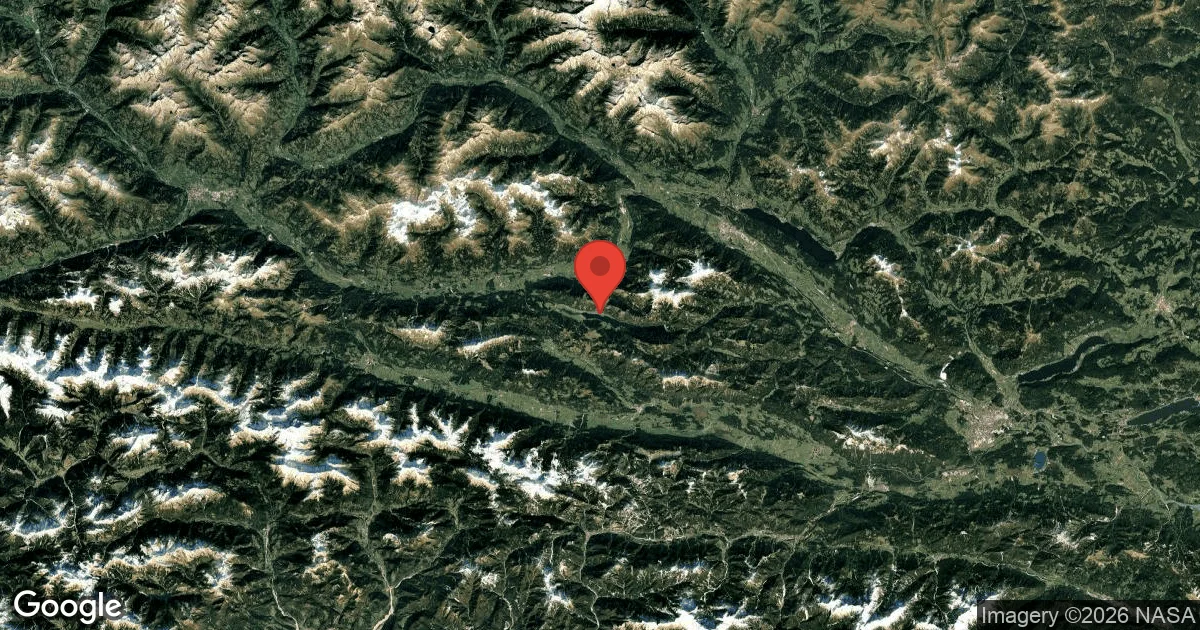
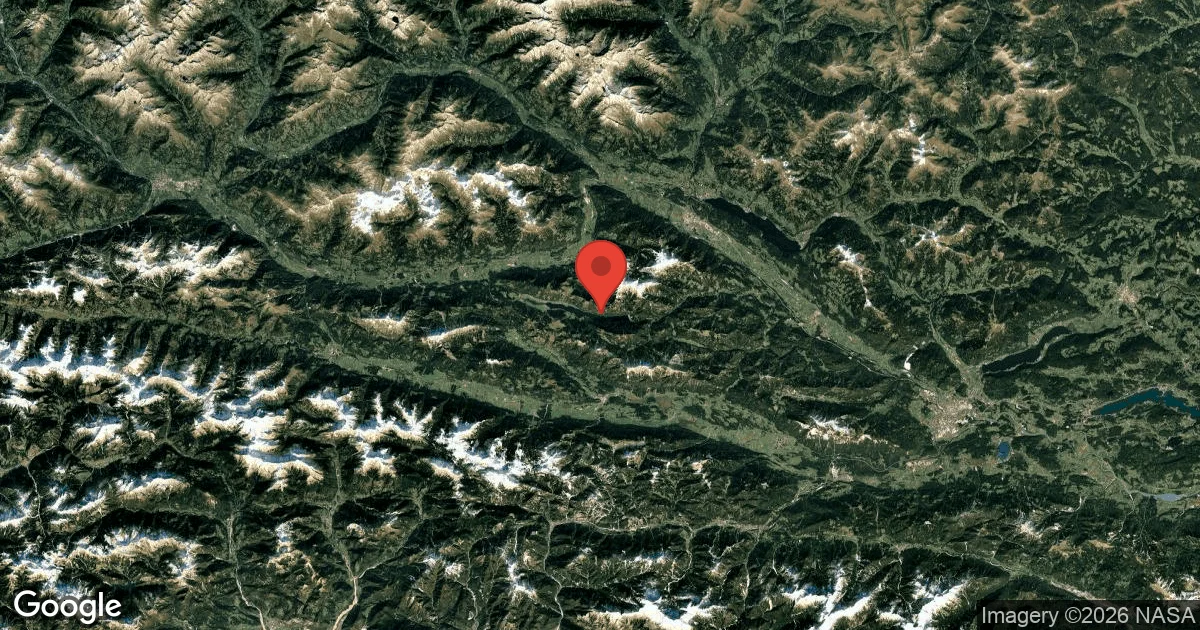
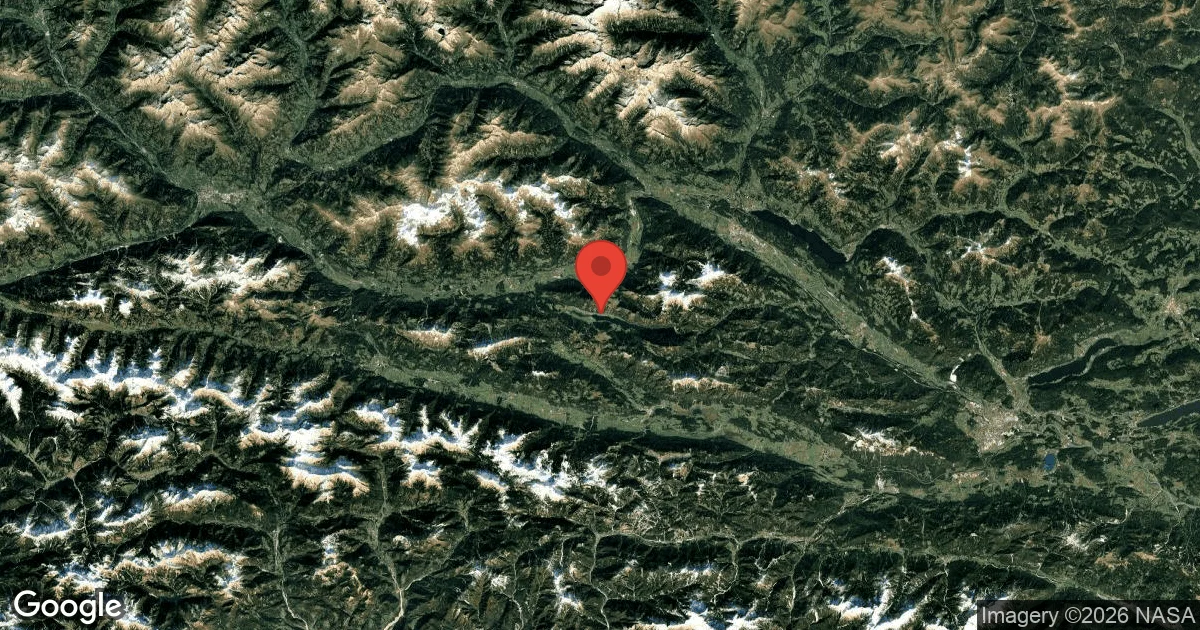
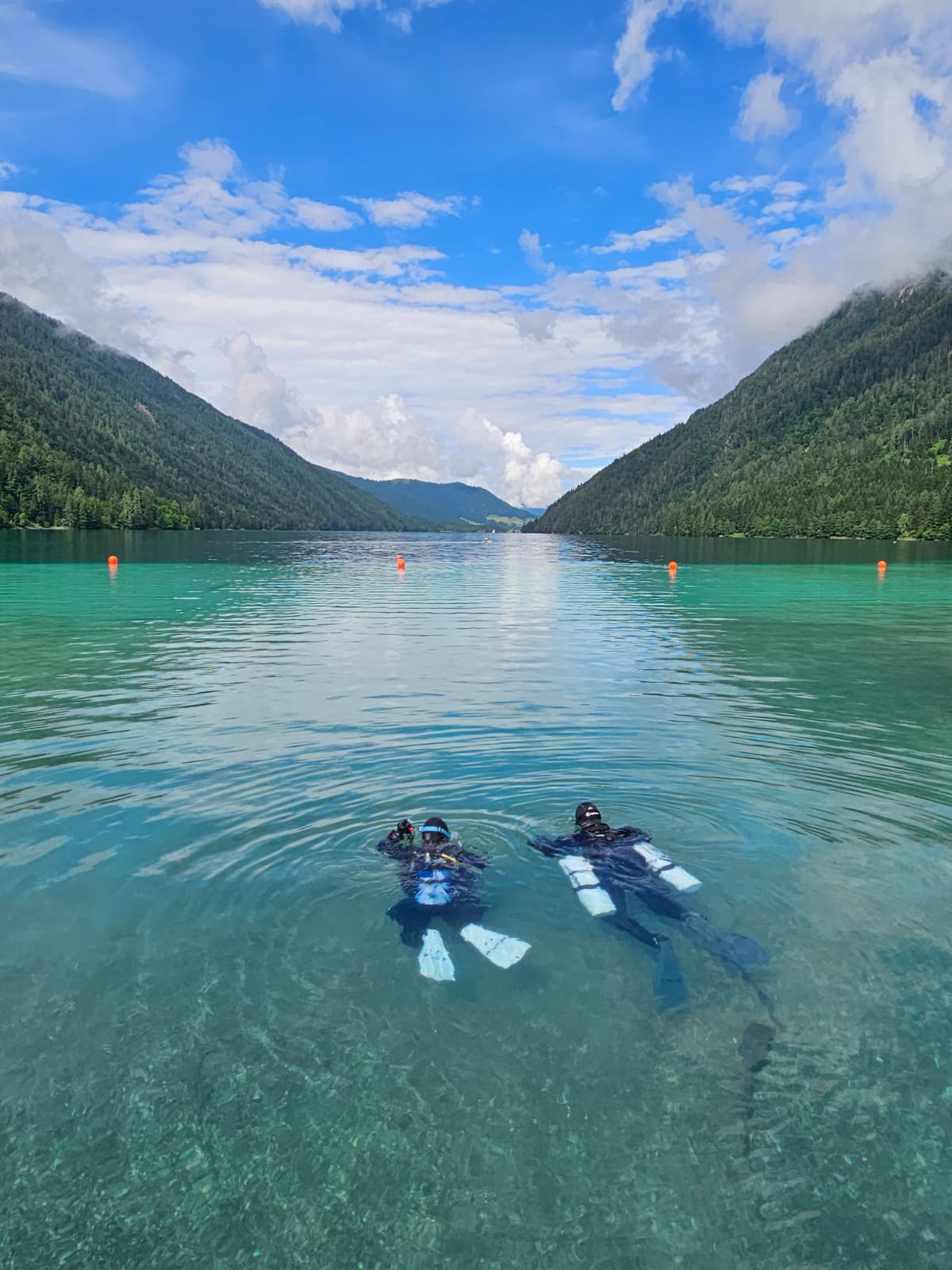
A particularly scenic and expansive steep wall defines Große Steinwand within Austria's Naturpark Weissensee. Stretching approximately 350 m (1,150 ft) along the lake, an impressive geological formation plunges dramatically to around 70 m (230 ft). It showcases one of the lake's most striking underwater topographies, defining the dive experience. Continuous fish presence and geological grandeur mark this site.
Recent updates for Große Steinwand show an air temperature measuring 9.5°C. Overall water conditions reflect the typical seasonal state for Austria. Please exercise standard safety precautions before entering the water.
Dive Site Location & Key Facts
Dive Site Overview
For divers seeking significant vertical topography, an engaging steep wall experience awaits at Große Steinwand, accessible exclusively by dive boat. Deep wall environments and dramatic underwater landscapes define the appeal here.
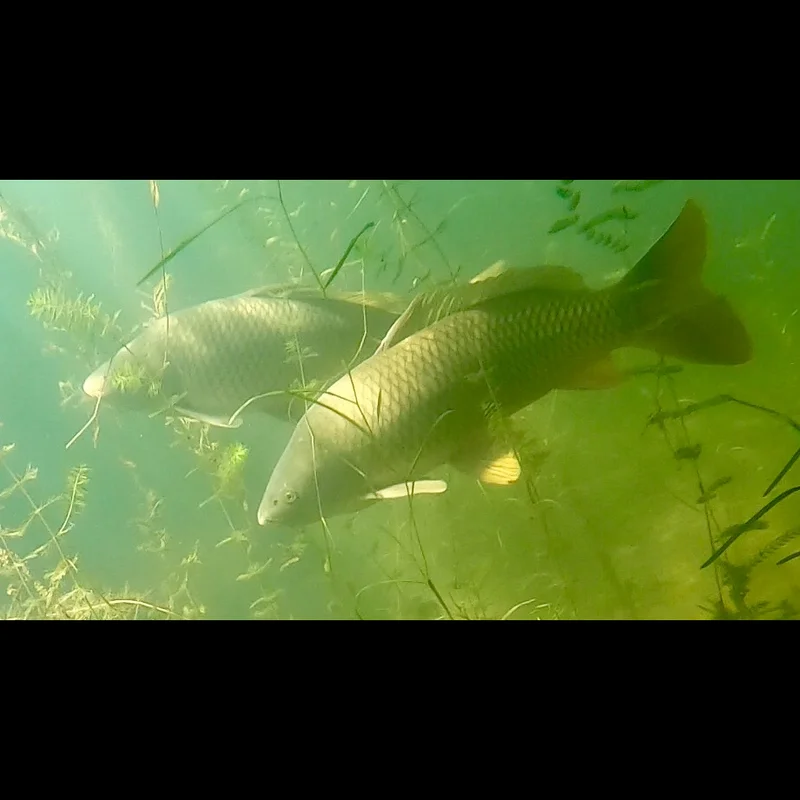
A typical dive begins by following the descent line from the mooring buoy. From there, you'll pass an active carp habitat situated beneath a collection of sunken, ancient trees. Große Steinwand's gigantic wall descends in multiple stages, creating a diverse profile for exploration.
Navigating underwater ledges and overhangs, a consistent presence of fish life becomes apparent, underscoring Lake Weissensee's reputation as Austria's most fish-rich waters. During autumn, keen observers might witness water birds actively hunting in the shallows above, adding a unique top-side spectacle.
A substantial length, around 350 m (1,150 ft), allows for extensive exploration along the face, whether focusing on shallower zones with abundant juveniles or venturing deeper towards the 70 m (230 ft) drop-off. Große Steinwand provides a comprehensive steep wall dive, appealing to those keen on exploring substantial lake features and vibrant freshwater ecosystems.
Conditions are Excellent
07:00 - 14:00
Optimal conditions expected
Current conditions near Große Steinwand show 9° air, --° sea temperature, N/A waves, and 6 km/h wind. Forecast data is refreshed regularly to ensure accuracy.
Best Time to Dive
Visibility at Große Steinwand can vary, influenced by seasonal changes and rainfall patterns. Diving conditions are generally favorable for most of the year, with 'Excellent' dive scores reported from January through April, June through September, and November through December. October and May are rated 'Good'. Air temperatures range significantly, from cold winters around -3°C (27°F) in January to warm summers averaging 17°C (63°F) in August. Rainfall is relatively low in winter, averaging 2-3 mm (0.08-0.12 in), and peaks slightly in May and October at around 5-6 mm (0.20-0.24 in). Autumn months can be particularly interesting for observing activity above the water, as water birds are often seen hunting fish near the surface. While specific water temperature data isn't consistently reported, divers should anticipate cold-water conditions typical of an alpine lake throughout the year, especially at depth.
PEAK SEASON SCORE
Scores combine air & water temps, waves, wind & rainfall for overall conditions.
BEST MONTHS TO DIVE
Monthly records compiled from satellite and marine observation nodes over the last 3 years. Data provided by Open-Meteo and MET Norway.
Dive Experience & Conditions
Descents at Große Steinwand quickly introduce divers to a defining feature: a steep, multi-tiered wall. Following the buoy line guides you directly into a zone characterized by sunken old trees and an active carp habitat. Große Steinwand's wall structure descends in a series of steps and overhangs, reaching significant depths. Shallower regions, typically above 12 m (40 ft), prove bustling with marine life, including numerous carp, pike, and abundant juvenile fish. Progressing deeper, the wall's character shifts, becoming more dramatic as it continues its drop towards its maximal depth. Lake conditions mean temperatures decrease sharply with depth, and ambient light diminishes. Observing distinct ecological zones at varying depths is a key part of the experience here, showcasing a substantial lake wall.
Dive Difficulty & Safety Guidelines
Diving Große Steinwand demands a solid understanding of deep diving procedures due to its substantial wall extending to 70 m (230 ft). Given the cold-water lake environment, proper thermal protection, such as drysuits or thick wetsuits, is essential, and advanced cold-water diving experience is highly recommended.
Entry and exit are exclusively via dive boat, which necessitates coordinated procedures with the dive operator. Prudent dive planning, including stringent gas management and meticulous buoyancy control, is crucial to safely explore the wall's various tiers.
Divers should also remain acutely aware of potential depth-induced narcosis and rapid temperature drops when venturing to deeper sections. Always dive within your certification limits, maintain situational awareness, and always dive with a reliable buddy for mutual support.
Recommended Equipment
- Dive Computer
This gear list is based on verified equipment signals for Große Steinwand, Austria. Always confirm final gear choices with your dive operator, guide, or liveaboard.
Recommended Dive Suit
Exposure protection is partly a personal preference.
Based on regional estimates and current weather, the likely required exposure protection is a thicker wetsuit or drysuit. Note that local currents and upwellings can alter this. Strong cold advisory: dress warmly immediately after exiting the water. Due to unpredictable weather patterns, conditions may change rapidly. A warming trend is expected over the next few days.
Because recent water temperature readings are not available for Große Steinwand, the guidance below is based mainly on current air conditions and seasonal expectations. Current surface air temperatures are roughly 9°C (49°F).
Emergency & Medical Support
Essential information to help you plan your dive trip to Große Steinwand.

Hyperbaric chambers are a critical part of dive safety infrastructure. Availability varies significantly by region, and not all dive areas have immediate access.
Before diving, it's recommended to:
- confirm nearest medical facilities
- check emergency procedures with local dive operators
- ensure dive insurance covers evacuation if required
Divers Alert Network
Diving emergency assistance available through DAN Europe.
+39 0642115685- 24/7 emergency hotline
- Diving medical assistance
- Evacuation coordination
Emergency contacts are provided for reference. Always verify local emergency services before diving.
Closest Listed Hyperbaric Chambers
Showing listed hyperbaric chamber facilities within 200 km of this dive site.
Distances are approximate straight-line distances and may not reflect emergency travel time.
Druckkammer, Medizinische Universität Graz
ICU CapableGraz, Austria•Approx. 165 km straight-line
Druckkammer, Medizinische Universität Graz
ICU CapableInformation is provided for reference and planning purposes only. Dive Navigator does not verify operational status, staffing, availability, or quality of care at listed facilities. In an emergency, contact local emergency services, DAN, your dive operator, or the chamber directly. Do not travel to a facility without calling ahead.
Marine Life at Große Steinwand
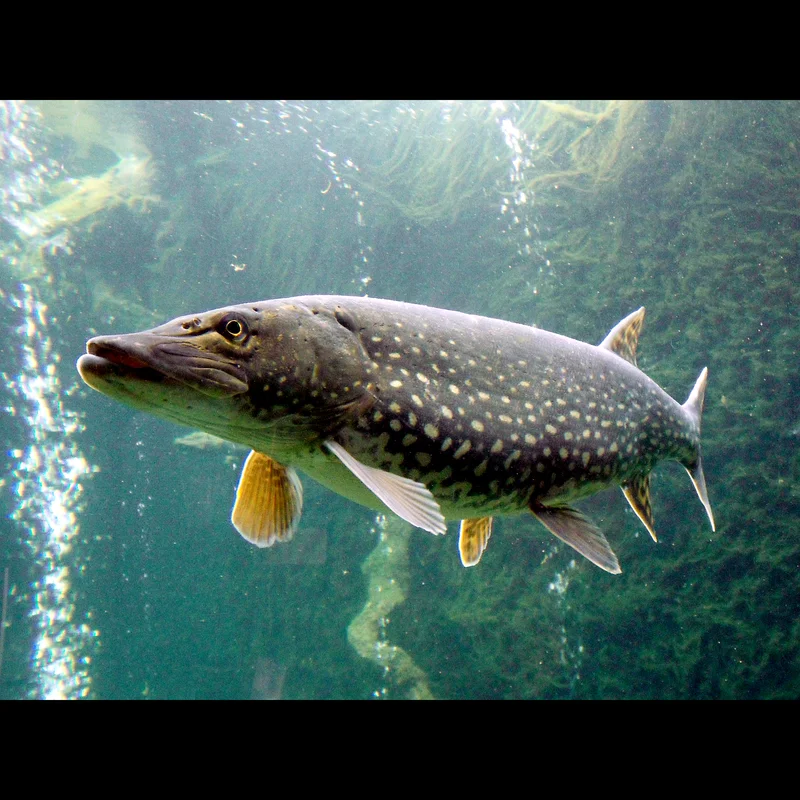
Große Steinwand's underwater landscape provides a rich habitat supporting a vibrant fish population. Shallower regions of the steep wall transition into areas with sunken old trees, creating shelter for numerous carp and pike.
It's common to encounter many juvenile fish here, indicating a healthy breeding ground. As the wall descends, divers can observe various species adapted to the lake's deeper, colder zones, even if specific large species aren't consistently reported beyond the shallows.
Lake Weissensee's reputation as one of Austria's most fish-rich waters is evident at this site, with consistent fish presence throughout the dive profile.
Dive Sites Near Große Steinwand
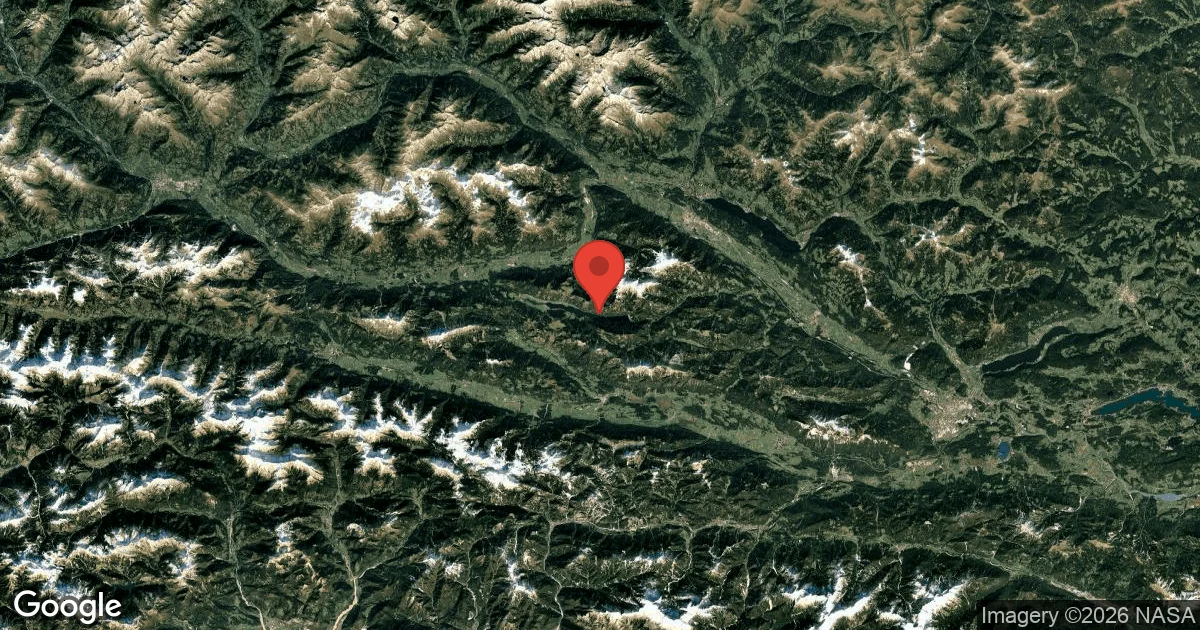
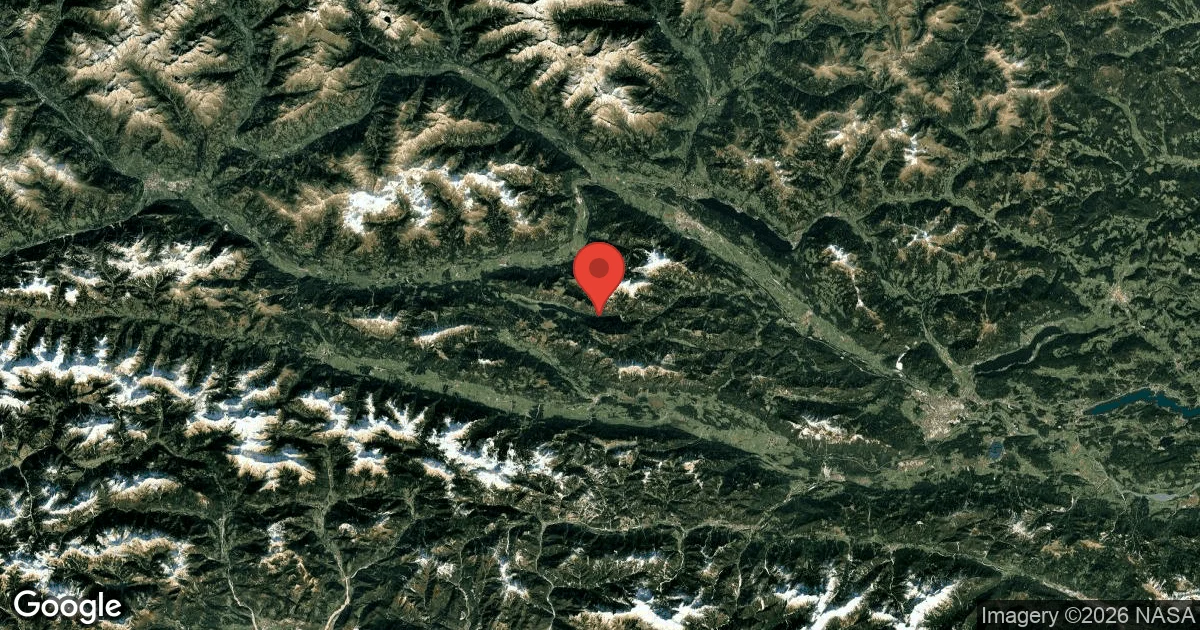
View all dive sites in AustriaDiscover more underwater gems in this area.
Dive Centers Near Große Steinwand
Today: 09:00 - 18:00
Nearest Airports
Nearest airports to help plan travel to this dive area.
Search Flights
Check available flights and routes on Expedia, using the nearby airports listed in this section.
Search Flights on ExpediaFrequently Asked Questions
Is Große Steinwand accessible from shore?
No, this dive site is exclusively accessible by dive boat. Arrangements need to be made with local dive operators in the Naturpark Weissensee to reach the site.
What is the maximum depth at Große Steinwand?
The impressive steep wall plunges to depths of approximately 70 m (230 ft). Divers should plan their dives according to their certification and comfort levels.
What kind of marine life can I expect to see?
In the shallower areas, you'll commonly find carp, pike, and many juvenile fish. The site is known for its consistent fish presence throughout the dive.
Are there any unique features at the site?
Yes, the descent line guides divers past a unique carp habitat underneath a collection of sunken, ancient trees. The gigantic wall itself descends in multiple, dramatic stages.
What are the typical water temperatures?
Specific water temperature data isn't consistently reported, but being an alpine lake, conditions are cold. Divers should anticipate colder temperatures, especially at depth, and plan for appropriate thermal protection.
When is the best time to dive for good visibility?
Visibility can fluctuate, but the dive site generally receives 'Excellent' dive scores across most months, with 'Good' scores in May and October. Stable weather conditions often correlate with better underwater clarity.
Is this site suitable for beginner divers?
Due to the significant depths of the steep wall and the cold-water lake environment, Große Steinwand is best suited for experienced divers. Advanced cold-water diving skills and proper thermal protection are highly recommended.
Planning to dive Große Steinwand?
Send one inquiry and receive offers directly from the best verified local dive operators.
Conditions are Excellent
07:00 - 14:00
Optimal conditions expected
Current conditions near Große Steinwand show 9° air, --° sea temperature, N/A waves, and 6 km/h wind. Forecast data is refreshed regularly to ensure accuracy.