
Diving at Grissini Bay (Austria)
Despite its unusual cycle of submersion, Grissini Bay surprisingly hosts local trout, navigating an ever-changing underwater landscape. This seasonal lake dive in Austria transforms meadows and trails into an ephemeral aquatic habitat. Divers here witness a transient world where everyday park features become temporary structures for these adaptable fish. The interaction between natural flooding and indigenous species defines this distinctive alpine diving destination. It's a place where the scenery itself is the main event, with fish providing a living touchpoint.
The latest environmental reading at Grissini Bay indicates an air temperature of 12°C. The regional climate in Austria is aligning with expected historical averages. Prepare your gear according to these specific local conditions.
Dive Site Location & Key Facts
Dive Site Overview
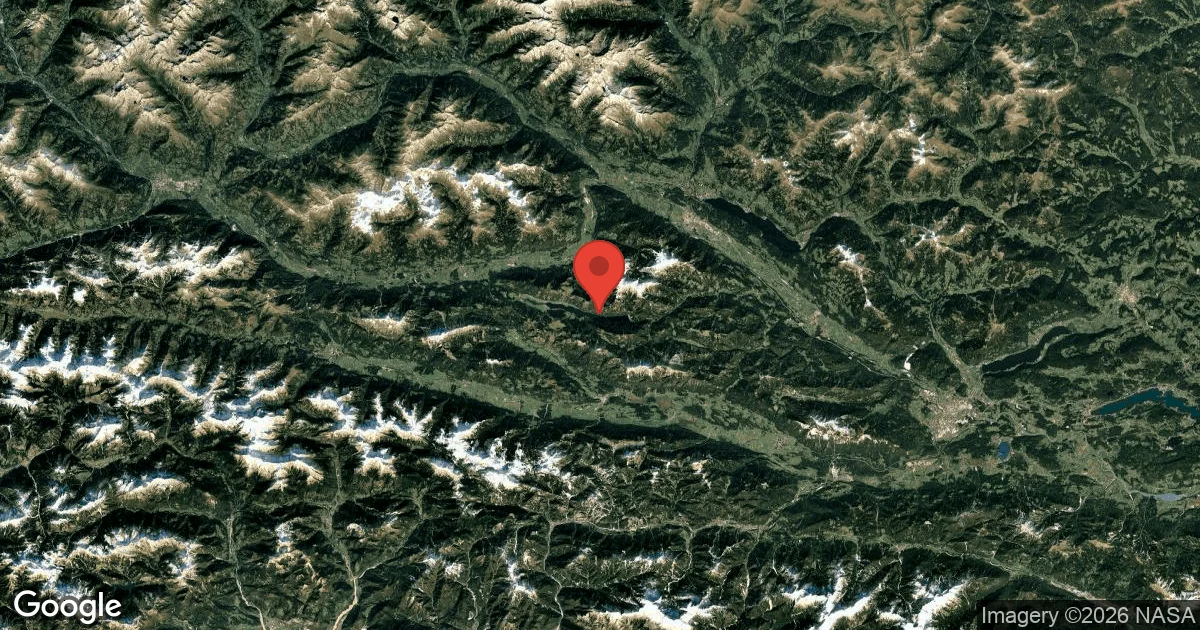
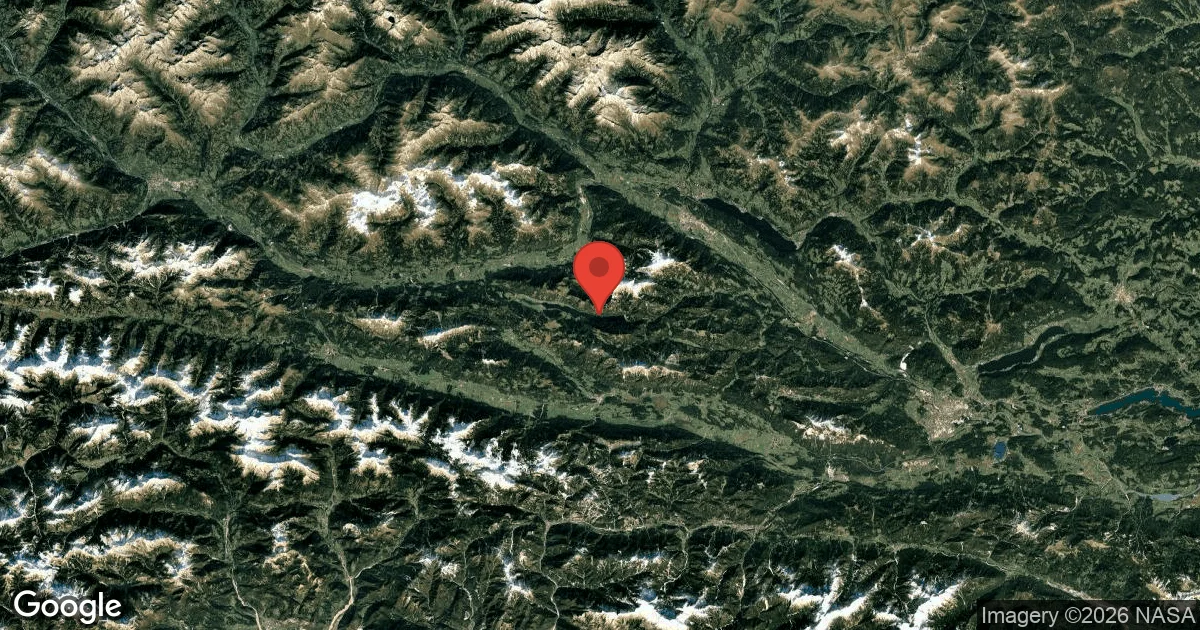
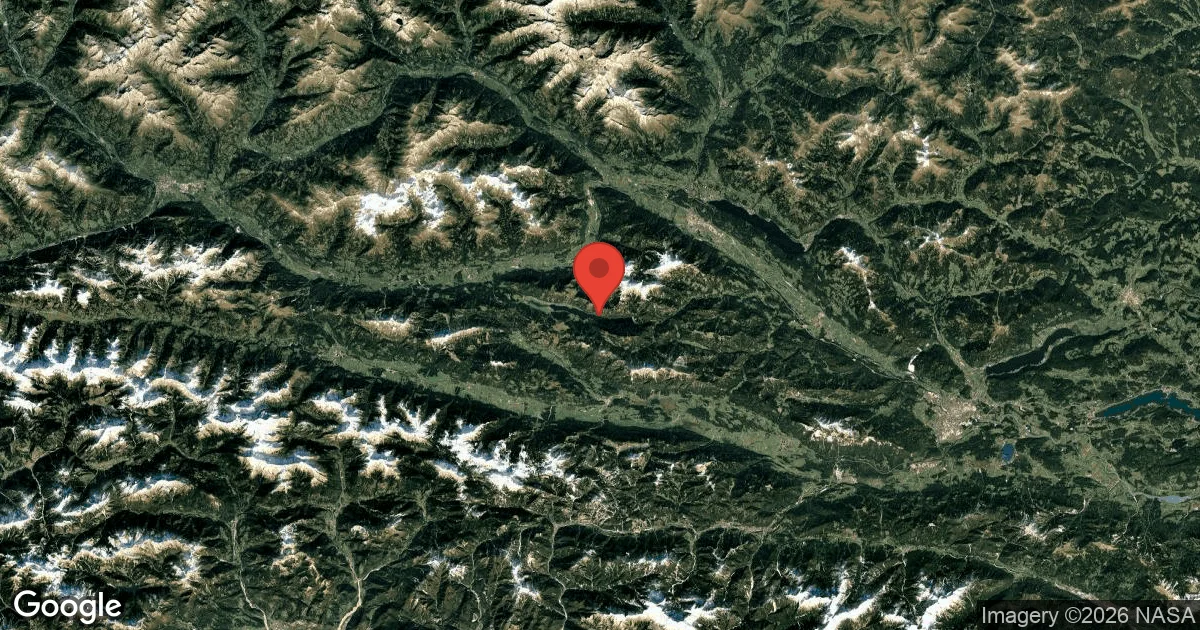
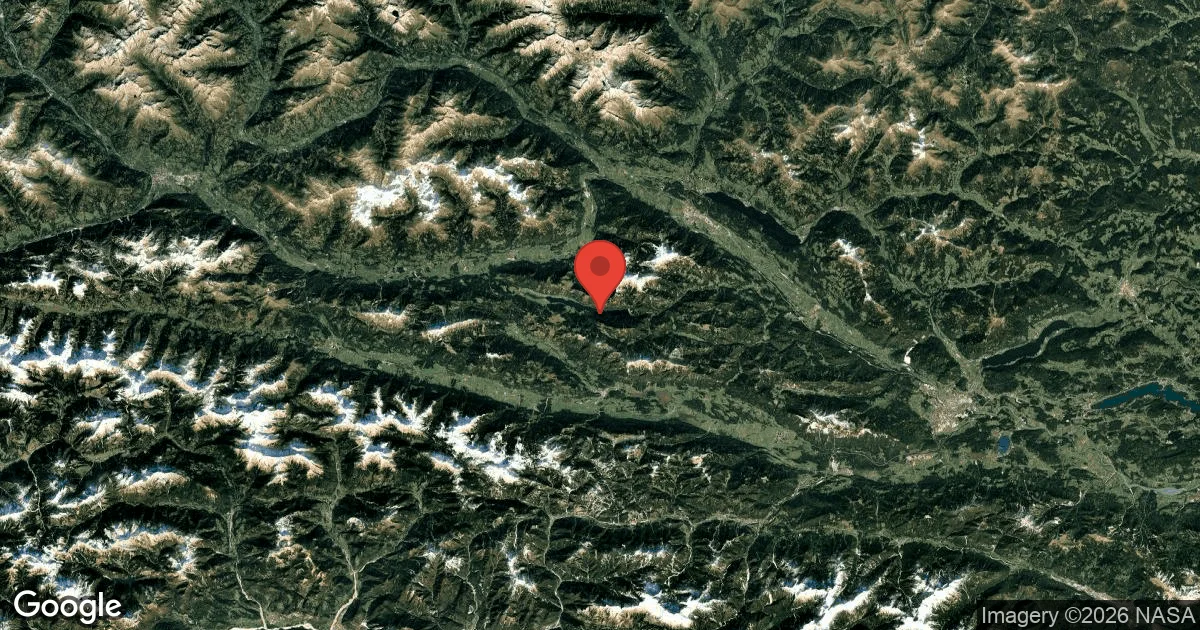
Exploring Grissini Bay means preparing to dive a submerged public park, where familiar terrestrial features become underwater spectacles. Known locally as Grünersee, this Austrian site transforms seasonally, drawing its character from the Hochschwab Mountains' snowmelt.
Each spring, the rising waters convert meadows, hiking paths, a bridge, and even park benches into an ephemeral aquatic environment. Typically a shallow area of about 1.5 m (7 ft), the lake swells to a maximum depth of approximately 8 m (24 ft) during its peak flooding period, from mid-May to mid-July. Divers glide above submerged landscapes, following what were once dry walking trails.
Encounters might involve navigating under a bridge or capturing photographs on a temporarily submerged park bench, creating surreal moments. Water in the bay, directly fed by melting snow, maintains a chilly 4-7°C (39-45°F), necessitating robust thermal protection.
This is not a dive focused on extensive marine ecosystems or complex wreck structures; instead, it highlights the fascinating spectacle of a familiar land environment temporarily claimed by water. It provides a distinct alpine diving experience, ideal for those seeking an unconventional adventure.
Conditions are Excellent
07:00 - 14:00
Optimal conditions expected
Current conditions near Grissini Bay show 12° air, --° sea temperature, N/A waves, and 5 km/h wind. Forecast data is refreshed regularly to ensure accuracy.
Best Time to Dive
Planning a dive at Grissini Bay should center around its seasonal cycle for optimal conditions. Optimal visibility directly correlates with the lake's transformation, making mid-May to mid-July the primary diving window. Peak snowmelt occurs then, as glacial waters flow in, significantly deepening the lake and offering expansive underwater views of the flooded park. While water temperatures remain cold, typically 4-7°C (39-45°F), air temperatures during these months are considerably milder, averaging 11°C (52°F) in May, 16.5°C (62°F) in June, and 18°C (64°F) in July. Rain activity is moderate during this window, with monthly averages around 5.26 mm (May), 3.93 mm (June), and 3.90 mm (July), which generally doesn't impede dive conditions. Dive scores for May, June, and July consistently rate "Good" to "Excellent," indicating favorable overall conditions despite the cold water. Visiting outside this specific window means the lake will be considerably shallower, often reverting to its normal depth of around 1.5 m (7 ft), and the unique submerged landscape will be less pronounced or even dry.
PEAK SEASON SCORE
Scores combine air & water temps, waves, wind & rainfall for overall conditions.
BEST MONTHS TO DIVE
Monthly records compiled from satellite and marine observation nodes over the last 3 years. Data provided by Open-Meteo and MET Norway.
Dive Experience & Conditions
Conditions at Grissini Bay present a unique underwater environment. Water sourced from melting snow feels cold, typically registering between 4-7°C (39-45°F). Robust thermal protection becomes essential. Once below the surface, divers find themselves gliding over a landscape that was, until recently, dry land. It's a journey past submerged hiking trails and over gentle meadows. A generally easy, non-technically challenging dive awaits, characterized by shallow depths and minimal currents. Cruising through the flooded park allows divers to observe everyday objects like a park bench or a bridge, now transformed into underwater curiosities. Visibility can be quite impressive, especially away from stirred-up areas, revealing vibrant green grass and rocks below. Sun rays sometimes create a natural light show. It's a leisurely exploration, more akin to an underwater stroll than a demanding technical dive.
Dive Difficulty & Safety Guidelines
Diving at Grissini Bay, while generally straightforward, requires specific preparation due to its unique characteristics. The primary challenge stems from the consistently cold water temperatures, which typically range from 4-7°C (39-45°F). Adequate thermal protection, such as a dry suit, is essential for comfort and safety during extended bottom times.
Divers must be pre-certified; on-site certification courses are not available. Planning is key, as the site can become quite busy, particularly on weekends during peak season.
Arriving early to the Grünersee Gasthaus area can help manage logistics and secure parking. While it's not a technically demanding dive, always dive with a buddy and respect the site's environmental sensitivities, ensuring no disturbance to the temporarily submerged terrestrial features. It's a shallow dive, but situational awareness is still paramount.
Recommended Equipment
- Dive Computer
This gear list is based on verified equipment signals for Grissini Bay, Austria. Always confirm final gear choices with your dive operator, guide, or liveaboard.
Recommended Dive Suit
Based on regional estimates and current weather, the likely required exposure protection is a thicker wetsuit or drysuit. Note that local currents and upwellings can alter this. A thermal robe or jacket is recommended between dives. Divers vary widely in how quickly they feel cold underwater.
Because recent water temperature readings are not available for Grissini Bay, the guidance below is based mainly on current air conditions and seasonal expectations. Current surface air temperatures are roughly 12°C (54°F).
Forecast confidence is somewhat lower, with potential for varied conditions ahead. A warming trend is expected over the next few days.
Due to technical issues with our weather providers, live updates are temporarily delayed. The data above reflects the conditions at the time of the last successful fetch.
Emergency & Medical Support
Essential information to help you plan your dive trip to Grissini Bay.

Hyperbaric chambers are a critical part of dive safety infrastructure. Availability varies significantly by region, and not all dive areas have immediate access.
Before diving, it's recommended to:
- confirm nearest medical facilities
- check emergency procedures with local dive operators
- ensure dive insurance covers evacuation if required
Divers Alert Network
Diving emergency assistance available through DAN Europe.
+39 0642115685- 24/7 emergency hotline
- Diving medical assistance
- Evacuation coordination
Emergency contacts are provided for reference. Always verify local emergency services before diving.
Closest Listed Hyperbaric Chambers
Showing listed hyperbaric chamber facilities within 200 km of this dive site.
Distances are approximate straight-line distances and may not reflect emergency travel time.
Druckkammer, Medizinische Universität Graz
ICU CapableGraz, Austria•Approx. 165 km straight-line
Druckkammer, Medizinische Universität Graz
ICU CapableInformation is provided for reference and planning purposes only. Dive Navigator does not verify operational status, staffing, availability, or quality of care at listed facilities. In an emergency, contact local emergency services, DAN, your dive operator, or the chamber directly. Do not travel to a facility without calling ahead.
Marine Life at Grissini Bay
Upon descent into Grissini Bay, the visual focus shifts towards the submerged terrestrial landscape more than a diverse array of aquatic species. The primary observed marine inhabitants are local trout, adeptly navigating their expanded, transient habitat.
These fish cruise gracefully over the flooded meadows and close to the submerged bridge and benches. While this site does not feature the biodiversity of a coral reef or tropical ecosystem, the presence of these adaptable freshwater fish adds a tangible, living dimension to the surreal scenery of the underwater park.
This experience centers on witnessing how natural flooding temporarily forms a distinct environment, supporting a limited yet present freshwater fauna, rather than on rich species variety.
Dive Sites Near Grissini Bay
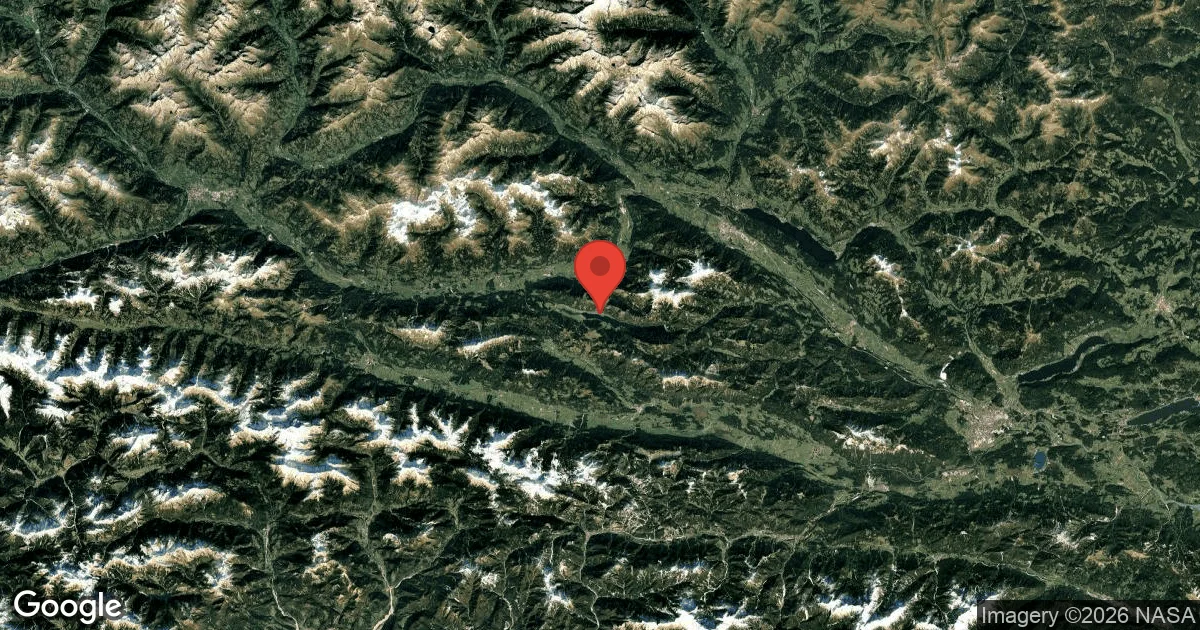
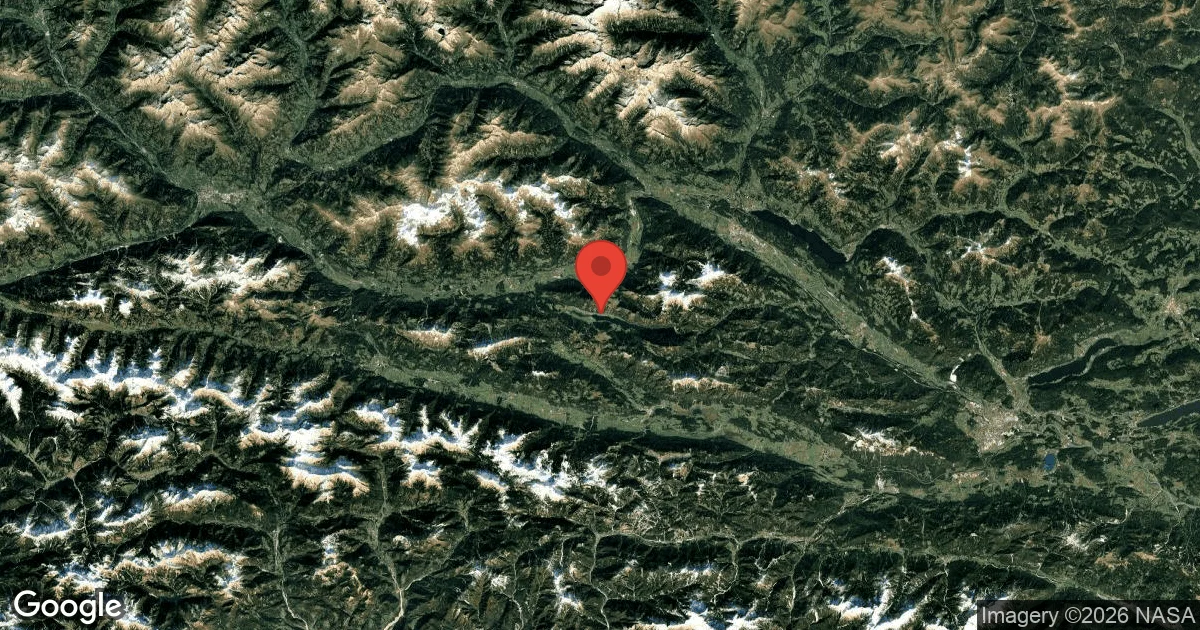
View all dive sites in AustriaDiscover more underwater gems in this area.
Dive Centers Near Grissini Bay
Today: 09:00 - 18:00
Nearest Airports
Nearest airports to help plan travel to this dive area.
Search Flights
Check available flights and routes on Expedia, using the nearby airports listed in this section.
Search Flights on ExpediaFrequently Asked Questions
Is Grissini Bay (Grünersee) a challenging dive?
It's generally considered an easy and non-technically challenging dive. The main consideration is the cold water, which requires proper thermal protection.
What is the water temperature at Grissini Bay?
The water temperature at Grissini Bay, fed by snowmelt, typically ranges from 4-7°C (39-45°F).
What will I see underwater at Grissini Bay?
You'll primarily see a submerged park landscape, including hiking trails, meadows, a bridge, and park benches. Local trout are the main marine life present.
Do I need a special certification to dive Grissini Bay?
Divers must be pre-certified; the site does not offer on-site certification courses.
What time of year is best for diving Grissini Bay?
The optimal time for diving is from mid-May to mid-July, when snowmelt floods the park and creates the deepest dive conditions.
How deep does Grissini Bay get for diving?
During peak flooding from mid-May to mid-July, the maximum depth reaches about 8 m (24 ft). Outside this period, it's typically much shallower, around 1.5 m (7 ft).
Is Grissini Bay suitable for beginners?
While physically undemanding, the cold water and need for dry suit proficiency might make it more comfortable for divers with some experience in cold water or dry suit diving. Pre-certification is mandatory.
Planning to dive Grissini Bay?
Send one inquiry and receive offers directly from the best verified local dive operators.
Conditions are Excellent
07:00 - 14:00
Optimal conditions expected
Current conditions near Grissini Bay show 12° air, --° sea temperature, N/A waves, and 5 km/h wind. Forecast data is refreshed regularly to ensure accuracy.