
Diving at Tschöllankofel (Austria)
Tschöllankofel offers an intermediate challenge within Austria's Weißensee lake. Diving here presents a distinct alpine environment where clear waters meet dramatic underwater topography. Expect boat access to a site known for a steep wall and intriguing submerged features. It's an immersion into a freshwater ecosystem, distinct from typical marine dives, providing a memorable experience for certified divers.
At Tschöllankofel, the ambient air temperature is currently recorded at 9.5°C. This dive site in Austria is operating under normal seasonal weather patterns. Familiarize yourself with the local topography prior to navigating.
Dive Site Location & Key Facts
Dive Site Overview
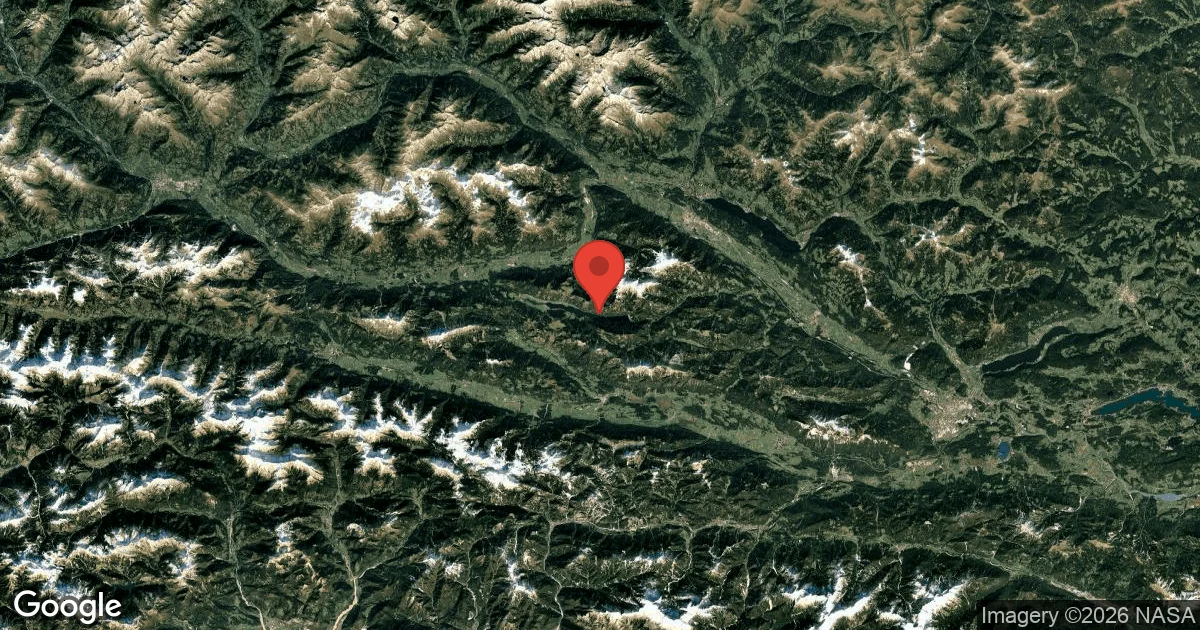
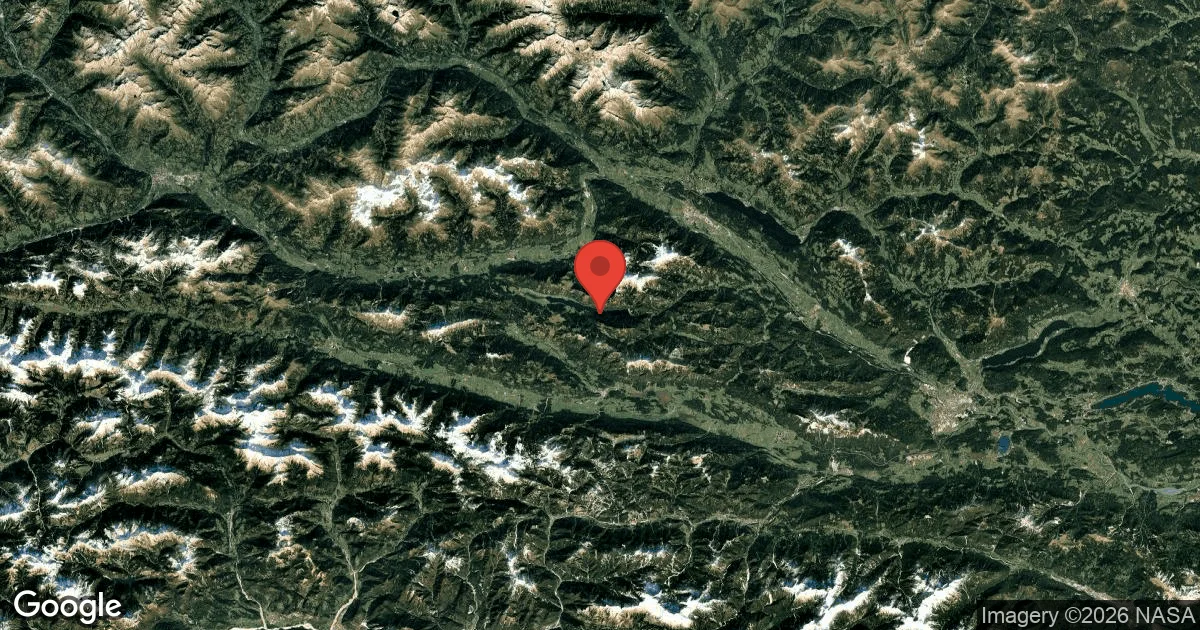
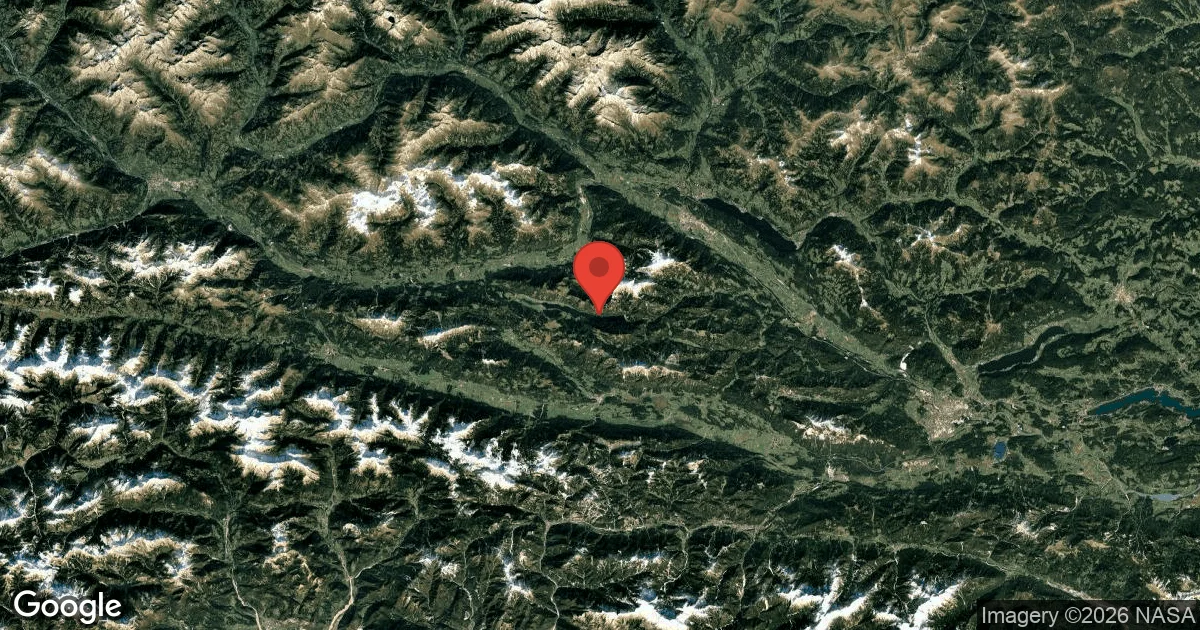
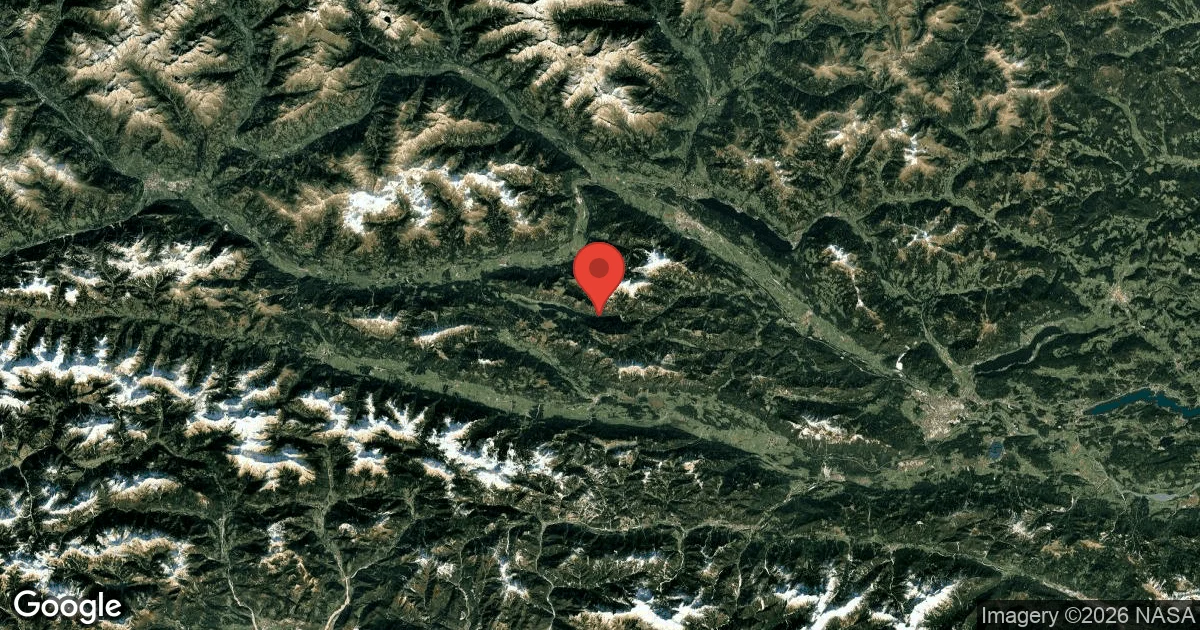
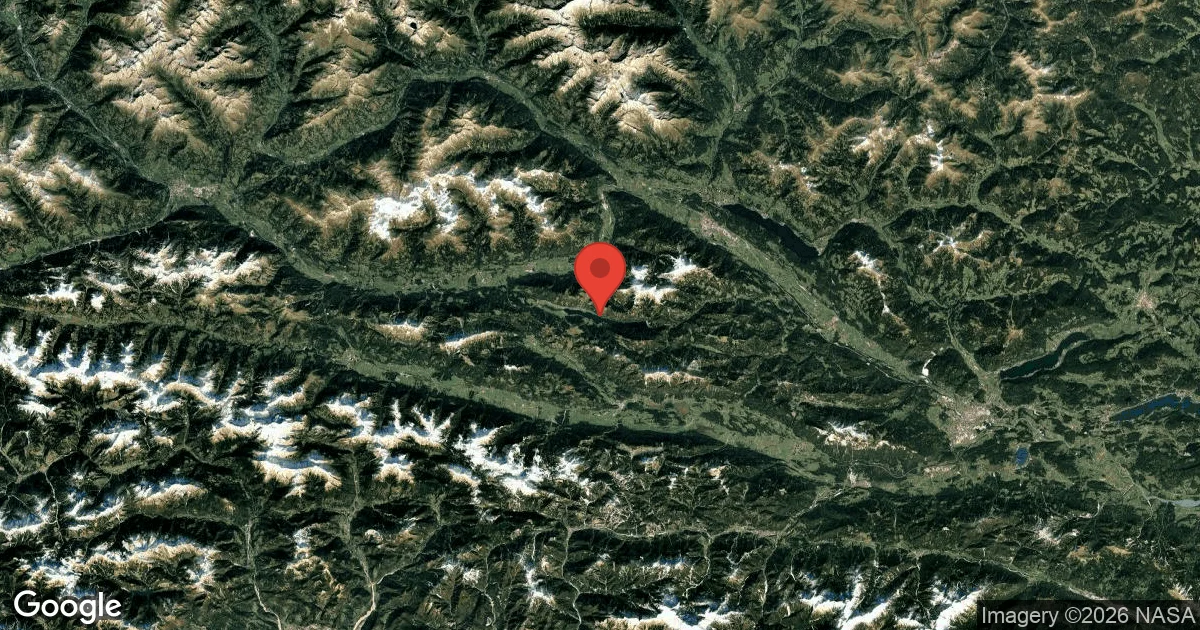
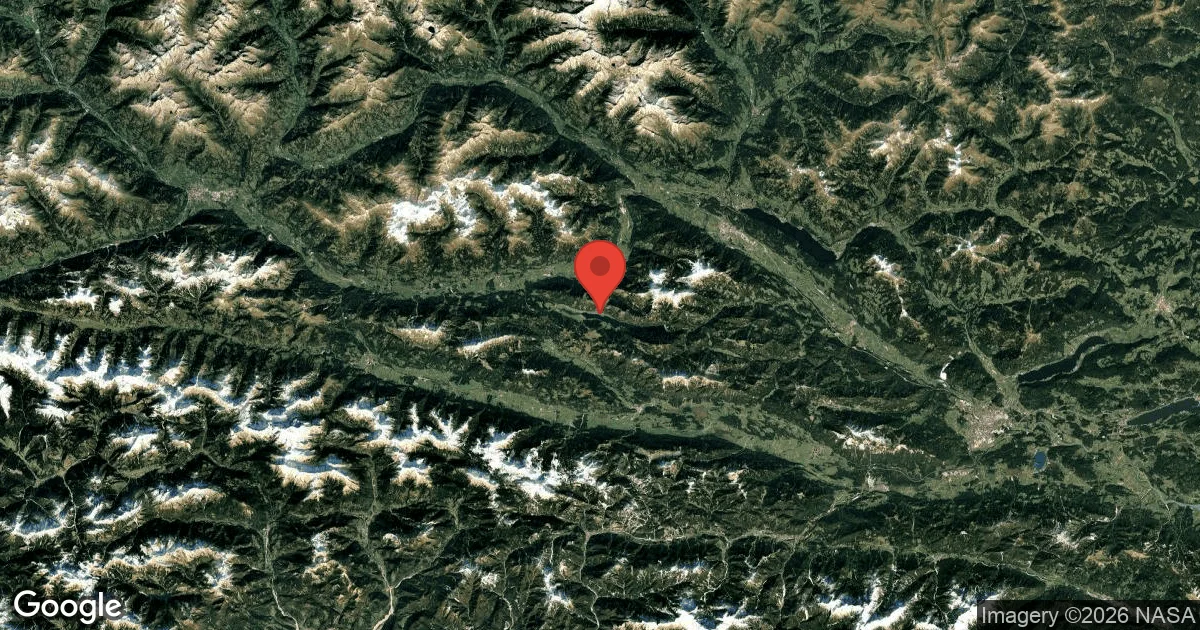
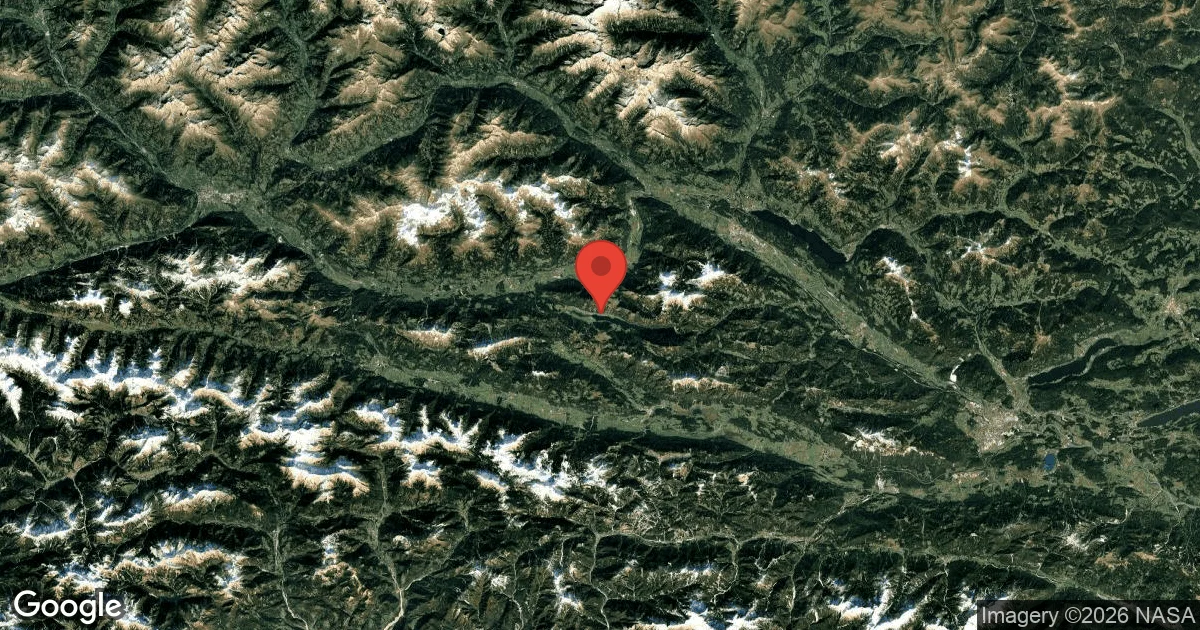
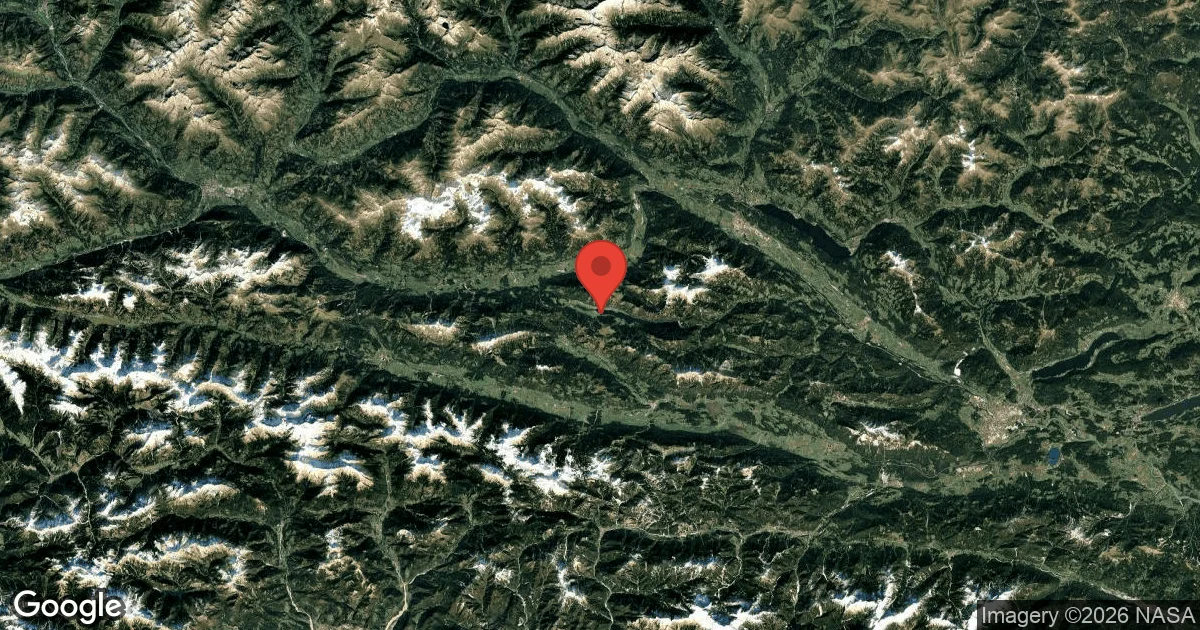
Situated on Weißensee's northern side, Tschöllankofel presents a distinctive lake dive. Access is typically by boat, with the descent beginning along a line that guides divers towards an area of tangled tree trunks.
This initial segment forms an engaging foreground before the site's primary geological feature comes into view. A striking, well-lit steep wall defines the area, extending profoundly to depths of up to 55 m (180 ft). Recreational divers are advised to explore the upper sections of this rock formation, staying within the recommended maximum dive depth of 30 m (100 ft).
The wall itself offers diverse ledges and crevices for exploration. Visibility within this freshwater environment consistently holds around 15 m (50 ft), providing clear views of the submerged alpine landscape.
Located romantically within a secluded bay, the site maintains a peaceful, unhurried atmosphere. A typical dive here often lasts about 40 minutes, allowing ample time to traverse the formations and observe details.
Its intermediate difficulty requires careful buoyancy control and an appreciation for freshwater diving specificities. Divers will find the experience rewarding.
Conditions are Excellent
07:00 - 14:00
Optimal conditions expected
Current conditions near Tschöllankofel show 10° air, --° sea temperature, N/A waves, and 6 km/h wind. Forecast data is refreshed regularly to ensure accuracy.
Best Time to Dive
Planning a dive at Tschöllankofel is best during the warmer months, specifically June through September. During this period, surface air temperatures rise considerably, averaging 16.5°C (62°F) in June and peaking around 18°C (64°F) in August. External reports indicate summer water temperatures range from 18-22°C (64-72°F), making conditions more comfortable. These months also generally maintain an "Excellent" dive score in system data. Rain levels are moderate, averaging around 3.9-4.8 mm per month, which typically doesn't significantly impair dive conditions. Diving in spring (April, May) and autumn (October) can also be good, with May and October showing a "Good" dive score, although air and water temperatures will be cooler. Winter months, while rated "Excellent" for dive score, bring significantly colder water, between 4-8°C (39-46°F), and air temperatures often below freezing, demanding specialized drysuit diving expertise.
PEAK SEASON SCORE
Scores combine air & water temps, waves, wind & rainfall for overall conditions.
BEST MONTHS TO DIVE
Monthly records compiled from satellite and marine observation nodes over the last 3 years. Data provided by Open-Meteo and MET Norway.
Dive Experience & Conditions
Upon descent into Tschöllankofel, divers immediately experience a calm, current-free environment, contributing to a relaxed dive. Surface conditions rarely show any surge, which eases both entry and exit. Water temperatures vary considerably with the seasons; summer months offer a comfortable 18-22°C (64-72°F) in shallower areas, while winter sees temperatures plummet to 4-8°C (39-46°F). Moving to deeper sections, thermoclines are a common feature of these alpine waters and can be quite pronounced. Visibility often averages 15 meters, providing clear views of the underwater landscape. The site's profile involves a gentle slope that transitions into a dramatic steep wall, reaching a maximum recreational depth of 30 m (100 ft). Navigating the varied bottom topography, from tangled logs to solid rock formations, demands good buoyancy control from divers. Be prepared for temperature shifts.
Dive Difficulty & Safety Guidelines
Ensuring a safe and enjoyable dive at Tschöllankofel means staying strictly within your certified limits. This site carries an intermediate rating, indicating divers should possess sound experience and strong buoyancy control, especially when navigating the steep wall sections. No specific hazards are consistently reported for Tschöllankofel itself.
However, general freshwater diving considerations always apply: divers must actively monitor their depth and bottom time, and be prepared for potential thermoclines that can significantly affect both temperature and comfort. Adequate thermal protection, such as a drysuit or a sufficiently thick wetsuit, becomes essential, particularly outside the warmer summer months.
Always dive with a buddy, and confirm your equipment is well-maintained and suitable for colder water conditions. Meticulous dive planning contributes significantly to a smooth experience within this alpine environment.
Recommended Equipment
- Dive Computer
This gear list is based on verified equipment signals for Tschöllankofel, Austria. Always confirm final gear choices with your dive operator, guide, or liveaboard.
Recommended Dive Suit
Experienced divers often bring flexible gear options.
Because recent water temperature readings are not available for Tschöllankofel, the guidance below is based mainly on current air conditions and seasonal expectations. Current surface air temperatures are roughly 10°C (49°F). Based on regional estimates and current weather, the likely required exposure protection is a thicker wetsuit or drysuit. Note that local currents and upwellings can alter this. Strong cold advisory: dress warmly immediately after exiting the water.
Conditions may fluctuate slightly depending on wind and weather patterns. A warming trend is expected over the next few days.
Emergency & Medical Support
Essential information to help you plan your dive trip to Tschöllankofel.

Hyperbaric chambers are a critical part of dive safety infrastructure. Availability varies significantly by region, and not all dive areas have immediate access.
Before diving, it's recommended to:
- confirm nearest medical facilities
- check emergency procedures with local dive operators
- ensure dive insurance covers evacuation if required
Divers Alert Network
Diving emergency assistance available through DAN Europe.
+39 0642115685- 24/7 emergency hotline
- Diving medical assistance
- Evacuation coordination
Emergency contacts are provided for reference. Always verify local emergency services before diving.
Closest Listed Hyperbaric Chambers
Showing listed hyperbaric chamber facilities within 200 km of this dive site.
Distances are approximate straight-line distances and may not reflect emergency travel time.
Druckkammer, Medizinische Universität Graz
ICU CapableGraz, Austria•Approx. 165 km straight-line
Druckkammer, Medizinische Universität Graz
ICU CapableInformation is provided for reference and planning purposes only. Dive Navigator does not verify operational status, staffing, availability, or quality of care at listed facilities. In an emergency, contact local emergency services, DAN, your dive operator, or the chamber directly. Do not travel to a facility without calling ahead.
Marine Life at Tschöllankofel
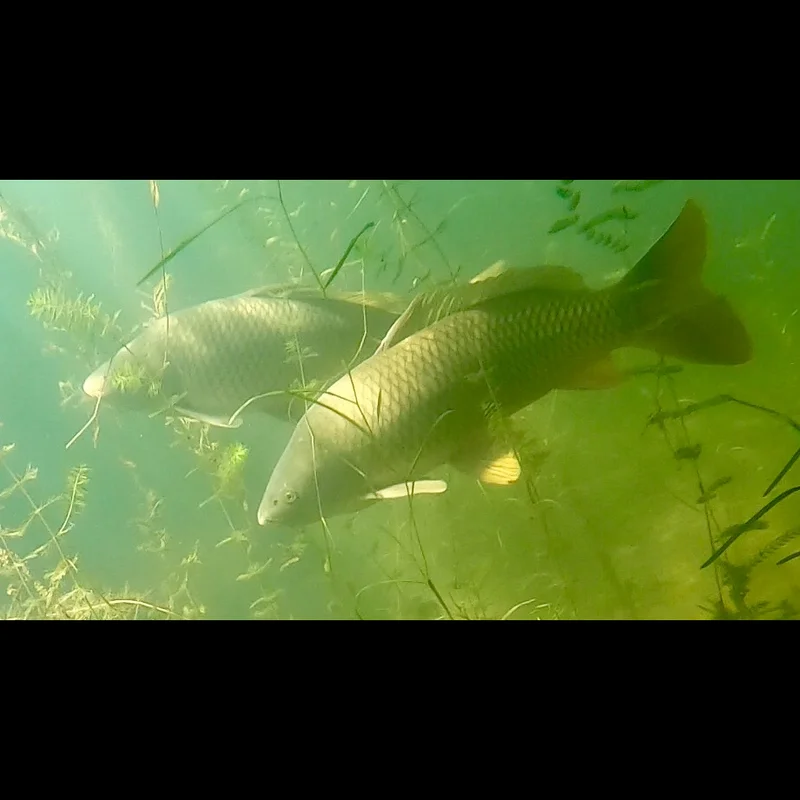
Exploring the freshwater ecosystem of Tschöllankofel reveals a distinct range of aquatic life. Divers frequently encounter carp, with some specimens reportedly reaching impressive sizes of up to 35 kg (77 lbs).
These larger fish often inhabit the areas around the tangled tree trunks and rock formations, providing unique photo opportunities. Beyond the carp, this aquatic environment supports various smaller fish species typical of alpine freshwater habitats.
Look closely for shy bottom dwellers among the submerged vegetation and along the wall's crevices. The overall underwater landscape, characterized by its rocky structures and submerged wood, creates ample hiding and feeding grounds for this freshwater fauna.
Dive Sites Near Tschöllankofel
View all dive sites in AustriaDiscover more underwater gems in this area.
Dive Centers Near Tschöllankofel
Today: 09:00 - 18:00
Nearest Airports
Nearest airports to help plan travel to this dive area.
Search Flights
Check available flights and routes on Expedia, using the nearby airports listed in this section.
Search Flights on ExpediaFrequently Asked Questions
What is the maximum recreational depth for diving at Tschöllankofel?
Recreational diving at Tschöllankofel has a recommended maximum depth of 30 meters. While the steep wall extends much deeper, certified divers should adhere to limits around 100 feet.
What are the typical water temperatures at the site?
Water temperatures in summer (June-September) typically range from 18-22°C (64-72°F). During winter, temperatures can drop significantly, ranging from 4-8°C (39-46°F).
What is the expected visibility?
Visibility at Tschöllankofel is consistently reported to be around 15 meters. Conditions generally offer clear views of the underwater landscape, often extending to 50 feet.
What kind of marine life can divers expect to see?
Divers can expect to encounter large carp, with some individuals reaching up to 35 kg (77 lbs). Various other smaller freshwater fish species also inhabit these waters.
Is there any significant current or surge at this dive site?
No significant current or surge is typically present at Tschöllankofel. This makes for generally calm and predictable diving conditions.
What is the recommended certification level for Tschöllankofel?
Tschöllankofel is considered an intermediate dive site. Divers should have adequate experience and good buoyancy control for navigating its features.
How is Tschöllankofel dive site typically accessed?
Tschöllankofel dive site access is primarily by boat. Such transport provides direct entry to optimal dive areas within the bay.
Are there any specific hazards reported for diving here?
No specific hazards are consistently reported for Tschöllankofel. However, divers should always be aware of general freshwater diving considerations, such as thermoclines and the need for appropriate thermal protection.
Planning to dive Tschöllankofel?
Send one inquiry and receive offers directly from the best verified local dive operators.
Conditions are Excellent
07:00 - 14:00
Optimal conditions expected
Current conditions near Tschöllankofel show 10° air, --° sea temperature, N/A waves, and 6 km/h wind. Forecast data is refreshed regularly to ensure accuracy.