
Diving at Sulzer Bay (Austria)
Sulzer Bay, a boat-accessible lake dive site within Austria's Weissensee, is defined by its extensive reed estuaries. This freshwater environment presents a distinct underwater landscape, contrasting with typical oceanic sites. Divers here explore a relatively shallow area that serves as a vital habitat for various aquatic species. It's an ideal location for experiencing the subtle beauty of an alpine lake's ecosystem.
At Sulzer Bay, the ambient air temperature is currently recorded at 12.5°C. This dive site in Austria is operating under normal seasonal weather patterns. Familiarize yourself with the local topography prior to navigating.
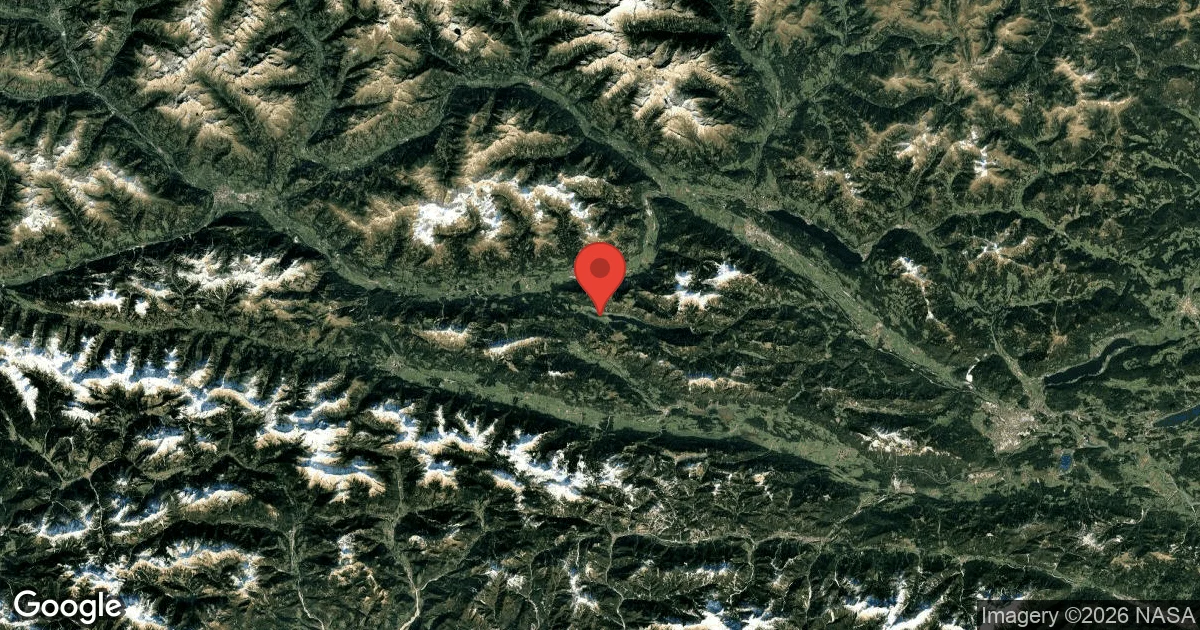
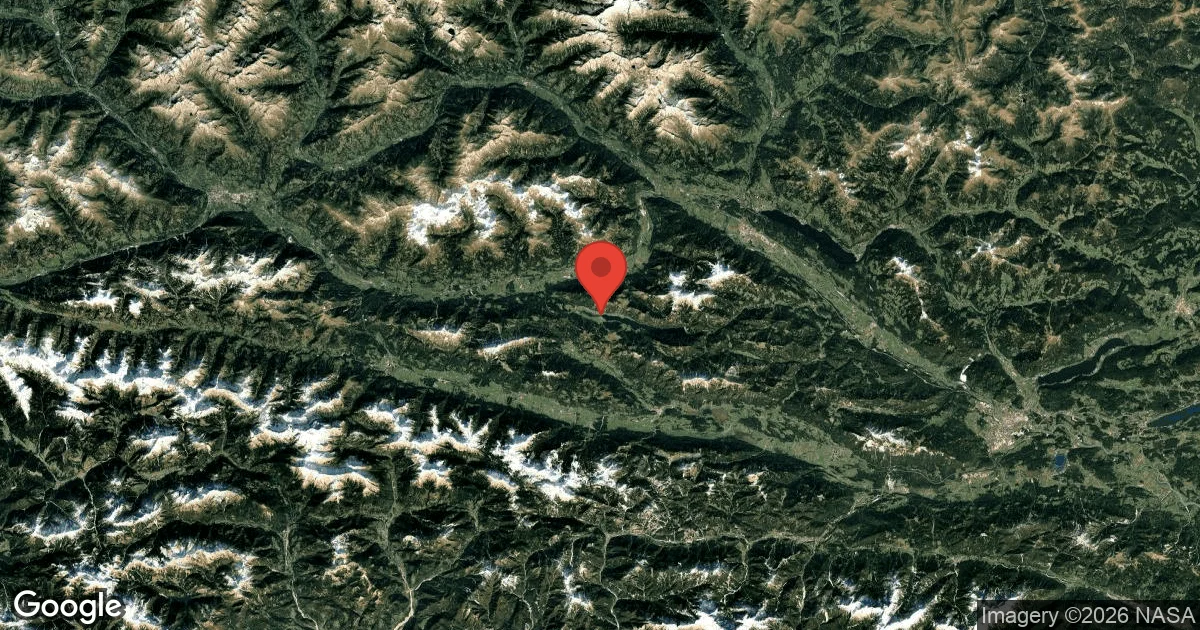
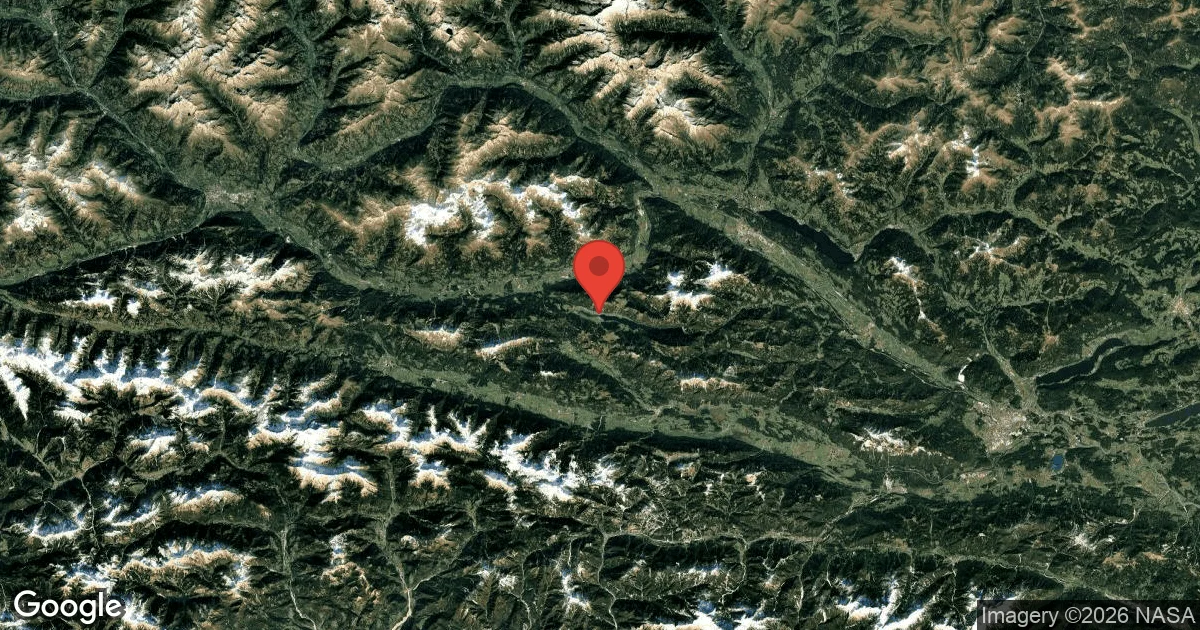
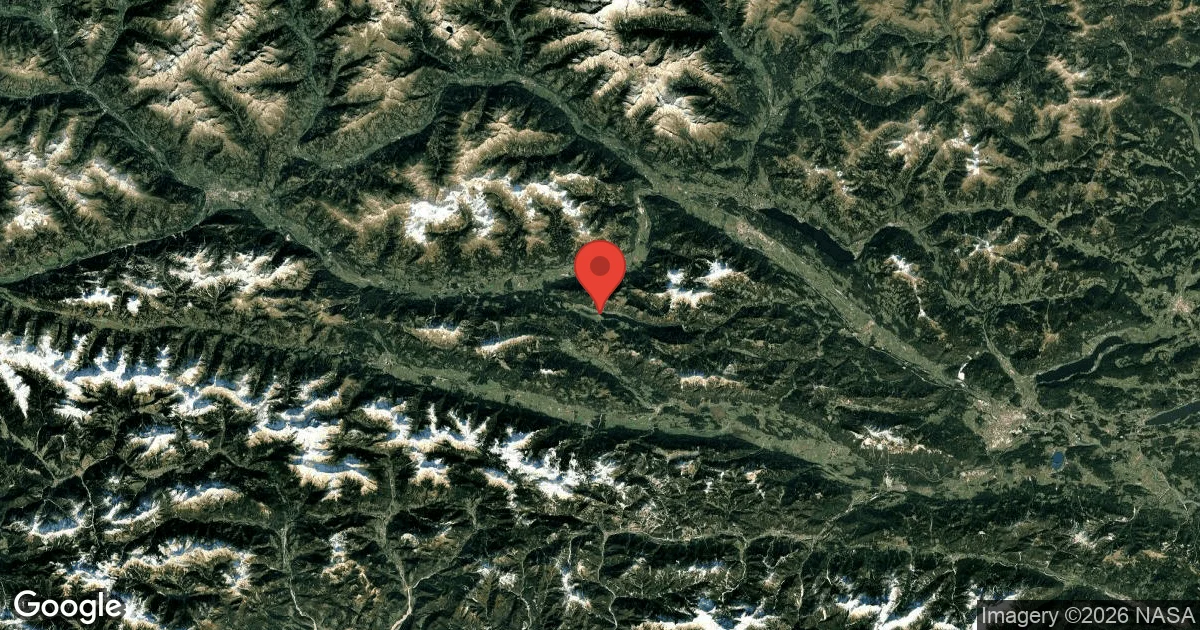
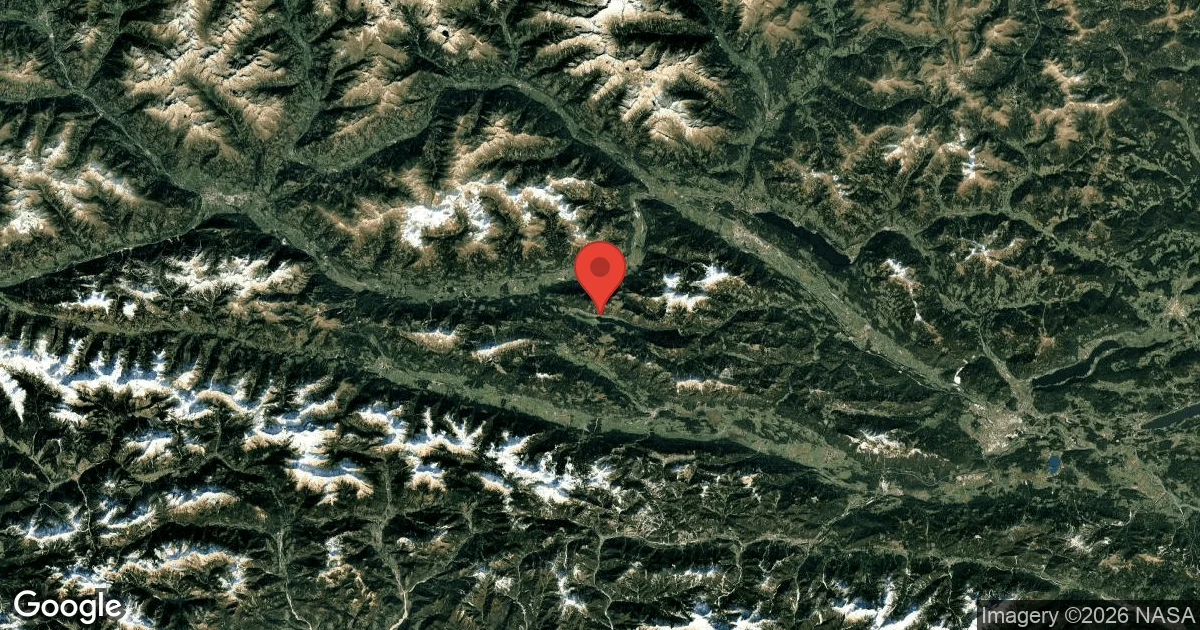
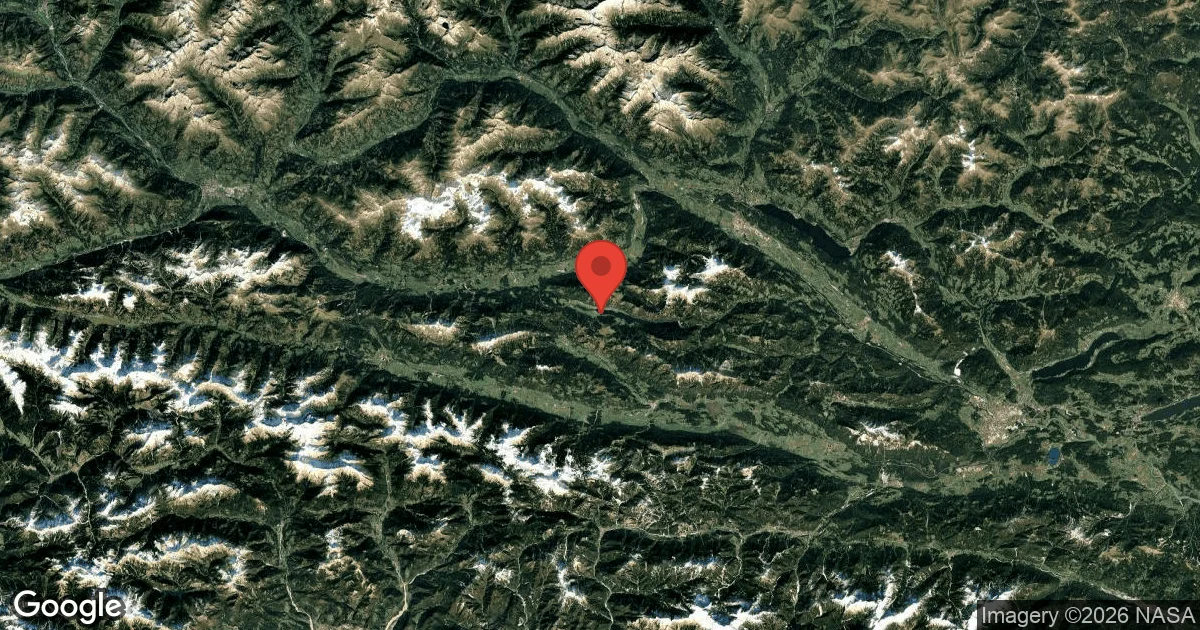
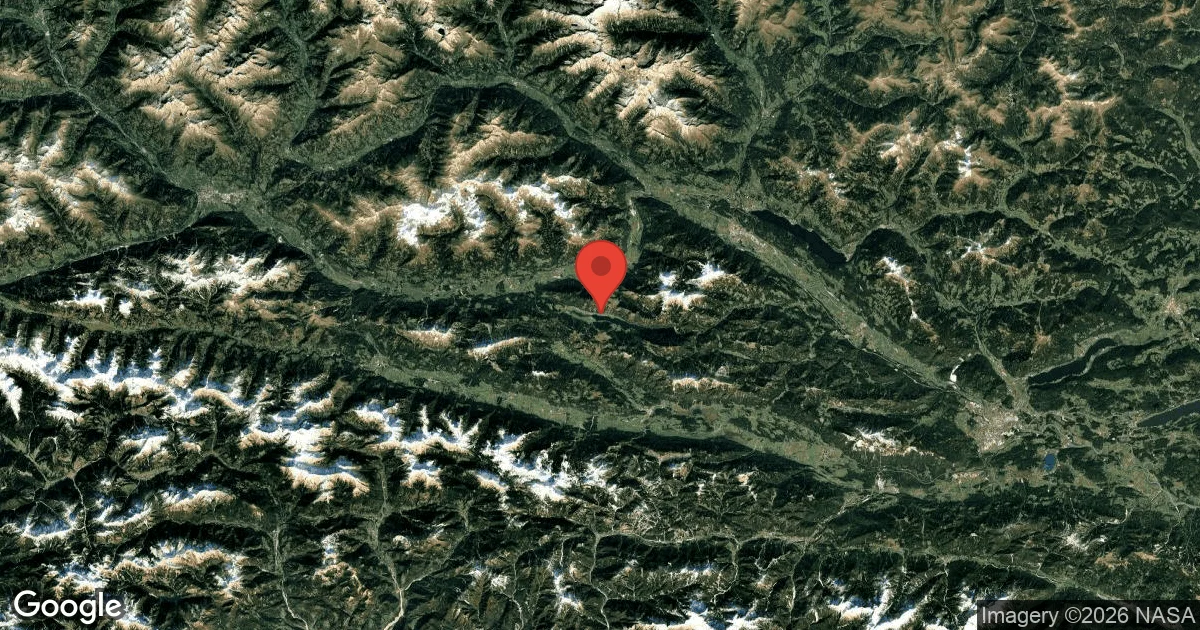
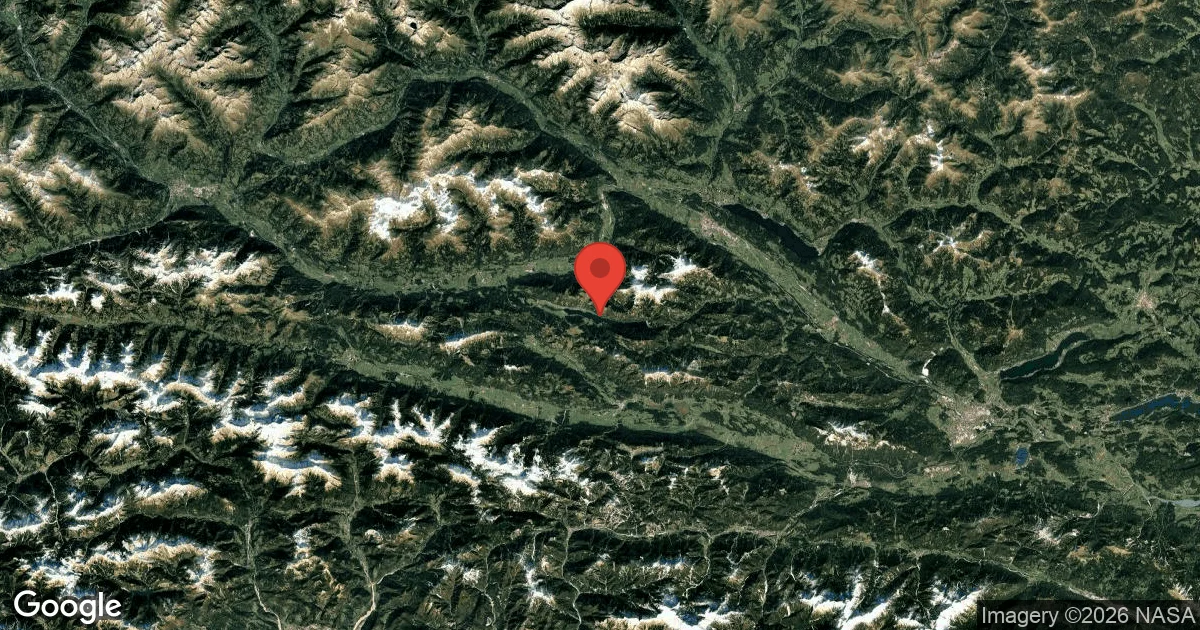
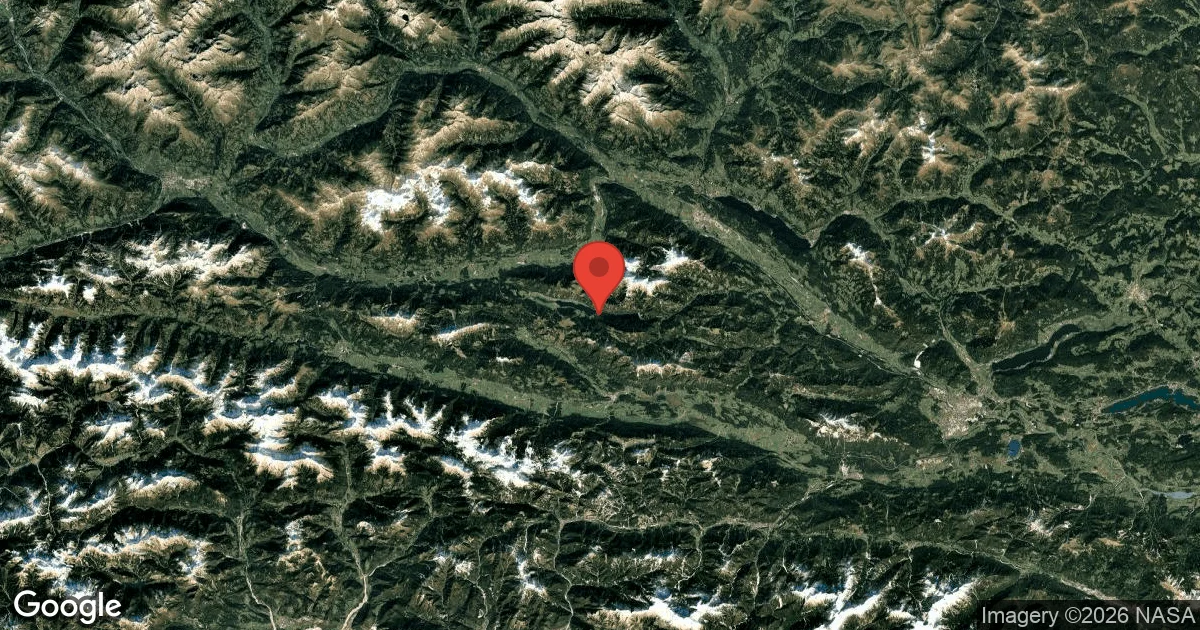
Dive Site Location & Key Facts
Dive Site Overview
Sulzer Bay stands out within the Weissensee for its extensive reed estuaries, creating a distinct freshwater habitat. Accessible by boat, this site provides a sheltered environment where pike, carp, and perch commonly find refuge.
Unlike many open lake dives, the bay's structure, with its numerous reed beds, acts as a natural nursery and hiding spot for local aquatic life. Divers here explore an underwater landscape shaped by the interaction of water and dense plant growth rather than dramatic rock formations or deep walls. While specific depth information for Sulzer Bay is limited, Austrian lakes generally offer good visibility and calm conditions, making them suitable for various skill levels.
This makes the bay an ideal location for ecological observation, recreational diving, and underwater photography, focusing on the smaller details of a thriving freshwater ecosystem. Expect to navigate through or alongside these verdant underwater fields, observing the behavior of the fish that call them home.
It’s a site that emphasizes environmental exploration, appealing to those who appreciate the subtleties of a living freshwater environment.
Conditions are Excellent
07:00 - 14:00
Optimal conditions expected
Current conditions near Sulzer Bay show 12° air, --° sea temperature, N/A waves, and 6 km/h wind. Forecast data is refreshed regularly to ensure accuracy.
Best Time to Dive
Optimal diving conditions at Sulzer Bay largely align with the warmer months, though the lake offers excellent opportunities year-round. From June through August, air temperatures range from approximately 16.5°C (62°F) to 18.5°C (65°F), accompanied by moderate rainfall between 3.9-5.3 mm (0.15-0.21 in). This period is often rated as "Excellent" for diving, making surface activities more comfortable. Spring and autumn also present favourable conditions. April's average air temperature is around 7°C (45°F), with minimal rain at 3.2 mm (0.13 in), still maintaining an "Excellent" dive score. Similarly, September sees air temperatures averaging 14°C (57°F) with slightly higher rainfall around 4.8 mm (0.19 in), also rated "Excellent." Visibility tends to be better in colder months when algal growth is reduced, even if water temperatures are lower. Winter diving is also possible, with many months rated "Excellent," but requires appropriate dry suit gear for air temperatures that dip below freezing.
PEAK SEASON SCORE
Scores combine air & water temps, waves, wind & rainfall for overall conditions.
BEST MONTHS TO DIVE
Monthly records compiled from satellite and marine observation nodes over the last 3 years. Data provided by Open-Meteo and MET Norway.
Dive Experience & Conditions
Entry to Sulzer Bay is exclusively by boat, meaning divers don't contend with shore logistics. Once in the water, conditions are generally calm, making it suitable for divers of various experience levels, including those undergoing training. Visibility in Austrian lakes varies, but can often be quite good, especially outside of peak warm periods when algal blooms are less prevalent. While specific water temperature data for this bay is not consistently reported, typical freshwater lake temperatures in Austria can range significantly, from cold single digits Celsius in cooler seasons to around 20-22°C (68-72°F) in summer at surface levels, dropping considerably deeper. Divers should anticipate encountering a thermocline. This bay's structure, defined by reed beds, allows for exploration of a shallow, vegetated environment, offering a relaxing dive profile focused on observation rather than depth.
Dive Difficulty & Safety Guidelines
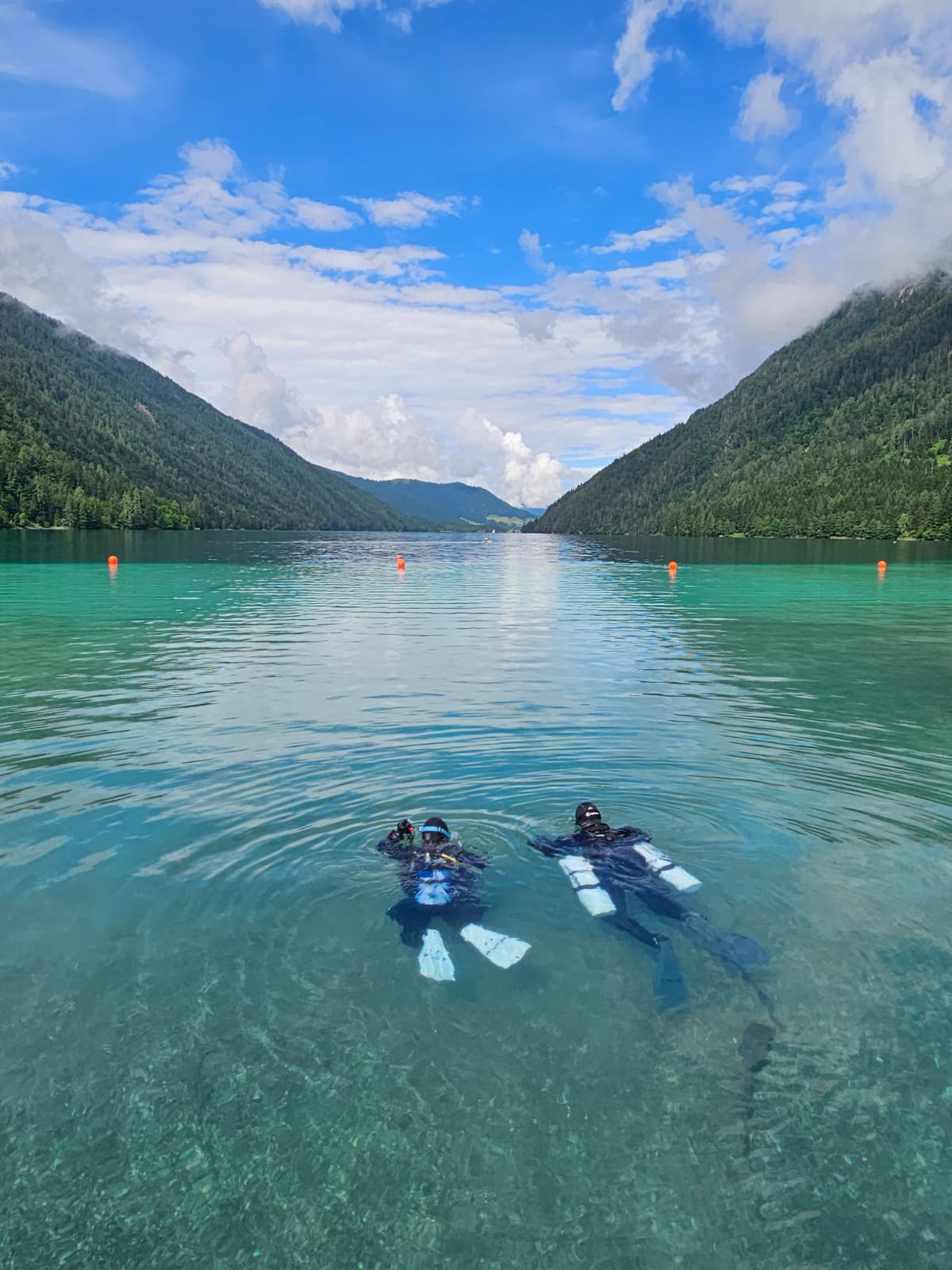
Diving at Sulzer Bay requires boat access, so coordination with a local dive operator is essential for planning. The calm, freshwater environment makes it suitable for recreational divers of varying skill levels, including those undertaking initial certifications or practicing buoyancy. As with all lake diving, understanding thermoclines and managing cold water exposure is crucial; divers should be comfortable with lower water temperatures, especially when exploring deeper areas or outside summer months.
Although the site itself is considered calm, general boating traffic on Weissensee necessitates the use of surface marker buoys for visibility. Always adhere to local regulations and dive with a buddy.
Given its accessibility and generally mild conditions, the primary safety considerations revolve around proper equipment for temperate freshwater and standard dive planning practices.
Recommended Equipment
- Dive Computer
This gear list is based on verified equipment signals for Sulzer Bay, Austria. Always confirm final gear choices with your dive operator, guide, or liveaboard.
Recommended Dive Suit
Based on regional estimates and current weather, the likely required exposure protection is a thicker wetsuit or drysuit. Note that local currents and upwellings can alter this. A thermal robe or jacket is recommended between dives.
Because recent water temperature readings are not available for Sulzer Bay, the guidance below is based mainly on current air conditions and seasonal expectations. Current surface air temperatures are roughly 12°C (54°F).
Due to unpredictable weather patterns, conditions may change rapidly. A warming trend is expected over the next few days.
Due to technical issues with our weather providers, live updates are temporarily delayed. The data above reflects the conditions at the time of the last successful fetch.
Emergency & Medical Support
Essential information to help you plan your dive trip to Sulzer Bay.

Hyperbaric chambers are a critical part of dive safety infrastructure. Availability varies significantly by region, and not all dive areas have immediate access.
Before diving, it's recommended to:
- confirm nearest medical facilities
- check emergency procedures with local dive operators
- ensure dive insurance covers evacuation if required
Divers Alert Network
Diving emergency assistance available through DAN Europe.
+39 0642115685- 24/7 emergency hotline
- Diving medical assistance
- Evacuation coordination
Emergency contacts are provided for reference. Always verify local emergency services before diving.
Closest Listed Hyperbaric Chambers
Showing listed hyperbaric chamber facilities within 200 km of this dive site.
Distances are approximate straight-line distances and may not reflect emergency travel time.
Druckkammer, Medizinische Universität Graz
ICU CapableGraz, Austria•Approx. 172 km straight-line
Druckkammer, Medizinische Universität Graz
ICU CapableInformation is provided for reference and planning purposes only. Dive Navigator does not verify operational status, staffing, availability, or quality of care at listed facilities. In an emergency, contact local emergency services, DAN, your dive operator, or the chamber directly. Do not travel to a facility without calling ahead.
Marine Life at Sulzer Bay
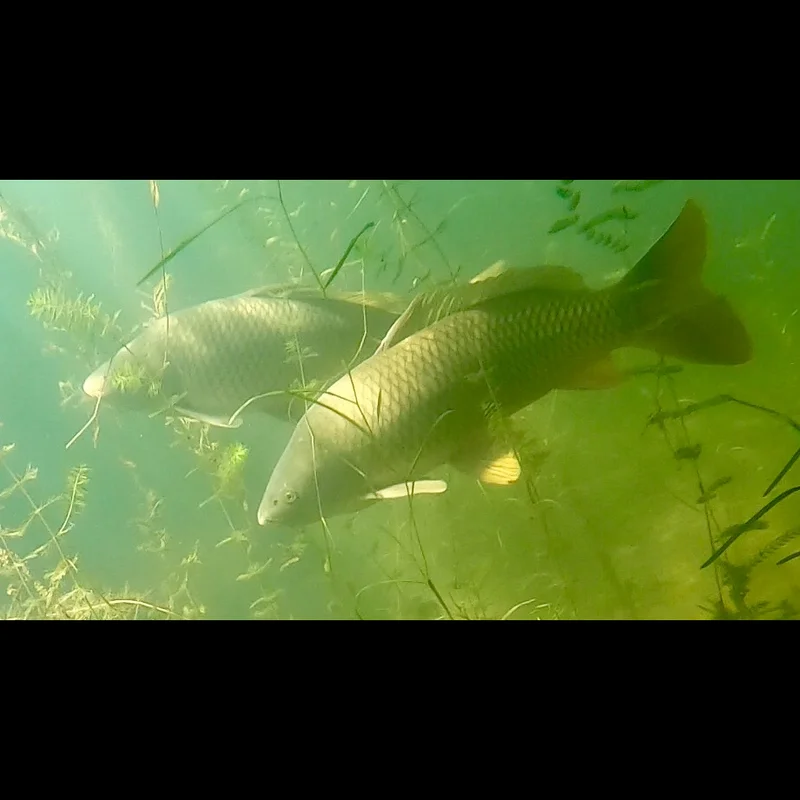
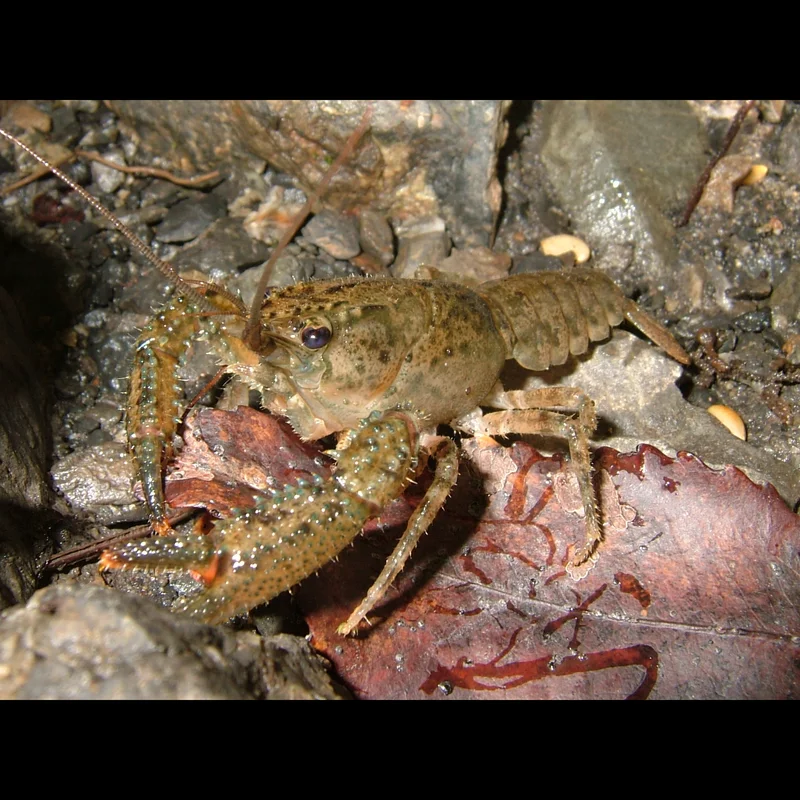
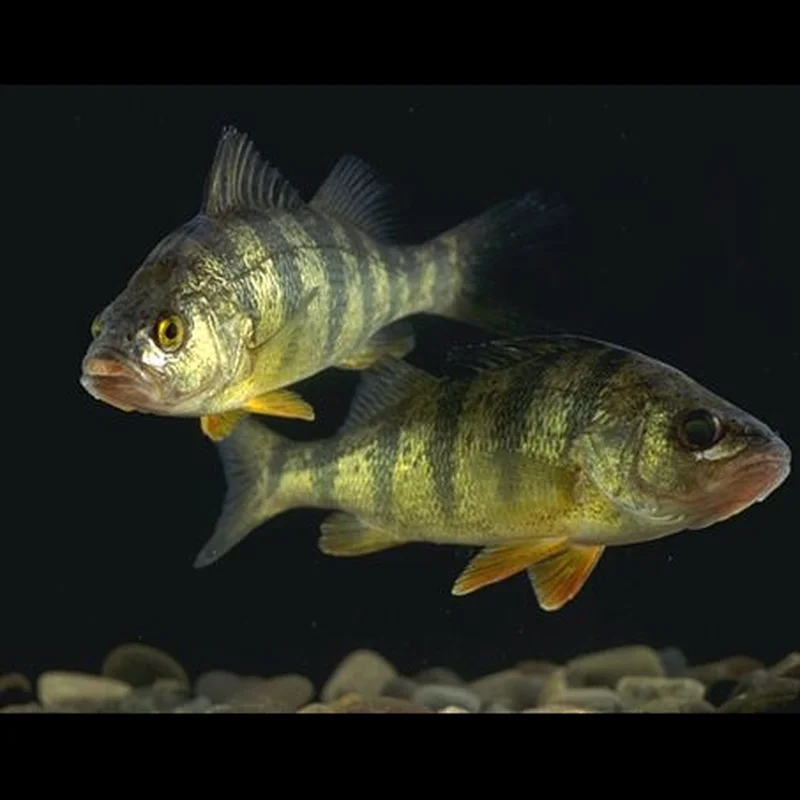
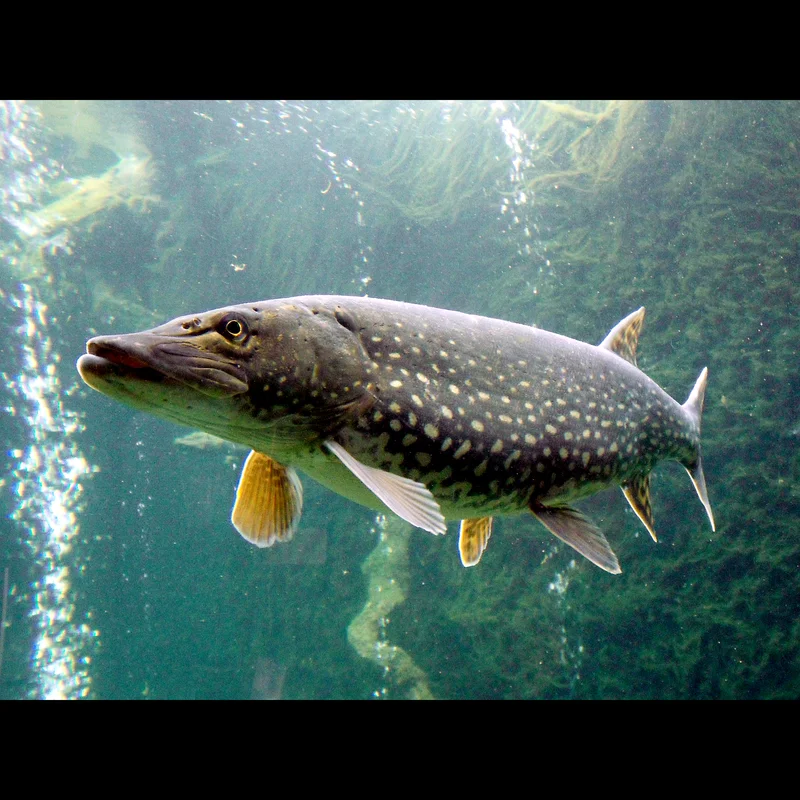
The reed estuaries of Sulzer Bay create a thriving habitat for a variety of freshwater species. Divers exploring this site frequently encounter pike, identifiable by their elongated bodies and predatory demeanor, often lurking among the reeds.
Perch are also common, typically schooling in smaller groups. Other inhabitants include carp and occasionally crayfish, moving along the lakebed or within the sheltered vegetation.
While the site doesn't host marine life, the observation of these freshwater fish and invertebrates in their natural environment is a key draw. The density of the reed beds provides excellent hiding spots, making patient observation rewarding.
Dive Sites Near Sulzer Bay
View all dive sites in AustriaDiscover more underwater gems in this area.

Dive Centers Near Sulzer Bay
Today: 09:00 - 18:00
Nearest Airports
Nearest airports to help plan travel to this dive area.
Search Flights
Check available flights and routes on Expedia, using the nearby airports listed in this section.
Search Flights on ExpediaFrequently Asked Questions
How do I access Sulzer Bay for diving?
Access to Sulzer Bay is exclusively by boat. Divers typically arrange this through local dive centers or operators on Weissensee.
What kind of dive experience can I expect at Sulzer Bay?
You can expect a calm, freshwater lake dive focused on exploring reed estuaries. It's a shallow environment ideal for observing freshwater aquatic life and practicing buoyancy skills.
Is Sulzer Bay suitable for beginner divers?
Yes, its calm conditions and relatively shallow profile make it suitable for beginner divers, including those undertaking training or looking for a relaxed recreational dive.
What is the visibility like in Sulzer Bay?
Visibility in Austrian lakes can be quite good, particularly in colder months. It may vary with seasonal changes and algal growth during warmer periods.
What types of marine life can I see?
As a freshwater lake, you'll encounter species such as pike, perch, and carp, often found within the reed beds. Crayfish can also be spotted on the lakebed.
What water temperatures should I prepare for?
Water temperatures in alpine lakes vary significantly with the season, and thermoclines are common. Be prepared for cooler temperatures, especially at deeper levels or during colder months, and consider appropriate thermal protection like a dry suit.
Planning to dive Sulzer Bay?
Send one inquiry and receive offers directly from the best verified local dive operators.
Conditions are Excellent
07:00 - 14:00
Optimal conditions expected
Current conditions near Sulzer Bay show 12° air, --° sea temperature, N/A waves, and 6 km/h wind. Forecast data is refreshed regularly to ensure accuracy.