
Diving at Escalvada Island (Brazil)
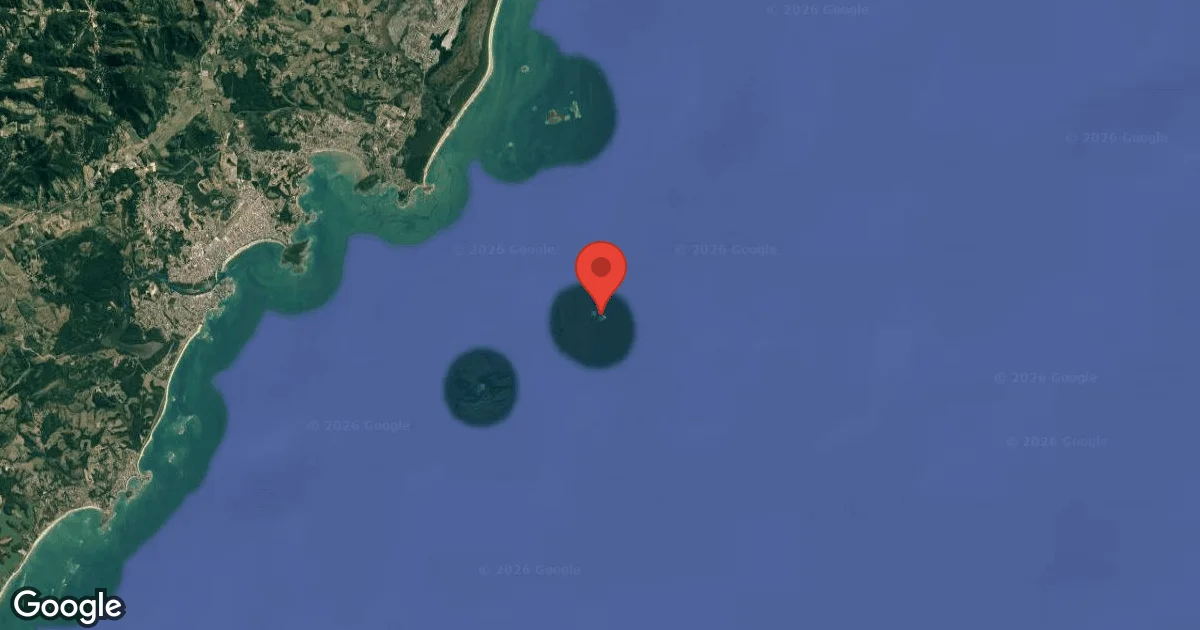
Local legends, often woven with tales of shipwrecks, hidden treasures, and even hauntings, add a layer of mystery to Escalvada Island's allure. This reputation extends underwater, as the island has long been considered a standout dive site within Espírito Santo. It's recognized for consistently offering one of the most vibrant diving experiences in the region, drawing divers seeking both history and active marine environments.
As evening covers Escalvada Island, the local air temperature is measured at 23°C. The current wave height at the surface is recorded at 1.2 m. These late-day readings characterize the surface conditions for the night.
Dive Site Location & Key Facts
Dive Site Overview
Escalvada Island's underwater realm unfolds as a compelling structure, primarily defined by robust rocky formations and expansive surrounding slabs. These impressive geological features transition into a seabed of mixed rock and sand, creating a dynamic foundation for marine life.
Divers can explore a considerable depth range, beginning in shallower areas and extending to deeper zones, reaching over 20 meters. Its offshore position establishes it as a natural sanctuary, providing crucial shelter for an abundance of fish and diverse marine organisms. Such a role contributes consistently to a particularly lively and active underwater environment.
Access to Escalvada is exclusively by boat, typically involving drift or ocean dives. Understanding the currents is paramount; while these water movements demand precise planning and often necessitate drift diving techniques, they are simultaneously vital in sustaining the site's rich and active ecosystem.
Dive profiles here vary, influenced by currents and the intricate topography. Complex geological features, including walls and crevices, carve out numerous micro-habitats, inviting thorough exploration.
Divers navigating the site should be prepared for changing conditions, which can offer unexpected encounters and varied experiences across different sections of the dive. Such dynamic interaction between currents, structure, and marine activity characterizes the Escalvada dive experience.
Conditions are Moderate
Optimal conditions expected
Current conditions near Escalvada Island show 23° air, 24° sea temperature, 1.5 m waves, and 34 km/h wind. Forecast data is refreshed regularly to ensure accuracy.
Best Time to Dive
To maximize underwater visibility, planning your dive around midday sun conditions is often beneficial at Escalvada Island. The period from January through July, and again in November and December, generally offers good dive conditions. Air temperatures during these months are pleasant, ranging from approximately 21°C / 70°F to 26°C / 79°F. Rainfall is minimal, with June typically recording the lowest amounts around 0.79 mm, which helps maintain clearer waters. While currents are a constant factor, wind speeds and wave heights tend to be more moderate during these months, improving surface conditions and boat travel comfort compared to the choppier averages seen in late winter and early spring.
PEAK SEASON SCORE
Scores combine air & water temps, waves, wind & rainfall for overall conditions.
BEST MONTHS TO DIVE
Monthly records compiled from satellite and marine observation nodes over the last 3 years. Data provided by Open-Meteo and MET Norway.
Dive Experience & Conditions
Exploring Escalvada Island offers a depth profile appealing to various certification levels, from its shallower sections around 6 meters / 20 feet down to 24 meters / 75 feet. This range makes it suitable for both PADI Open Water Diver and Advanced Open Water Diver certification holders, though an intermediate skill level is often beneficial due to the prevailing conditions. The site is known for its susceptibility to currents; divers should expect and plan for drift diving scenarios. Water temperatures are not consistently reported in our system data, but given the region's climate, they typically remain warm throughout the year. As an offshore location, the conditions are exposed, which fosters a dynamic environment where marine life thrives.
Dive Difficulty & Safety Guidelines
The primary safety consideration when diving Escalvada Island involves its currents. The site is susceptible to strong currents, meaning divers must plan accordingly, often employing drift diving techniques. It's important for all divers to possess adequate training, with a PADI Open Water Diver certification being the minimum, and an Advanced Open Water Diver certification highly recommended for managing potential stronger currents and deeper sections.
Always carry an audible signaling device and a Surface Marker Buoy (SMB) to ensure visibility to your dive boat should you surface away from the planned exit point. Remain vigilant of your dive profile and air consumption due to the potentially dynamic conditions.
Recommended Equipment
Current and surface separation risk. Local briefing strongly recommended.
- Dive Computer
- DSMB
- Reel / Spool
This gear list is based on verified equipment signals for Escalvada Island, Brazil. Always confirm final gear choices with your dive operator, guide, or liveaboard.
Recommended Dive Suit
Current diving conditions indicate water temperatures around 24°C (75°F) at Escalvada Island. Surface air temperatures are resting at 23°C (73°F).
Current forecasts indicate relatively stable conditions for the coming days.
Most divers exploring waters at this temperature rely on 3-5mm wetsuit for effective insulation. Consider warmer surface protection (like a boat coat) due to brisk winds. Surface intervals may feel cooler. Water temperature is only one factor influencing overall comfort during a dive. Stronger winds may also make surface intervals feel cooler than usual.
Due to technical issues with our weather providers, data hasn't been fetched for over 48 hours. The data above reflects the conditions at the time of the last successful fetch.
Emergency & Medical Support
Essential information to help you plan your dive trip to Escalvada Island.

Hyperbaric chambers are a critical part of dive safety infrastructure. Availability varies significantly by region, and not all dive areas have immediate access.
Before diving, it's recommended to:
- confirm nearest medical facilities
- check emergency procedures with local dive operators
- ensure dive insurance covers evacuation if required
Divers Alert Network
Diving emergency assistance available through DAN World.
+1-919-684-9111- 24/7 emergency hotline
- Diving medical assistance
- Evacuation coordination
Emergency contacts are provided for reference. Always verify local emergency services before diving.
Marine Life at Escalvada Island
Escalvada Island's varied underwater landscape creates a compelling environment for marine sightings. The island functions as a natural refuge, drawing in a diverse range of marine life.
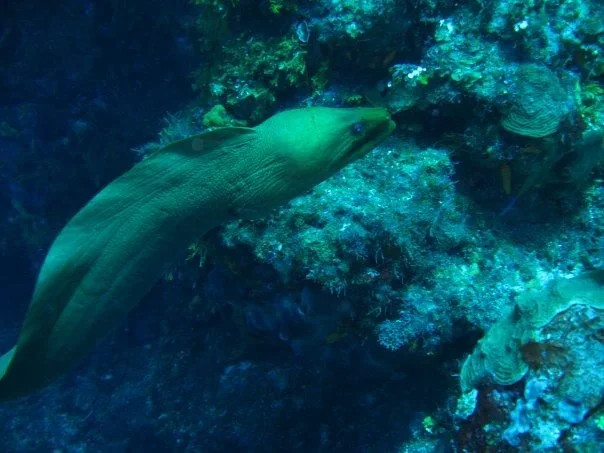
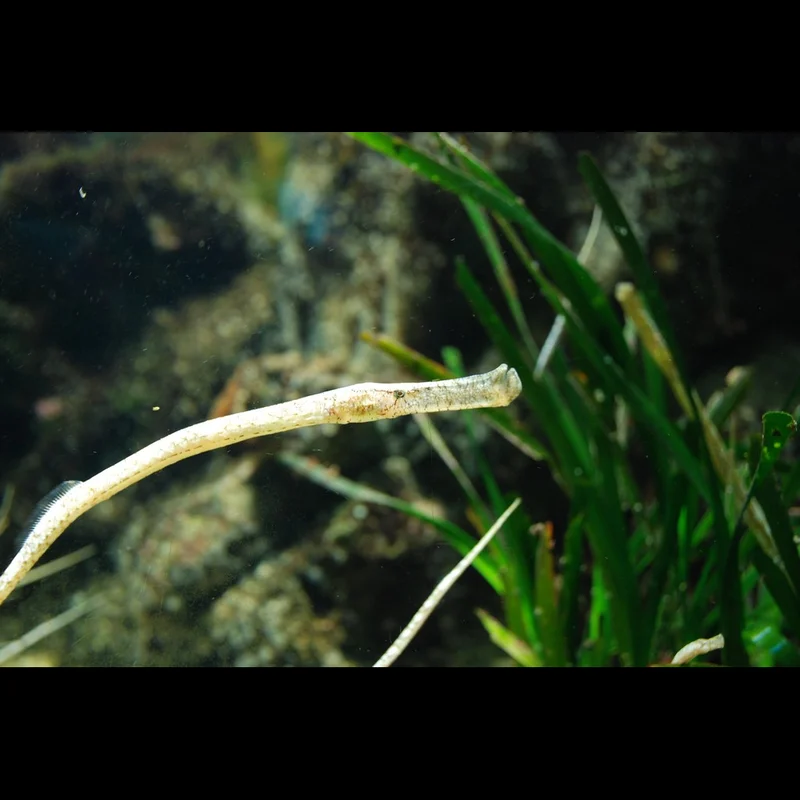
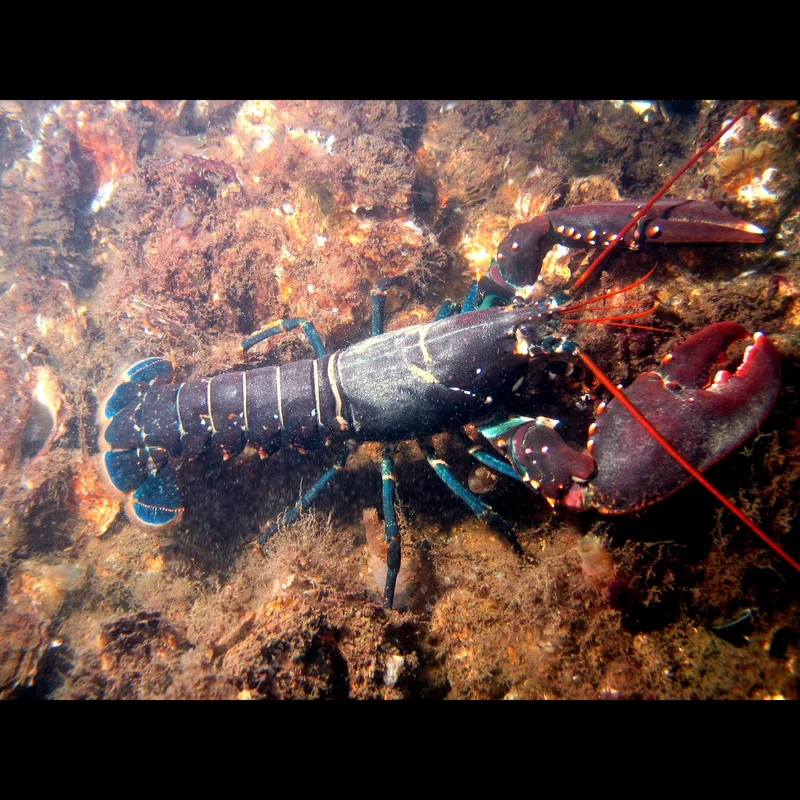
Divers regularly encounter moray eels and lobsters nestled among the rocky formations. Schools of reef fish, along with trumpetfish and pipefish, navigate the vibrant coral areas.
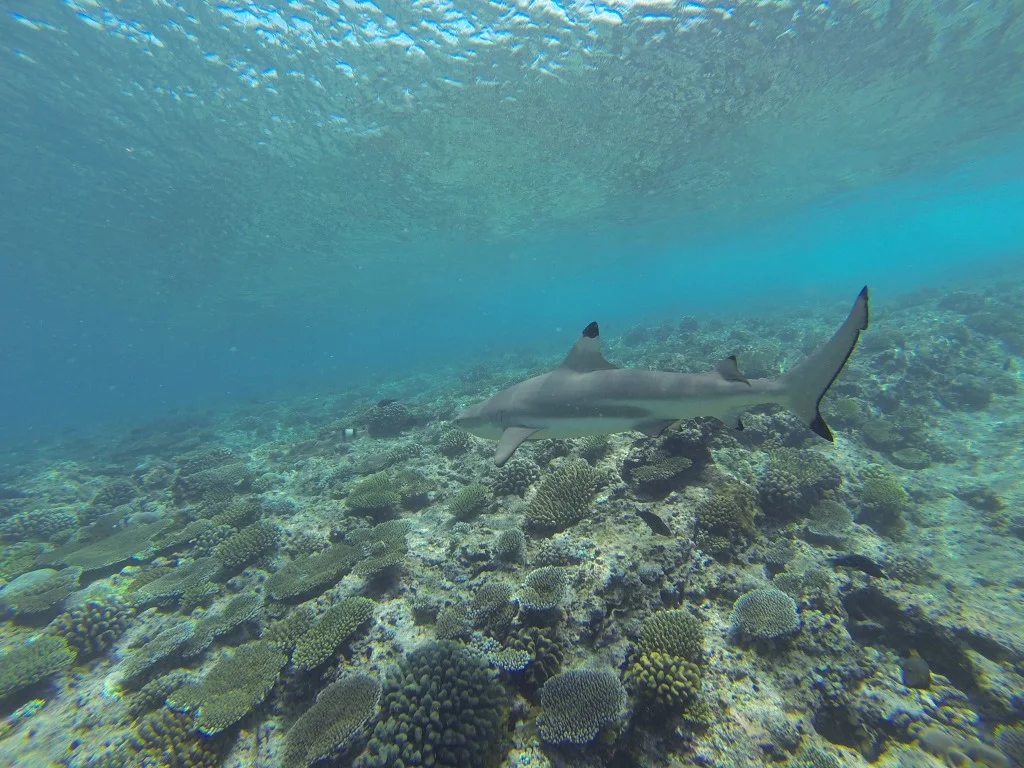
Encounters with larger pelagics like sharks, whales, dolphins, and turtles are also reported, adding an exciting dimension to the dives. This offshore location truly boasts a lively underwater ecosystem.

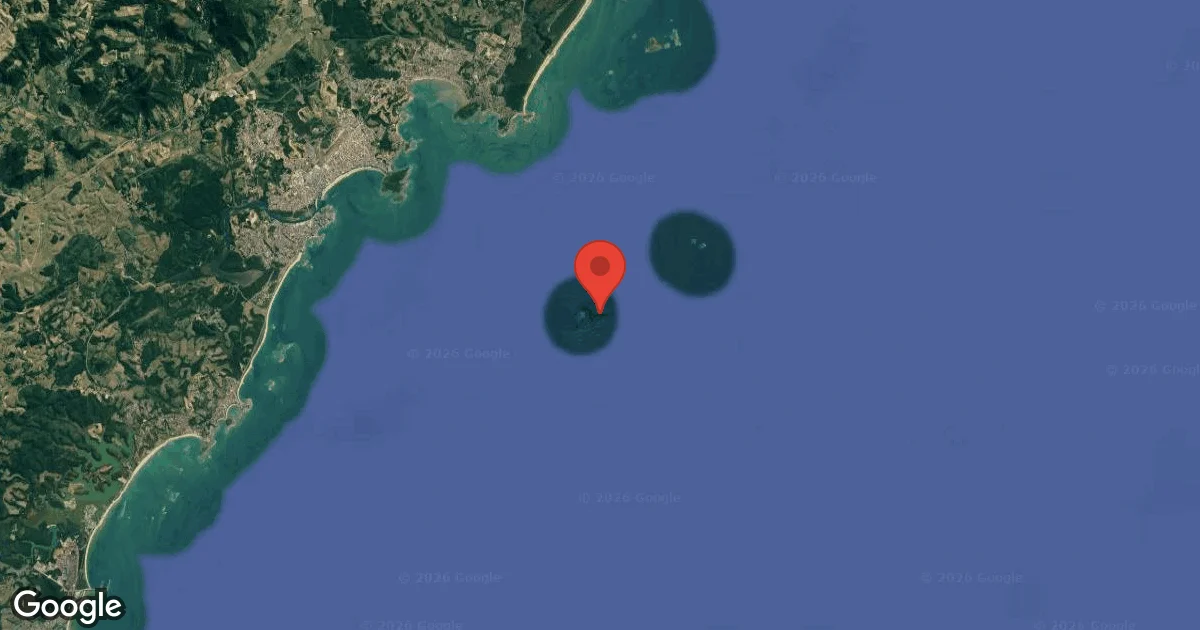
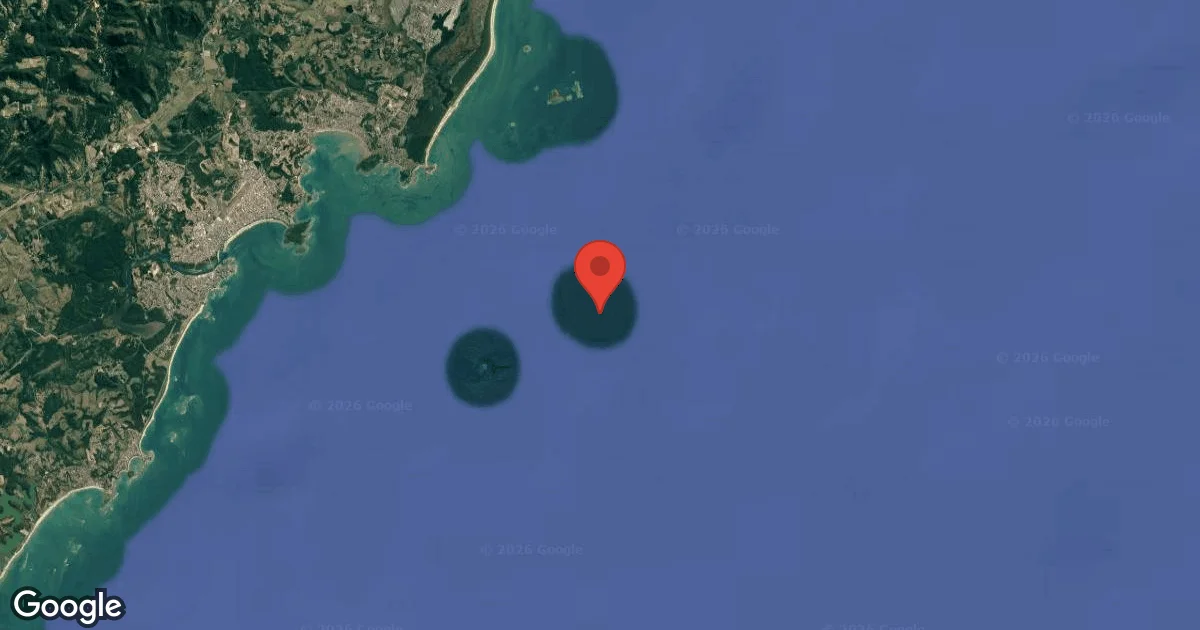
Dive Sites Near Escalvada Island
View all dive sites in BrazilDiscover more underwater gems in this area.
Dive Centers Near Escalvada Island
No Dive Centers Local To Escalvada Island
Are you a dive center visiting this location? Get listed to reach divers.
Nearest Airports
Nearest airports to help plan travel to this dive area.
Search Flights
Check available flights and routes on Expedia, using the nearby airports listed in this section.
Search Flights on ExpediaFrequently Asked Questions
What certification level is recommended for diving Escalvada Island?
An Open Water Diver certification represents the minimum requirement for Escalvada Island. An Advanced Open Water Diver certification, however, is highly recommended. Such training prepares divers for potential stronger currents and deeper sections of the site.
How strong are the currents at Escalvada Island?
Escalvada Island is known for its susceptibility to strong currents. Divers should anticipate and plan for drift diving scenarios. These currents, though demanding, are crucial for supporting the rich marine ecosystem.
What kind of marine life can divers expect to see?
Divers encounter a diverse range of marine life at Escalvada. Moray eels, lobsters, and schools of reef fish are common among the rocky formations. Occasional sightings of pelagic species like sharks, whales, dolphins, and turtles add excitement.
What are the typical water temperatures?
Water temperatures around Escalvada Island typically remain warm throughout the year. Specific data isn't consistently reported, but conditions are generally comfortable. A wetsuit is usually advisable for thermal protection, especially during longer dives.
What is the best time of year to dive Escalvada Island?
January through July, and again in November and December, generally offer good dive conditions. Planning your dive around midday sun often maximizes underwater visibility. Surface conditions also tend to be more moderate during these months.
Are there any specific safety precautions for this site?
Primary safety involves managing currents. Divers should carry an audible signaling device and a Surface Marker Buoy (SMB) for visibility. Remaining vigilant of your dive profile and air consumption is also crucial in dynamic conditions.
Planning to dive Escalvada Island?
Send one inquiry and receive offers directly from the best verified local dive operators.
Conditions are Moderate
Optimal conditions expected
Current conditions near Escalvada Island show 23° air, 24° sea temperature, 1.5 m waves, and 34 km/h wind. Forecast data is refreshed regularly to ensure accuracy.