
Diving at Naufrágio Bellucia (Brazil)
Descend into the waters off Guarapari, Brazil, to explore the Naufrágio Bellucia, a historic steamship resting in two distinct sections. An English cargo vessel, built in 1888, it met its fate in 1903 after engine problems caused it to collide with a shallow reef. Carrying coffee from southern Brazil to New Orleans, the ship struggled for over 24 hours before succumbing to the sea. This captivating wreck offers a dramatic journey through maritime history.
Tonight's objective overview for Naufrágio Bellucia shows an air temperature of 23°C. The measured surface conditions include wave heights around 1.4 m. This environmental data is logged for the close of the day.
Dive Site Location & Key Facts
Dive Site Overview
The 102 m (335 ft) English steamship, Naufrágio Bellucia, lies broken into two significant sections at a maximum depth of 27 m (89 ft). Its stern settled between a shallow shoal and Rasa de Terra, while the bow rests further out, providing varied topography for exploration.
Constructed in Glasgow in 1888 and measuring 12.8 m (42 ft) across with a 7.5 m (25 ft) draft, this substantial wreck carried a coffee cargo before its dramatic sinking in 1903. Approximately 14 km (7 nautical miles) from Guarapari's port, the Bellucia offers a substantial dive site requiring multiple dives to fully appreciate its scale. Divers often encounter moderate to strong currents here, influencing navigation and necessitating advanced skills.
Visibility varies significantly, ranging from 2 m (7 ft) to 20 m (66 ft), which can impact the perspective of the wreck's vast structure. Within its compartments, including its impressive propeller and boilers, divers can trace the vessel's past.
A nearby 'submerged mountain' also provides additional multi-level and drift diving opportunities, enriching the overall experience.
Conditions are Moderate
Optimal conditions expected
Current conditions near Naufrágio Bellucia show 23° air, 24° sea temperature, 1.5 m waves, and 30 km/h wind. Forecast data is refreshed regularly to ensure accuracy.
Best Time to Dive
Optimal diving for Naufrágio Bellucia generally extends from November through April, a period recognized for more favorable sea conditions. During these months, the average air temperature hovers between 24-26°C (75-79°F), offering comfortable surface intervals. Rainfall remains relatively low, typically registering less than 5 mm (0.2 inches) per month, which generally contributes to better visibility compared to wetter periods. While specific water temperature data isn't consistently reported, it typically aligns with the warmer air temperatures of the region. Conversely, months like July and August, despite offering moderate dive scores, see slightly cooler air temperatures around 22-23°C (72-73°F) and often experience higher wave heights and stronger winds, which can lead to less comfortable boat rides and potentially reduced visibility at the site. September, in particular, shows the highest average wave heights at 1.7 m (5.6 ft) and winds reaching 37.7 km/h (23.4 mph), making conditions more challenging. Divers planning a trip should consider these seasonal variations to optimize their experience at this deep wreck site.
PEAK SEASON SCORE
Scores combine air & water temps, waves, wind & rainfall for overall conditions.
BEST MONTHS TO DIVE
Monthly records compiled from satellite and marine observation nodes over the last 3 years. Data provided by Open-Meteo and MET Norway.
Dive Experience & Conditions
Exploring Naufrágio Bellucia is an experience tailored for certified advanced divers, given its maximum depth of 27 m (89 ft). Such a depth profile, combined with often present moderate to strong currents, necessitates careful dive planning and good buoyancy control. Divers require an Advanced Open Water Diver certification or higher to safely navigate the wreck's scattered remains. Underwater visibility at the Bellucia fluctuates, ranging from 2 m (7 ft) to 20 m (66 ft). These variable conditions mean divers might encounter vastly different perspectives of the wreck's integrity and its surrounding environment from one visit to the next. Its sheer size, 102 m (335 ft) long and broken into two primary sections, means multiple dives are essential for a comprehensive exploration. Varied entry points and areas of interest exist, from the prominent propeller to internal compartments, demanding attention to detail and a methodical approach. Conditions here can range from medium to high difficulty depending on the day's sea state.
Dive Difficulty & Safety Guidelines
Diving the Naufrágio Bellucia requires adherence to recognized safety protocols, primarily due to its depth and the potential for strong currents. All divers should be certified at the Advanced Open Water Diver level at minimum; technical certifications like Tec 40 or higher are beneficial for extended bottom times or more complex penetration dives. Always plan your dive thoroughly, considering the moderate to strong currents that can be present around the wreck, which can affect descent, ascent, and overall navigation.
Maintain excellent buoyancy control to avoid disturbing the wreck or stirring up silt, which can quickly reduce visibility. Given the varying visibility, from 2 m (7 ft) up to 20 m (66 ft), always stay aware of your buddy's position.
A site such as this demands respect for its historical significance and natural environment. Never attempt to enter overhead environments without appropriate wreck diving training and equipment.
Recommended Equipment
Overhead / entanglement risk. Wreck penetration requires proper training.
- Dive Computer
- DSMB
- Primary & Backup Lights
- Wreck Reel
- Cutting Tool
This gear list is based on verified equipment signals for Naufrágio Bellucia, Brazil. Always confirm final gear choices with your dive operator, guide, or liveaboard.
Recommended Dive Suit
With water temperatures around 24°C (74°F), many divers find a 3-5mm wetsuit provides comfortable protection.
Local dive briefings can provide the most accurate guidance.
The forecast outlook suggests that temperatures will stay close to current levels.
Emergency & Medical Support
Essential information to help you plan your dive trip to Naufrágio Bellucia.

Hyperbaric chambers are a critical part of dive safety infrastructure. Availability varies significantly by region, and not all dive areas have immediate access.
Before diving, it's recommended to:
- confirm nearest medical facilities
- check emergency procedures with local dive operators
- ensure dive insurance covers evacuation if required
Divers Alert Network
Diving emergency assistance available through DAN World.
+1-919-684-9111- 24/7 emergency hotline
- Diving medical assistance
- Evacuation coordination
Emergency contacts are provided for reference. Always verify local emergency services before diving.
Marine Life at Naufrágio Bellucia
An artificial reef, the Naufrágio Bellucia attracts a diverse array of marine life, thriving within and around its historic structure. Large shoals of cotinga, enxadas, and xixarros frequently congregate atop the wreck, forming dynamic clouds of fish.
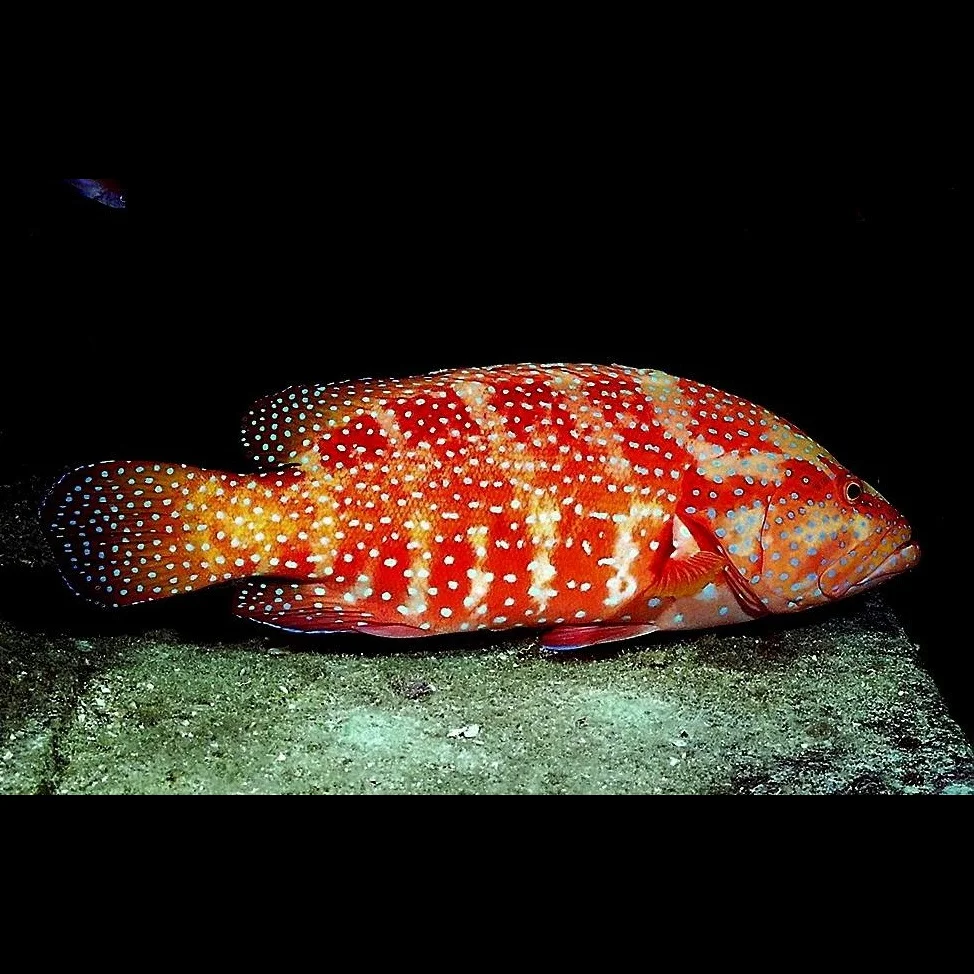
Deeper sections of the wreck and the sandy bottom often reveal badejos mira (groupers) observing their territory, with occasional flounders found camouflaged on the seabed. While not always guaranteed, divers sometimes spot larger pelagics moving in the blue.
Its broken compartments and metal structures provide ample shelter and feeding grounds, fostering a lively underwater ecosystem that contrasts with the ship's static remains.
Dive Sites Near Naufrágio Bellucia
View all dive sites in BrazilDiscover more underwater gems in this area.
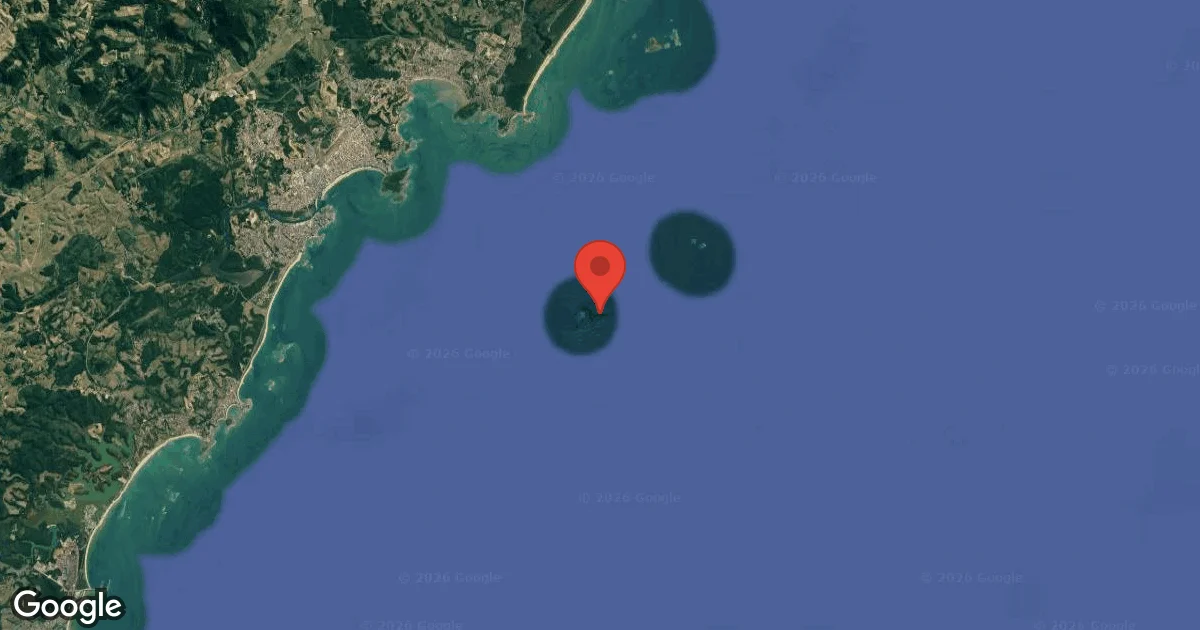
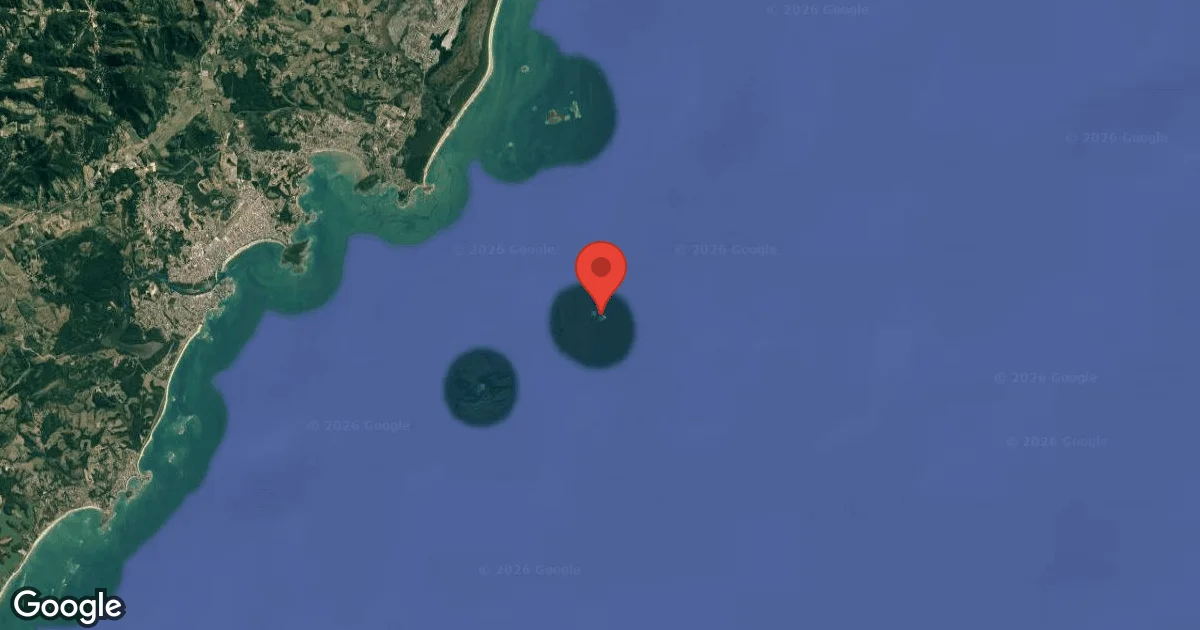
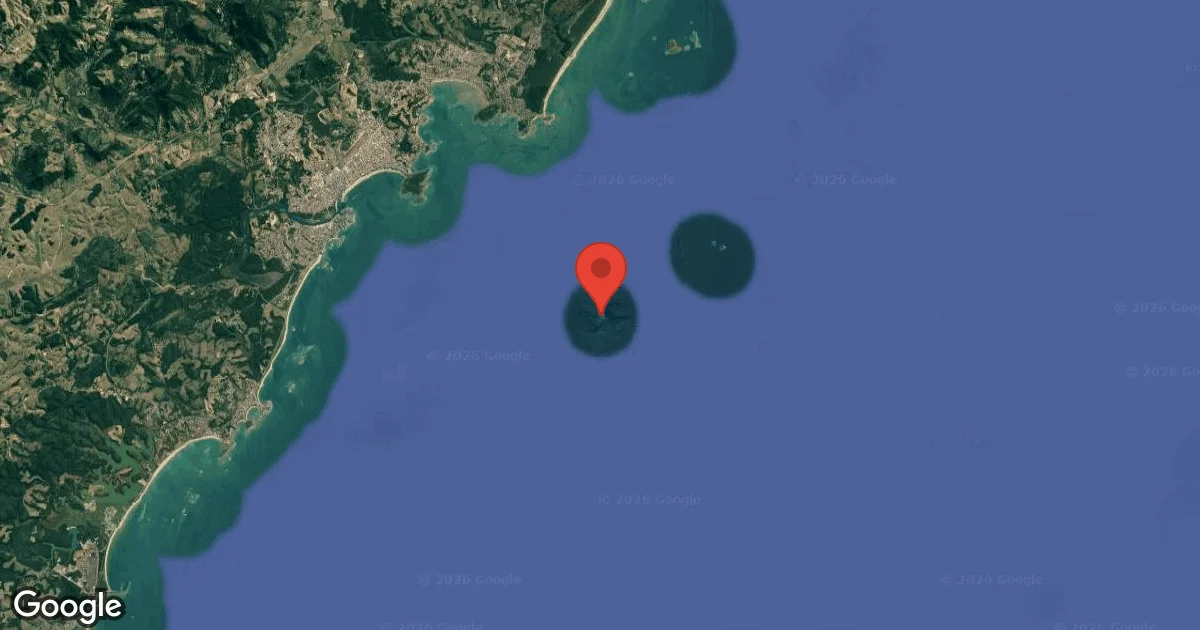
Dive Centers Near Naufrágio Bellucia
No Dive Centers Local To Naufrágio Bellucia
Are you a dive center visiting this location? Get listed to reach divers.
Nearest Airports
Nearest airports to help plan travel to this dive area.
Search Flights
Check available flights and routes on Expedia, using the nearby airports listed in this section.
Search Flights on ExpediaFrequently Asked Questions
What is the Naufrágio Bellucia?
It's the wreck of a 102 m (335 ft) English steamship that sank in 1903 after colliding with a shoal near Guarapari, Brazil. The vessel was carrying a cargo of coffee when it met its fate.
How deep is the Naufrágio Bellucia?
The wreck rests at a maximum depth of 27 m (89 ft). This depth categorizes it as an advanced dive requiring appropriate certification.
What dive certification is needed for this site?
Divers need at least an PADI Advanced Open Water Diver certification due to the depth and potential currents. Technical diving certifications like Tec 40 are recommended for more extensive exploration.
What are the typical diving conditions?
Conditions can vary, with visibility ranging from 2 m (7 ft) to 20 m (66 ft). Divers should also be prepared for moderate to strong currents.
What marine life can I expect to see?
The wreck attracts numerous fish shoals, including cotinga, enxadas, and xixarros. You might also spot groupers (badejos mira) and occasional flounders, with a chance of larger pelagic species.
Is the Bellucia wreck intact?
No, the Naufrágio Bellucia broke into two main parts after it ran aground and sank. Its stern and bow sections are now separated, offering different areas of interest for divers.
When is the best time of year to dive Naufrágio Bellucia?
The period from November to April is generally considered the most favorable for diving, offering better sea conditions, warmer air temperatures, and lower rainfall.
Why do some locals call it 'Berlucio'?
Fishermen in the region commonly refer to the wreck as 'Berlucio'. This name has become popular due to the abundance of fish found in the area around the shipwreck.
Planning to dive Naufrágio Bellucia?
Send one inquiry and receive offers directly from the best verified local dive operators.
Conditions are Moderate
Optimal conditions expected
Current conditions near Naufrágio Bellucia show 23° air, 24° sea temperature, 1.5 m waves, and 30 km/h wind. Forecast data is refreshed regularly to ensure accuracy.