
Diving in Brazil
In Brazil, dive sites present a mix of conditions that change depending on location and environment. Our database currently contains 38 dive locations across Brazil.
The South American continent's largest nation, Brazil, presents an underwater identity shaped profoundly by its vast geographical and geological diversity. Its extensive coastline, stretching thousands of kilometers, along with unique oceanic island formations, creates a wide array of distinct diving environments. These include intricate coral reef systems, historically significant shipwrecks, and specialized freshwater cave environments across its Atlantic shores, from Bahia south to Rio de Janeiro.
The oceanic archipelago of Fernando de Noronha exemplifies this diversity, characterized by its clear waters and exceptional marine biodiversity, where divers explore vibrant reef ecosystems and deeper structures. In contrast, the Northeast Coast, particularly around Recife, is a prominent hub for wreck diving, housing numerous sunken vessels that now serve as artificial reefs.
Further south, the Abrolhos Archipelago stands out with the largest coral reef complex in the South Atlantic, featuring unique columnar coral formations. Even inland, the freshwater caves of Bonito offer a different geological experience, known for their unparalleled clarity. This broad identity ensures varied explorations, from vast reef complexes to maritime history or unique subterranean systems. Visibility can be exceptional, reaching up to 50 meters (164 feet) in areas like Fernando de Noronha.
Dive Map of Brazil
An interactive dive map serves as an indispensable tool for divers exploring Brazil's vast underwater landscapes. This resource simplifies trip planning by visually outlining the country's diverse regions and pinpointing specific dive sites, from Fernando de Noronha to the wreck-laden coasts of Recife and the unique coral formations of Abrolhos.
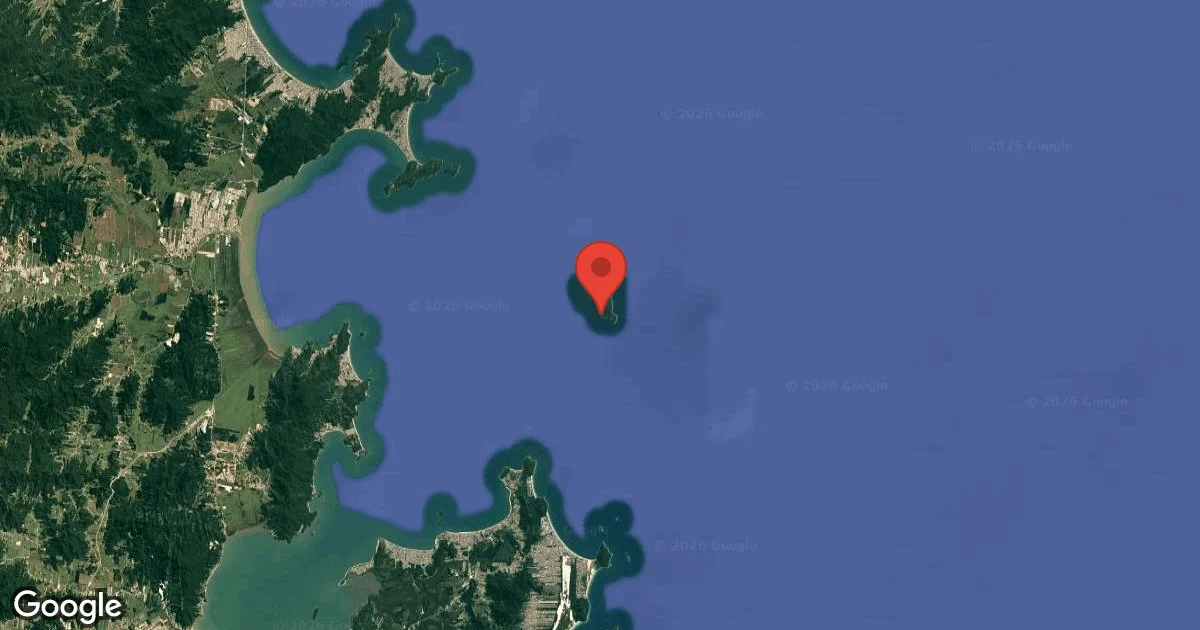
The map provides a clear overview, allowing divers to easily locate specific areas such as Bahia, Rio de Janeiro, and the Southern Coast. It highlights key destinations like Arraial do Cabo, Angra dos Reis, and Laje de Santos Marine State Park, enabling a detailed preview of their unique offerings.
By engaging with this interactive guide, divers can efficiently refine itineraries and anticipate the variety of underwater adventures awaiting them.
Dive Sites to Explore
View all 38 sites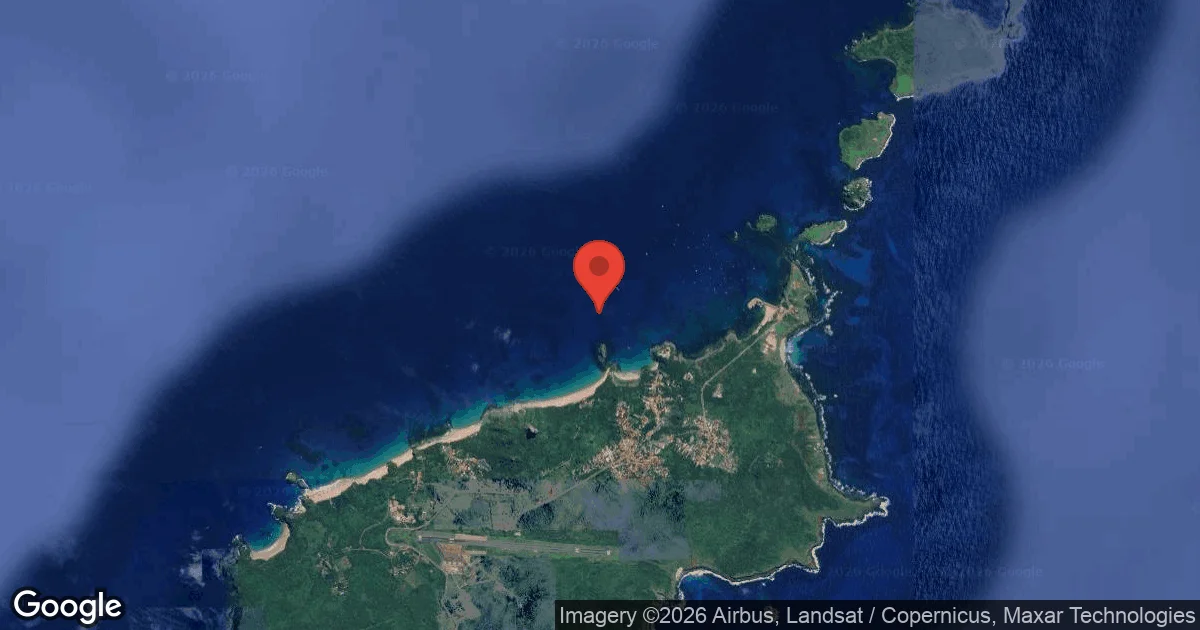
Brazil offers a diverse range of underwater exploration, encompassing vibrant reefs, challenging wrecks, and unique freshwater caves. Divers can encounter a variety of marine environments, from the protected waters of marine parks to the historical depths of sunken vessels. Visibility can vary, reaching up to 50 meters (164 feet) in some areas like Fernando de Noronha, while other sites might offer 10 to 20 meters (30 to 70 feet).
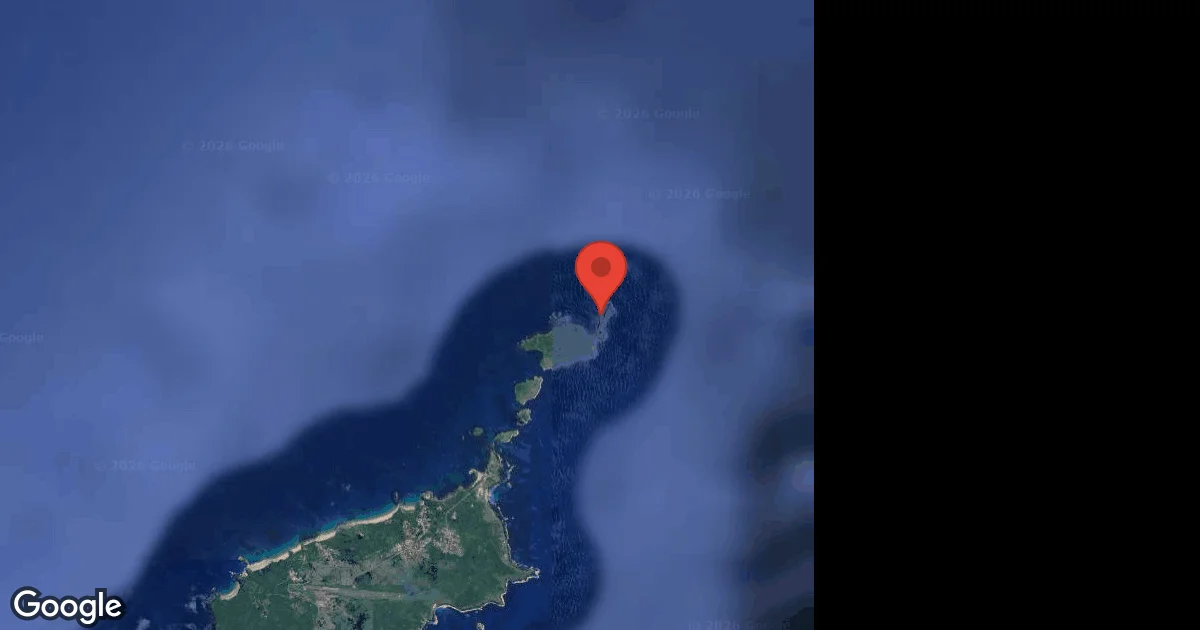
Fernando de Noronha, a UNESCO World Heritage Site, is home to several notable dive sites. At Cabezo das Cordas, divers frequently encounter spotted eagle rays, and it is also a popular spot for night diving. Another site, Pedras Secas, features an exuberant stadium-like rock formation at a maximum depth of 16 meters (52 feet), where sea turtles are commonly observed alongside reef and nurse sharks.
Recife is recognized for its extensive collection of shipwrecks, with more than 48 sunken ships of varied types and ages. The Corveta V17, a Navy shipwreck situated at 65 meters (210 feet) deep, requires specific equipment and training for exploration. El Camaquã C6 is another example among the many wrecks accessible in Recife, some dating back to the 1600s.
For a different experience, the Abrolhos Reef Complex, part of the Abrolhos Marine National Park off the coast of Bahia, showcases the largest coral reef in the South Atlantic. This area is characterized by over 19 coral species, many forming unique columnar structures known as chapeiroes. Chepairão Jean Pierre and Chapeirão Faca Cega are specific spots here, known for their abundant fish populations.
Best Time to Dive in Brazil
Determining the optimal time for diving in Brazil requires careful consideration of regional variations in conditions and seasonal crowd dynamics. Generally, the dry season, from August to February, offers stable weather, minimal rainfall, and excellent diving conditions across many areas, particularly in Fernando de Noronha.
In destinations like Arraial do Cabo, the summer months from December to March provide the warmest conditions, with water temperatures averaging 22-26°C (72-79°F) and consistent dive departures. However, the winter season, from June to August, can bring colder waters due to upwelling, though visibility and marine life remain rich, potentially attracting fewer crowds.
For the Northeast Coast, including Recife and Bahia, September to March is ideal, coinciding with warmer waters and the humpback whale migration near Abrolhos. The Abrolhos Marine National Park itself is best visited from July to November for whale watching. Southern Brazil experiences warmer waters from November to February. Divers should note that in Fernando de Noronha, November to February can bring swells and strong waves, potentially reducing visibility, particularly in the Inner Sea, while the Outer Sea often remains calmer.
Monthly Sea Temperatures
Understanding Brazil's sea temperatures is crucial for planning a comfortable dive experience, as conditions vary significantly by region and season. Divers exploring the northern areas, such as Fernando de Noronha, can anticipate consistently warm waters, often around 27°C (80°F) or above, providing comfortable year-round diving.
Conversely, those venturing to Southern Brazil during the winter months might encounter cooler conditions, with seawater temperatures dropping to 16°C (60°F). Along the Southeast Coast, including popular spots in Rio de Janeiro and São Paulo, temperatures are generally milder. For instance, in Arraial do Cabo, summer months from December to March offer pleasant averages of 22-26°C (72-79°F).
The influence of the South Equatorial current also plays a role in maintaining warmer waters across many of the country's dive sites. This regional variation means divers can choose their destination based on their preference for warm tropical dives or cooler, temperate explorations.
| Jan | Feb | Mar | Apr | May | Jun | Jul | Aug | Sep | Oct | Nov | Dec | |
|---|---|---|---|---|---|---|---|---|---|---|---|---|
| Max | 29° | 30° | 30° | 29° | 29° | 29° | 29° | 29° | 28° | 28° | 28° | 29° |
| Avg | 29° | 29° | 29° | 29° | 29° | 28° | 28° | 28° | 27° | 27° | 28° | 28° |
| Min | 28° | 28° | 28° | 28° | 28° | 28° | 27° | 27° | 27° | 27° | 27° | 27° |
Dive Conditions
Visibility and currents are primary considerations for diving in Brazil, with conditions varying significantly by location and season. Fernando de Noronha often boasts exceptional visibility, commonly extending to 30 meters (100 feet) and sometimes reaching up to 50 meters (164 feet) in the calmer Inner Sea, particularly from August to mid-October. This clarity makes it ideal for underwater photography.
In areas like Arraial do Cabo, water visibility can reach up to 25 meters (82 feet) during its peak season from September to April. However, other regions, such as the Northeast Coast, might experience visibility ranging from 10 to 20 meters (30 to 70 feet). Freshwater cave dives in Bonito are known for unparalleled clarity.
Currents are generally mild in sheltered areas like Fernando de Noronha's Inner Sea, providing stable diving conditions. However, during the swell season from November to February, strong waves and agitation can affect the Inner Sea, temporarily reducing visibility and requiring divers to focus on sites along the more sheltered Outer Sea. Some dive sites, especially those with upwelling near Cabo Frio island, can feature pelagic encounters due to oceanographic conditions.
Marine Life Highlights
Most Mentioned Species
Marine life in Brazil varies across dive locations, with different species appearing depending on environment and conditions. The species highlighted here are the most frequently associated with dive sites in our data, offering a realistic overview of what divers are most likely to encounter.
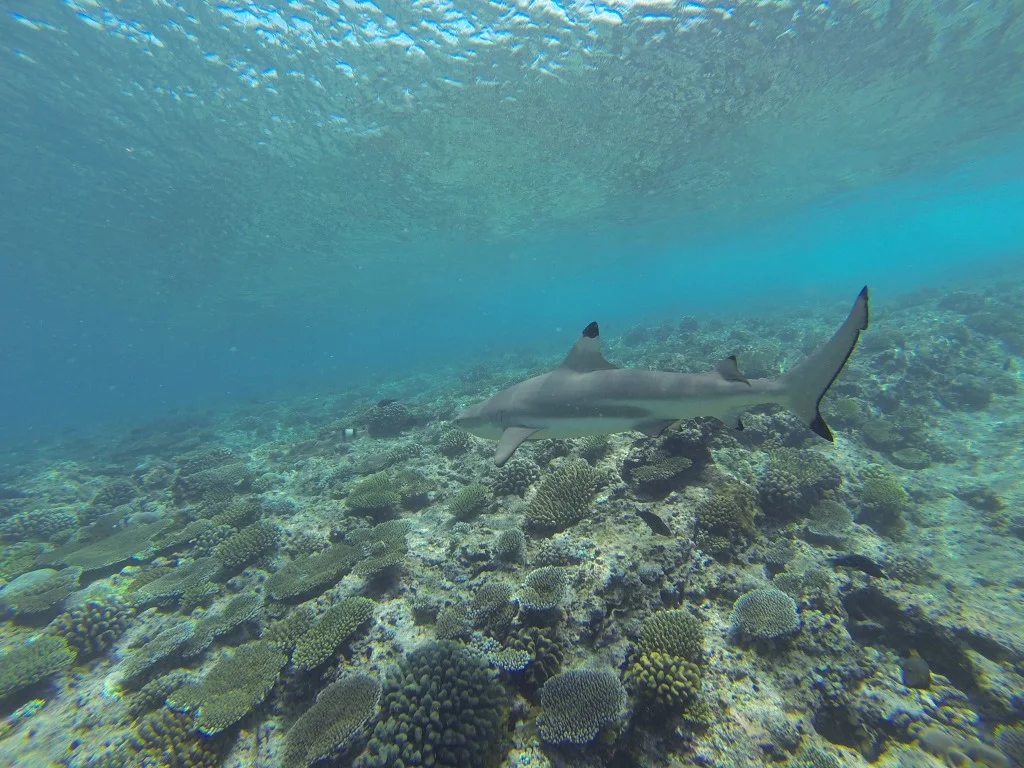
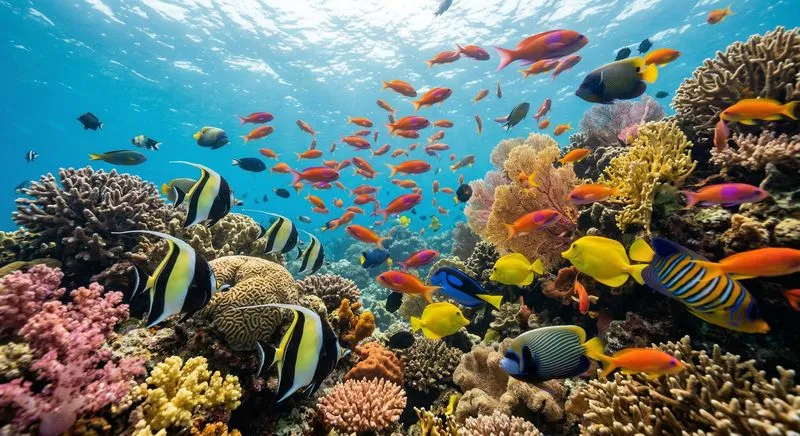
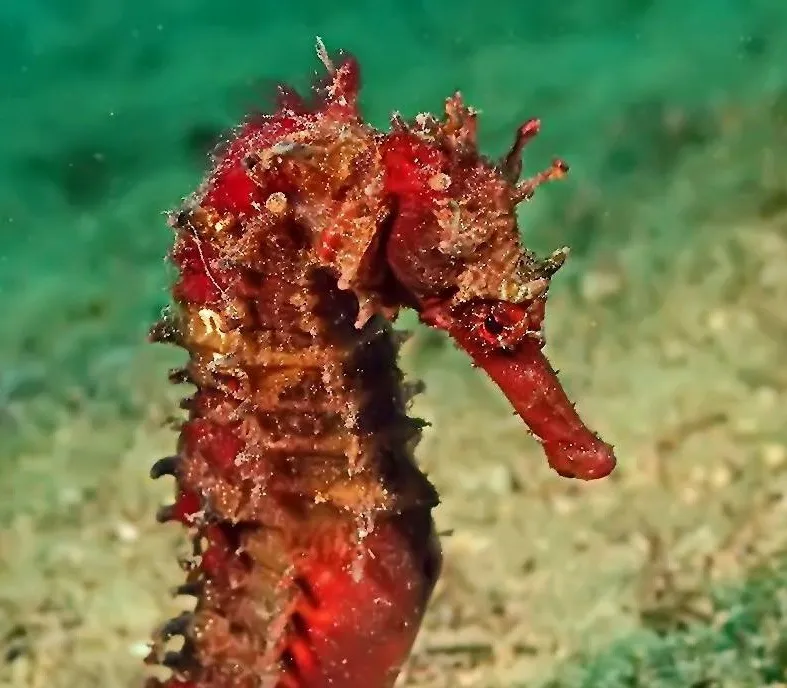
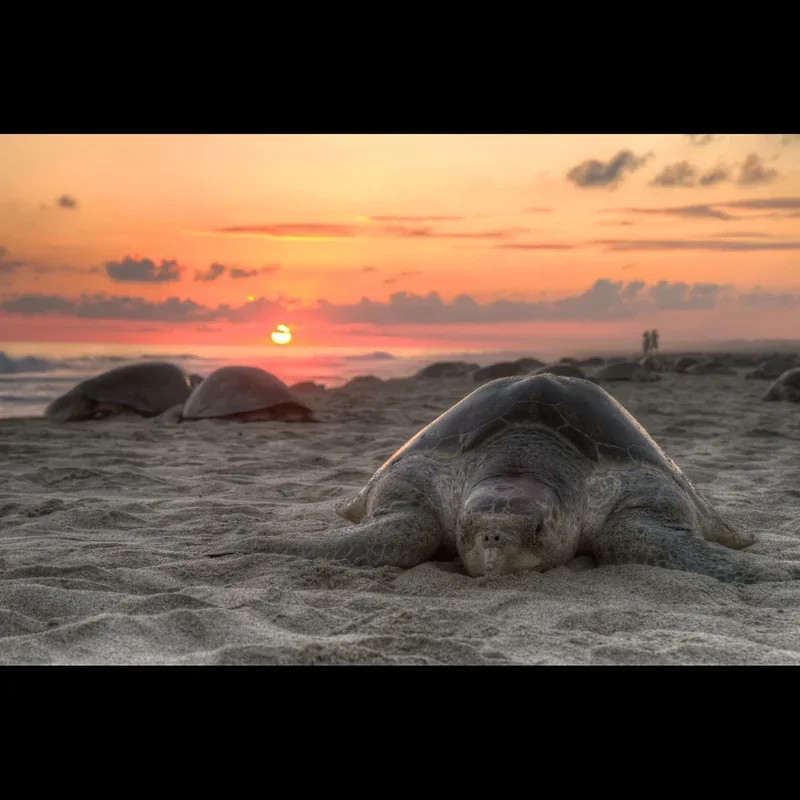
Brazil's marine environments support a rich variety of species, making it a compelling destination for biodiversity enthusiasts. Divers can anticipate encounters with numerous reef creatures, including diverse coral fishes, parrot fish, angel fish, and vibrant populations of small fish. The Abrolhos Reef Complex alone hosts over 19 coral species, many forming unique columnar structures.
Pelagic species are a significant draw, with sightings of large rays, spotted eagle rays, and giant manta rays, particularly at sites like Laje de Santos Marine Park. Sharks are also present, including reef sharks, nurse sharks, and even occasional hammerhead and whale sharks in coastal waters from Ceara to Rio Grande do Sul and around oceanic archipelagos.
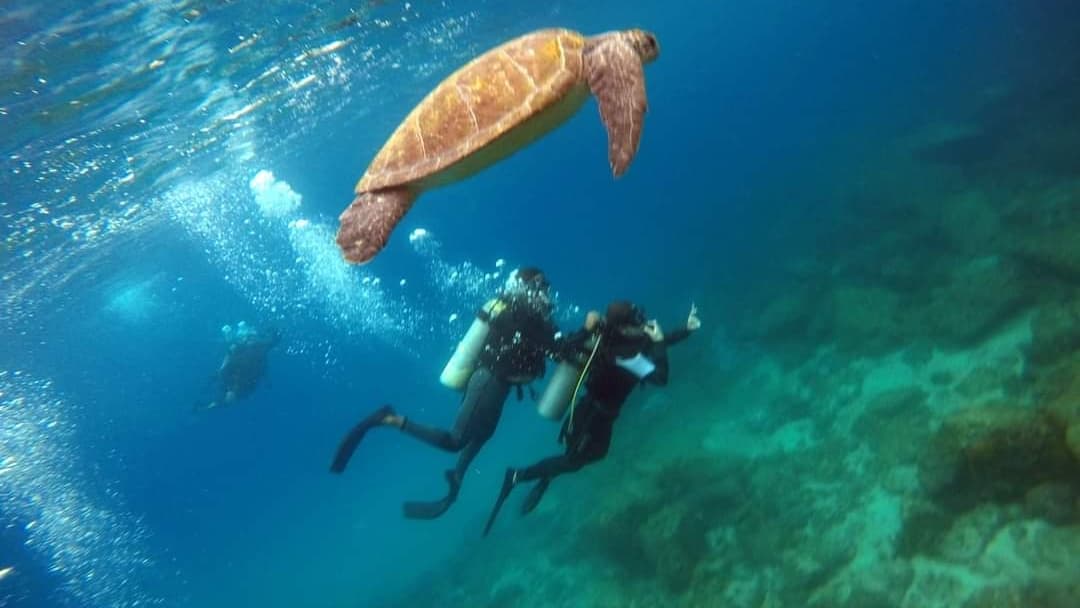
Sea turtles, including green, hawksbill, and leatherback species, are commonly observed at many sites, notably Pedras Secas in Fernando de Noronha. Other fascinating inhabitants include dolphins, barracudas, large groupers, lobsters, crabs, shrimps, octopuses, and seahorses. Seasonal highlights include the migration of humpback whales for breeding between June and November, particularly near Abrolhos, and the potential to spot the pink dolphin in freshwater dives in the Amazon River.
Regions for Diving
Across its diverse geography, Brazil's regions present distinct diving styles and unique underwater experiences for explorers. From remote oceanic archipelagos to coastal cities, each area offers a different focus for underwater adventure.
Fernando de Noronha, an oceanic archipelago, epitomizes world-class diving with clear, warm waters and abundant marine life. Diving here involves exploring caves, caverns, and deep shipwrecks, alongside vibrant coral gardens. Sites like Cabeço da Sapata are known for large rays, while Pedras Secas offers encounters with sea turtles. Visibility often ranges from 30 meters (100 feet) to an impressive 50 meters (164 feet) during optimal periods, with water temperatures around 27°C (80°F). Diving is possible year-round, though the Inner Sea is calmer from August to October.
Recife, on the Northeast Coast, is recognized as Brazil's shipwreck capital. Diving here features exploration of over 48 sunken ships, some dating back to the 1600s, which now serve as artificial reefs. These teem with marine life like large sea turtles, rays, and groupers. Conditions are ideal between September and March, coinciding with warmer waters. Visibility generally ranges from 10 to 20 meters (30 to 70 feet).
The Abrolhos Archipelago, off southern Bahia, focuses on extensive coral reef diving within the Abrolhos Marine National Park. Divers explore unique columnar coral formations, known as chapeiroes, and encounter vast fish populations. This region is also key for humpback whale migration between June and November, making it prime for both reef exploration and whale watching. The park is best visited from July to November.
The State of Rio de Janeiro, including Arraial do Cabo and Angra dos Reis, offers a mix of reef and wreck diving. Arraial do Cabo, often called the “Brazilian Caribbean,” provides clear waters and abundant marine life, with visibility up to 25 meters (82 feet). Due to upwelling near Cabo Frio island, divers can encounter pelagic species. Summer months (December to March) offer the warmest waters, averaging 22-26°C (72-79°F). Angra dos Reis features sites like the Blue Lagoon and the Wreck of a helicopter at Lage Matariz.
Travel & Passport Guide
Travel Basics
Trip Planning
Safety & Diving Considerations
Prioritizing safety is paramount for any diving excursion in Brazil. While specific safety regulations or facilities might not always be widely detailed, divers should adhere to general safe diving practices, including thorough equipment checks and diving within their certification limits.
Awareness of currents is particularly important, as some areas can experience strong currents or swells, especially during seasonal changes. For instance, in Fernando de Noronha, the period from November to February can bring large waves and agitation to the Inner Sea. Always dive with reputable operators who employ experienced local guides familiar with site-specific conditions and potential environmental changes.
When exploring deeper sites or wrecks, ensure you possess the appropriate training and equipment, as some dives, like the Corveta V17 in Recife, require advanced certification. Consulting local dive centers for up-to-date conditions and safety briefings is always recommended to ensure a secure and enjoyable experience.
Dive Centers in Brazil
View all 44 dive centers
Frequently Asked Questions
What are the optimal months for diving in Brazil?
The best time to dive in Brazil largely depends on the region. For Fernando de Noronha, the dry season from August to February offers stable weather and excellent diving. Arraial do Cabo is ideal from December to March for warm waters, while the Northeast Coast (Recife, Bahia) is best between September and March. The Abrolhos Marine National Park shines from July to November, especially for whale watching.
What types of marine life can divers expect to see in Brazil?
Brazil's waters are home to a wide array of marine life. Divers frequently encounter coral fishes, parrot fish, and angel fish on reefs. Pelagic sightings include large rays, spotted eagle rays, and giant manta rays. Sharks like reef, nurse, and occasional whale sharks are also present. Sea turtles, dolphins, barracudas, groupers, octopuses, and seahorses add to the diverse underwater ecosystem. Humpback whales migrate for breeding between June and November.
Are there good wreck diving opportunities in Brazil?
Yes, Brazil offers significant wreck diving opportunities. Recife is particularly known as the country's shipwreck capital, housing over 48 sunken ships, some dating back to the 1600s. Notable wrecks include the Corveta V17, located at 65 meters (210 feet), requiring specialized training. Fernando de Noronha also features deep shipwrecks alongside its colorful reefs.
What are the typical water temperatures for diving in Brazil?
Water temperatures vary regionally across Brazil. In the northern areas, such as Fernando de Noronha, temperatures are consistently warm, around 27°C (80°F) or above. Along the Southeast Coast, like Arraial do Cabo, summer temperatures average 22-26°C (72-79°F). Southern Brazil can experience colder waters, dropping to 16°C (60°F) during winter months.
How clear is the water for diving in Brazil?
Water clarity in Brazil varies by location and season. Fernando de Noronha is known for exceptional visibility, often reaching 30 meters (100 feet) and sometimes up to 50 meters (164 feet) in calm periods. Arraial do Cabo can offer up to 25 meters (82 feet) of visibility. Freshwater cave dives in Bonito provide unparalleled clarity. However, windy seasons or swells can temporarily reduce visibility in some areas.