
Diving at South Point (Costa Rica)
Descending into South Point, divers quickly encounter a dramatic drop-off wall, transitioning into an intricate canyon reef structure. This site features impressive topography and rock formations that define its underwater landscape. Depths here commonly range between 15 to 30 meters / 50 to 100 feet, though some sections extend deeper. It's an environment where the contours of the reef guide the entire dive sequence.
Evening condition tracking at South Point features an air temperature of 27.5°C. We have recorded wave heights measuring 1.1 m during this period. These figures outline the environmental parameters currently present.
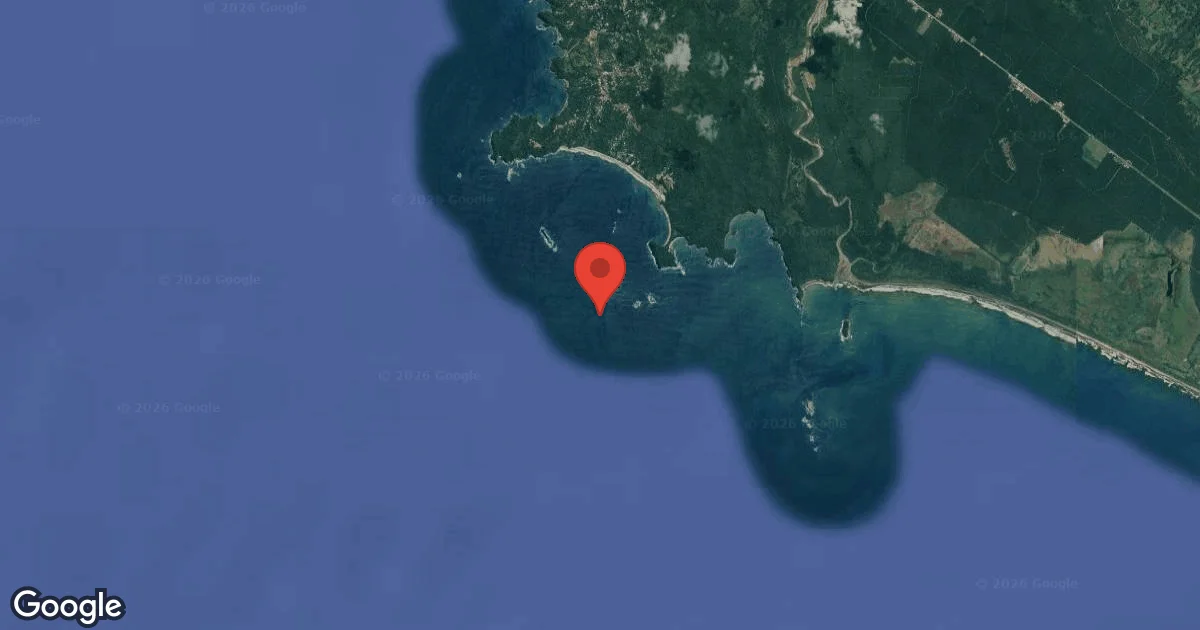
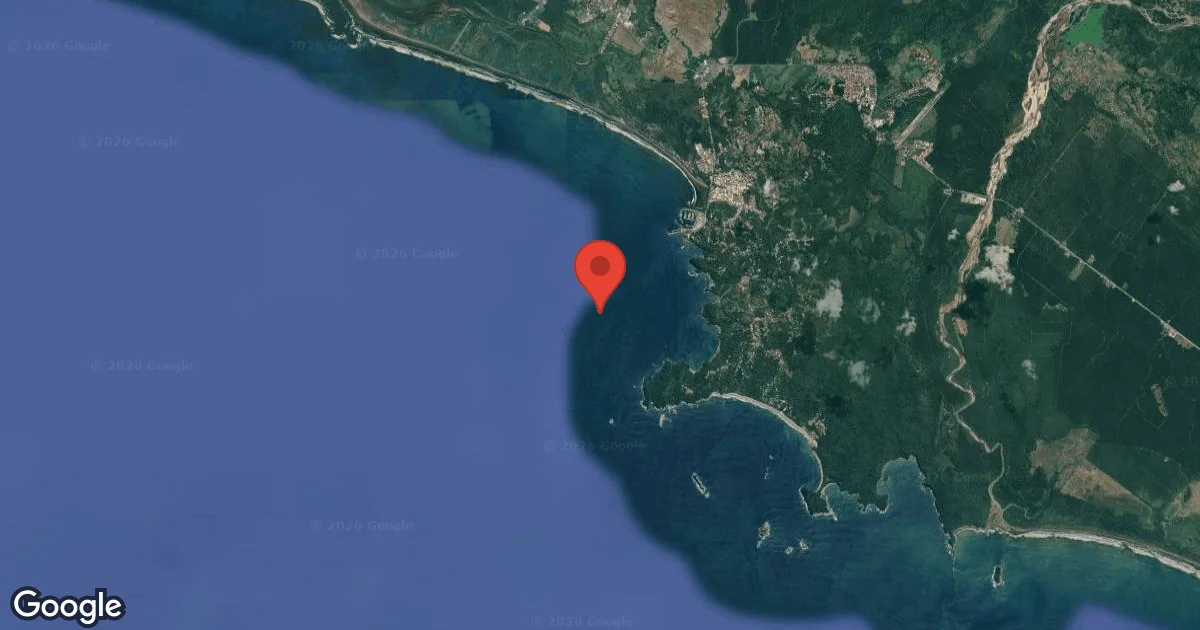
Dive Site Location & Key Facts
Dive Site Overview
The dive journey at South Point unfolds along a dramatic drop-off wall, eventually leading into an intricate, dynamic canyon reef system. Divers will find the site’s underwater topography immediately captivating, showcasing beautiful rock formations and a diverse array of reef structures.
Depths here commonly register between 15 to 30 meters / 50 to 100 feet, providing ample exploration for recreational divers.
However, certain sections of this remarkable site can descend deeper, reaching a reported maximum of 40 meters / 130 feet, which caters to those with advanced certifications and appropriate experience. The dual nature of wall and reef diving here appeals to a broad range of certified divers who appreciate varied underwater landscapes.
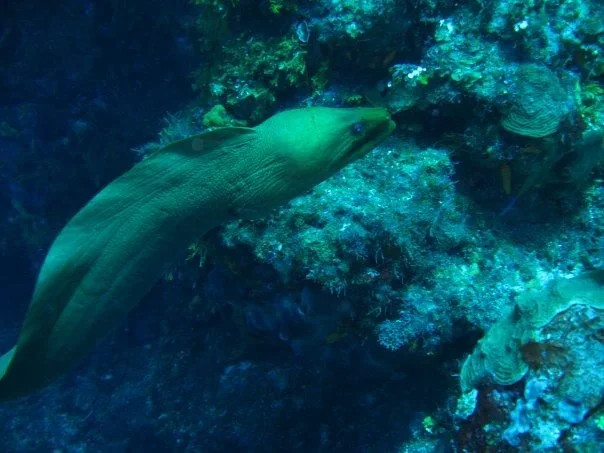
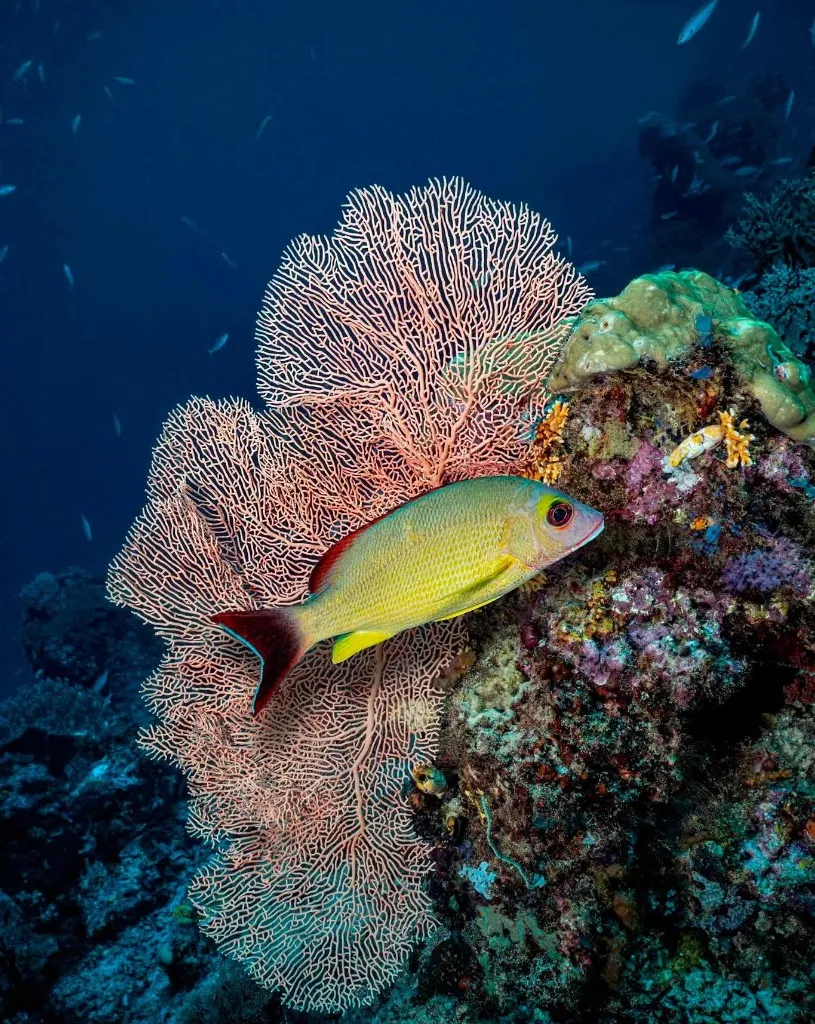
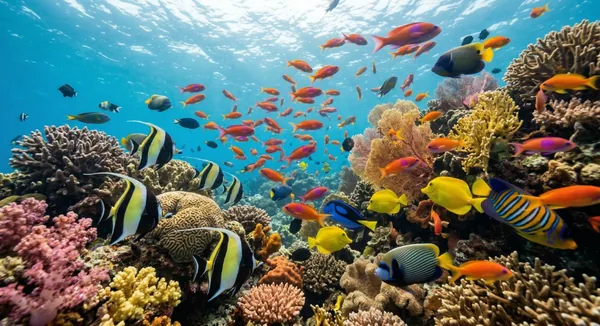
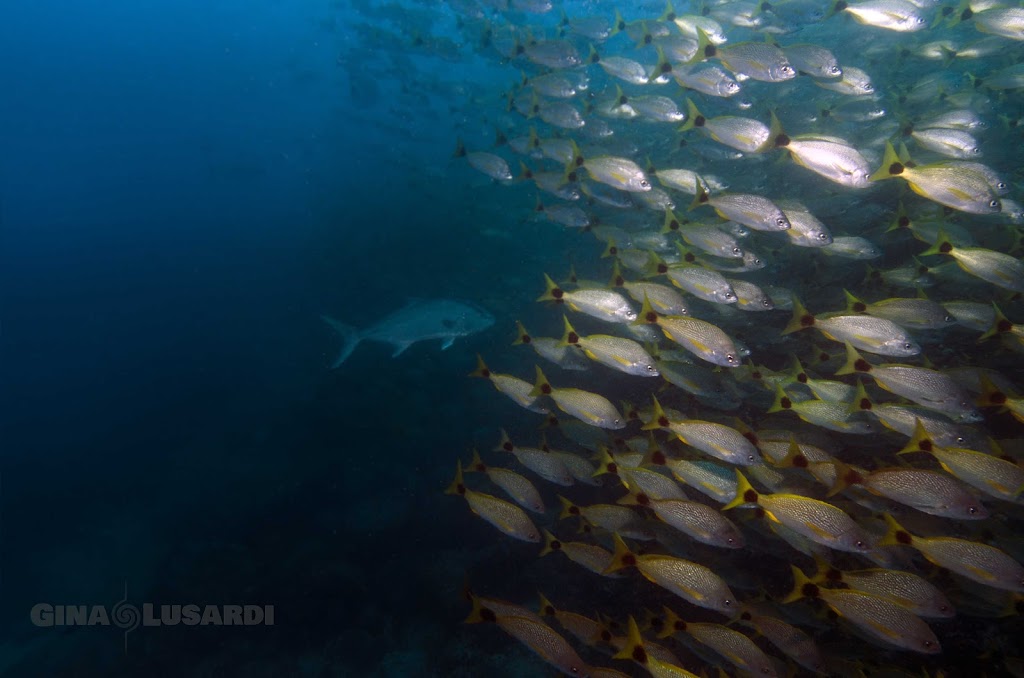
Throughout the descent and along the reef, you'll observe a wide variety of resident reef inhabitants. Expect to encounter numerous angel fish, snapper, grunts, butterfly fish, and various moray eels peeking from crevices.
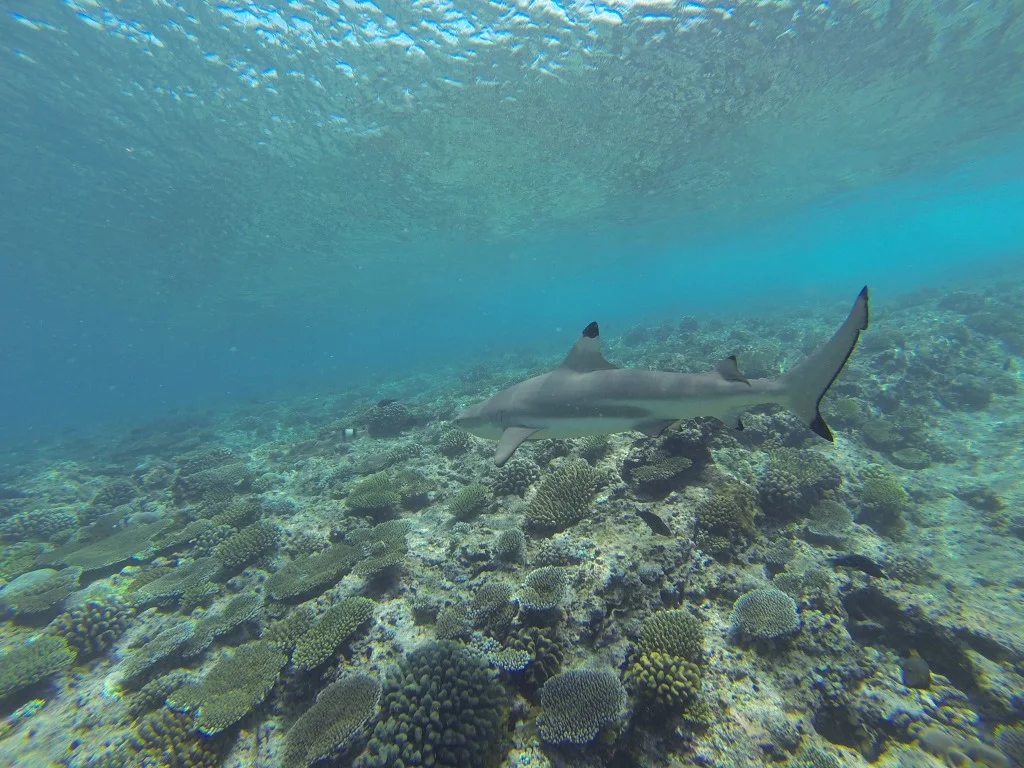
Beyond the reef, common sightings of larger pelagic marine life, such as sharks, whales, dolphins, and turtles, add an element of awe to the dive. Surface conditions for entry and exit generally present moderate wave heights, typically ranging around 1 to 1.5 meters / 3 to 5 feet, with air temperatures usually hovering between 25-27°C / 77-81°F, making for a comfortable experience before and after immersion.
Conditions are Good
Optimal conditions expected
Current conditions near South Point show 27° air, 31° sea temperature, 1.1 m waves, and 15 km/h wind. Forecast data is refreshed regularly to ensure accuracy.
Best Time to Dive
Planning a dive at South Point is best during the months with 'Excellent' or 'Good' dive scores, which generally span from January through April and then from July through December. January and February are particularly favorable, offering 'Excellent' conditions with some of the lowest rainfall, averaging under 1 mm, and air temperatures around 26-27°C / 79-80°F. While rain increases from May to November, peaking in November at over 20 mm, the 'Good' dive scores indicate that diving remains viable, though conditions might be wetter on the surface. Air temperatures remain consistently warm year-round, typically ranging between 25-27°C / 77-81°F, making for comfortable surface intervals regardless of the season.
PEAK SEASON SCORE
Scores combine air & water temps, waves, wind & rainfall for overall conditions.
BEST MONTHS TO DIVE
Monthly records compiled from satellite and marine observation nodes over the last 3 years. Data provided by Open-Meteo and MET Norway.
Dive Experience & Conditions
Experiencing South Point typically involves boat access, as it’s not a shore entry site. The salt water environment provides depths commonly encountered between 15 to 30 meters, with the potential for deeper profiles that extend beyond typical recreational limits, making it suitable for divers comfortable with these deeper conditions. While specific water temperature data isn't consistently reported, the region's overall tropical climate suggests generally warm conditions. Average wave heights range between 1 and 1.5 meters / 3 and 5 feet, with wind speeds usually between 8-10 km/h / 5-6 mph, contributing to surface conditions that vary depending on the day.
Dive Difficulty & Safety Guidelines
While specific hazards for South Point are not consistently reported, general safe diving practices are always paramount, especially when exploring its deeper sections. Always assess local conditions with a dive professional familiar with the site before entering the water, as currents can vary. Divers should ensure they possess appropriate certifications and experience for deep diving and always dive within their training limits.
Adhering to PADI Standard Safe Diving Practices is essential for a safe and enjoyable experience at this site.
Recommended Equipment
- Dive Computer
This gear list is based on verified equipment signals for South Point, Costa Rica. Always confirm final gear choices with your dive operator, guide, or liveaboard.
Recommended Dive Suit
Forecast trends indicate similar diving conditions over the next few days.
Factors such as dive duration, depth, and activity level can influence how warm a diver feels underwater.
Dive skin or rash guard typically balances flexibility and thermal protection in these temperatures. The latest environmental readings for South Point suggest water temperatures around 31°C (87°F). Surface air temperatures are resting at 27°C (81°F).
Emergency & Medical Support
Essential information to help you plan your dive trip to South Point.

Hyperbaric chambers are a critical part of dive safety infrastructure. Availability varies significantly by region, and not all dive areas have immediate access.
Before diving, it's recommended to:
- confirm nearest medical facilities
- check emergency procedures with local dive operators
- ensure dive insurance covers evacuation if required
Divers Alert Network
Diving emergency assistance available through DAN World.
+1-919-684-9111- 24/7 emergency hotline
- Diving medical assistance
- Evacuation coordination
Emergency contacts are provided for reference. Always verify local emergency services before diving.
Marine Life at South Point
The vibrant marine life at South Point quickly catches the eye. You'll commonly spot a variety of colorful reef fish, including numerous angel fish, butterfly fish, and grunts navigating the reef structures.
Moray eels are frequently seen peeking from crevices. Keep an observant watch for larger pelagics too; sightings of sharks, whales, dolphins, and various turtles are known to occur here, adding an element of grand scale to the underwater encounters.
Dive Sites Near South Point
View all dive sites in Costa RicaDiscover more underwater gems in this area.
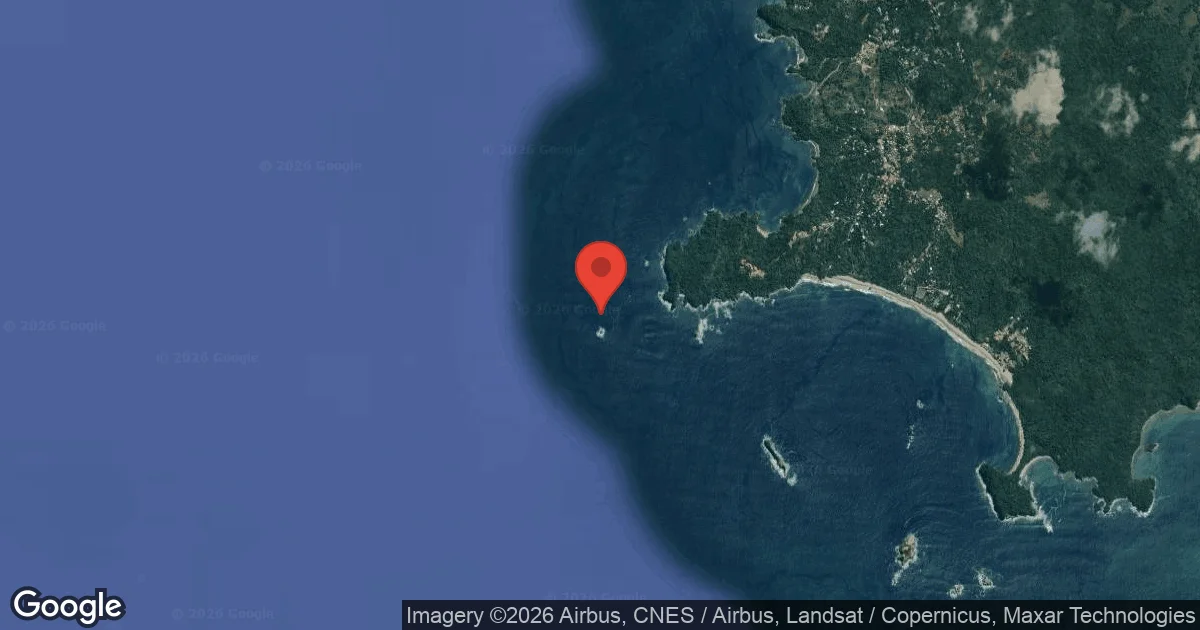
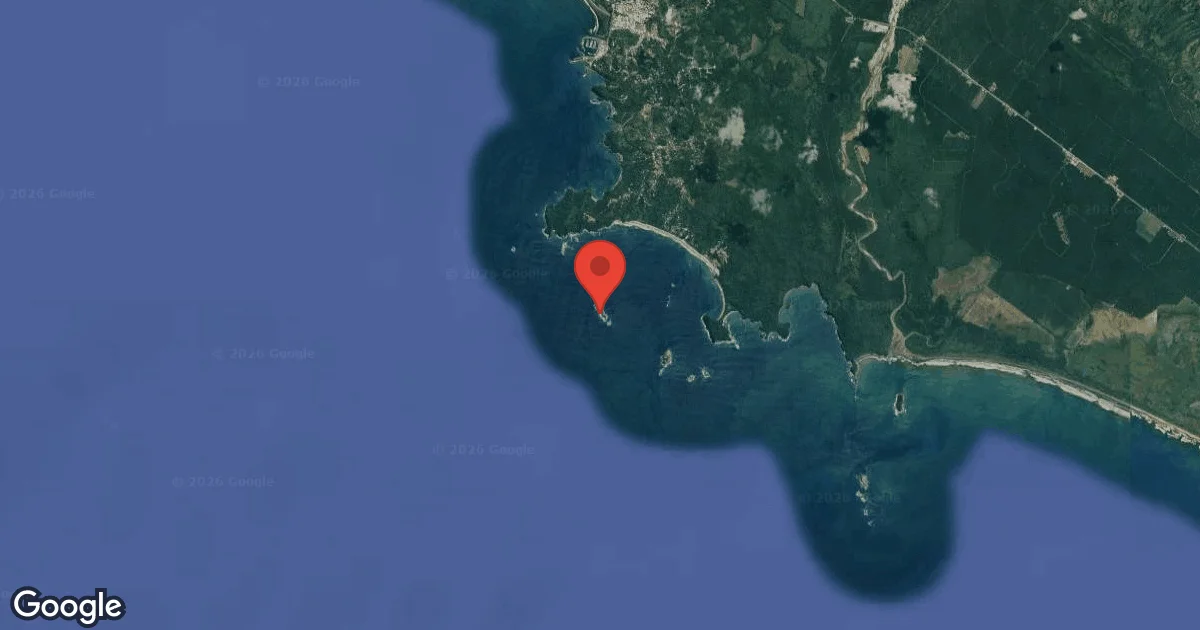
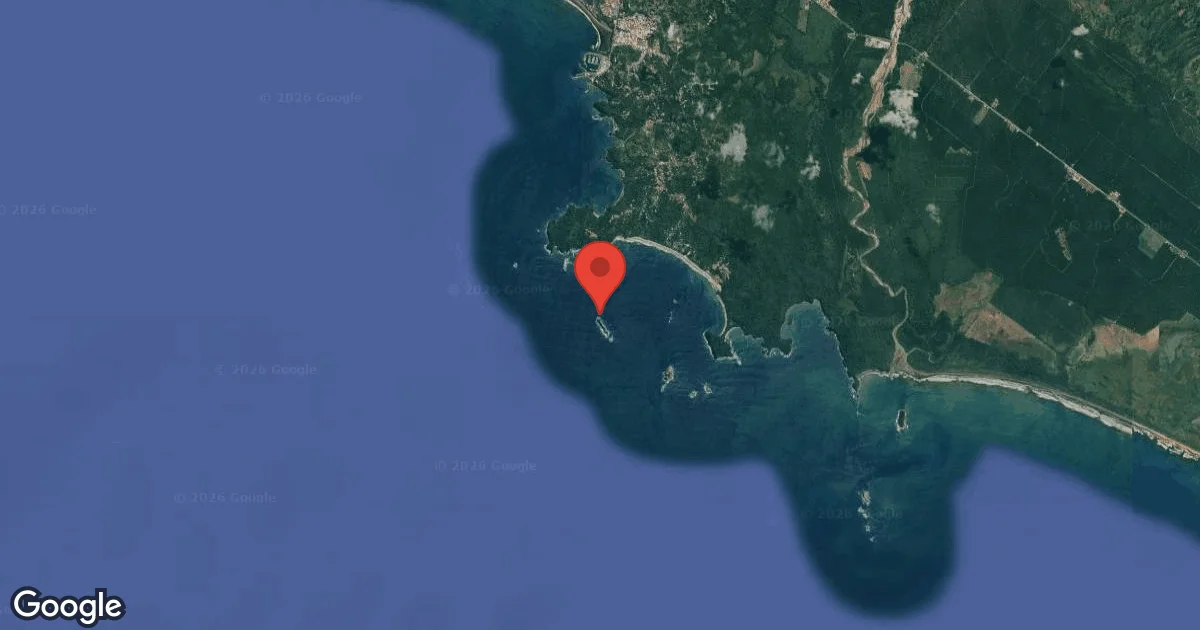
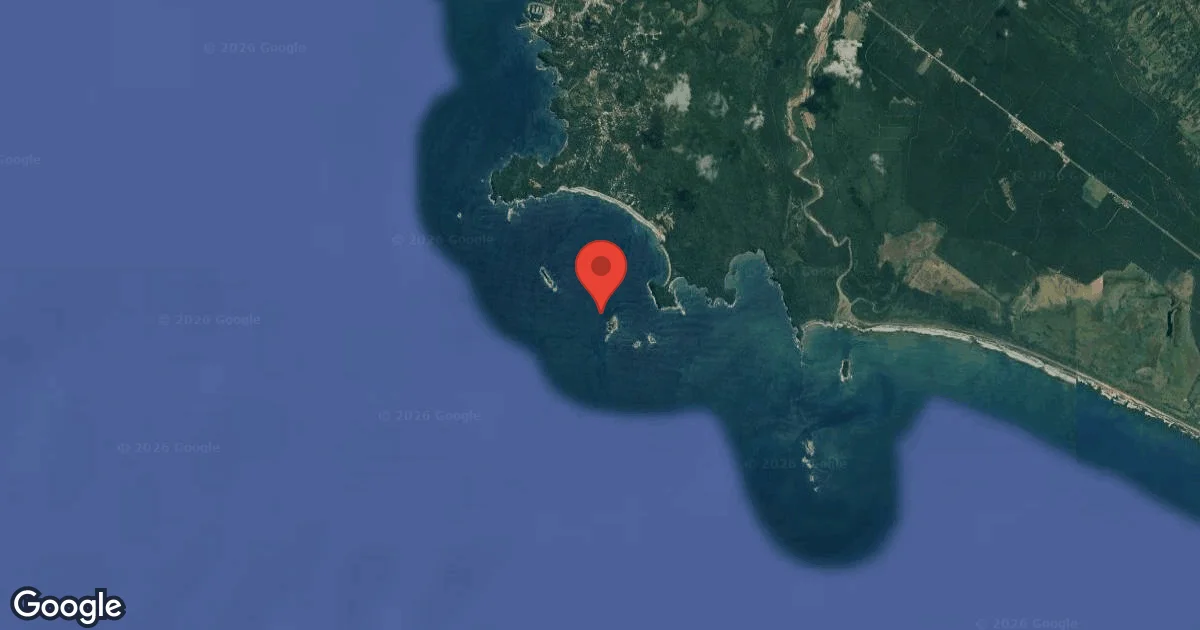
Dive Centers Near South Point
Today: 07:30 - 18:00
Nearest Airports
Nearest airports to help plan travel to this dive area.
Search Flights
Check available flights and routes on Expedia, using the nearby airports listed in this section.
Search Flights on ExpediaFrequently Asked Questions
What is the typical depth range at South Point?
South Point features a substantial drop-off wall and canyon reef system. Depths commonly range from 15 to 30 meters, with some areas able to extend significantly deeper, to about 40 meters.
What kind of marine life can I expect to see?
Divers frequently encounter reef fish like angelfish, butterfly fish, and grunts. Moray eels are common in crevices. Larger marine life such as sharks, whales, dolphins, and turtles are also known to visit the area.
Is South Point suitable for beginner divers?
Given the potential for deeper profiles and varying currents, South Point is generally more suited for certified divers comfortable with deeper diving. It's advisable to assess your experience level against the conditions on any given day.
How do I access the dive site?
Access to South Point is typically by boat. It's not a shore entry site, requiring a short boat ride to reach the best diving areas.
What are the best months to dive South Point?
Optimal diving conditions are usually found from January through April and again from July through December. January and February often offer excellent conditions with minimal rainfall.
What are the typical surface conditions?
Surface conditions generally feature moderate wave heights, around 1 to 1.5 meters / 3 to 5 feet, and wind speeds typically between 8-10 km/h / 5-6 mph. These conditions can vary, so always check local forecasts.
Are there any strong currents?
Currents at South Point can vary. It's important to consult with local dive professionals before entering the water to understand the day's specific current patterns.
What equipment is recommended for diving here?
Due to the site's deeper profiles and potential for currents, carrying a robust dive computer and a surface marker buoy is recommended. These aid in managing bottom time and enhancing surface visibility for safety.
Planning to dive South Point?
Send one inquiry and receive offers directly from the best verified local dive operators.
Conditions are Good
Optimal conditions expected
Current conditions near South Point show 27° air, 31° sea temperature, 1.1 m waves, and 15 km/h wind. Forecast data is refreshed regularly to ensure accuracy.